The games media landscape is undergoing a profound transformation characterized by the decline of traditional outlets and a shift toward developer-owned communication channels. While the industry has faced significant contraction, with numerous publications closing or reducing staff, the core thesis holds that professional journalism remains a vital, albeit evolving, component of the gaming ecosystem. Although developers increasingly rely on social media, direct-to-player updates, and influencer partnerships to drive discovery, these methods often lack the narrative depth and critical perspective that professional media provides.
Key findings indicate that while traditional press is less essential for initial game discovery, it remains critical for shaping industry discourse. Because modern online conversation is largely driven by reactions to headlines and curated snippets, journalists serve as the primary producers of the content that fuels these viral discussions. Strategic public relations efforts that engage with media—rather than relying solely on owned channels—can humanize developers, provide transparency, and foster more meaningful community engagement. This is evidenced by successful case studies where developers collaborated with journalists to tell complex stories that official marketing materials could not effectively convey.
The scope of this analysis covers the global games industry, focusing on the transition from the mid-2010s to 2024. The methodology relies on a combination of personal industry experience, qualitative interviews with games journalists and public relations professionals, and an examination of recent industry trends, such as the rise of subscription-based media models and the decline of legacy print and digital publications. Ultimately, the analysis concludes that developers who ignore professional media risk losing control of the broader narrative, suggesting that a balanced communication strategy—integrating both owned channels and professional journalism—is essential for long-term success.
The video game industry faces a significant discovery crisis, characterized by an oversaturated market where over 14,000 titles were released on Steam in a single year. This environment makes it increasingly difficult for talented, independent developers to gain visibility, regardless of the quality of their work. In response, an international coalition of women-led studios has formed to promote one another’s projects, creating a collaborative ecosystem that serves as a vital alternative to traditional, often male-dominated, marketing channels.
The primary thesis is that collective action and community-driven promotion are essential strategies for survival in the current gaming landscape. By organizing showcases and leveraging niche communities, these developers can bypass the limitations of the Steam algorithm and reach dedicated audiences. Key findings indicate that these collaborative efforts, such as the Women-Led Games showcase, provide a necessary platform for visibility, allowing developers to share resources and build networks that transcend the competitive nature of the broader industry.
The scope of this movement is global, focusing on independent studios that prioritize artistic merit and community engagement. Rather than relying solely on demographic-based marketing, many of these developers emphasize "vibe-based" outreach, aiming to connect with players who resonate with their specific creative vision. The success of these initiatives is evidenced by increased wishlist activity and sales during coordinated events, which are often supported by industry entities like the WINGS fund. Ultimately, the movement highlights a shift toward mutual support, suggesting that collaboration is a more effective path to sustainability for small-scale developers than viewing peers strictly as competitors.
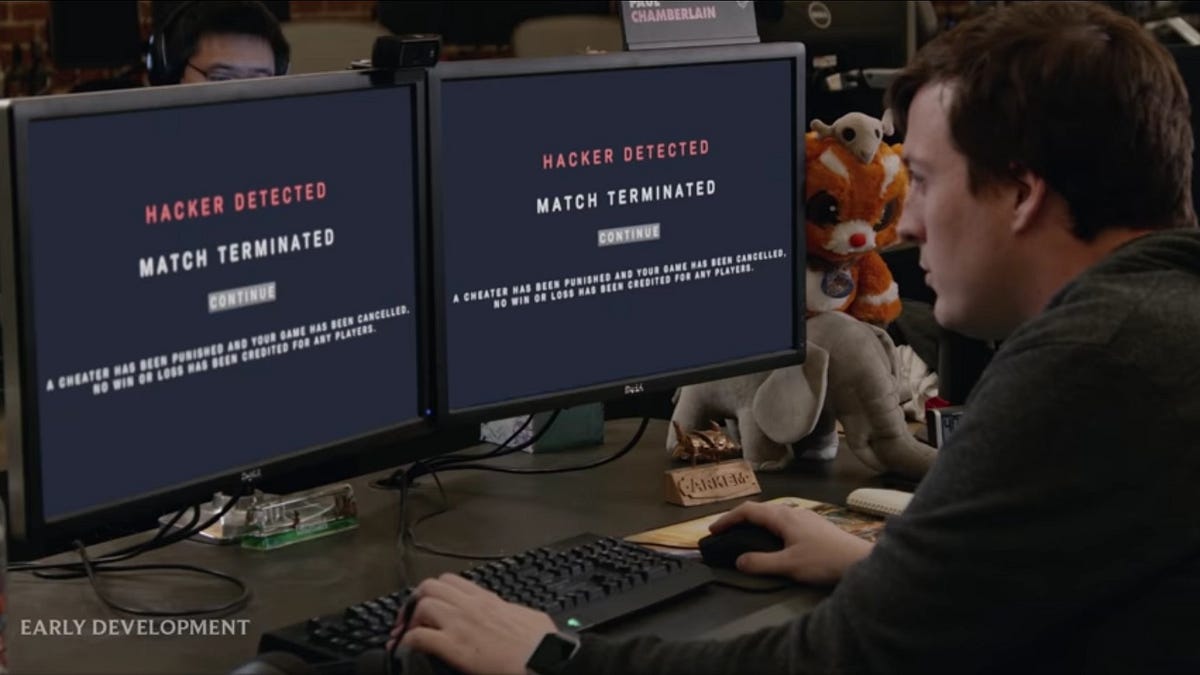
The integration of kernel-level anti-cheat software into modern gaming represents a critical intersection of cybersecurity necessity and user perception. The primary objective of these systems is to establish a secure environment by operating at the highest privilege level of the operating system, thereby increasing the financial and technical barriers for cheat developers. While these drivers are frequently criticized for their invasive nature and potential security vulnerabilities, industry consensus maintains that any software installed on a system carries inherent risks. The technical debate is often overshadowed by a fundamental disconnect between developers, who must maintain operational secrecy to remain effective, and a player base that perceives this lack of transparency as a breach of trust.
The effectiveness of systems like Riot Games’ Vanguard demonstrates that kernel-level access is a strategic requirement for maintaining competitive integrity in the current digital landscape. By reducing the attack surface available to malicious actors, these tools successfully mitigate widespread cheating, even if they necessitate a trade-off regarding system privacy. Security experts argue that the prevailing anxiety surrounding these drivers is largely rooted in a misunderstanding of modern software architecture rather than documented security failures.
Ultimately, the controversy surrounding anti-cheat technology is driven more by player cynicism than by objective technical threats. While the "always-on" nature of these programs introduces new variables to user privacy, these risks are increasingly viewed as an accepted component of modern computing. The industry’s path forward relies on bridging the communication gap between developers and players, as the technical efficacy of kernel-level solutions remains the most viable defense against the evolving sophistication of cheat development.
Strange Scaffold has established itself as a prolific and successful independent game studio under the leadership of 26-year-old founder Xalavier Nelson Jr. Since 2020, the studio has released 11 titles, with the majority of its Steam-available catalog maintaining positive or very positive review averages. The studio’s business model is characterized by a "constellation" production approach, which utilizes a rotating, flexible network of contractors to maintain high output and consistent profitability.
The studio’s success is attributed to a disciplined, value-driven development process that prioritizes precise scheduling and sustainable labor practices. By avoiding the industry-standard pitfalls of scope creep and inaccurate timelines, the studio consistently delivers ambitious projects, such as the critically acclaimed El Paso, Elsewhere, which earned a nomination for Outstanding Achievement for an Independent Game at the 27th Annual D.I.C.E. Awards. The studio’s creative output often blends absurd or unconventional premises—such as trading organs in a stock market simulator or playing poker with bank-robbing animals—with sincere, emotionally resonant narrative experiences.
This analysis is based on a review of the studio’s catalog, interviews with its founder, and an examination of its operational methodology. By drawing inspiration from efficient production models found in the film industry, such as Blumhouse, the studio demonstrates that small, part-time teams can achieve significant commercial and critical success through rigorous planning and a commitment to avoiding developer burnout. The studio continues to expand its portfolio, with further projects planned to maintain its rapid release cadence.
The gaming industry frequently faces the challenge of rehabilitating public perception following a failed product launch. While many titles struggle to recover, Cyberpunk 2077 serves as a prominent case study in successful redemption. Following a disastrous 2020 release characterized by severe technical issues and significant financial fallout, the development team at CD PROJEKT RED utilized long-term community engagement strategies to restore the game’s reputation. By October 2023, the title had achieved over 25 million units sold, with its expansion, Phantom Liberty, selling 5 million copies, ultimately securing a 93% positive rating on Steam.
Central to this recovery was the role of community management, a discipline that has evolved into an integral component of studio operations. Insights from industry professionals, such as Carolin Wendt, emphasize that effective community management requires a delicate balance of transparency, patience, and mental health awareness. A survey of 40 community managers conducted for professional guidance highlights that the field is currently dominated by practitioners under the age of 40, though there is a growing push to establish the role as a long-term, sustainable career path.
The methodology for building community in the wake of a crisis involves consistent, honest communication and the systematic relaying of player feedback to development teams. While community managers do not directly control game development, their ability to distill player sentiment and identify potential risks provides studios with a competitive advantage. Despite current industry volatility and widespread layoffs, the profession remains a vital link between developers and players, with successful practitioners focusing on long-term relationship building rather than short-term viral engagement.
The video game industry is currently experiencing a period of significant contraction, characterized by widespread layoffs and a drying up of venture capital funding. Following a record-breaking year for job losses in 2023, the industry saw over 5,800 additional cuts in January 2024 alone. Analysts suggest that the sector has contracted 77% from its post-COVID peak, with some projections indicating that a full recovery may not materialize until 2026. This environment has created a challenging landscape for both seasoned professionals and junior candidates, as the ratio of job seekers to available roles continues to widen.
To navigate this volatility, professionals are encouraged to adopt a proactive career strategy focused on building "layoff resiliency." This involves five key pillars: increasing professional flexibility by developing skills outside of one’s primary discipline, cultivating a strong and diverse network of relationships, establishing a reputation for cutting-edge work, targeting high-demand or high-growth specializations, and maintaining a level-headed, professional approach to workplace communication. These strategies are intended to provide individuals with more options and greater stability, even though no role is entirely immune to the broader economic pressures facing the industry.
The current downturn is largely attributed to a combination of factors, including aggressive overhiring during the pandemic, rising interest rates, increased costs for user acquisition, and a 12% decline in inflation-adjusted gaming revenues since 2021. While individual career management is essential, the document emphasizes that the primary driver of job security remains the foresight and fiscal discipline of studio leadership. For those currently employed, the recommended response is to support affected peers through networking and mentorship while simultaneously refining their own professional positioning to better weather the ongoing industry contraction.
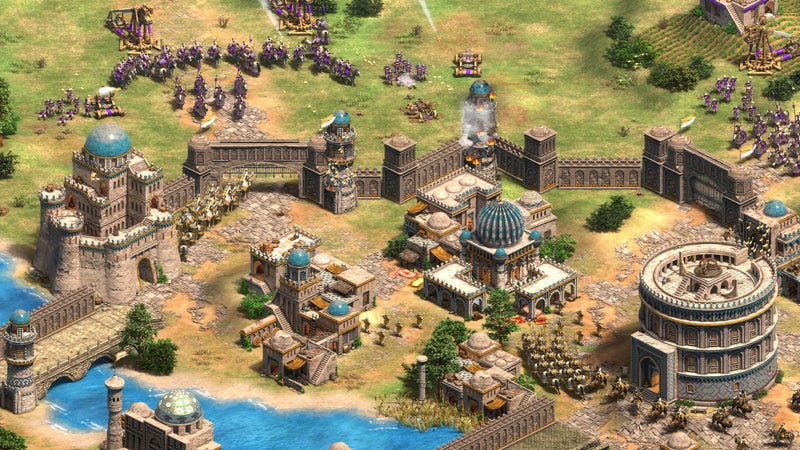
Age of Empires II maintains a robust and growing competitive presence twenty-five years after its initial 1999 release. The primary thesis posits that the game’s enduring success is driven by a symbiotic relationship between a highly committed, long-term player base and sustained, strategic support from Microsoft. By integrating community-developed quality-of-life improvements and hiring community developers, Microsoft has successfully revitalized the franchise, evidenced by the release of five expansion packs since 2019 and consistent growth in active player counts.
The competitive landscape for the game remains vibrant, as illustrated by the Nili’s Apartment Cup V tournament in Berlin. This event drew participants from over ten countries and attracted more than 30,000 concurrent viewers on Twitch, competing for a prize pool exceeding $60,000. Industry data indicates that the competitive scene grew by 10% to 20% in the preceding year, defying broader industry trends of declining engagement. Microsoft’s strategy of uniting fragmented, fan-supported platforms into a cohesive, official ecosystem has been central to this longevity.
The scope of this analysis covers the global Age of Empires II community, with a focus on the evolution of the franchise from its 1999 debut through the 2023 release of the latest expansion. The methodology relies on qualitative insights from key stakeholders, including Microsoft’s Director of Business for the franchise, professional players, and prominent community casters. While the broader gaming industry faced significant economic headwinds in 2023—including an 86% drop in U.S. investment funding and widespread workforce reductions—Age of Empires II serves as a notable case study in how legacy titles can achieve sustained commercial and cultural relevance through dedicated community stewardship and iterative development.
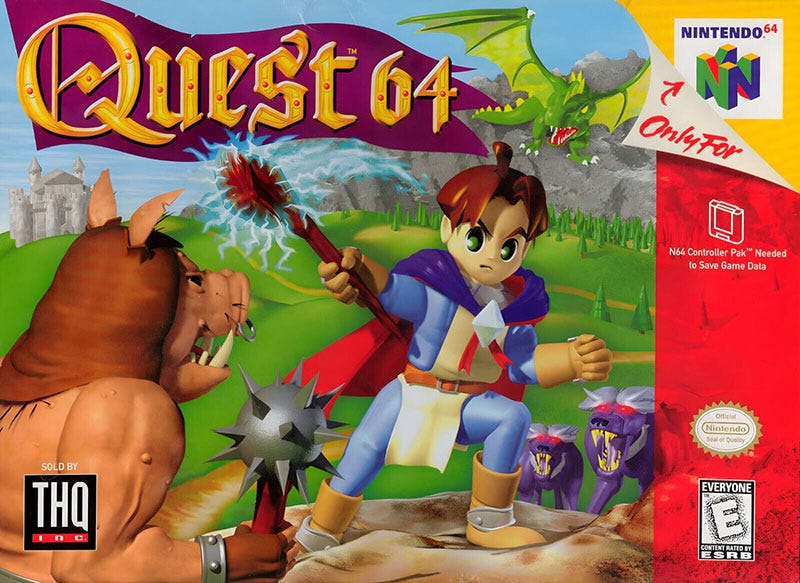
This analysis explores the evolving landscape of video game community management and digital marketing, centered on the case study of a fan-led social media campaign for the 1998 Nintendo 64 title, Quest 64. The primary thesis posits that while traditional social media strategies often rely on generic meme-based engagement, authentic fan passion can serve as a powerful, alternative mechanism for revitalizing interest in legacy titles and challenging negative critical consensus.
The narrative highlights the efforts of a dedicated fan who operates an unofficial social media account, @Quest64Official, to rehabilitate the reputation of a game historically dismissed by critics. By consistently sharing memes and fan art, the account creator aims to move beyond "borrowed opinions"—the tendency for modern audiences to echo negative reviews of games they have never played—and instead foster a more celebratory, nuanced discourse. This grassroots approach has coincided with a broader, observable trend of increased visibility for the title across social platforms and YouTube, suggesting that persistent, community-driven advocacy can effectively shift public perception.
Beyond this specific case, the broader industry context includes significant volatility, such as the impact of Chinese regulatory shifts on major publishers like Tencent and NetEase, and the ongoing trend of workforce reductions at studios like Bossa Studios. Furthermore, the analysis notes the expansion of non-traditional gaming entities, such as The New York Times, which has scaled its gaming division to include approximately 100 full-time staff. These developments underscore a period of rapid institutional change and shifting audience engagement strategies, where both established corporations and individual enthusiasts are actively redefining the boundaries of the gaming ecosystem.