Key insights
6 slides
The niche
Developers are creating original software for legacy hardware.
Independent developers are increasingly bypassing saturated modern PC markets by creating original software for legacy hardware like the original Game Boy.
Key number
Kudzu raised $46,195 through a Kickstarter campaign.
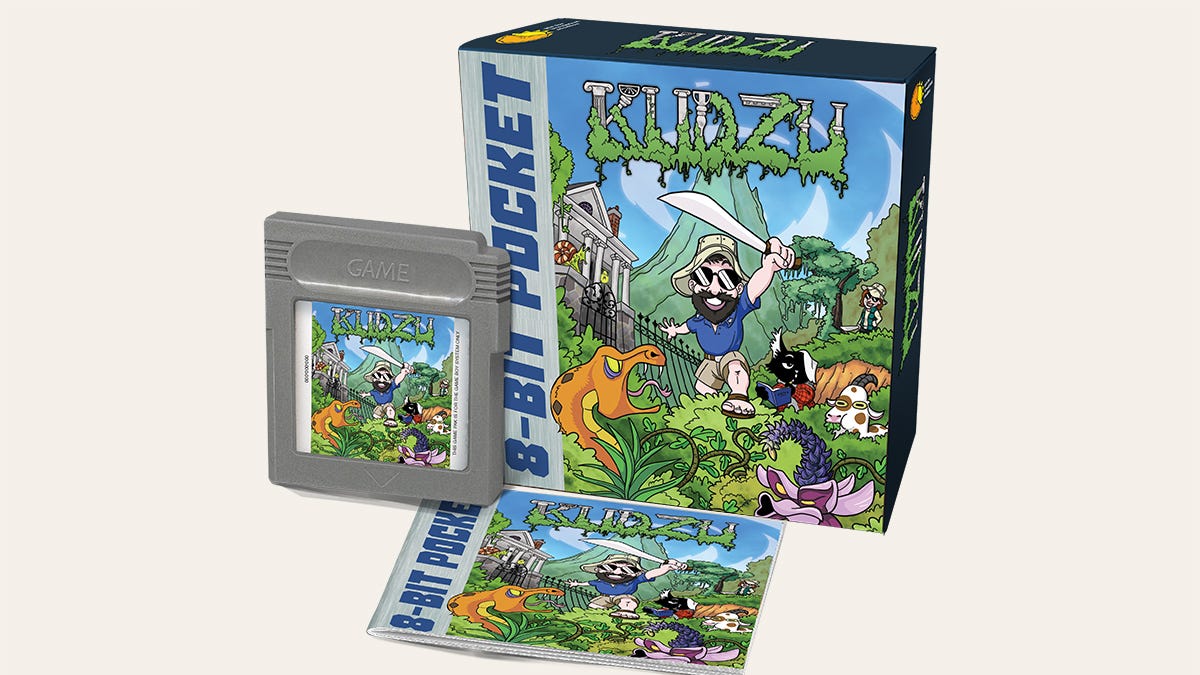
The game Kudzu, created by Chris Totten, secured $46,195 through a Kickstarter campaign with over 800 backers.
What changed
Modern tools simplify development for discontinued consoles.
Modern tools like GB Studio enable creators to produce for discontinued consoles by simplifying development through visual scripting and manageable technical constraints.
Hardware driver
Retro-focused hardware sustains the market for new software.
The rise of retro-focused hardware, such as the Analogue Pocket, is a key driver in sustaining the market for new software developed for legacy systems.
Distribution bridge
Physical cartridges bridge historical experiences and modern distribution.
Physical cartridge production serves as a critical bridge between historical gaming experiences and contemporary distribution models for independent creators.
Lifecycle extension
Developers are extending the lifecycle of unsupported hardware.
By leveraging modern tools to create for legacy systems, developers are effectively extending the lifecycle of hardware that has been officially unsupported for decades.
1 / 6
Ask AI about this report