Key insights
5 slides
Technical breakthrough
Modders optimize multi-core CPUs to enable high-fidelity visuals.
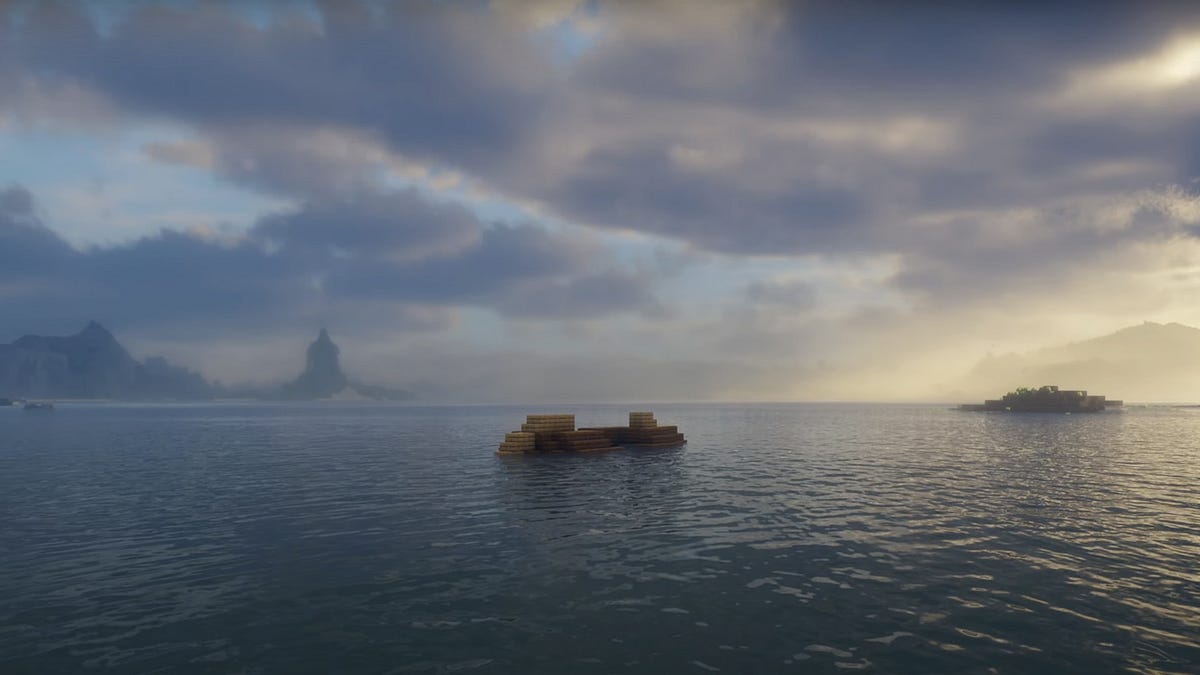
Independent developers are addressing software-level inefficiencies in the game. This allows high-fidelity graphics to run on hardware that is not top-tier.
Performance shift. Independent developers are optimizing multi-core CPU utilization.
Key tools
Distant Horizons and Bliss shader drive the graphical evolution.
The Distant Horizons mod optimizes render distance, while the Bliss shader enhances lighting and atmospheric effects.
Support strain
Rapid growth has overwhelmed volunteer-led support teams.
The influx of users has created significant challenges for the teams maintaining these projects. Much of the technology remains in alpha or beta stages and requires high technical proficiency to implement.
Creator caution
Creators prioritize stability and caution against premature adoption.
Mod creators emphasize the need for stability and caution casual players against using their tools. They express a long-term goal of seeing their work integrated into the official game.
Stability first. Mod creators are prioritizing stability over mass adoption.
Long-term impact
Community-led development extends the lifecycle of established franchises.
The success of these projects demonstrates how community-led development can extend the lifecycle and technical capabilities of gaming franchises.
1 / 5
Ask AI about this report