Joint International Conference on Serious Games (JCSG)
Conference on serious games, published in Springer LNCS. Only open-access chapters and repository copies are included.
Documents
The BlockQuest Game: Digital Behavioral Phenotyping of ADHD Using Embodied Serious Game in VR
The BlockQuest game introduces a novel, embodied virtual reality (VR) paradigm designed to improve the digital behavioral phenotyping of Attention-Deficit/Hyperactivity Disorder (ADHD).
- BlockQuest utilizes an embodied VR environment to conduct digital behavioral phenotyping of ADHD, moving beyond traditional outcome-oriented assessments to capture real-time interactions between perception, cognition, and motor processes.
- The system records high-dimensional data including eye gaze, body and hand positioning, and object dynamics within a 320 cm by 406 cm play boundary to analyze moment-to-moment behavioral patterns.
- The game features five levels of increasing cognitive and motor complexity that require participants to perform block-construction tasks involving information searching, strategic planning, and working memory.
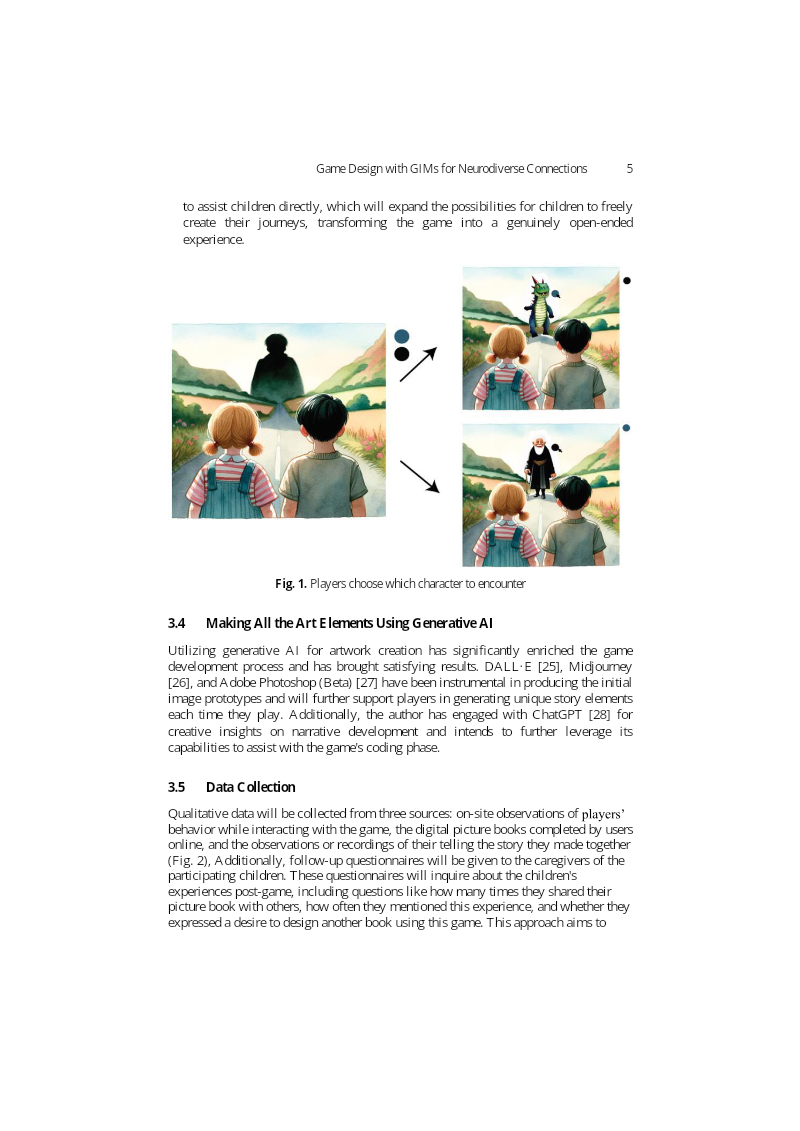
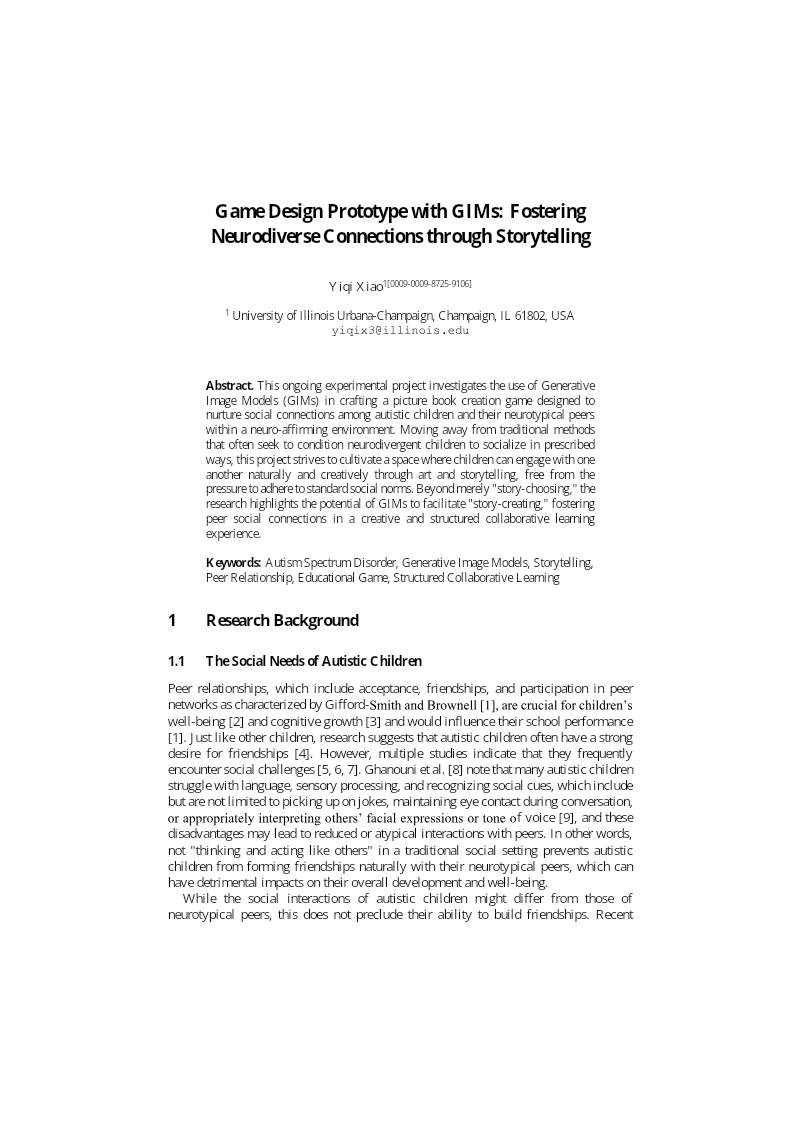
Game Design Prototype with GIMs: Fostering Neurodiverse Connections through Storytelling
This project explores the integration of Generative Image Models (GIMs) into educational game design to foster social connections between autistic children and their neurotypical peers.
- The project utilizes Generative Image Models (GIMs) like DALL-E, Midjourney, and Adobe Photoshop to facilitate collaborative storytelling between autistic children and neurotypical peers.
- The design shifts from traditional social conditioning to a neuro-affirming model that prioritizes creative agency and visual-spatial strengths over verbal communication.
- The prototype features a two-phase hybrid experience where children co-create digital picture books by selecting characters, settings, and symbols, resulting in a tangible printed keepsake.
Including Non-Autistic Peers in Games Designed for Autistic Socialization
The current landscape of serious games for autism is characterized by a medicalized approach that prioritizes training autistic children to mimic neurotypical social behaviors.
- Current serious games for autism often prioritize behavioral correction over social connection, which can lead to negative psychological outcomes like self-repression.
- A neurodiversity-centered design framework is proposed based on three pillars: inclusiveness for both autistic and non-autistic peers, affirmation of neurodivergent identities, and robust safety mechanisms.
- The Minecraft-based server Autcraft demonstrates the viability of this model, having successfully fostered a community of over 17,000 players in a safe and inclusive digital environment.
Puzzlegram: A Serious Game Designed for the Elderly in Group Settings
Puzzlegram is a serious game prototype designed to improve the well-being of elderly individuals through collaborative, music-based group interaction.
- Puzzlegram is a serious game prototype designed to improve elderly well-being through collaborative, music-based group interaction that leverages autobiographical memory.
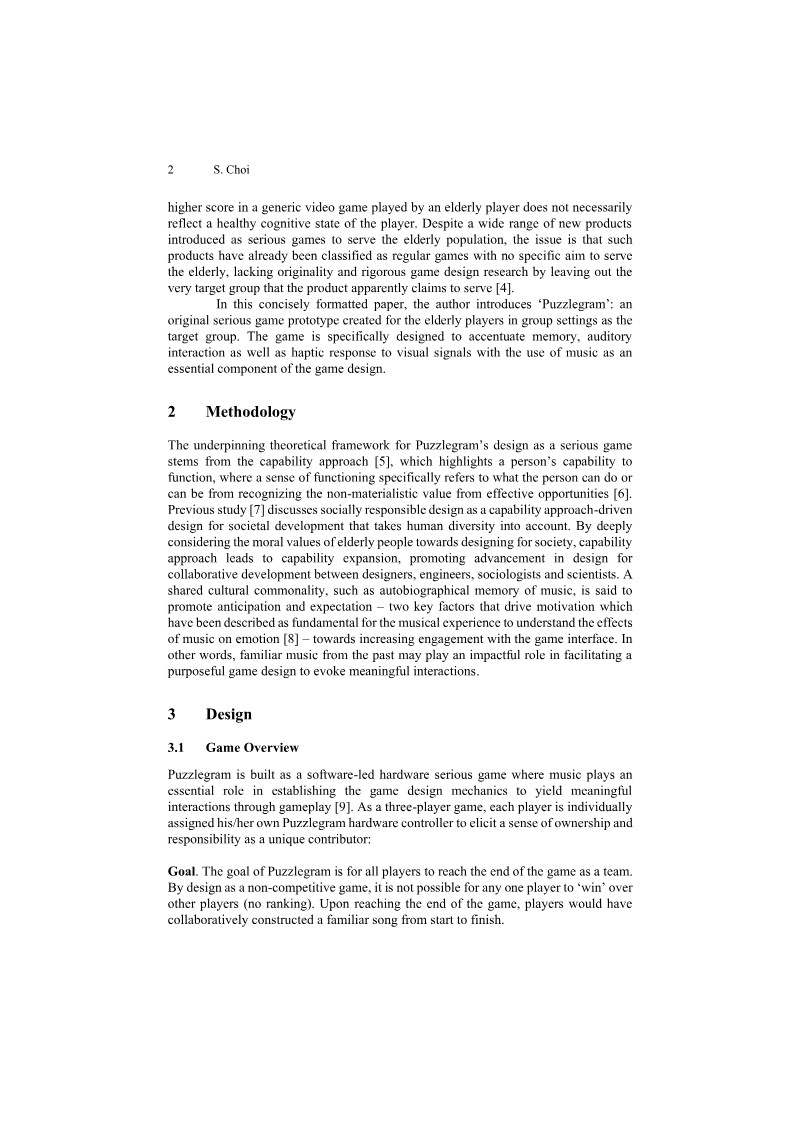
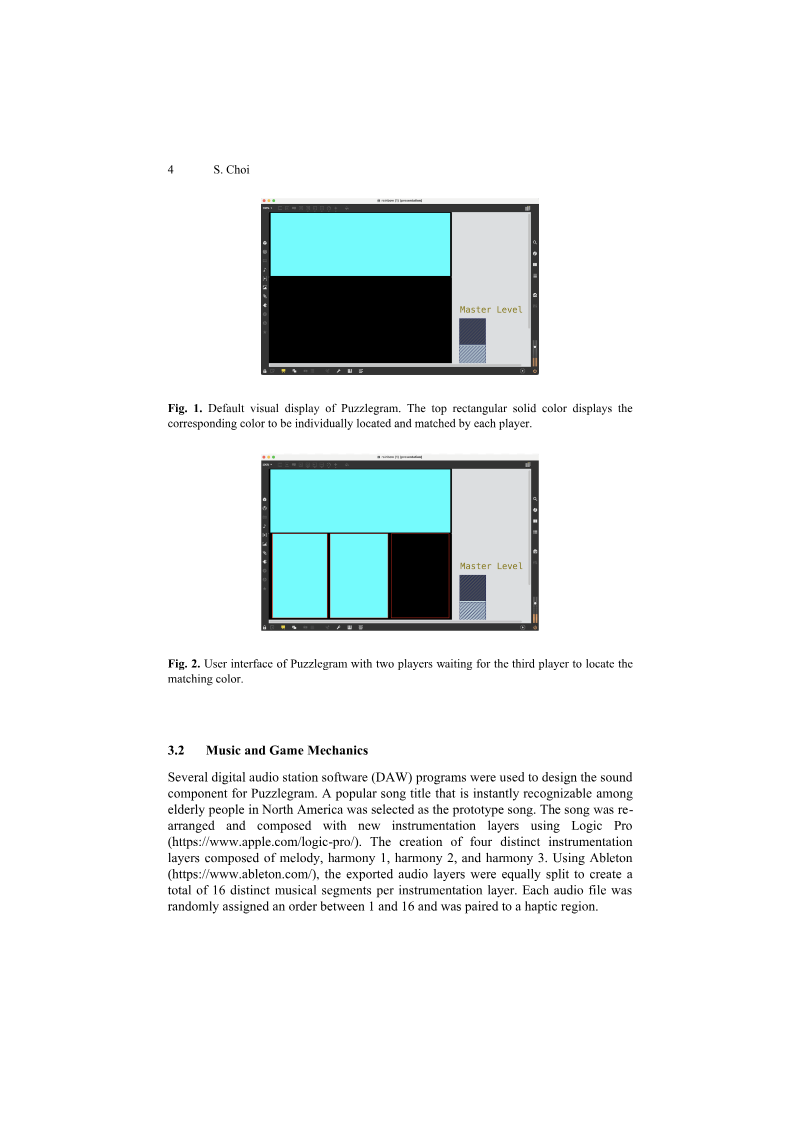
- The gameplay involves three players using individual controllers to interact with 16 haptic regions, working together to reconstruct recognizable songs by matching haptic inputs to visual cues.
- The design framework rejects competitive ranking and formal tutorials in favor of player exploration, agency, and the 'capability approach' to foster social contribution.
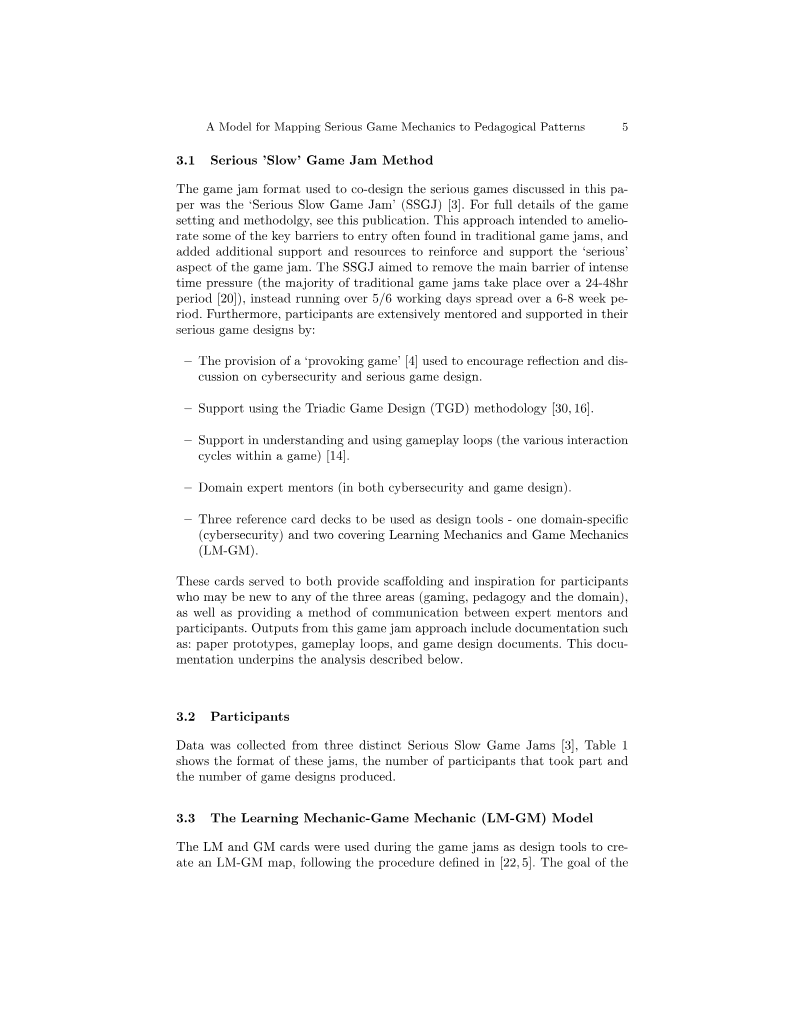
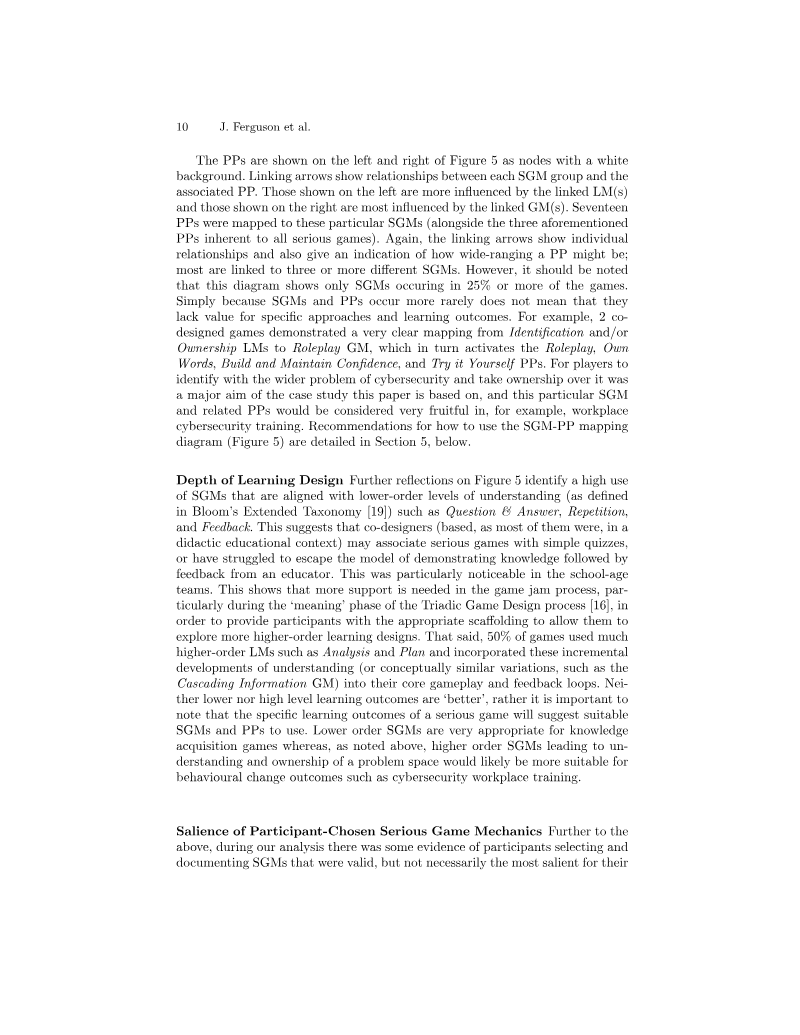
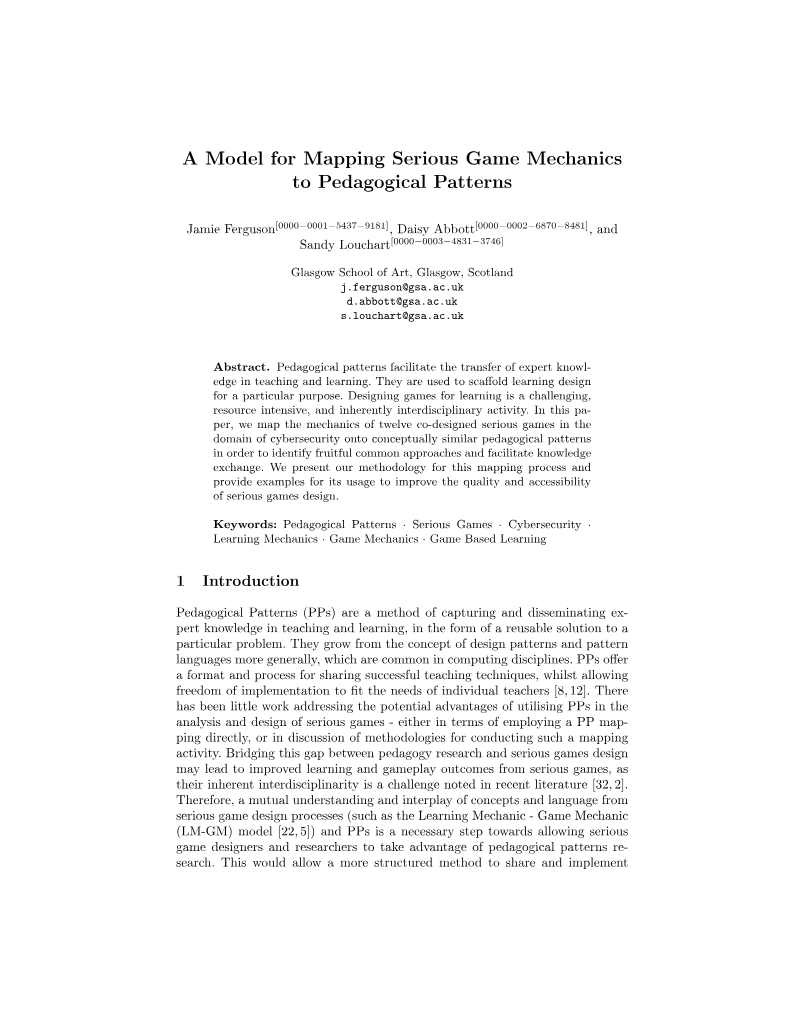
A Model for Mapping Serious Game Mechanics to Pedagogical Patterns
Bridging the divide between game design and educational theory requires a structured methodology that aligns game mechanics with pedagogical objectives.
- The Learning Mechanic-Game Mechanic (LM-GM) framework provides a standardized methodology to bridge the gap between game design and pedagogical theory, ensuring games are grounded in instructional design.
- An analysis of twelve cybersecurity games revealed that designers frequently default to lower-order learning designs, such as basic repetition and feedback loops, rather than complex pedagogical patterns.
- Formal mapping models are necessary to identify the sophisticated relationships between game mechanics and learning outcomes required to achieve long-term behavioral change.
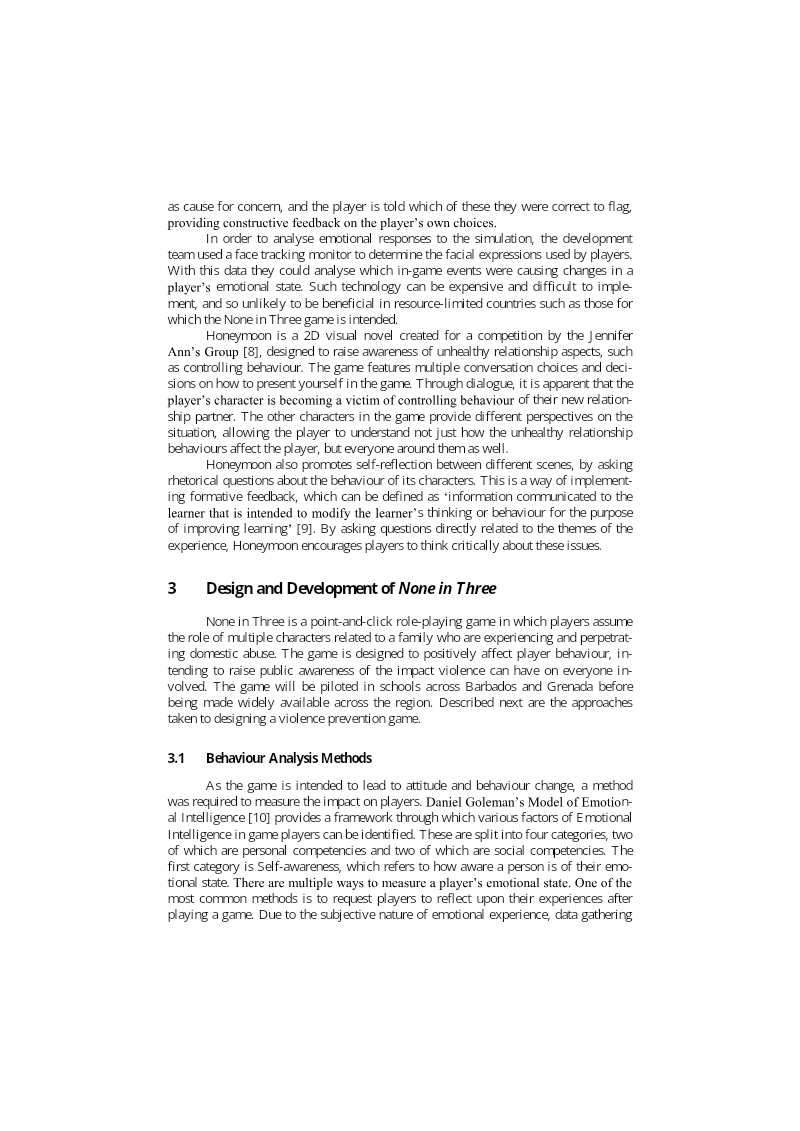
None in Three: The Design and Development of a Low-cost Violence Prevention Game for the Caribbean
The None in Three project functions as a strategic intervention designed to mitigate domestic and sexual violence among Caribbean youth through the medium of serious gaming.
- The 'None in Three' project utilizes point-and-click narrative gameplay to teach conflict management and empathy as a scalable intervention for domestic and sexual violence prevention among Caribbean youth.
- Development costs were minimized by using the Unity engine combined with custom tools like the Actus event editor and automated character generation systems.
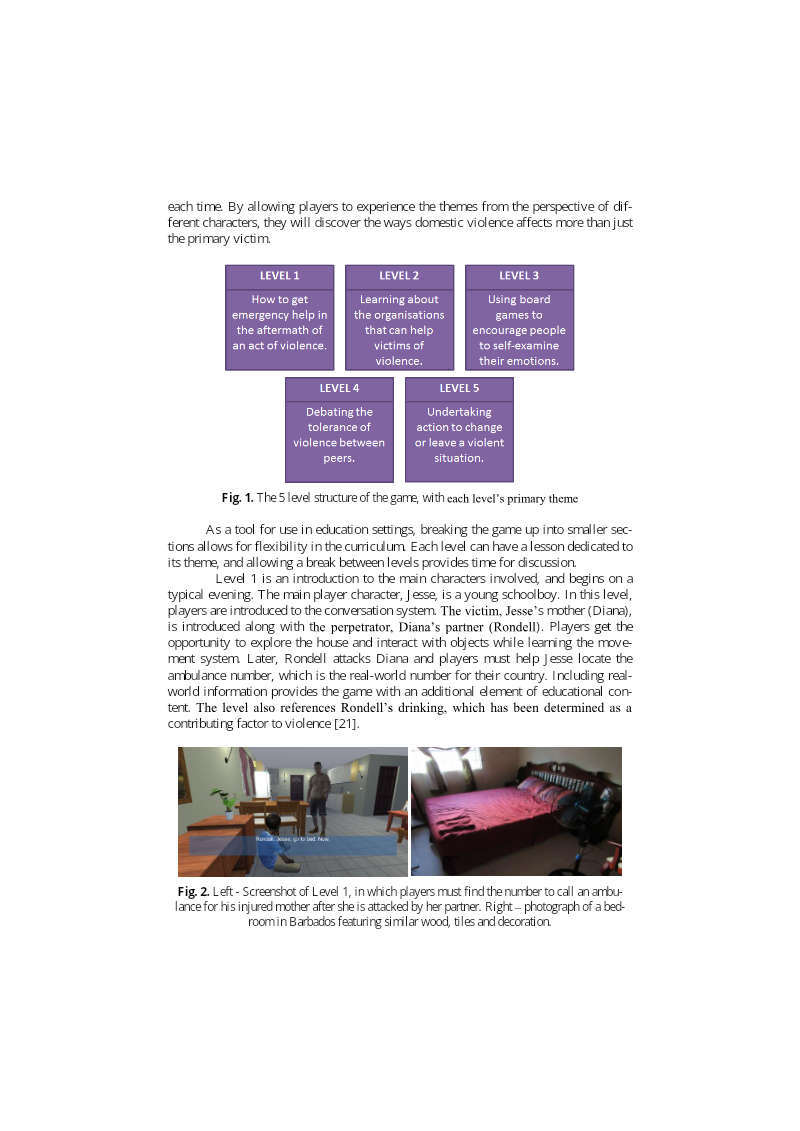
- The game features a five-level structure that incorporates localized voice acting and culturally specific storytelling to ensure regional resonance.
Prevention in Addiction: Using Serious Games to (re)train Cognition in Dutch Adolescents
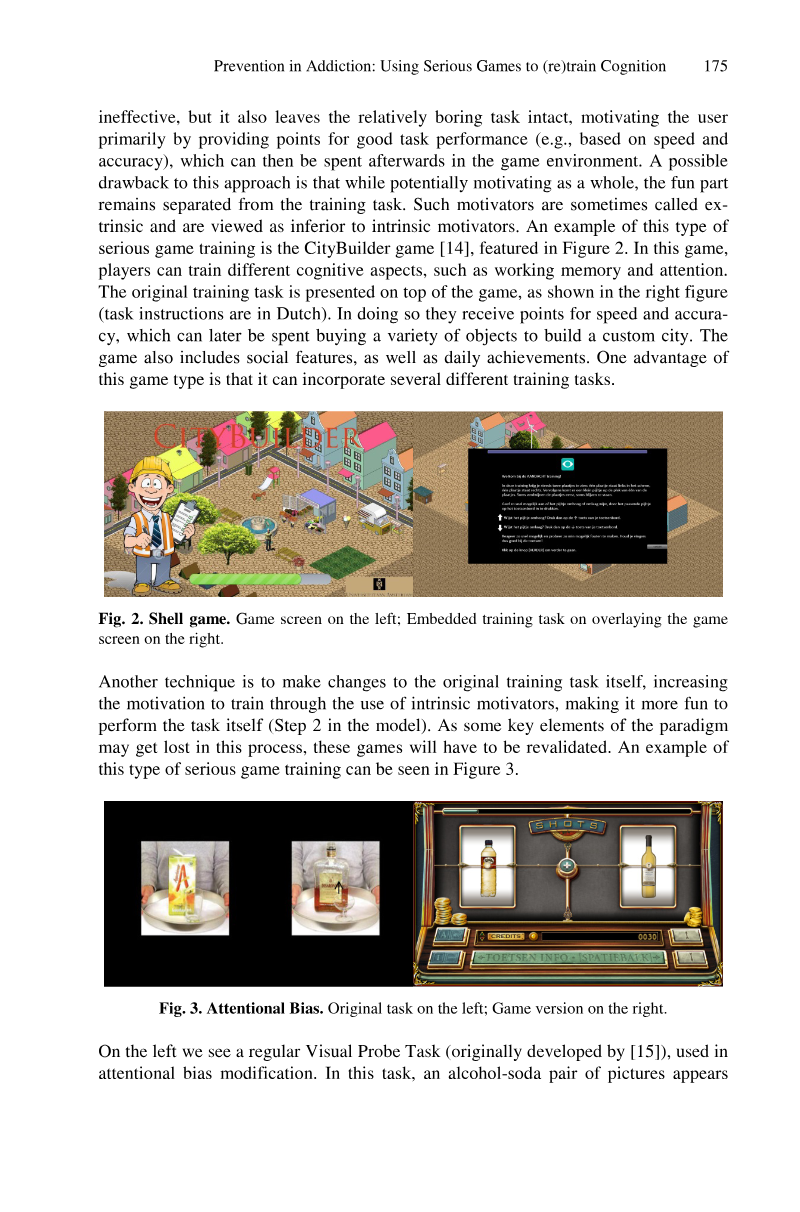
This analysis explores the application of serious games as a tool for cognitive retraining in Dutch adolescents to prevent substance abuse.
Do you work at Joint International Conference on Serious Games (JCSG)? Get a free report of how these documents are read and cited here.