
Hit Points
Independent games industry analysis and commentary by Nathan Brown (ex-Edge).
Documents
Redemption 101
The release of the next-generation update for Cyberpunk 2077 serves as a case study in the challenges of corporate reputation management following a disastrous product launch.
- CD Projekt's handling of the Cyberpunk 2077 next-gen update launch was poorly executed, failing to demonstrate the humility required after the game's disastrous 2020 release.
- The developer's promotional strategy for the update was misaligned, prioritizing minor aesthetic features like vehicle LED lights in a livestream over substantial gameplay and economy rebalances.
- Using humor in patch notes for a game with a history of severe technical failure is ill-advised, as it risks appearing dismissive of the consumer experience.
Capital Idea
The current wave of consolidation in the global video game industry, exemplified by Microsoft’s acquisition of Activision Blizzard, is unlikely to extend to the Japanese market.
- Microsoft is unlikely to acquire major Japanese game publishers like Capcom or Square Enix due to Japan's unique business culture and structural barriers to foreign investment.
- Japan ranked last out of 196 countries for foreign direct investment in 2019, trailing even North Korea.
- The 'keiretsu' business model, where Japanese firms maintain deep, cross-industry partnerships and mutual ownership, creates a protective environment that discourages outside acquisition.
Tell Me More: Issue 92
The gaming industry experienced a period of intense consolidation and volatility in early 2022, characterized by high-profile acquisitions and shifting corporate strategies.
- Sony acquired Bungie for $3.6 billion to gain expertise in live-service game development, aiming to launch ten live-service titles by March 2026.
- Game industry M&A activity in January 2022 alone reached $85.4 billion, surpassing the total value of all deals announced in 2021.
- The FTC has signaled it will investigate Microsoft’s proposed acquisition of Activision Blizzard, indicating a more rigorous regulatory review process.
After the Gold Rush
The primary thesis of this analysis is that consumer reliance on subscription-based digital ecosystems creates a form of "walled garden" dependency that obscures the long-term implications of platform loyalty.
- Subscription services create deep, invisible dependencies on ecosystems that make switching providers difficult and costly due to hardware and software integration lock-in.
- The rapid adoption of subscription models like Xbox Game Pass mirrors the early, uncritical enthusiasm for services like Spotify, masking long-term concerns regarding developer compensation and user autonomy.
- Roblox Corporation paid out $500 million to developers and creators in 2021, a 50% year-over-year increase, despite generating $509 million in revenue in the third quarter of 2021 alone.
Line Goes Down
The gaming industry’s early attempts to integrate non-fungible tokens (NFTs) into player economies have faced significant consumer resistance, characterized by a disconnect between corporate strategy and player sentiment.
- Ubisoft executive Nicolas Pouard defended the company's NFT strategy by claiming player backlash stems from a lack of understanding regarding the benefits of digital secondary markets.
- Critics of NFT integration in gaming have become increasingly informed and vocal, rejecting the industry's narrative that resistance is merely due to a lack of technical comprehension.
- Ubisoft discontinued its battle royale title Hyper Scape, highlighting the risks of publishers adopting industry trends without aligning with audience expectations.
A Little Perspective
Microsoft’s recent financial results for the quarter ending December 31, 2021, provide critical context for the company’s aggressive acquisition of Activision Blizzard.
- Microsoft’s gaming revenue grew by only 8% in the quarter ending December 31, 2021, despite the full-quarter availability of the Xbox Series X and S consoles.
- Xbox hardware sales rose by just 4% year-on-year for the same quarter, a disappointing result given that the consoles were supply-constrained for most of the prior year's launch quarter.
- Microsoft’s $70 billion acquisition of Activision Blizzard is driven by a need to close a significant competitive gap, as Xbox continues to trail its rivals in both hardware market share and subscription scale.
Reasons to be Cheerful
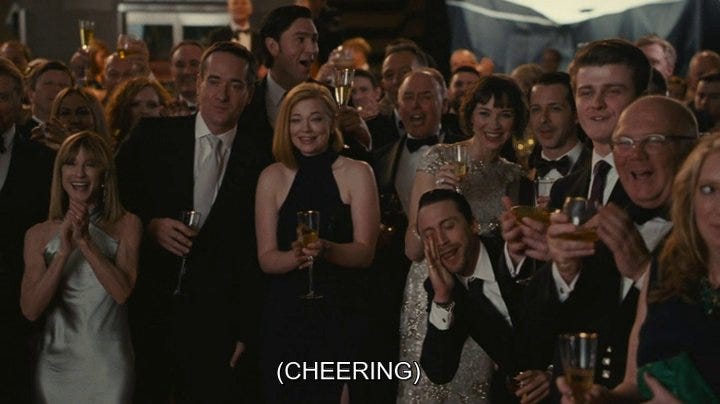
The acquisition of Activision Blizzard by Microsoft for $68.7 billion represents a significant turning point for the industry, offering a potential path toward organizational reform and creative revitalization.
- Microsoft’s acquisition of Activision Blizzard for $68.7 billion will result in the immediate departure of CEO Bobby Kotick and a significant restructuring of the company's leadership and corporate culture.
- The acquisition provides an opportunity to move away from the 'hit factory' model that prioritized annual Call of Duty releases, potentially allowing support studios like Raven and Toys for Bob to pursue more creative projects.
- Blizzard is expected to shift away from strict milestone-driven development toward more patient, quality-focused production methods, similar to its historical approach during the development of titles like Overwatch.
The Morning After
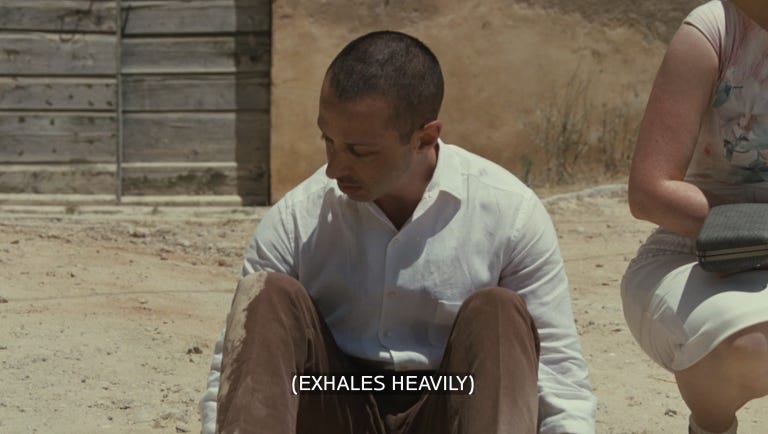
The January 2022 acquisition of Activision Blizzard by Microsoft for $68.7 billion represents a transformative moment in the gaming industry, signaling a shift toward extreme market consolidation.
- Microsoft announced the acquisition of Activision Blizzard for $68.7 billion, a deal that signals a massive shift in industry power and consolidation.
- The acquisition process is expected to take up to 18 months to finalize, with the consensus being that Activision CEO Bobby Kotick will depart once the deal closes.
- Microsoft’s move highlights a growing trend where traditional game publishers struggle to compete with the scale and resources of tech giants like Apple, Tencent, and Amazon.
Gigaton: Microsoft's Acquisition of Activision Blizzard
Microsoft’s $68.7 billion acquisition of Activision Blizzard represents a significant escalation in the ongoing trend of industry consolidation.
- Microsoft announced the acquisition of Activision Blizzard for $68.7 billion, a move that provides immediate access to a vast library of intellectual property and a significant foothold in the mobile gaming market via King.
- The acquisition allows Microsoft to integrate a deep back catalogue of dormant franchises—such as Tony Hawk’s Pro Skater, Spyro, and Project Gotham Racing—into its Game Pass subscription service.
- Activision Blizzard’s stock price had declined by over 30% in the 12 months leading up to the January 2022 announcement, likely influencing the timing of the deal.
Nothing for Money
The primary purpose of this analysis is to challenge the traditional view of video game reviews as consumer-focused buyer’s guides.
- The role of video game reviews has shifted from traditional buyer's guides to expert curation and analysis, remaining vital even as games become accessible via subscription services and free-to-play models.
- Ubisoft has entered the NFT market with the launch of its Quartz platform, facing significant public backlash despite the company's stated goal of energy-efficient implementation.
- Activision employees continue to hold walkouts in protest of recent layoffs within the Raven Software QA team.
Plus, Ça Change
The industry discourse surrounding Sony’s potential response to Microsoft’s Xbox Game Pass service centers on the feasibility of a direct competitive model.
- Sony is developing a three-tier subscription service, codenamed 'Spartacus,' to compete with Microsoft’s Xbox Game Pass.
- The proposed service structure includes a base tier equivalent to current PlayStation Plus, a second tier featuring PS4 and PS5 games, and a third tier adding cloud streaming and a library of classic titles.
- Sony is unlikely to adopt a 'day-one' release model for first-party games on the new service, as this would conflict with its current high-margin business model for premium titles.
Castles Made of Sand
The Sandbox, a blockchain-based game developed by Animoca Brands, serves as a case study for the speculative nature of the play-to-earn industry.
- The Sandbox, a blockchain-based game owned by Animoca Brands, launched its public alpha in November 2021 following a $93 million funding round led by SoftBank.
- Full access to the game's 'play-to-earn' features requires an Alpha Pass, which is restricted to a limited supply of 5,000 units obtainable through raffles for LAND owners or secondary market purchases.
- The cost of entry for the game's ecosystem is high, with LAND parcels on OpenSea priced at approximately 25 Ethereum (over $107,000) and Alpha Passes trading for around 0.25 Ethereum (£800) shortly after launch.