
Game Developers Conference
Game Developers Conference (GDC, now the GDC Festival of Gaming) is the professional event for the games industry. It publishes recorded talks and interviews, annual industry survey reports such as the State of the Game Industry, and news articles.
Documents
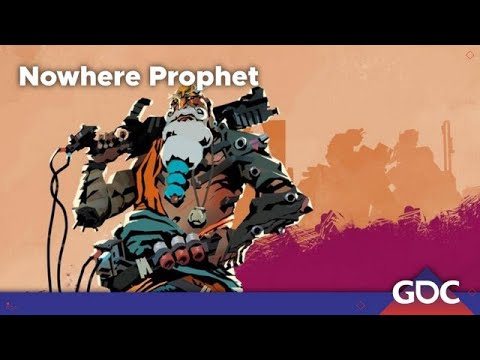
GDC plays Nowhere Prophet with Martin Nerurkar
Nowhere Prophet represents a strategic evolution in the deck-building genre, shifting the focus from competitive player-versus-player mechanics to a narrative-driven, single-player experience centered on convoy management.
- Developer Martin Nerurkar advises against solo development for large-scale projects, noting that the lack of internal checks and balances made the development of Nowhere Prophet an unsustainable and unhappy experience.
- The game's AI was optimized six to seven weeks prior to launch using a search algorithm that simulates multiple future move branches to evaluate and select the most effective strategic action.
- The visual aesthetic of Nowhere Prophet was heavily influenced by comic book art and graphic novels like Hellboy, specifically utilizing high-contrast black shadows and slim highlights rather than traditional 3D rendering.
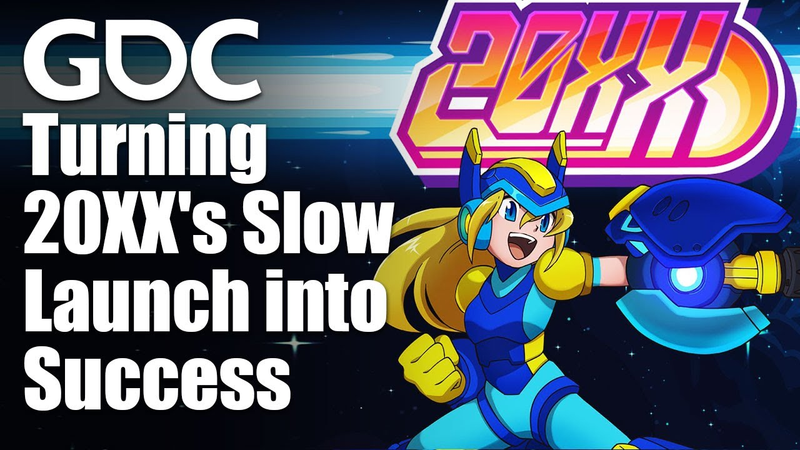
Thriving in Steam Early Access: Turning 20XX's Slow Launch into Success
Steam Early Access serves as a critical development phase that, when managed with intentionality, can transform a modest initial launch into a sustainable, high-retention product.
- Community engagement must be treated as a core development pillar, requiring approximately 20% of total production time to ensure long-term product success.
- Maintaining a rigid, predictable update schedule is essential for building the player trust necessary to sustain momentum during the iterative Early Access process.
- Developers should leverage public platforms like Discord and forums to crowdsource high-quality bug reports, effectively using the community as an extension of the internal quality assurance team.
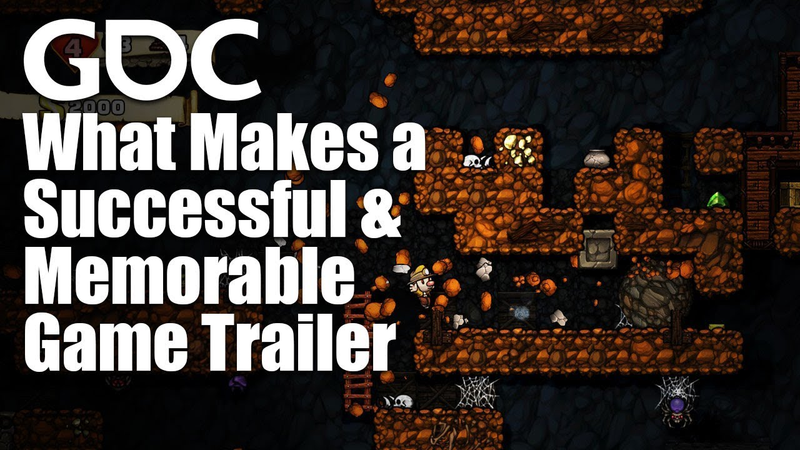
Trailer Made: What Makes a Successful and Memorable Game Trailer
Successful game trailers function as a cinematic language designed to teach, excite, and tease potential players rather than serving as a comprehensive list of features.
- Trailers must prioritize communicating the core gameplay loop and unique mechanical hooks immediately rather than providing a comprehensive list of features.
- Structure trailers like a tutorial by introducing simple concepts that escalate into complex possibilities to ensure audience retention of key mechanics.
- Avoid generic genre tropes and text-heavy descriptions in favor of a rhythmic, intensity-driven structure that begins with a high-impact cold open.

Everyone Watching This Is Fired: Tips for Game Industry Programmers
This presentation outlines a rigorous set of professional expectations for game industry programmers, arguing that technical proficiency is insufficient without a disciplined, analytical approach to problem-solving and team collaboration.
- Professional competence in game programming requires meeting a minimum threshold of 50 specific behavioral and technical criteria to avoid project delays and technical debt.
- Engineers must apply scientific rigor by clearly defining problems, establishing testable hypotheses, and identifying methods for falsification before beginning development.
- Effective programming requires a data-driven approach that prioritizes understanding hardware constraints, memory layouts, and actual data change frequencies over relying on abstractions.
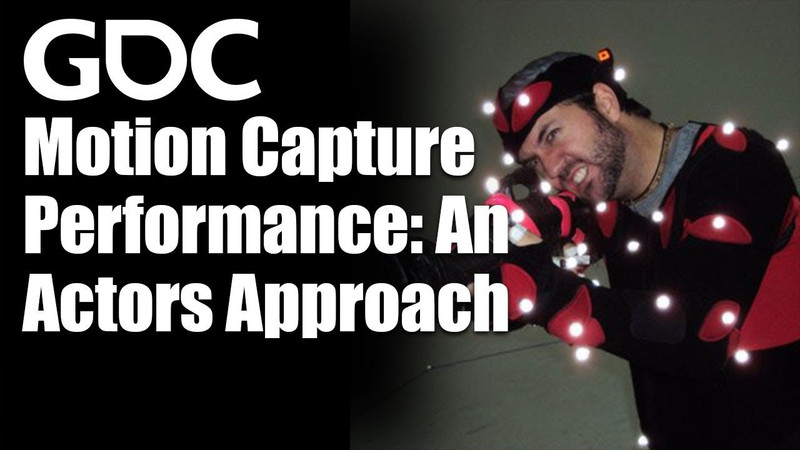
Motion Capture Performance: An Actor's Approach
This analysis examines the specialized techniques required for effective motion capture performance, emphasizing the necessity of treating the medium as a distinct acting discipline rather than a simple extension of film or stage work.
- Motion capture must be treated as a distinct acting discipline rather than a simple extension of film or stage work, requiring a structured, character-specific physical base.
- High-quality performance relies on maintaining a 'neutral body' state, where consistent skeletal alignment and a stable center of gravity prevent common issues like awkward turns or unnatural gaits.
- Successful character embodiment, whether human or non-human, is achieved by integrating vocal cues with personality-driven 'fidgets' to create a symbiotic loop between voice and body.
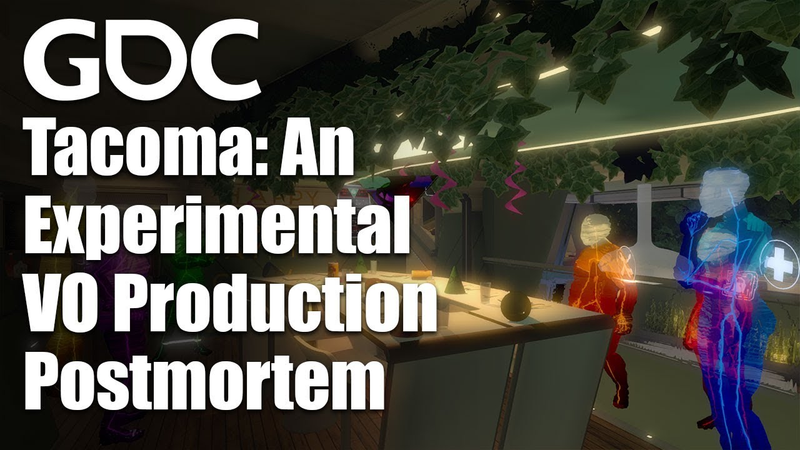
Tacoma: An Experimental VO Production Postmortem
The production of Tacoma serves as a case study in prioritizing naturalistic, ensemble-driven performances within the narrative exploration genre.
- The Tacoma production team achieved a 'sci-fi mumblecore' aesthetic by recording ensemble voice performances simultaneously, treating sessions like stage plays rather than traditional isolated voiceover work.
- Actors utilized physical props like dumbbells and playing cards, along with choreographed movements like leaning or jumping, to generate authentic physiological urgency and organic dialogue.
- To maintain narrative distinction, the AI character Odin and the protagonist were recorded in isolation, ensuring their performances remained disconnected from the ensemble dynamic.
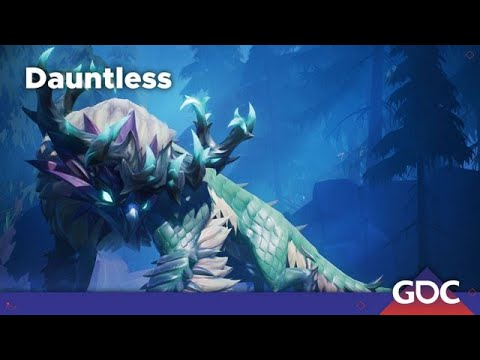
GDC Plays Dauntless with Phoenix Labs
Phoenix Labs designed Dauntless to bridge the gap between high-fidelity, skill-based action combat and accessible, cooperative social experiences.
- Phoenix Labs prioritized cross-platform play and progression across PC, PlayStation 4, and Xbox One as a core design pillar, requiring extensive collaboration with Epic Games and first-party platform holders to reconcile conflicting technical guidelines.
- The development team utilizes a 'vertical slice' approach to establish core gameplay loops—such as weapon loadouts and behemoth combat patterns—before scaling the project to include complex networking and cross-play infrastructure.
- Performance optimization for consoles is typically not front-loaded in the development cycle; instead, the team focuses on achieving a playable state before technical artists perform iterative optimizations to maintain frame rates.
Freelancing: How to Live the Dream and Avoid the Nightmare
Sustaining a career as a freelancer in the game industry requires a strategic balance between aggressive professional self-promotion and the rigorous maintenance of personal well-being.
- Long-term freelance viability depends on treating mental and physical health as a professional imperative rather than a luxury, as creative output is directly tied to the creator's state of mind.
- Freelancers must proactively manage their business by treating consistent networking and clear communication as essential, non-negotiable components of their daily workflow.
- To secure contracts, freelancers should curate diverse portfolios and obtain testimonials that specifically highlight their collaborative skills and reliability.
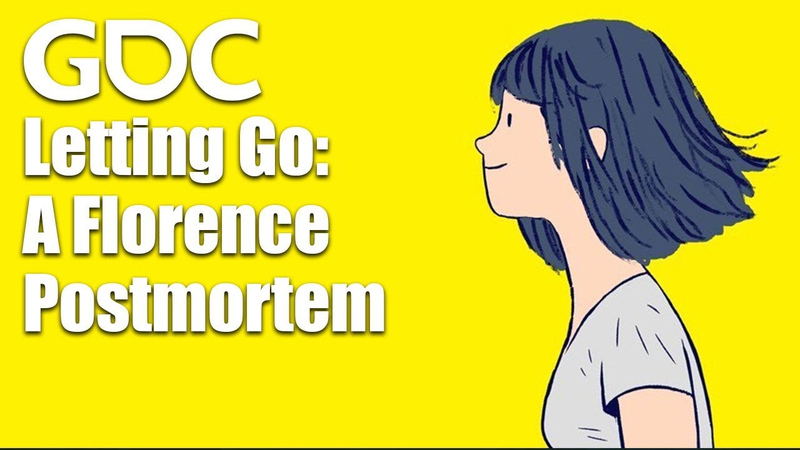
Letting Go: A Florence Postmortem
The development of the mobile title Florence represents a deliberate shift toward prioritizing emotional resonance and authentic character-driven storytelling over traditional gameplay mechanics.
- Florence achieved commercial success in the premium mobile market by prioritizing emotional resonance and character-driven storytelling over traditional gameplay mechanics.
- The game’s revenue was heavily concentrated on iOS, which accounted for 88 percent of total sales, with China serving as the primary market at over 40 percent of total revenue.
- The 22-month development cycle relied on a philosophy of rigorous iteration, which included discarding unsuccessful prototypes to maintain a concise, high-quality experience.
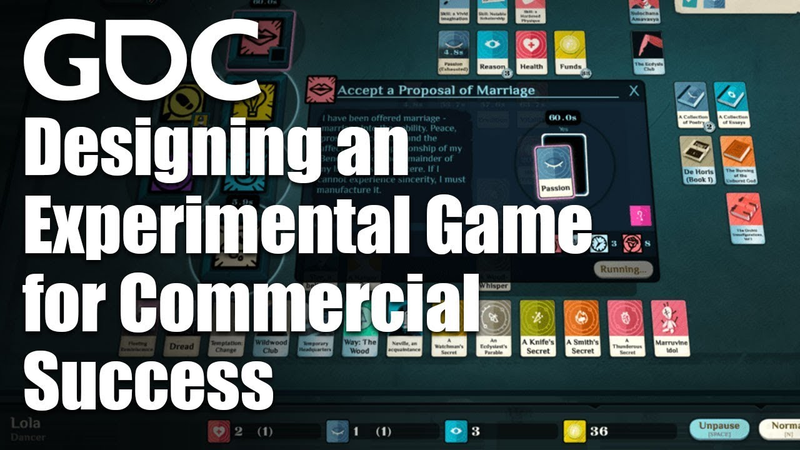
Cultist Simulator: Designing an Experimental Game for Commercial Success
Indie developers can achieve sustainable commercial success by embracing experimental design rather than attempting to compete with the production values of AAA studios.
- Indie developers can achieve commercial sustainability by prioritizing distinctive, experimental design over competing with the high production values of AAA studios.
- Projects like Cultist Simulator demonstrate that financial viability is achievable with lean development cycles of eleven months and budgets under $200,000.
- Leveraging apophenia—intentionally leaving gaps in narrative and mechanics—allows players to project their own meaning, which reduces development complexity while increasing engagement.
Level Design Workshop: Improving Tool Design Through Editor Triage
Effective tool and editor triage is essential for optimizing game development workflows, as high-quality tools can significantly amplify developer output while inefficient ones create costly bottlenecks.
- Hiring a dedicated tool designer is the most effective strategy to bridge the gap between disciplines, maintain UI consistency, and ensure tool development aligns with project goals.
- Tool triage must be customized to the specific organizational context, accounting for variables such as team size, geographic distribution, company culture, and existing production pipelines.
- Effective triage requires a systematic process for prioritizing feature requests and bug fixes to prevent limited programming resources from being wasted on low-impact tasks.
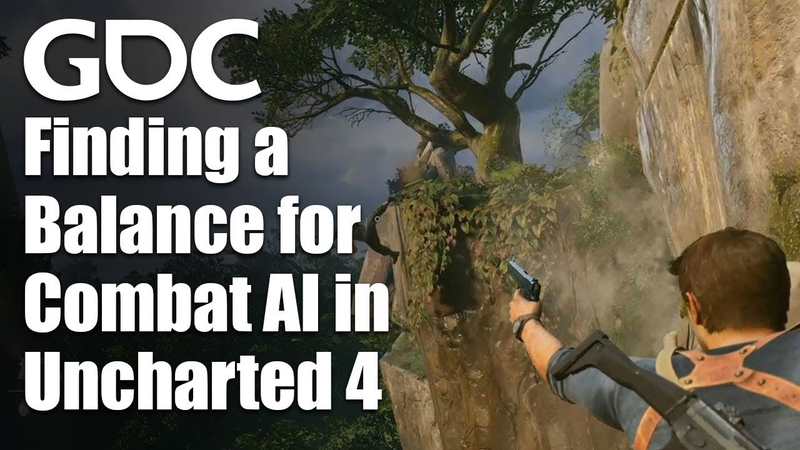
Authored vs. Systemic: Finding a Balance for Combat AI in Uncharted 4
The development of combat AI in Uncharted 4 represents a strategic shift toward a hybrid architecture that reconciles the rigidity of authored scripting with the flexibility of systemic design.
- Uncharted 4 transitioned to a hybrid AI architecture that blends rigid authored scripting with systemic design to accommodate larger, non-linear, and vertical environments.
- Purely systemic, automated AI was rejected because programmatic navigation and heat-based search behaviors failed to deliver the consistent, human-like performance required for the franchise.
- The development team implemented a 'Hard Points' system, where designer-placed objects provide dynamic anchor points for NPC navigation and positioning.