
Game Developers Conference
Game Developers Conference (GDC, now the GDC Festival of Gaming) is the professional event for the games industry. It publishes recorded talks and interviews, annual industry survey reports such as the State of the Game Industry, and news articles.
Documents
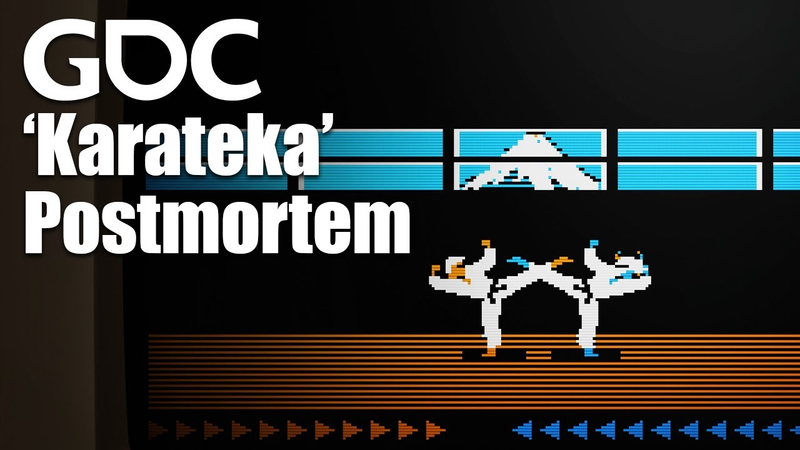
Classic Game Postmortem: 'Karateka'
The development of the 1984 title Karateka represents a pivotal moment in early home computer gaming, marking a transition from rudimentary arcade-style action to cinematic, narrative-driven experiences.
- Jordan Mechner developed the 1984 hit Karateka by combining the large sprite design of the game Swashbuckler with the smooth, fast animation style of Choplifter.
- To achieve fluid character movement on the Apple II, Mechner used a VersaWriter graphics tablet to rotoscope live-action film frames, tracing them manually into the computer.
- Mechner implemented a cinematic 'leitmotif' musical approach, where his father composed distinct themes for the hero and villain to help tell the story through limited audio channels.
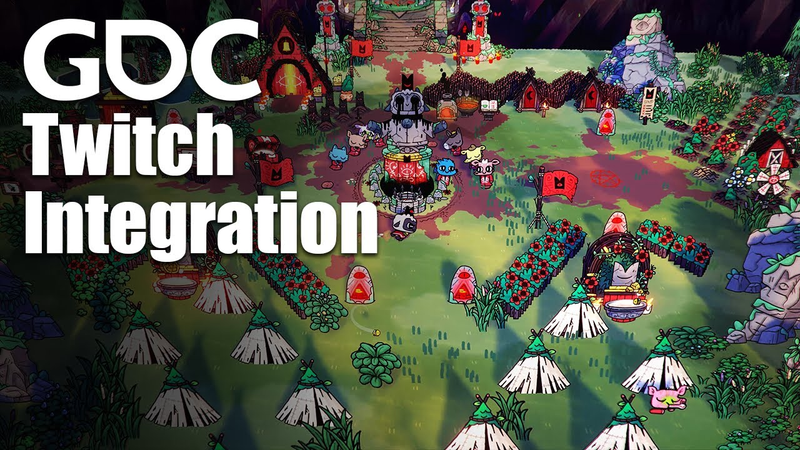
Cult of the Twitch: How 'Cult of the Lamb' Used Twitch Integration to Reach a Massive Audience
Cult of the Lamb serves as a definitive case study in leveraging Twitch integration to transform passive viewership into a collaborative, high-engagement experience.
- Cult of the Lamb’s Twitch integration drove significant engagement, resulting in 14 million unique interactors and over 400,000 viewer-created followers within the first month of launch.
- The integration helped sustain game viewership long after the initial launch hype, with approximately 90% of streamers continuing to utilize the Twitch features.
- Development of the integration was split into two phases: three months for the back-end infrastructure and one month for the in-game implementation, which was completed in parallel with console certification.
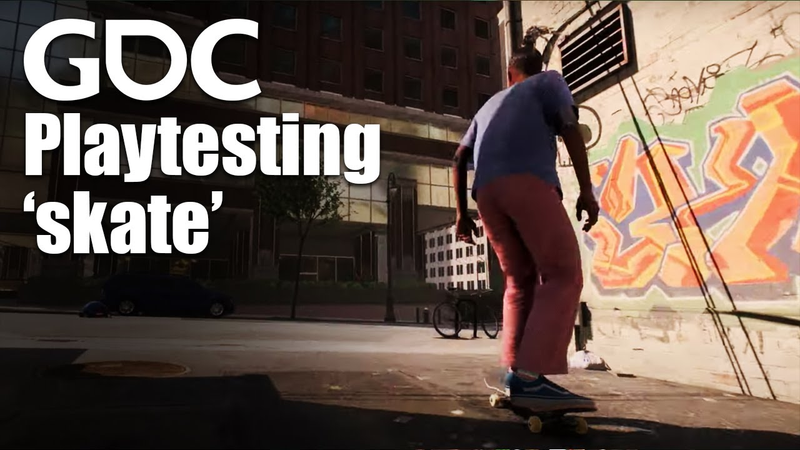
Step Into Your Player's Shoes: Making the Most of Team Playtests on 'skate'
The Focus Team Playtesting framework serves as a strategic methodology for mitigating developer bias and the inherent curse of knowledge during the production of Skate.
- Internal team playtesting is a valuable tool for rapid iteration and low-cost feedback, but it does not replace external user testing with the target audience.
- Full Circle (an Electronic Arts studio) utilizes 'focused' team playtests to increase UX awareness and empathy by assigning team members specific player personas, motivations, or pain points to test against.
- To maintain high-quality feedback, teams must minimize friction and cognitive load, as increasing the complexity of tasks or questions during internal tests consistently leads to a decrease in feedback quality.
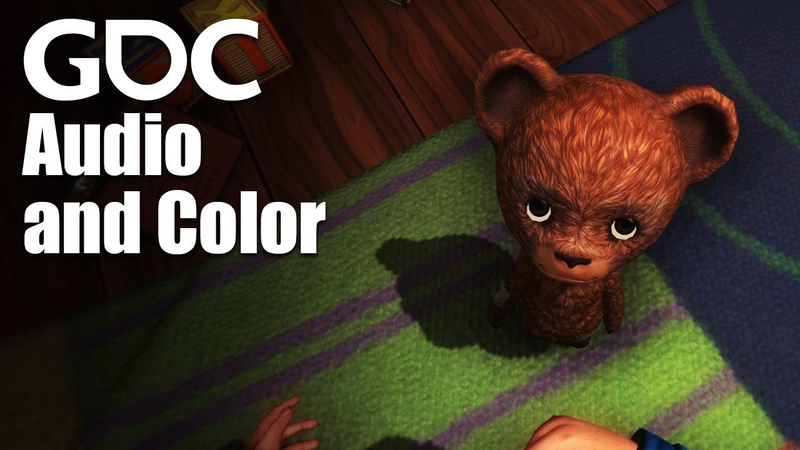
How to Make Things "POP" with Audio and Color
Establishing a distinct and recognizable game identity requires a unified approach where audio and visual design function as a single, cohesive language.
- Establish a unified game identity by treating audio and visual design as a single, cohesive language rather than separate disciplines.
- Initiate cross-disciplinary collaboration between art and audio teams at the very beginning of the development cycle to prevent asset fragmentation.
- Align thematic palettes and shared creative constraints early to ensure the game stands out in a saturated market.
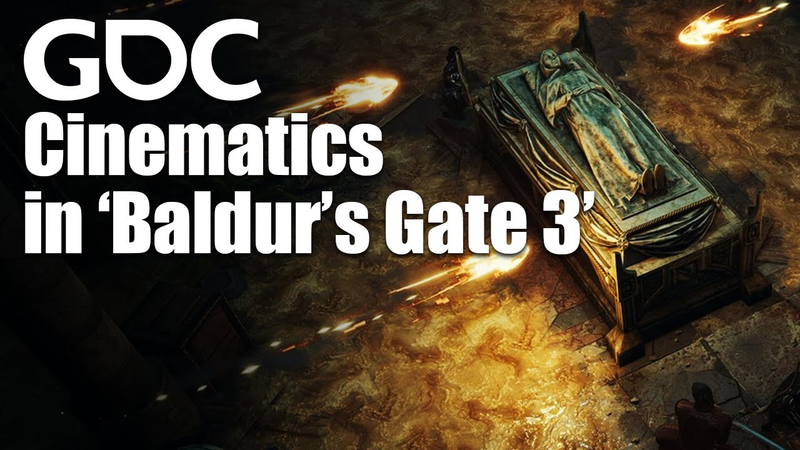
Larian Cinematics: A Top-Down Look at Our Bottom-Up Approach in 'Baldur's Gate 3'
The production of cinematics for Baldur’s Gate 3 represents a fundamental shift in RPG development, moving away from brittle, bespoke animation pipelines toward a flexible, template-based system.
- Larian Studios utilized 'inherited authorship' through scene templates, allowing cinematic artists to standardize camera setups and height variations, which ensured changes could be rippled across the entire game without breaking sequences.
- To manage the unpredictable nature of AI-driven NPC movement, the team implemented 'cinematic dummies'—timeline entities that replicated in-game counterparts while hiding the actual AI-controlled characters to maintain visual consistency.
- The cinematic team categorized their workflow into five pillars of expertise—analysis, ideation, strategy, execution, and revision—to transform the team identity from 'timeline jockeys' into developers who actively inform production processes.

We Need to Talk About Games Leadership
The global games industry faces a critical inflection point regarding its management practices, necessitating a transition from unsustainable, high-pressure environments to regenerative leadership models.
- The games industry must transition from high-pressure, fear-based management to regenerative leadership models to combat systemic burnout and high attrition rates.
- Research involving over 90 developers across 75 studios indicates that effective leadership relies on disciplined emotional intelligence and self-awareness rather than the pursuit of perfection.
- Leaders must actively mitigate the 'power paradox'—where increased influence erodes empathy—by fostering psychological safety and transparent communication.
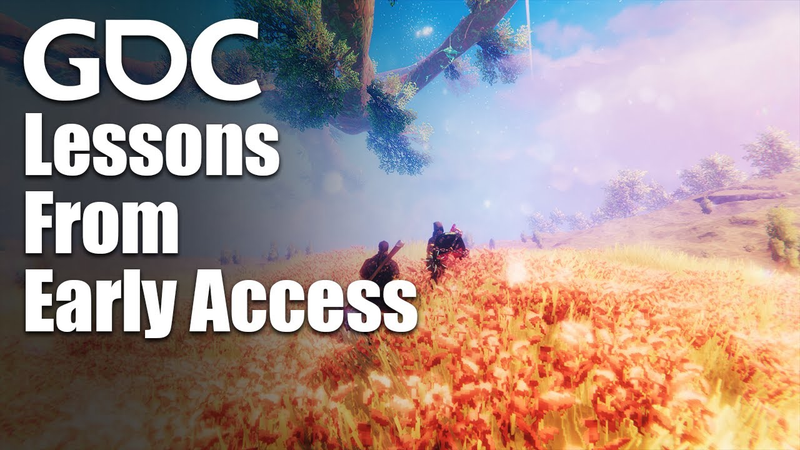
'Valheim': Vikings, Roadmaps & Buying a Horse During Early Access
Valheim represents a case study in the strategic application of Early Access, demonstrating how a lean, 13-person development team can achieve global commercial success by prioritizing core gameplay pillars over aggressive monetization.
- Early Access is a double-edged sword that requires a highly polished initial release, as developers only get one chance to make a first impression and must accept that the game effectively becomes the players' property upon purchase.
- Prioritizing accessibility for a debut title—such as maintaining a small download size (approximately 1GB at launch) and aggressive, player-friendly pricing—can be more effective for building word-of-mouth than higher price points.
- Maintaining feature parity across platforms, such as PC and Xbox, creates significant development overhead and requires careful synchronization of branches to support cross-platform multiplayer.
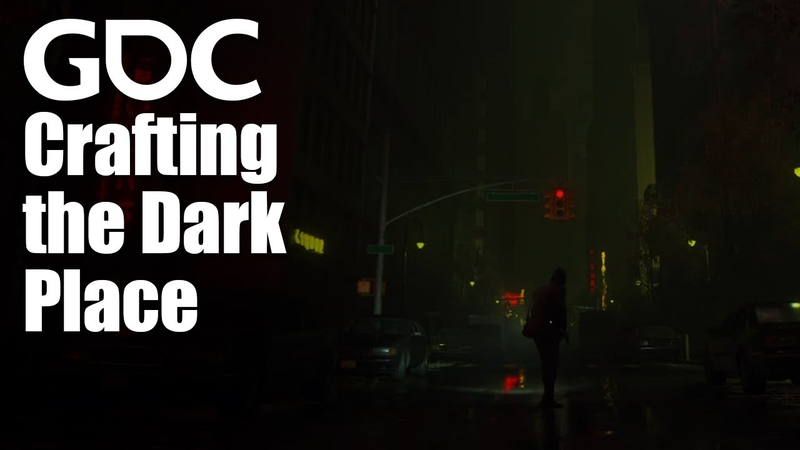
The Dark Place of 'Alan Wake 2': Crafting an Evolving Nightmare Dimension
The Dark Place in Alan Wake 2 functions as a subjective, looping mental construct that mirrors the protagonist’s fractured psyche.
- Remedy Entertainment utilized a 'stage gate' process to define strategic goals and manage the production pipeline for The Dark Place, ensuring narrative and gameplay integration through iterative prototyping.
- To maintain a realistic horror atmosphere, the team strictly avoided scaling assets, leading to the removal of fire escapes due to navigation, collision, and camera issues that could not be resolved without distorting scale.
- The team implemented seamless teleportation systems to create impossible, looping architectural spaces, allowing the game to transition between small exterior buildings and significantly larger underground interior layouts.
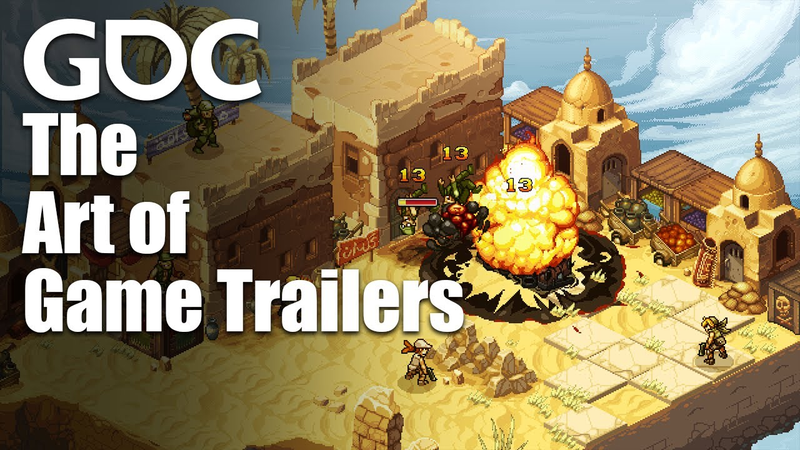
All Game Trailers Are Not Created Equal
Game trailers serve as critical marketing instruments that require tailored strategies based on their specific purpose, platform, and audience.
- AAA trailers function as technical showcases for console hardware and often utilize cinematic structures, whereas indie trailers must prioritize immediate gameplay loops, art direction, and world-building to differentiate themselves in a competitive market.
- Animated trailers carry significant financial risk, costing between $1,000 and $4,000 per second, and can create player backlash if the animation style creates a misleading expectation of the game's actual art direction.
- Always create a rough cut of a trailer using your own voiceover before hiring a professional, as this process effectively identifies pacing, script, and footage issues before incurring expensive recording costs.
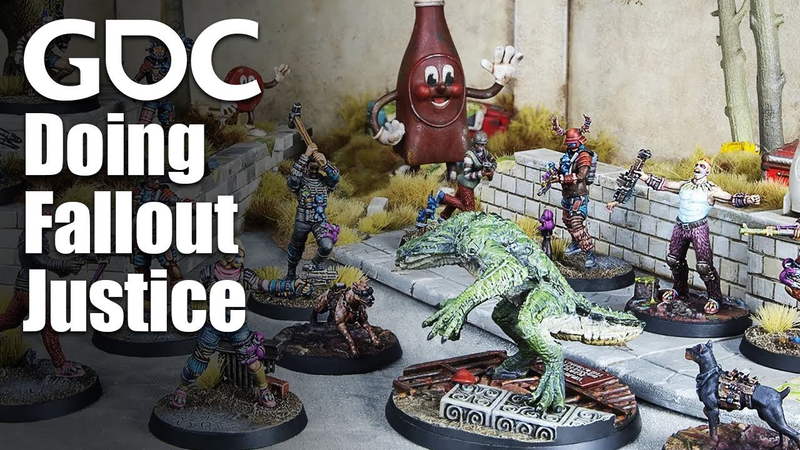
Making 'Fallout' for Tabletop (or How to Be Different but the Same)
Adapting the Fallout video game franchise into the tabletop miniatures game Fallout: Wasteland Warfare requires a delicate balance between honoring established lore and creating a functional, tactical skirmish experience.
- To adapt a video game into a tabletop experience, designers must rescale numerical data rather than porting it directly, as video game values are rarely balanced for physical play mechanics.
- The game utilized a 20-sided die system to ensure that low skill values remained viable, providing a 25% success rate for a skill value of one, while maintaining a non-guaranteed success ceiling for high-skill characters.
- To avoid the 'negative spiral' where winners become exponentially stronger, the settlement system rewards players with structural upgrades that provide tactical options without increasing the point-value of their units in future matches.

Age-Friendly Design for the 50-Plus Gamer
The video game industry faces a significant opportunity to engage the 52 million players in the United States aged 50 and older, a demographic that remains largely underserved and misrepresented.
- The 50-plus demographic includes 52 million players in the United States, with the 26% of this group categorized as enthusiasts and immersives accounting for 45% of total spending.
- Older gamers prioritize mental stimulation, social connection, and meaningful challenges over simplified content, requiring gameplay that respects their cognitive abilities.
- Developers should move away from narrow, stereotypical character tropes and adopt authentic, diverse depictions of aging to better align with the expectations of this underserved audience.
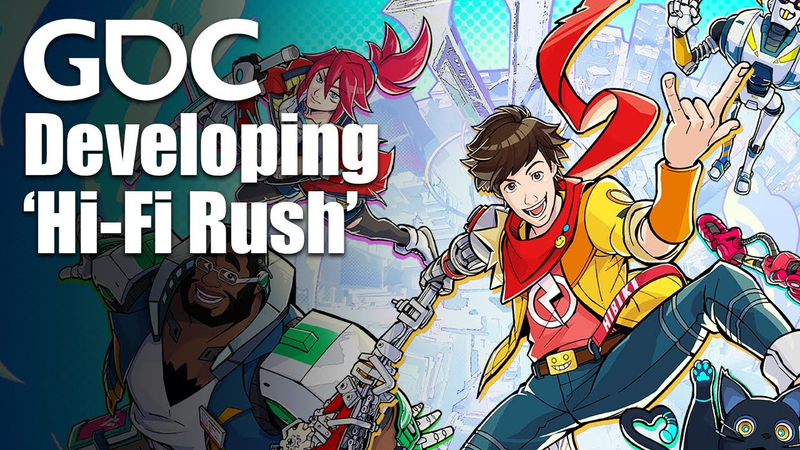
Developing 'Hi-Fi RUSH' Backwards and Finding Our Positive Gameplay Loop
The development of Hi-Fi RUSH represents a strategic departure from traditional horror-centric game design, focusing instead on a rhythm-action framework that synchronizes player inputs with a musical score.
- To maintain player immersion, the development team designed the game's rhythm-action mechanics by working backwards from the desired musical impact, ensuring that gameplay features were built to lead into specific beats rather than trying to force music to fit existing gameplay.
- The team implemented a 'positive feedback loop' where players are rewarded for playing in rhythm through subtle damage bonuses and audio-visual cues, while avoiding negative reinforcement or penalties for off-beat play to keep the experience accessible.
- Level design was structured around song composition, using 'mood graphs' and song structures—such as using choruses for combat and verses for platforming—to define pacing and event timing before physical level layout began.