
Breda University of Applied Sciences
Dutch university of applied sciences in Breda with a large games programme (Academy for AI, Games & Media). Its research portal publishes open papers and reports on game design, serious games and the games industry.
Documents
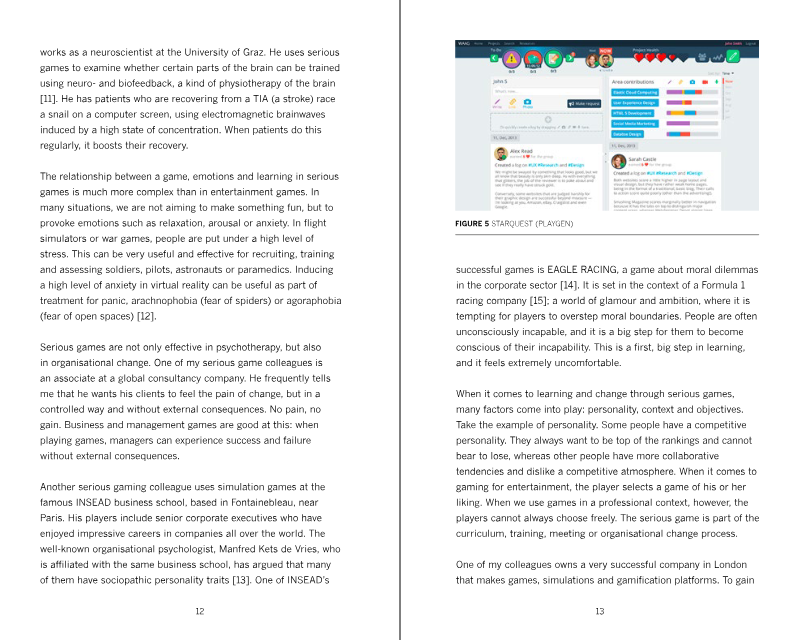
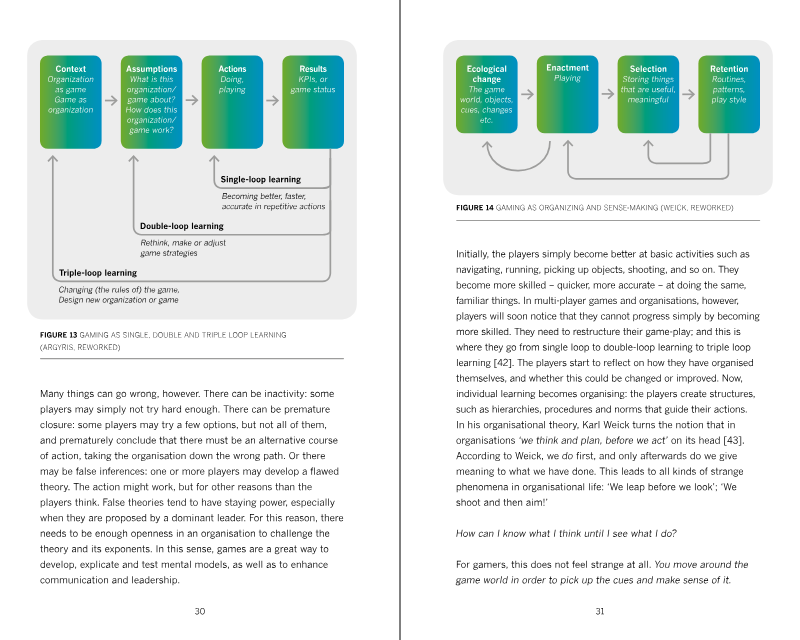
Playful Organisations & Learning Systems
Playful Organisations & Learning Systems, based on Igor Mayer's work at NHTV's Centre for Games & Digital Media, argues that games shape society culturally, economically and technologically, and that organisations and complex systems can be made more effective by deliberately incorporating playful design.
- Games are argued to shape society culturally, economically and technologically, and playful design can make organisations and complex systems more effective, with the author treating entertainment and serious games as not sharply separable.
- The work separates intrinsic value (enjoyment, flow) from extrinsic value (learning, therapy, training, organisational change), and treats terms like 'serious games,' 'applied games' and 'gamification' as definitional choices rather than settled distinctions.
- Evidence is promising but uneven: a study found competition in gamified platforms modestly improved team performance with effects varying by personality, and in the TEAMUP serious game avoidable mistakes correlated strongly with team cohesion while completion time did not.
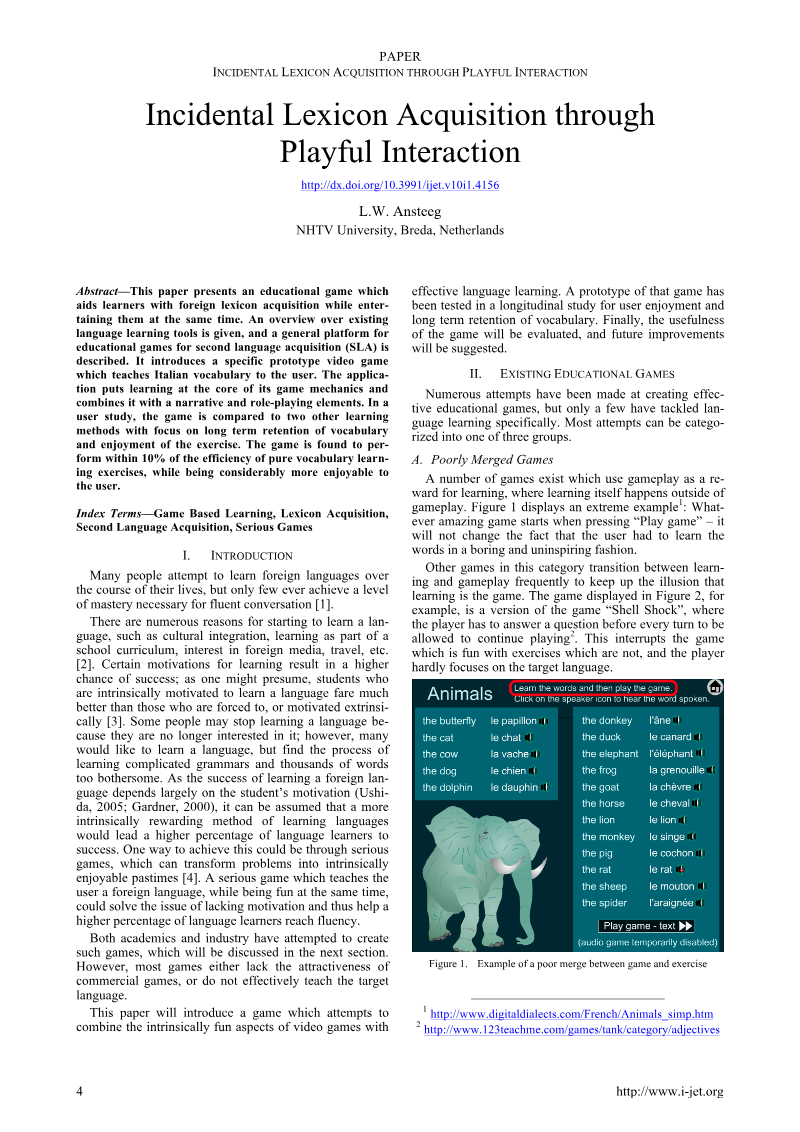
Incidental Lexicon Acquisition Through Playful Interaction
This paper presents a prototype video game designed to teach Italian vocabulary while keeping players entertained, grounding its design in the premise that intrinsically enjoyable learning can help more language learners reach fluency.
- A prototype Italian-vocabulary video game, where learning is the core gameplay rather than an add-on, achieved long-term word retention of 6.08 words after two weeks, within roughly 10% of flash cards (6.25) and Memrise (6.58) in a study of 12 Dutch students with no prior Italian.
- Participants rated the game's enjoyment at 6.92 on a 0–8 Likert scale, versus 4.42 for flash cards and 4.55 for Memrise, and the game was the most frequently preferred method in both weeks of the three-week study.
- The author identifies three flawed approaches to educational games: poorly merged games that separate learning from play, games that interrupt gameplay with exercises, and gamified products that add points and badges to tedious processes.
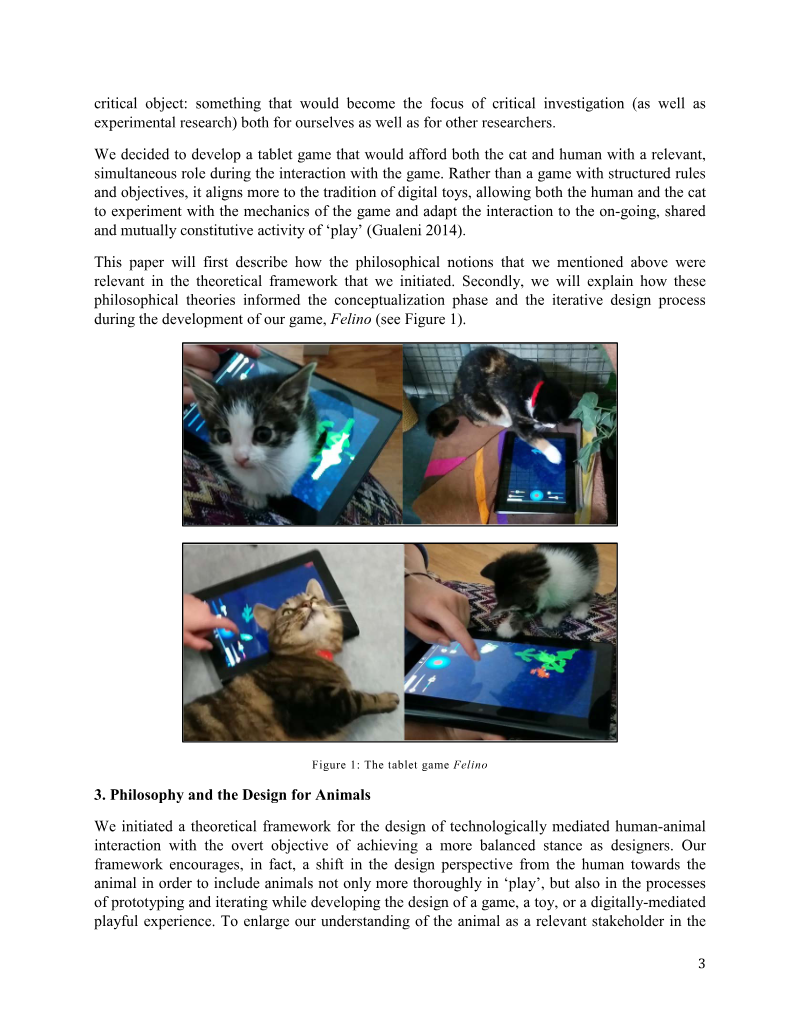
Felino: The Philosophical Practice of Making an Interspecies Videogame
"Felino: The Philosophical Practice of Making an Interspecies Videogame" presents the design of a tablet game intended for simultaneous play between humans and domestic cats, arguing that interspecies design should treat the animal's reactions and preferences as central rather than peripheral.
- Felino is a tablet game designed for simultaneous play between humans and domestic cats, arguing that interspecies design should centre the animal's reactions and preferences rather than treating them as peripheral.
- The authors contend that games are conventionally designed only for humans, and that a more ethical and effective approach starts from shared, pre-cultural physical play and shifts perspective from human-centred anthropomorphism toward the animal's own point of view.
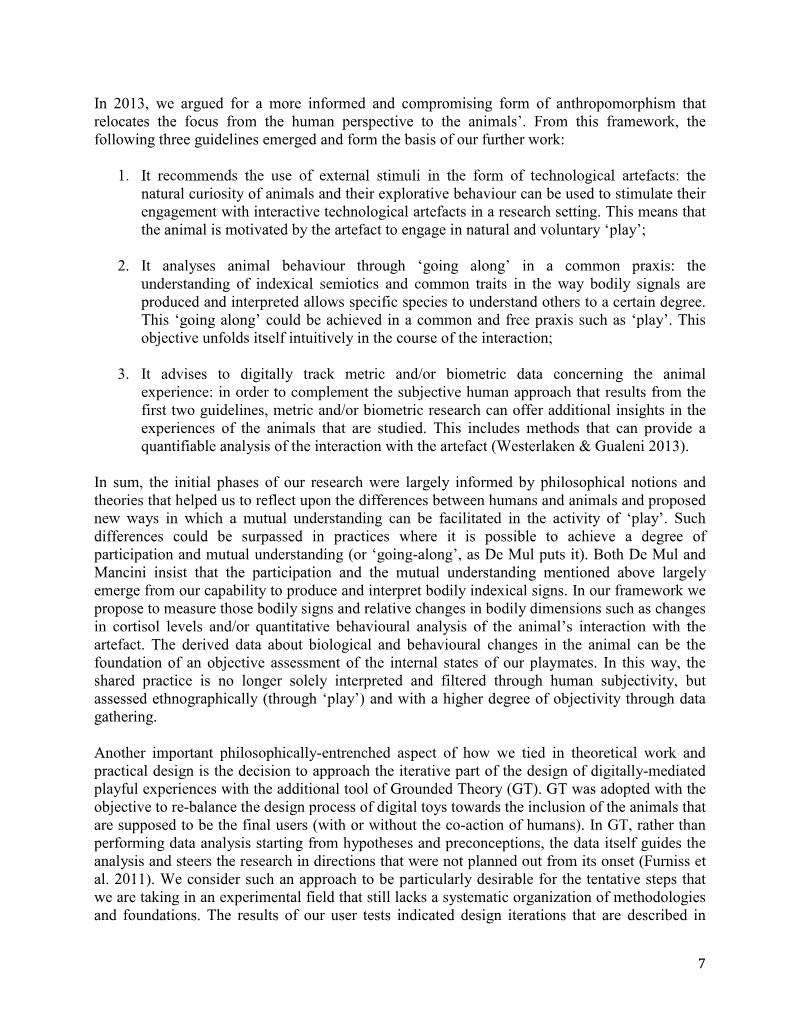
- The work distils three guidelines: use animal curiosity to motivate voluntary engagement, analyse interaction through shared play, and supplement observation with metric and biometric measures such as cortisol levels.
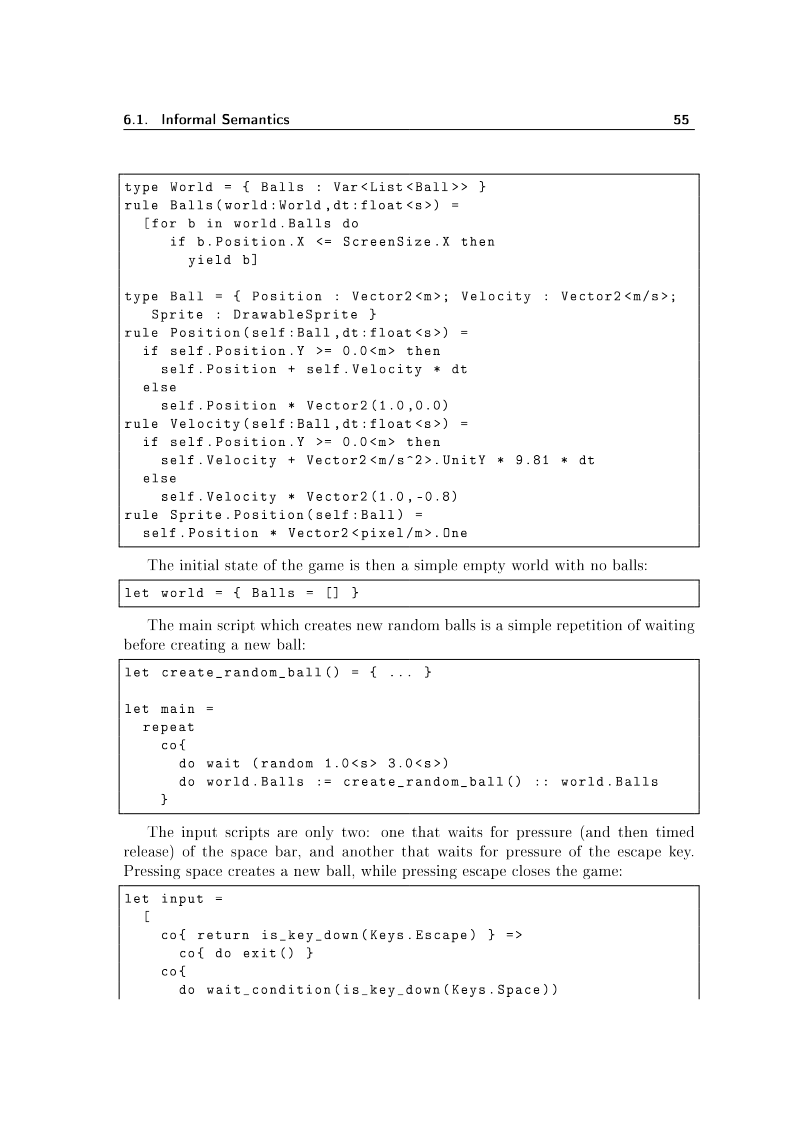

Casanova: A Language for Game Development
Giuseppe Maggiore's 2012 PhD thesis, produced at the Università Ca' Foscari di Venezia, argues that game development has become prohibitively costly and technically demanding for small teams, and that a purpose-built programming language can lower those barriers.
- Giuseppe Maggiore's 2012 PhD thesis from Università Ca' Foscari di Venezia argues that game development has become prohibitively costly for small teams and that a purpose-built language can lower those barriers.
- Casanova is a functional, F#-based language built around a rules-script-draw pattern and targeted at indie, research, and serious games rather than AAA titles.
- The thesis critiques mainstream engines such as Unity, Game Maker, and XNA as limited in generality or expressive power.