Investment reports and market data
Documents

Investing in gaming - Web3 perspective - Zamin Jaleel, Gaming investor, KubeVC
The gaming industry represents a highly resilient sector with significant long-term growth potential, currently serving over three billion users globally.
- The gaming industry is a resilient, high-growth sector with a global user base exceeding three billion people.
- Institutional investors are shifting focus toward early-stage gaming opportunities to secure more reasonable valuations and support the development of sustainable, high-quality products.
- The primary investment thesis centers on the convergence of traditional gaming mechanics with blockchain-enabled digital ownership, transforming ephemeral assets into tradeable collectibles.
What If? Game Company M&A Scenarios | Pixels & Profits #5
The current landscape of game industry mergers and acquisitions is defined by a cautious evaluation of high-profile targets and the lingering influence of regulatory scrutiny following the Microsoft-Activision deal.
- Large-cap technology firms remain the primary viable suitors for major publishers, as media conglomerates have proven unable to effectively manage the complexities of game development.
- Take-Two Interactive is considered a highly attractive, cash-generative acquisition target due to its high-value intellectual property and the anticipated commercial impact of the next Grand Theft Auto release.
- Ubisoft’s potential for acquisition is severely hampered by bureaucratic inefficiencies, poor revenue-per-employee metrics, and a restrictive ownership structure involving the Guillemot family and Tencent.

How a Master Investor Breaks the Rules & Gamifies Life
Integrating game design principles into professional and personal life serves as a powerful mechanism for enhancing decision-making, reducing procrastination, and mitigating decision fatigue.
- Long-term investment success is best achieved by holding transformative, high-quality companies for decades, as the potential for unlimited gains from a single mega-winner outweighs the capped risk of individual asset losses.
- Investors should prioritize companies that practice conscious capitalism—balancing ethical stakeholder management, employee well-being, and customer satisfaction—as these firms consistently outperform those focused solely on short-term transactional gains.
- The gaming industry has shifted from a disruptive, rule-breaking sector to a mature, institutionalized landscape, requiring investors to view technological and design advancements as long-term progressions rather than isolated product releases.

2023 Half-year Review
The gaming industry in the first half of 2023 is defined by a strategic pivot toward operational austerity and the dominance of established franchises.
- The gaming industry is shifting toward operational austerity and budget discipline, moving away from the rapid, unsustainable growth models of previous years.
- Market demand is currently dominated by established franchises, with players favoring high-quality iterations of known intellectual properties like Street Fighter 6, The Legend of Zelda: Tears of the Kingdom, and Call of Duty: Modern Warfare 2 over experimental titles.
- Artificial intelligence is currently utilized only for incremental production efficiency rather than transformative gameplay innovation, reflecting a broader industry skepticism toward AI hype.
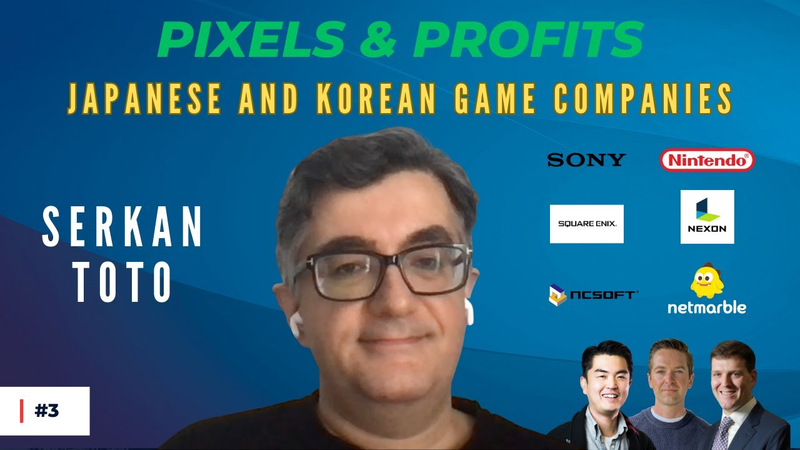
Serkan Toto on Top Japanese and Korean Video Game Companies | Pixels & Profits #3
The Japanese and Korean video game industries represent a complex landscape defined by distinct regional preferences and divergent strategic responses to global market trends.
- Sony has dominated the console market over Microsoft, evidenced by the PlayStation 4 generation selling over 120 million units compared to Microsoft's decision to stop reporting hardware sales in 2015.
- Nintendo remains committed to portable hardware because the brand is inextricably linked to the Pokemon franchise, which has been synonymous with handheld gaming since 1996.
- Square Enix underwent a leadership change following the controversial divestment of several studios to Embracer Group, a move criticized for its low valuation and rapid execution.

Lessons Learned: Gaming Startups & New Global Risks
The mobile gaming industry has undergone a fundamental transformation, rendering the traditional model of building a high-quality product and scaling it through standard user acquisition obsolete.
- The traditional mobile gaming model of high-quality product development followed by standard user acquisition is obsolete due to the deprecation of IDFA and shifting macroeconomic conditions.
- Success now requires a dual-competency approach that integrates product development with sophisticated performance marketing and community growth strategies.
- Founders often fail by prioritizing analysis paralysis and minor metric optimization over addressing fundamental flaws in core gameplay and broad market appeal.

Embracer Restructuring / Apple’s AR / Not-E3 Week
The gaming industry is currently undergoing a structural transition characterized by a move away from aggressive, acquisition-led growth toward fiscal discipline and a focus on established intellectual property.
- The gaming industry is shifting from aggressive, acquisition-led growth to fiscal discipline, as evidenced by Embracer Group’s transition from a decentralized roll-up strategy to a centralized model to address debt and operational inefficiencies.
- Rising interest rates and higher capital hurdle rates have forced developers to abandon high-volume, 'shots on goal' development strategies in favor of sustainable production and the cultivation of established mega-franchises.
- Launching unproven intellectual property has become increasingly risky due to heightened competition for consumer attention across the broader entertainment spectrum and rising costs for user acquisition.

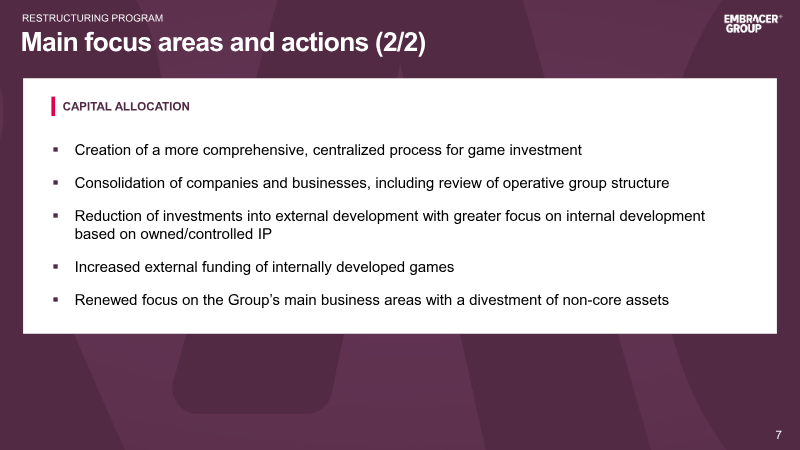

Restructuring Program: Embracer Group
Embracer Group has initiated a comprehensive restructuring program for the 2023/2024 fiscal year, aimed at enhancing operational efficiency, increasing cash conversion, and reducing capital expenditure.
- Embracer Group aims to reduce net debt to below SEK 10 billion by the end of the 2023/2024 fiscal year through a comprehensive restructuring program.
- The company plans to cut annual capital expenditure by at least SEK 2.9 billion by fiscal year 2024/2025.
- Overhead costs are targeted for a reduction of at least SEK 0.8 billion, representing a 10% decrease from Q4 2022/2023 levels.

Our Most Anticipated Web3 Games
The professional landscape within the gaming industry is undergoing a significant transformation, driven by a shift away from traditional credentials toward public proof of work and niche expertise.
- Web3 gaming development is shifting away from speculative financial mechanics toward high-quality, playable experiences that integrate blockchain technology unobtrusively.
- Industry leaders are prioritizing long-term sustainability and multi-disciplinary team building over short-term gains, moving toward a 'play-fi' model that separates core game loops from monetary incentives.
- Ember Sword, Shrapnel, and the upcoming blockchain title from CCP Games are the primary projects leading the industry's ambition to create immersive, autonomous worlds.
Building an RPG for Web3 With Azra Games
Azra Games is pioneering a new approach to the role-playing game genre by integrating digital ownership into high-quality, intrinsically rewarding experiences.
- Azra Games is developing 'Legions and Legends' with $25 million in funding, focusing on high-quality RPG gameplay to bridge the gap between traditional gamers and crypto-native participants.
- The studio utilizes AI-driven production workflows to reduce development costs by over 50% while maintaining a local-first office culture.
- To mitigate the 'Time Value Paradox,' the studio employs a dual-funnel system that separates traditional players seeking intrinsic satisfaction from crypto-native speculators interacting with utility tokens.

Can Esport Leagues Be Profitable?
Esports organizations are currently undergoing a critical transition from volatile, passion-driven entities into professionalized, data-centric businesses.
- Esports organizations must pivot from a reliance on media rights to diversified revenue streams, including strategic sponsorships, co-developed consumer products, and formal revenue-sharing agreements with game publishers.
- The industry is addressing a sustainability crisis where talent acquisition costs exceed revenue by adopting a 'Moneyball' strategy that prioritizes developing rookie talent over signing expensive, established stars.
- Long-term profitability is hindered by a lack of ownership over game titles, as publishers retain control over rules and intellectual property, forcing organizations to build brand loyalty independent of specific games.
Impacto de la aplicación de sistemas de incentivos fiscales en la industria de videojuegos: España
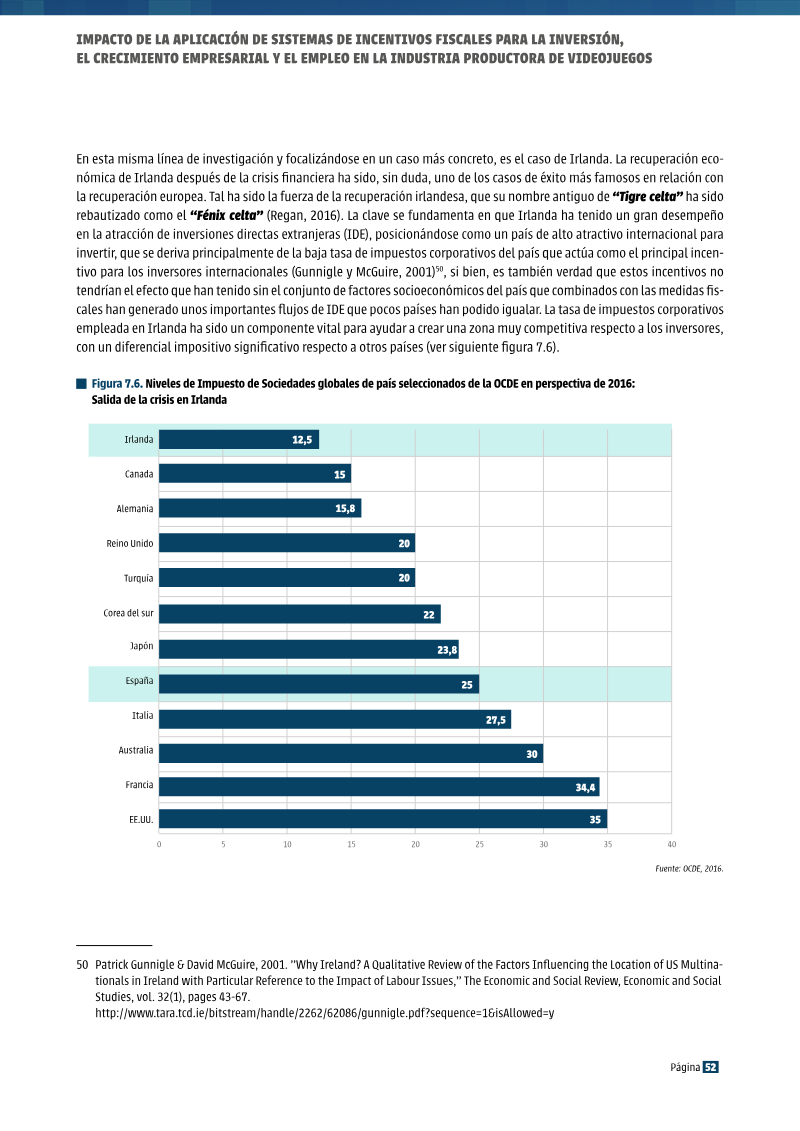
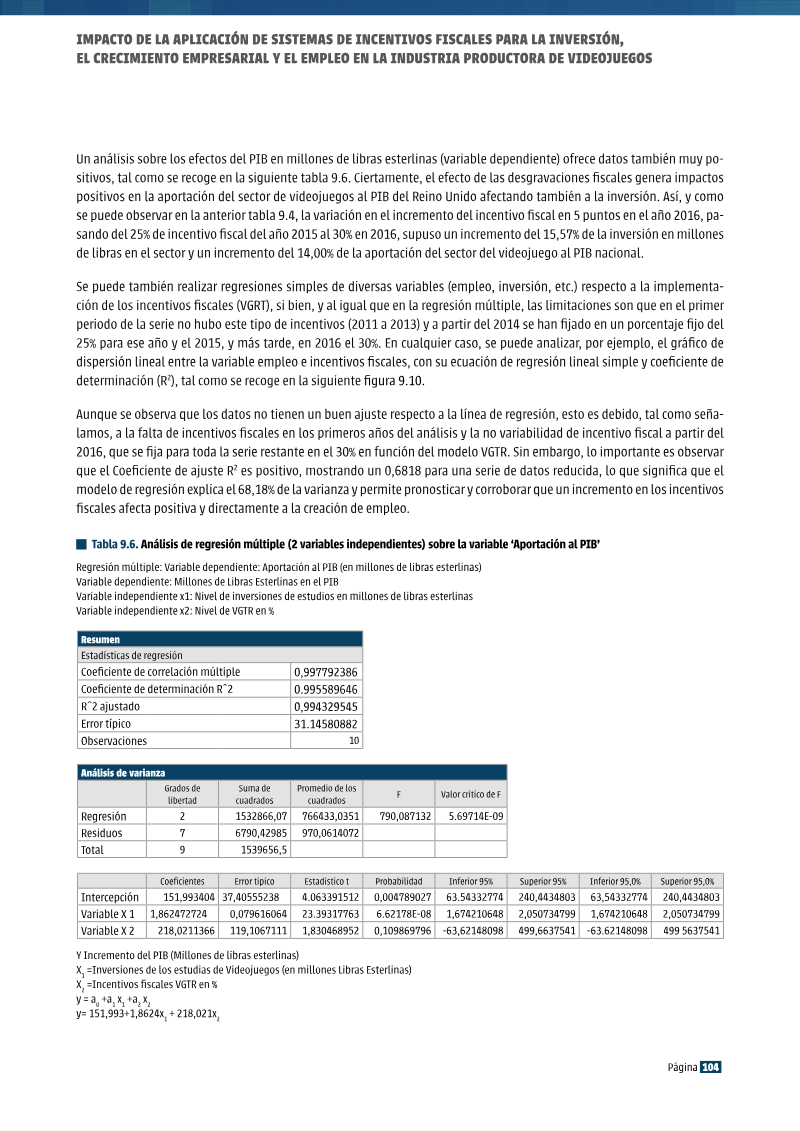
The analysis evaluates how a targeted fiscal-incentive regime would reshape Spain’s video-game industry, arguing that a 20% corporate-tax credit for developers could expand sector turnover from €1.435 billion in 2022 to roughly €5.5 billion by 2028—a compound annual growth rate of about 27%—and raise full-time employment from…
- Implementing a 20% corporate tax credit for developers is projected to grow Spain’s video game sector turnover from €1.435 billion in 2022 to €5.5 billion by 2028, representing a 27% compound annual growth rate.
- The proposed fiscal incentives are expected to increase full-time employment in the industry from under 10,000 jobs to more than 23,000 by 2030.
- The tax regime is forecast to be net-positive for the Treasury, generating €1.9 billion in direct contributions plus an additional €1.0 billion through reinvestment and consumer spending.