Mobile
Report
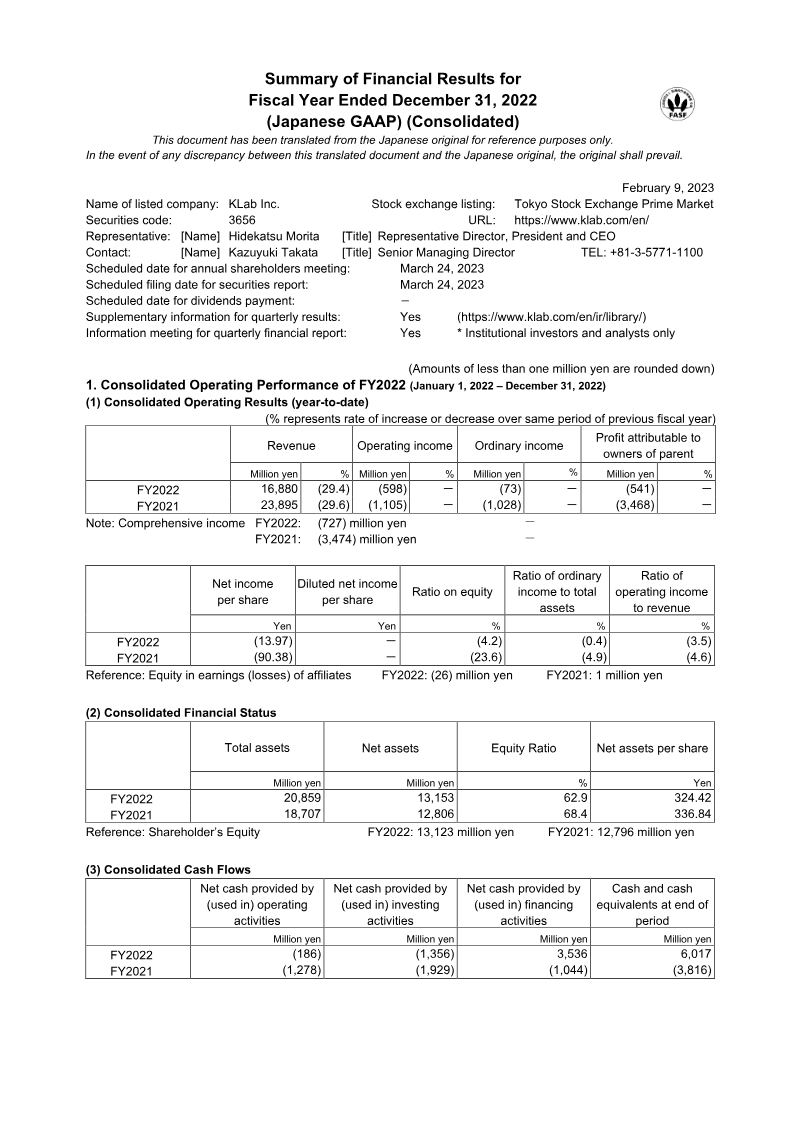
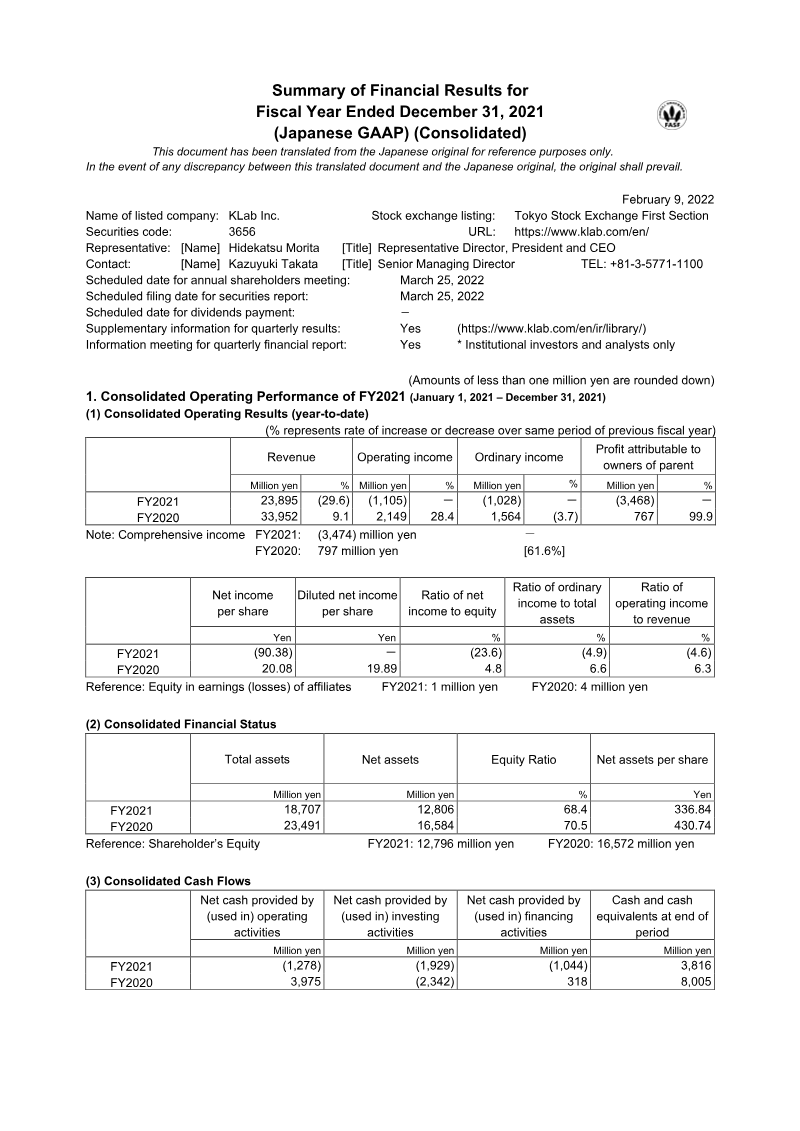
Summary of Financial Results for Fiscal Year Ended December 31, 2021
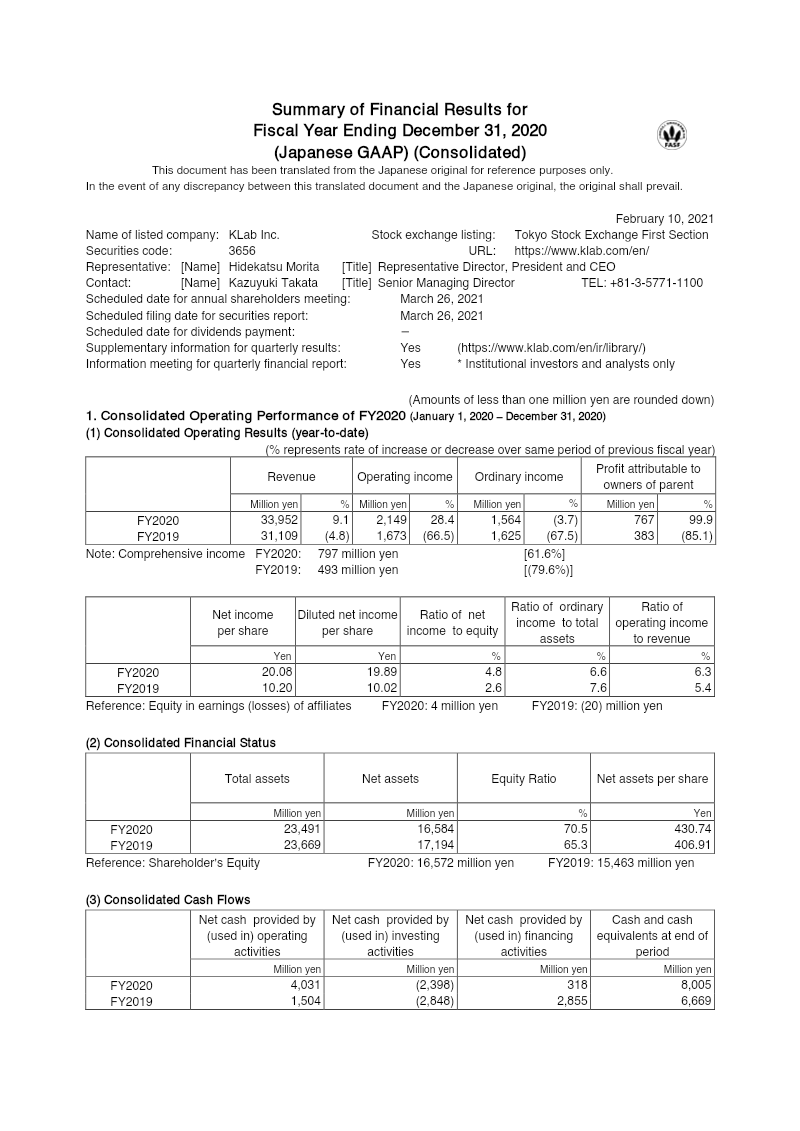
Summary of Financial Results for Fiscal Year Ended December 31, 2021 (Japanese GAAP) (Consolidated) This document has been translated from the Japanese original for reference purposes only. In the event of any discrepancy between this translated document and the Japanese original, the original shall prevail. Name of listed company: KLab Inc.
KLab
Report
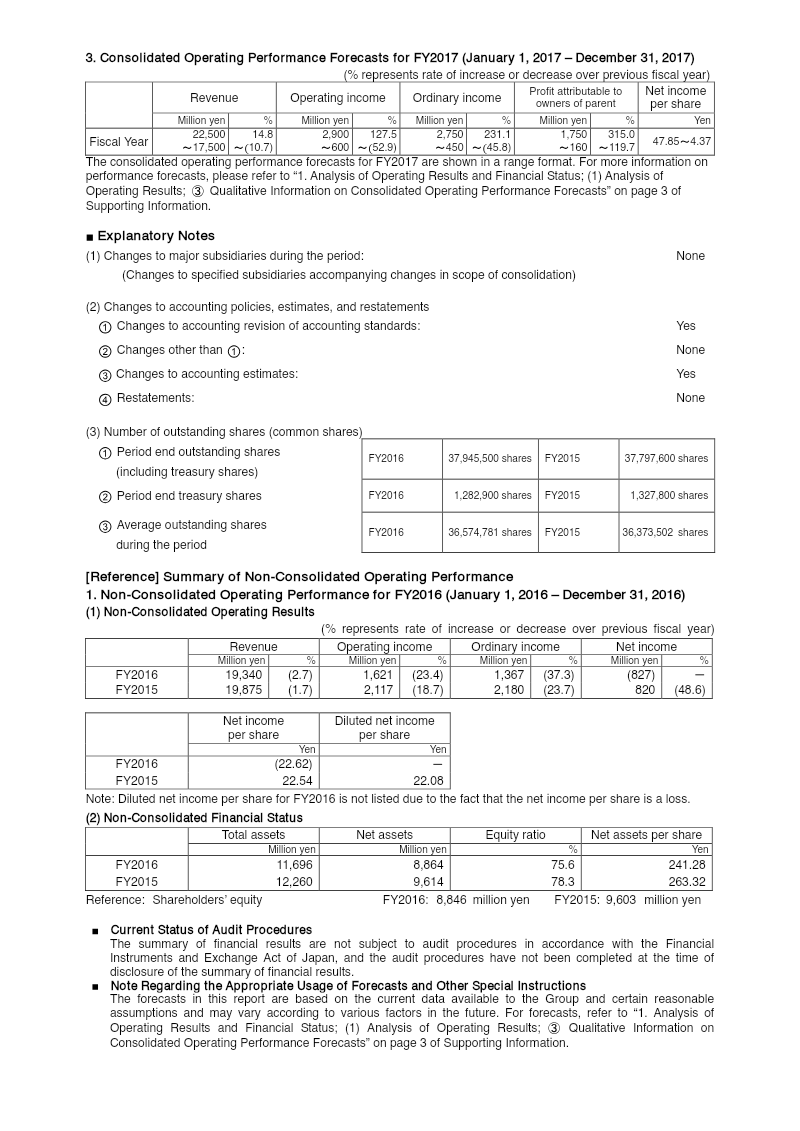
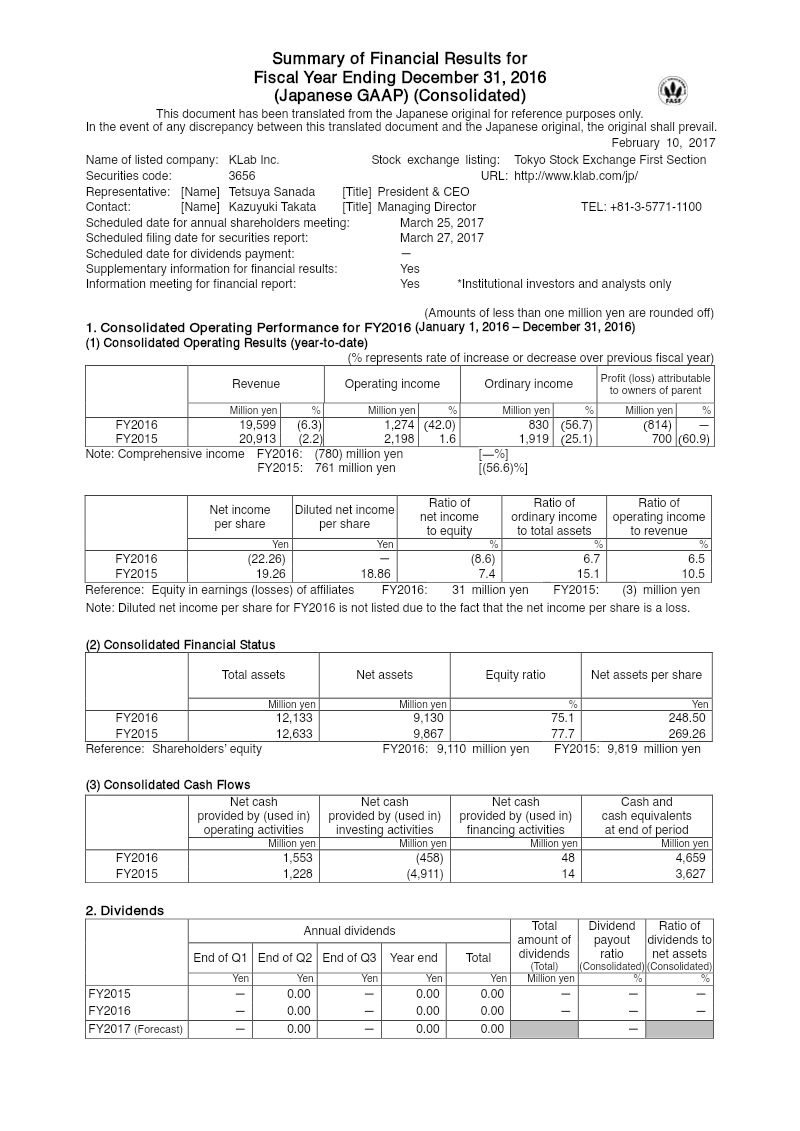
Summary of Financial Results for Fiscal Year Ending December 31, 2016
Summary of Financial Results for Fiscal Year Ending December 31, 2016 (Japanese GAAP) (Consolidated) hall p This document has been translated from the Japanese original for reference purposes only. In the event of any discrepancy between this translated document and the Japanese original, the original shall prevail. Name of listed company: KLab Inc.
KLab
Report
Summary of Financial Results for First Half of Fiscal Year Ending December 2014
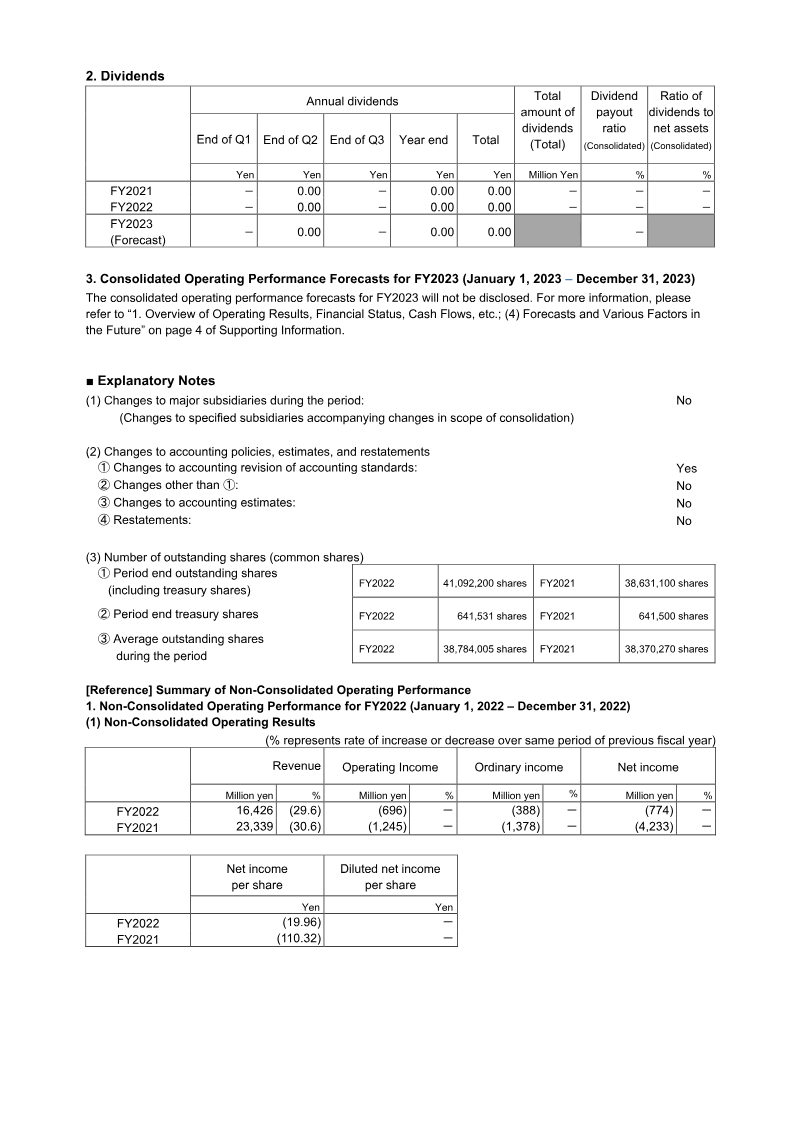
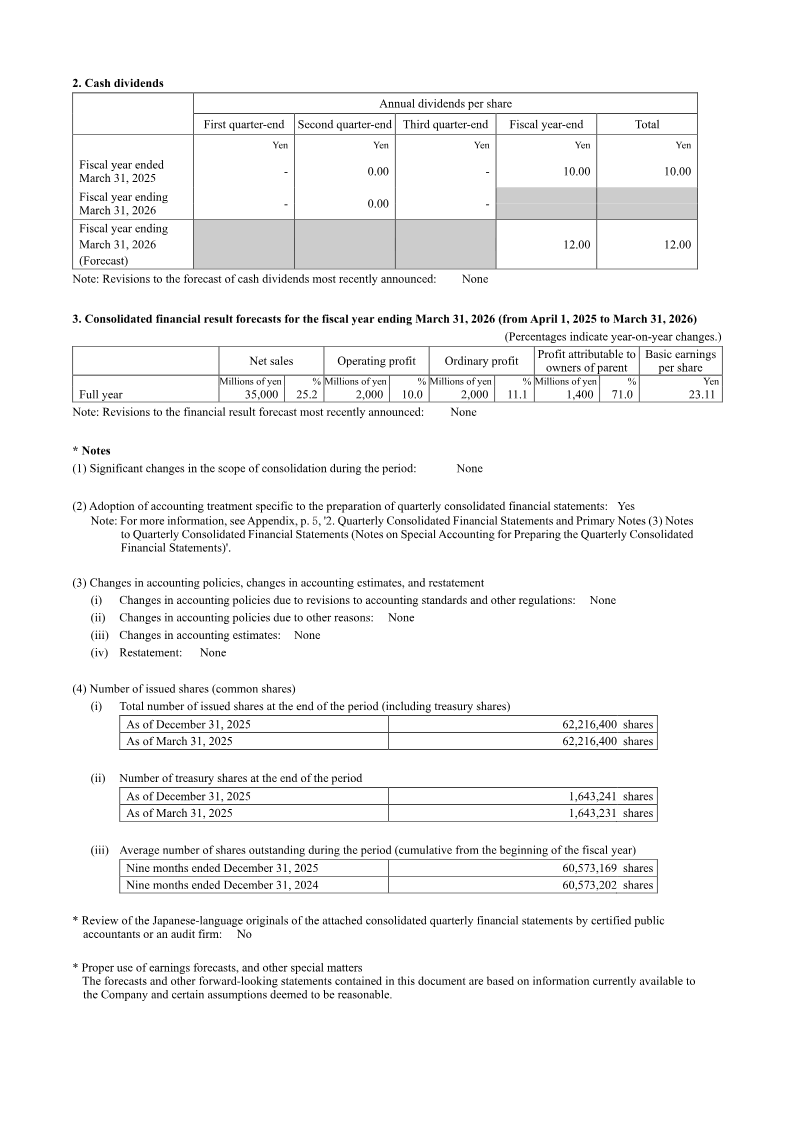
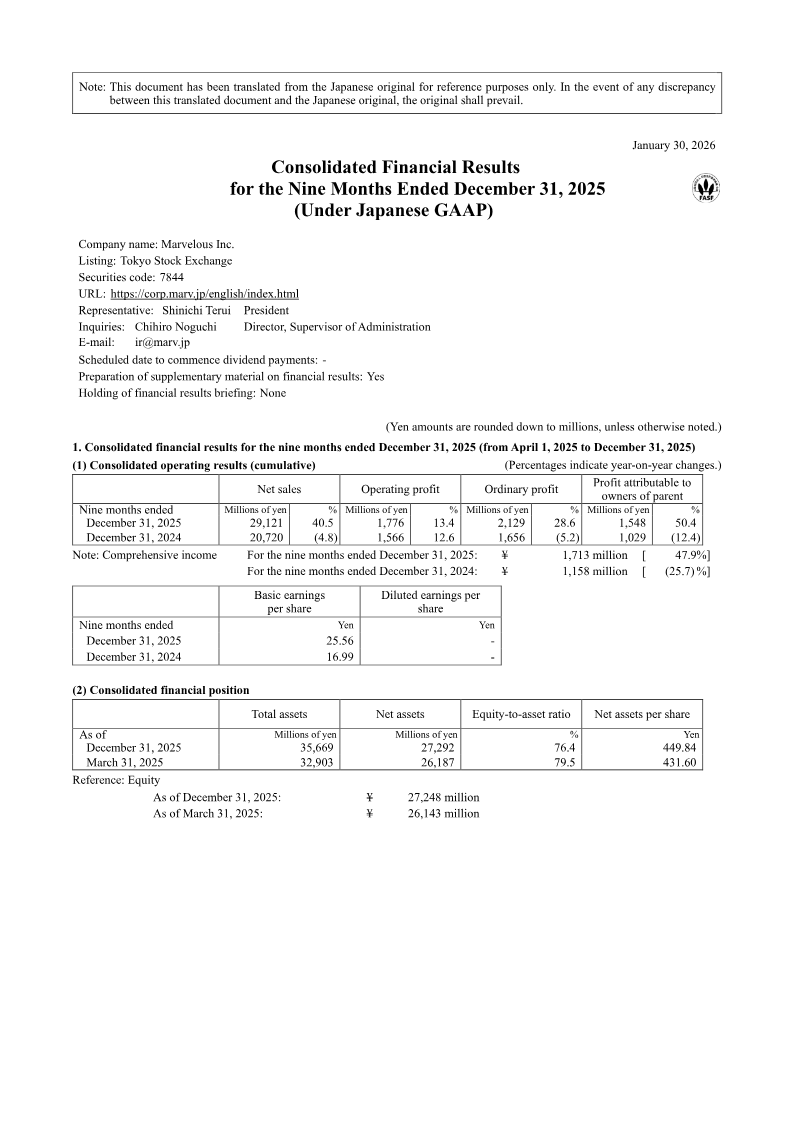
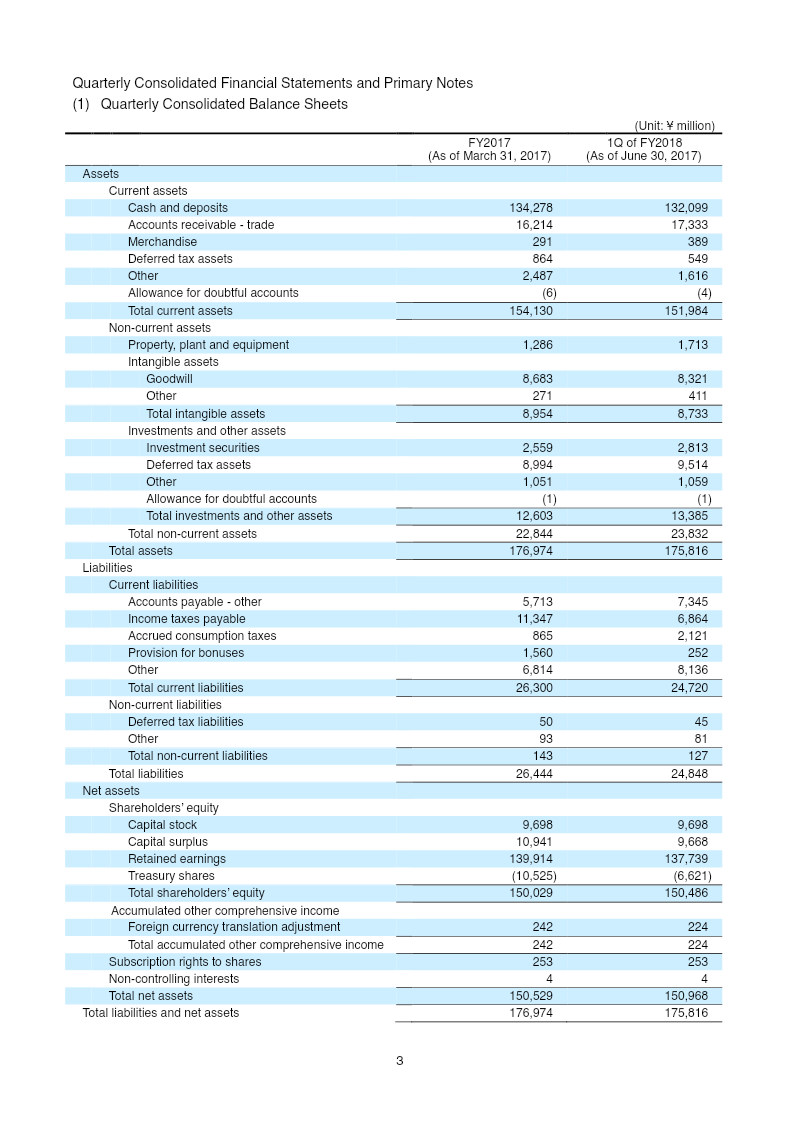
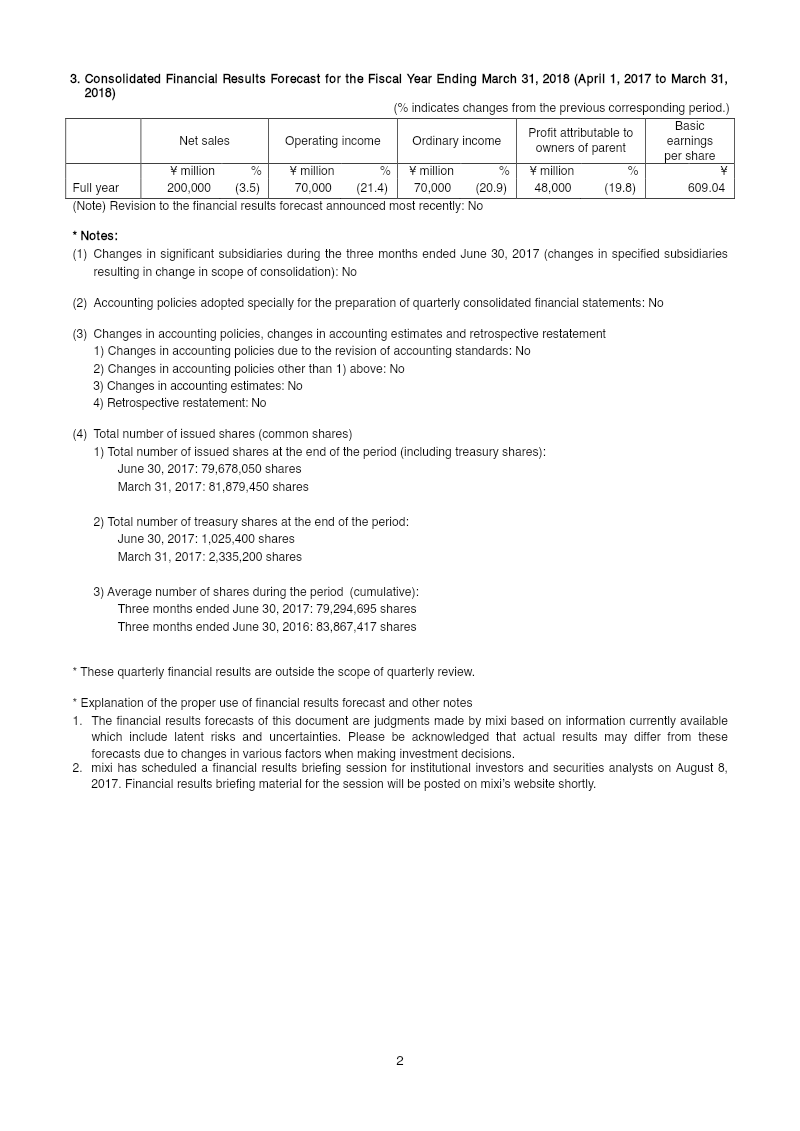
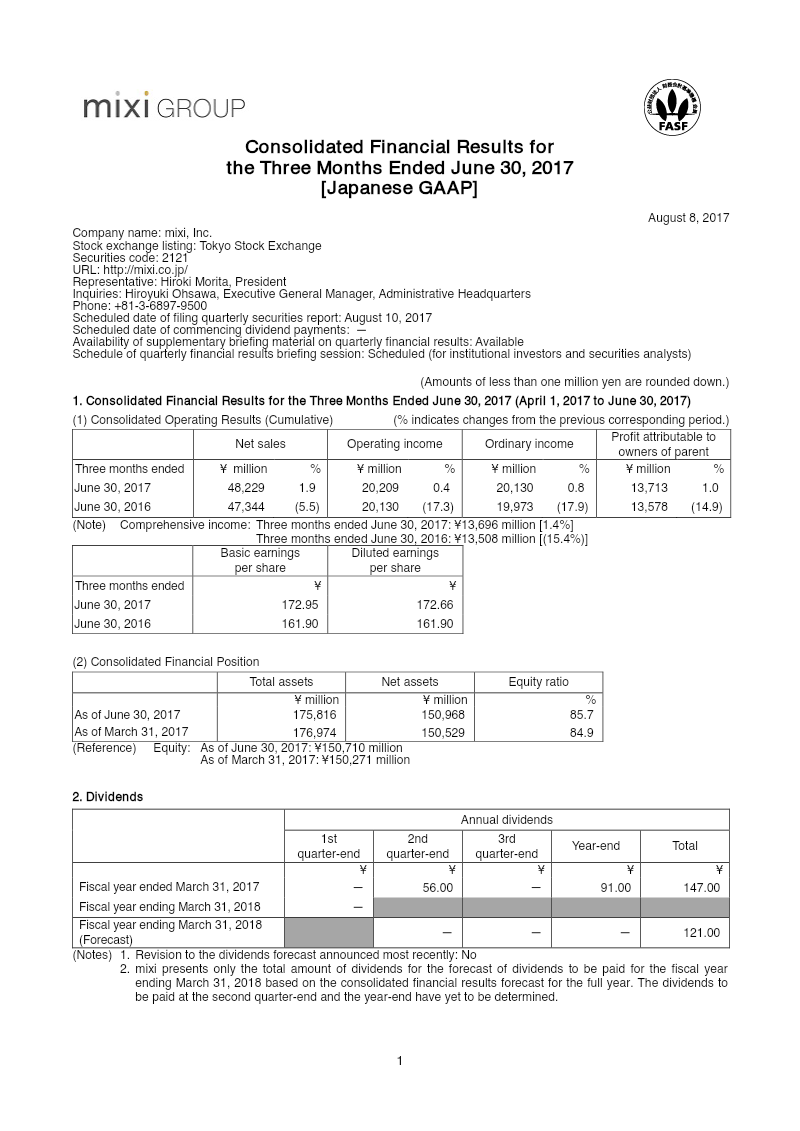
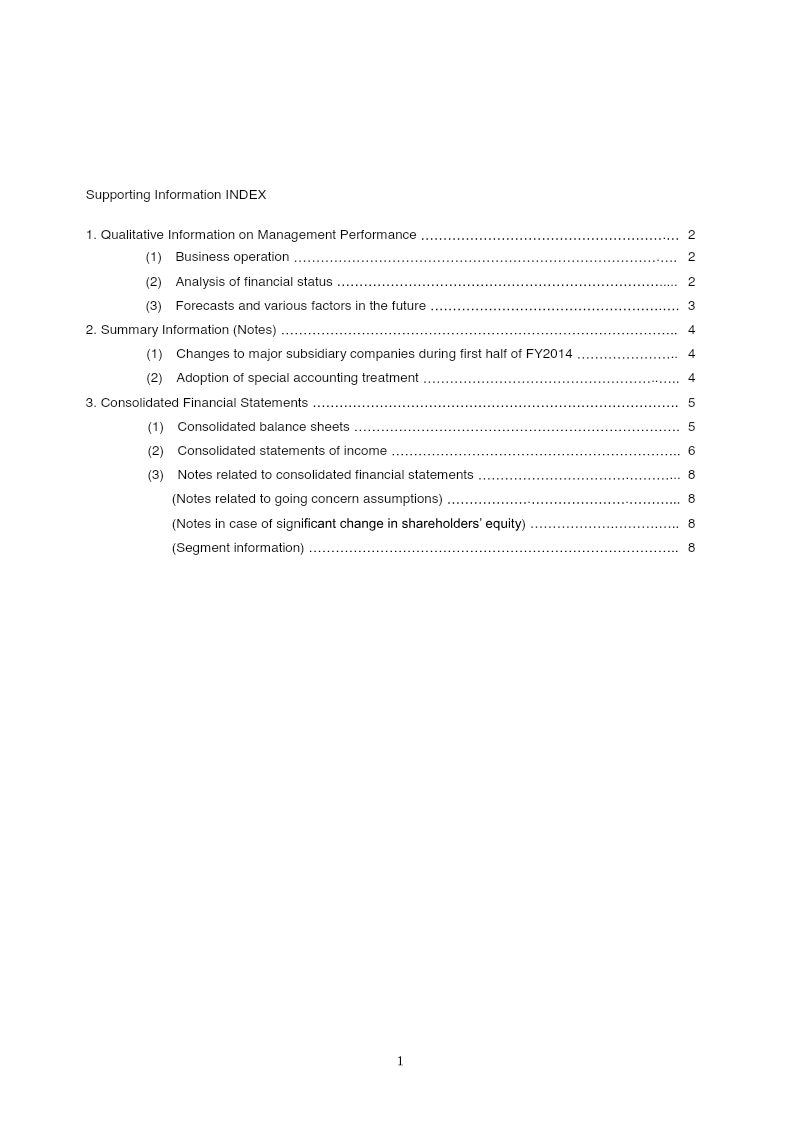
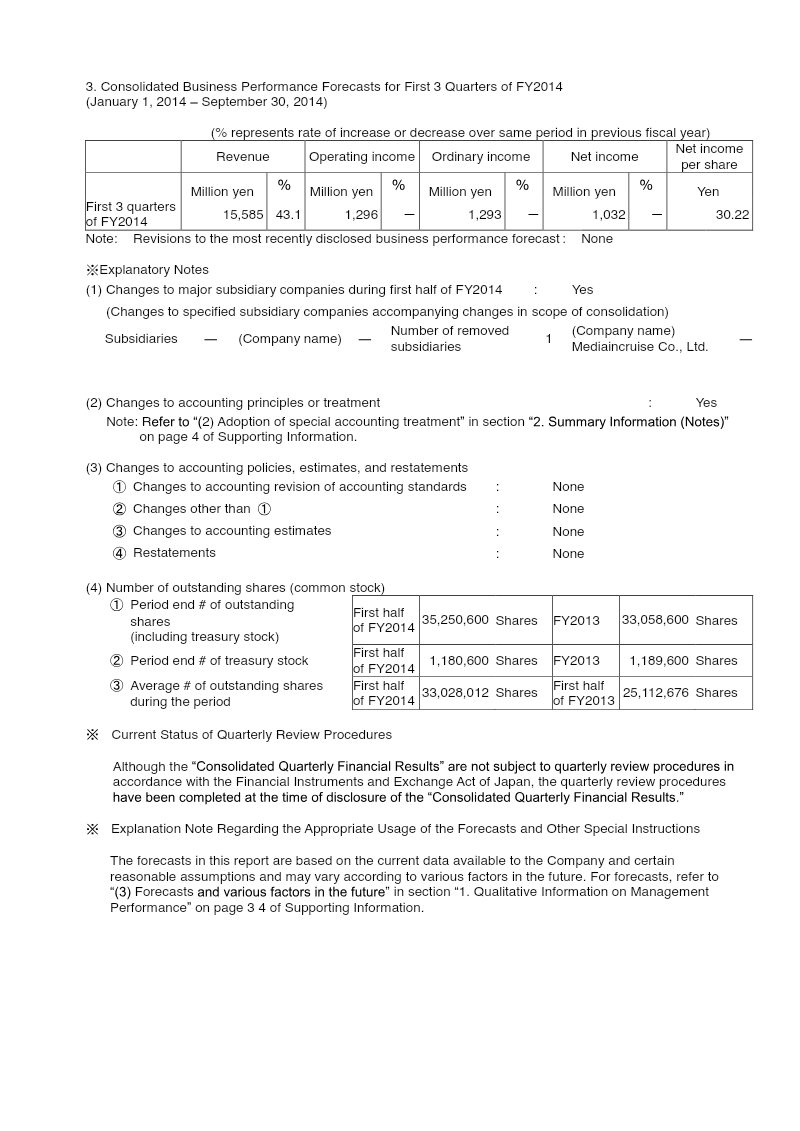
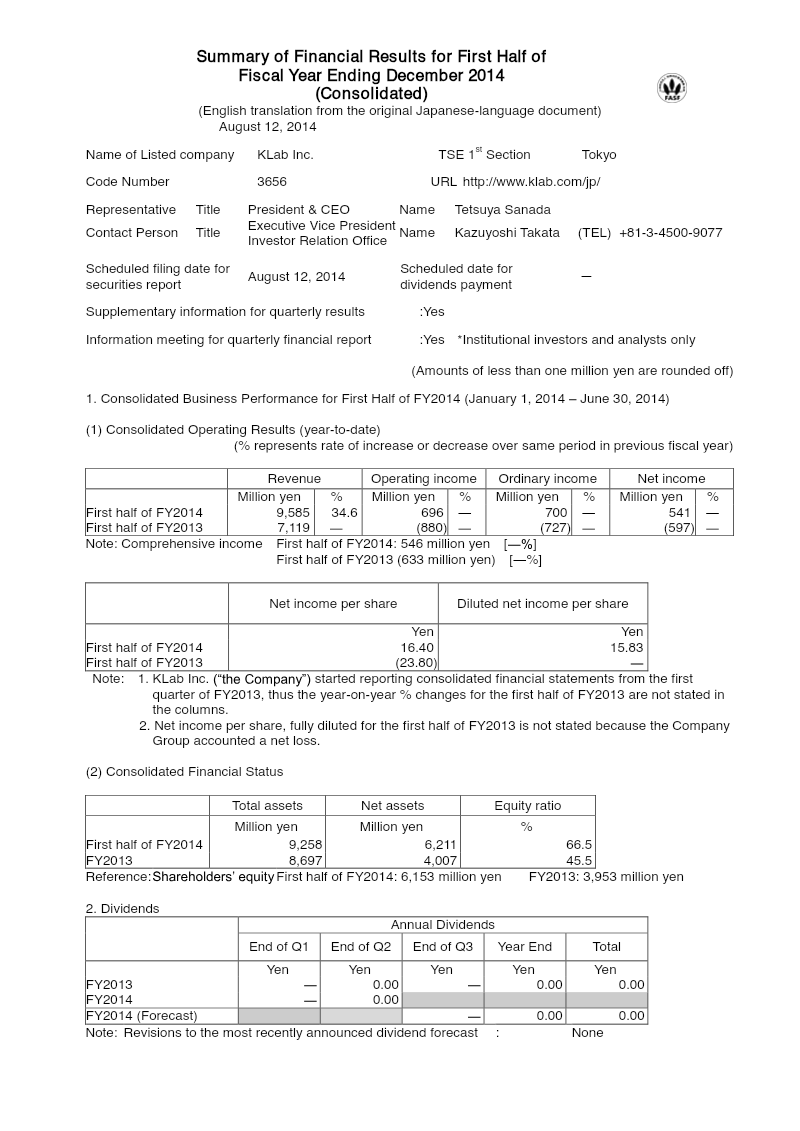
KLab Inc. reported a strong first‑half performance for fiscal year 2014, with consolidated revenue rising to ¥9.59 billion from ¥7.12 billion in the same period of FY2013, a 34.6 % increase driven by continued growth of the “Love Live! School Idol Festival” franchise and new titles such as “Celestial Craft Fleet.” Operating income improved to ¥696 million, up from a loss of ¥881 million in FY2013, and net income reached ¥542 million versus a loss of ¥598 million previously. Net assets expanded to ¥6.21 billion, reflecting a 66.5 % equity ratio and significant capital stock increases following a new subscription by Deutsche Bank London. Total assets grew to ¥9.26 billion, largely due to higher accounts receivable, while liabilities fell sharply as short‑term loans were reduced. The company’s cash and deposits declined modestly, but overall liquidity remained robust. No dividends were declared in FY2013 or FY2014, and the forecast for the first three quarters of FY2014 projects revenue of ¥15.59 billion and net income of ¥1.03 billion, assuming continued success of key mobile titles. The report notes a change in fiscal year end from August 31 to December 31, affecting comparative periods. A subsidiary, Mediaincruise Co., Ltd., was removed from consolidation following a merger. Accounting practices remained consistent, with no restatements or significant policy changes. The company’s focus on cost control—reducing personnel and office expenses—supported the turnaround in profitability.
KLab