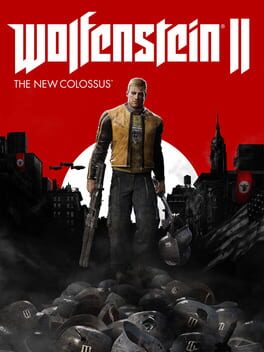
Wolfenstein II: The New Colossus
GameBy MachineGames · Released Oct 2017
Wolfenstein II: The New Colossus is the eleventh installment of the Wolfenstein series and a sequel to the 2014's Wolfenstein: The New Order. The game follows the main protagonist, William Joseph "B.J." Blazkowicz, in his efforts to ignite a Second American Revolution.
- How much revenue has Wolfenstein II: The New Colossus made?
- How many players does Wolfenstein II: The New Colossus have, and how is that changing?
- What do industry reports say about Wolfenstein II: The New Colossus's performance?
- Which games compete with Wolfenstein II: The New Colossus, and how do they compare?
Connections
Each row is a game or company named alongside Wolfenstein II: The New Colossus, each column a document, oldest first. A mark means that document names it. Select a row to see those documents.
About the game
- Released
- Oct 2017
- Developer
- MachineGames
- Publisher
- Bethesda Softworks
- Genres
- Shooter, Adventure
- Platforms
- PlayStation 4, PC (Microsoft Windows), Xbox One, Nintendo Switch
Game data from IGDB.com
Documents about Wolfenstein II: The New Colossus
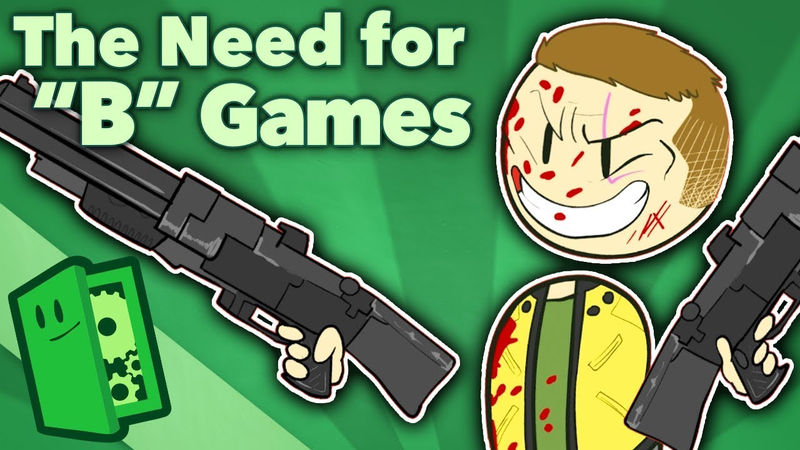
Wolfenstein vs Call of Duty - The Need for “B” Games - Extra Credits
The gaming industry faces a significant disparity in how mainstream titles address sensitive historical and political themes.
- High-budget AAA franchises like Call of Duty often sanitize sensitive historical events, such as the Holocaust, to maintain broad appeal and avoid controversy.
- The 'B-game' model, exemplified by titles like Wolfenstein II: The New Colossus, uses lower budgets and reduced corporate oversight to explore transgressive themes like fascism and racism.
- B-games function similarly to historical B-movies by operating on the industry fringes to push boundaries in political discourse and violence that mainstream productions currently avoid.
"We're Not Gonna Take It.": The Countercultural AAA Aesthetics of Wolfenstein: The New Colossus
Hans-Joachim Backe's analysis examines Wolfenstein II: The New Colossus (MachineGames, 2017) and argues that its apparent flaws are in fact deliberate components of a unified aesthetic.
- The paper argues that Wolfenstein II: The New Colossus (MachineGames, 2017) has apparent flaws that are deliberate parts of a unified aesthetic, and that critics and sympathetic reviewers missed the coherence between its narrative and ludic systems.
- The central thesis is that the game deploys Bakhtin's carnivalesque as a poetics of defamiliarization that stages the death and rebirth of first-person shooter conventions.
- The analysis reads the game's Nazi ideology as absurdist rather than endorsing, and interprets protagonist B.J. Blazkowicz's trajectory from an idealized Aryan body to a frail, grafted figure as an inversion of fascist notions of virility.