Sea of Solitude
Game
2 documents in the library are about Sea of Solitude, from writers such as European Conference on Games Based Learning (ECGBL) and Game Developers Conference. Each has a summary and key insights with the page they come from.
Connections
Each row is a game or company named alongside Sea of Solitude, each column a document, oldest first. A mark means that document names it. Select a row to see those documents.
Documents about Sea of Solitude
Preserving Cultural Memory Through Narrative Games
This paper examines four narrative-driven video games as vehicles for producing, mediating, and transmitting cultural memory: Last Days of Lazarus, Sea of Solitude, Season: A Letter to the Future, and Black The Fall.
- The paper argues that interactive narrative games function as a technology of cultural sustainability and social innovation, not merely as a representational strategy, and can complement museums, archives, and oral traditions.
- Four case studies (Last Days of Lazarus, Sea of Solitude, Season: A Letter to the Future, and Black The Fall) are analyzed through the T.R.E.E.S. framework (Tourism, Responsibility, Exploration, Environment, and Story), each showing a distinct remembrance mode from post-communist Romanian history to speculative future-oriented storytelling.
- Last Days of Lazarus is presented as a digital time capsule, preserving elements of Romanian intangible heritage through recreated locales, Orthodox iconography, and folkloric motifs.
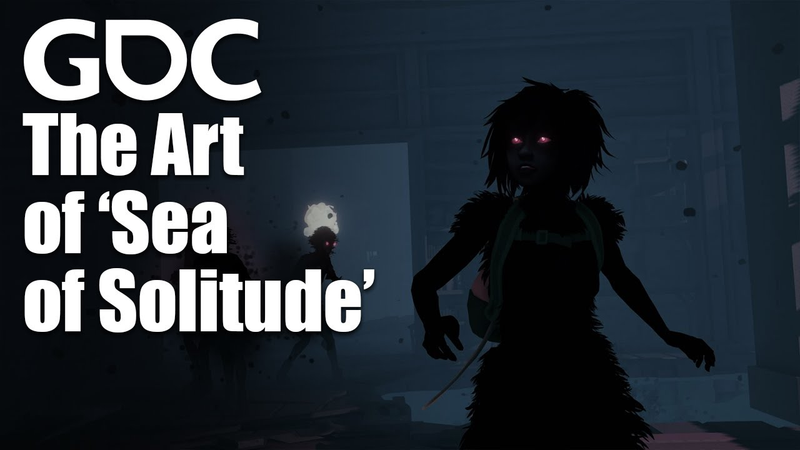
Paint It Black: The Art of 'Sea of Solitude'
Sea of Solitude functions as a deeply personal exploration of human loneliness and mental health, utilizing a surreal, metaphorical landscape to externalize the protagonist’s internal struggles.
- The game's core design philosophy centers on 'turning the inside out,' where the protagonist's internal emotional state directly dictates environmental factors like water levels and weather patterns.
- To achieve a unique visual style, the team implemented custom Unity tools that allowed for precise control over shadow and ambient occlusion coloring, preventing the environment from appearing blunt or flat.
- The developers manipulated the specular component of materials by applying subtle color gradients, creating a dynamic, living world that reacts to player movement without being overtly noticeable.