Q*bert
Game
2 documents in the library are about Q*bert, from writers such as Game Developers Conference and GameDiscoverCo. Each has a summary and key insights with the page they come from.
Connections
The documents about Q*bert on the inner ring, the other games and companies they name on the outer one. Select a cover to see it up close and open it in a new tab; drag to move, pinch or Ctrl + scroll to zoom.
Documents about Q*bert

How YapYap Jammed Its Way to 1 Million Copies Sold in Just 6 Weeks
The analysis examines YapYap, a $10 Steam title released on 3 Feb 2026 that achieved over one million copies sold by mid-March, making it the seventh best-selling new game of 2026 in Steam units alone.
- YapYap sold over one million copies in six weeks following its February 3, 2026, release, becoming the seventh best-selling new game on Steam for that year.
- The title secured 900,000 wishlists at launch by leveraging a 'new but retro' art style featuring real-time shadows and cloth simulation that attracted high-profile influencers like MoistCr1TiKaL.
- The game achieved a 180× review-to-sales multiplier, indicating a highly casual player base with a 12% demographic skew toward users under 35.
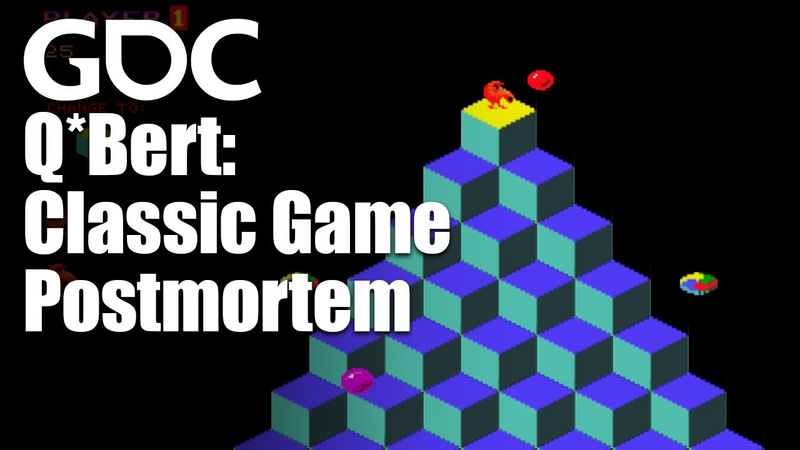
Classic Game Postmortem: 'Q*bert'
The development of the arcade classic Qbert in 1982 serves as a quintessential case study in the ingenuity required to overcome the severe technical constraints of early 1980s gaming.
- The development of Qbert began at Gottlieb in the early 1980s using an MDS-80 development system, with the game's core mechanic—changing cube colors upon landing—emerging from a suggestion by a colleague during the prototyping phase.
- The game's unique control scheme, which required players to navigate the pyramid at a 45-degree diagonal angle, caused significant user friction, leading to frequent player requests to change the joystick orientation to standard up-down-left-right inputs.
- Technical constraints necessitated creative workarounds, such as using a pinball machine's 'knocker' solenoid inside the cabinet to provide physical tactile feedback when the character fell off the pyramid.