A Perfect Day
Game
2 documents in the library are about A Perfect Day, from writers such as DiGRA and GameDiscoverCo. Each has a summary and key insights with the page they come from.
Connections
Each row is a game or company named alongside A Perfect Day, each column a document, oldest first. A mark means that document names it. Select a row to see those documents.
Documents about A Perfect Day
Playing Anachronism in Time: Towards the Ludobiography in the Context of Chinese Indie Games
The article explores the concept of "ludobiography" within the context of Chinese indie games, analyzing how these games utilize anachronism as both a critical and aesthetic strategy.
- Anachronism, drawn from Georges Didi-Huberman, is presented as both a critical and aesthetic strategy for Chinese indie creators caught between drawing on traditional cultural resources and pursuing realist authenticity.
- The paper extends Rob Gallagher's concept of ludobiography, autobiographical games that challenge humanist assumptions about selfhood, to Chinese indie games analysed through temporality, arguing videogames can extend players' agency across multiple temporalities.
- Internationally recognised Chinese indie games are predominantly visual novels with strong autobiographical impulses, often shaped by resource constraints and the precarity of creators' social circumstances.
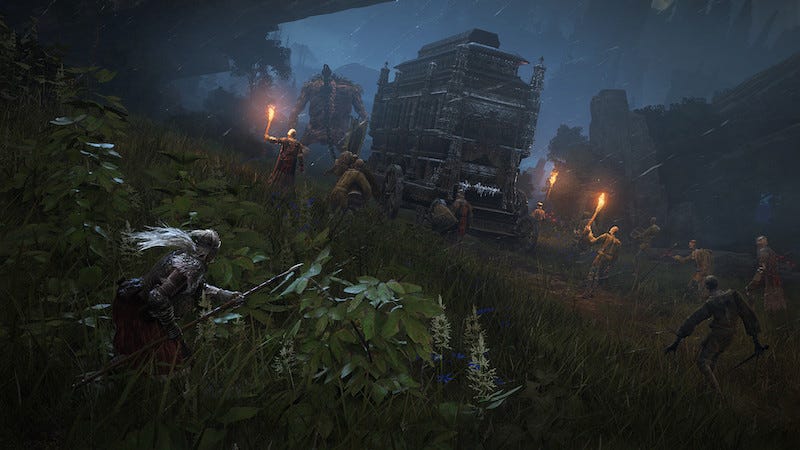
Plus: Witness the Elden Ring-ness!
Elden Ring's launch dominates this weekly PC and console performance roundup from GameDiscoverCo's Simon Carless, covering the last week of February 2022 across Steam, Apple Arcade, Switch, Xbox, PlayStation, and Epic Games Store.
- Elden Ring achieved a peak of 764,000 concurrent users on Steam at launch, with long-term sales projections estimated between 10 and 20 million units.
- Despite high commercial demand, Elden Ring’s PC port holds a 59% positive review rating on Steam due to technical issues involving DirectX 12 and frame-rate stuttering.
- Apple Arcade’s strategic pivot toward 'plus' titles—ports of existing mobile hits like Solitaire and Mahjong—has increased the service's broad appeal but lowered average usage-based payouts for developers of exclusive games.