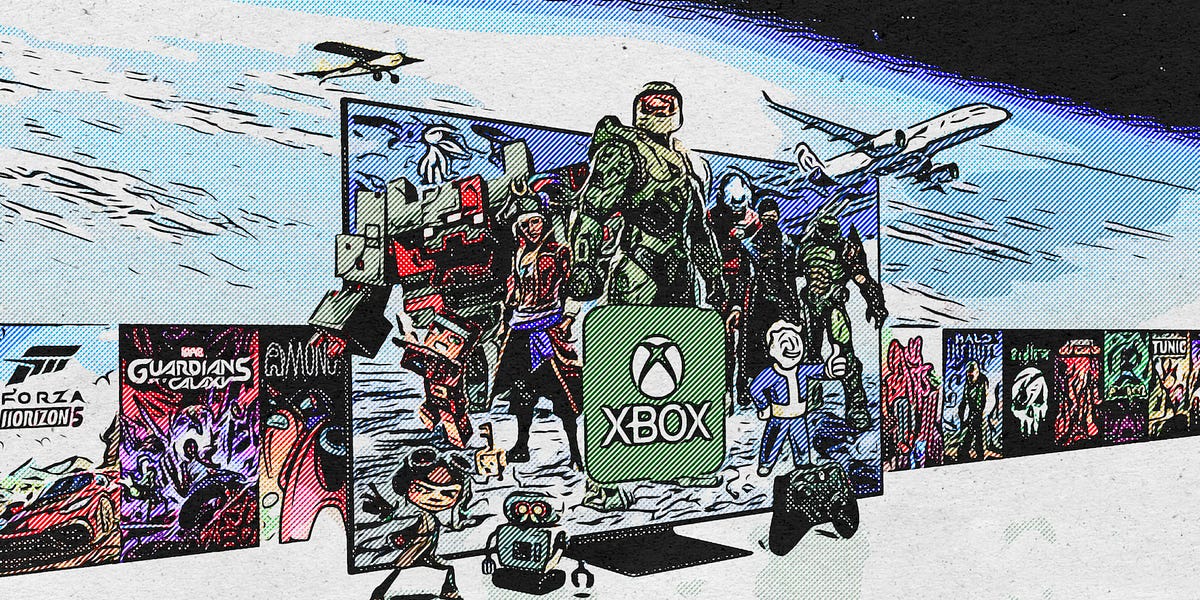
The gaming industry is currently undergoing a significant structural correction, characterized by a shift from pandemic-era expansion to a focus on operational efficiency and distribution-led growth. Microsoft’s recent decision to cut 9,000 jobs, including roles within its Xbox, King Digital, and ZeniMax divisions, serves as a primary case study for this trend. Despite Xbox maintaining a strong market position—evidenced by its performance as a top third-party publisher on PlayStation—the company is prioritizing cost discipline as the broader market experiences a decline in growth among major publishers.
Data indicates that the 15 largest game publishers increased their collective headcount by 19% beyond pre-pandemic trends, reaching 146,108 employees by 2024. This surplus, built to satisfy high demand during the pandemic, is now being liquidated as firms move away from the "growth at all costs" model. Furthermore, the mobile sector is facing specific challenges; King Digital, for instance, saw annual revenue dip from $2.1 billion in 2023 to $2.0 billion in 2024. This decline highlights the diminishing returns of traditional performance marketing and the failure of certain legacy mobile assets to evolve into broader, community-driven ecosystems.
The industry’s current turmoil suggests that scale and intellectual property depth are no longer sufficient moats in a cost-rationalized environment. While some firms, such as Sony, are also pursuing efficiency, Xbox faces additional criticism regarding strategic drift and a reliance on commodified distribution over content innovation. As the industry matures, the competitive advantage will likely shift toward companies that can successfully integrate operational efficiency with deep, fan-driven engagement. Future growth will depend on a firm's ability to transition from content-heavy portfolios to sustainable, platform-leveraged ecosystems.