
ArticleGamecity Hamburg
Why LGBTQIA+ Visibility in Games is So Important: Hamburg
1 pages~15 min full read
The primary purpose of this analysis is to underscore the critical importance of LGBTQIA+ representation in video games, framing the medium as a vital tool for personal identity formation and social normalization. By sharing personal narratives from industry professionals in Hamburg and citing industry-wide data, the text argues that inclusive storytelling provides essential validation for queer players who often lack real-world guidance or support systems.
Data from a 2024 GLAAD report highlights a significant disparity in the industry: while approximately 17 percent of gamers in the United States identify as LGBTQIA+, inclusive titles represent only 2 percent of the digital libraries across major platforms like Xbox, PlayStation, and Nintendo. The analysis notes that Steam hosts the highest volume of such content, though the availability remains sparse when filtering for non-adult-oriented titles. These statistics illustrate a systemic lack of representation that leaves many queer players without the reflective experiences necessary to feel seen or understood.
The text emphasizes that developers are increasingly taking proactive roles to bridge this gap. Through initiatives like the Colors of Indie award and the formation of diverse, female-led studios, creators are actively working to normalize queer themes. By embedding diverse identities into interactive narratives, developers provide players with "mental anchors" that foster self-acceptance. Ultimately, the industry is encouraged to prioritize inclusive design, as the normalization of diverse characters in games serves as a powerful catalyst for broader societal acceptance and provides a necessary sense of belonging for marginalized youth.
Gamecity Hamburg
Gamecity Hamburg
Gamecity Hamburg
Gamecity Hamburg

Gamecity Hamburg

Gamecity Hamburg

Gamecity Hamburg

Gamecity Hamburg
Gamecity Hamburg
Gamecity Hamburg

Gamecity Hamburg
Gamecity Hamburg
Dataspelsbranschen · 2024
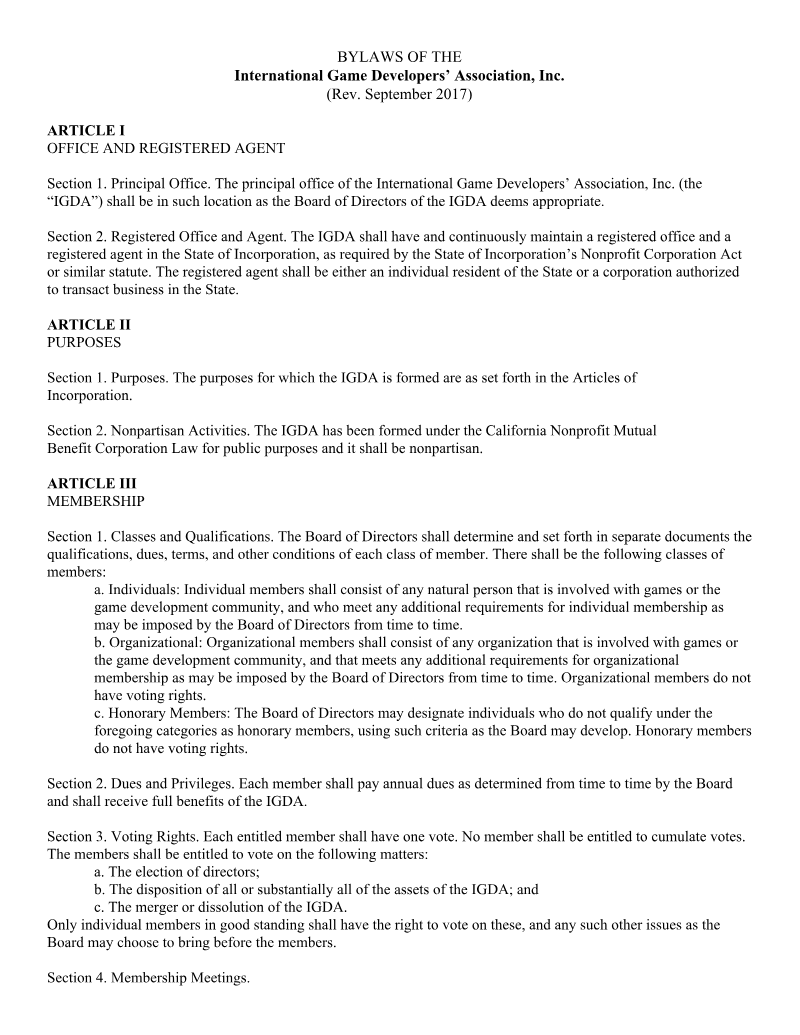
International Game Developers’ Association · 2023

AEVI · 2023
AEVI · 2023
GDC · 2022
game.de · 2019
Neogames Finland ry · 2019
Take-Two Interactive
game – Verband der deutschen Games-Branche e. V.
Deutsche Telekom
Poki · 2026
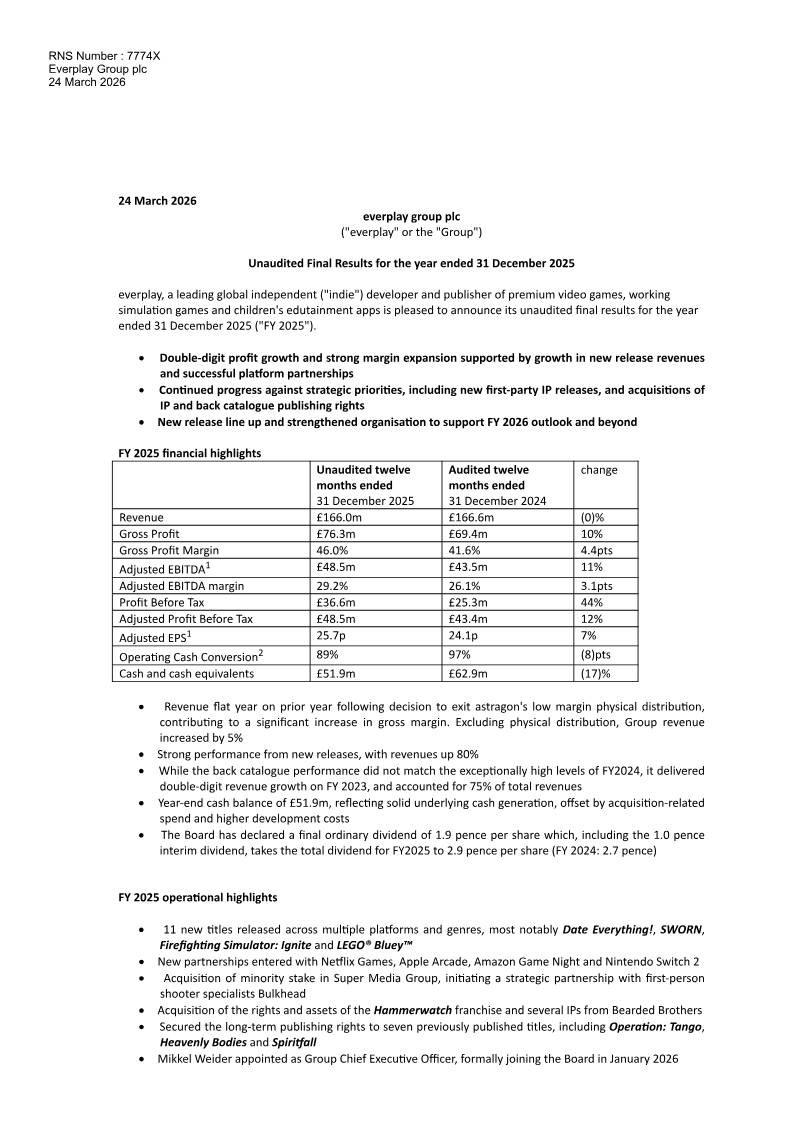
Everplay Group · 2026