More from Technical University of Munich
View all


More on Game Design
View all


Whitepaper
AI-Assisted Scene Synthesis in the 3D Educational Game Authoring Tool GameTULearn
European Conference on Games Based Learning (ECGBL) · 2026
Whitepaper
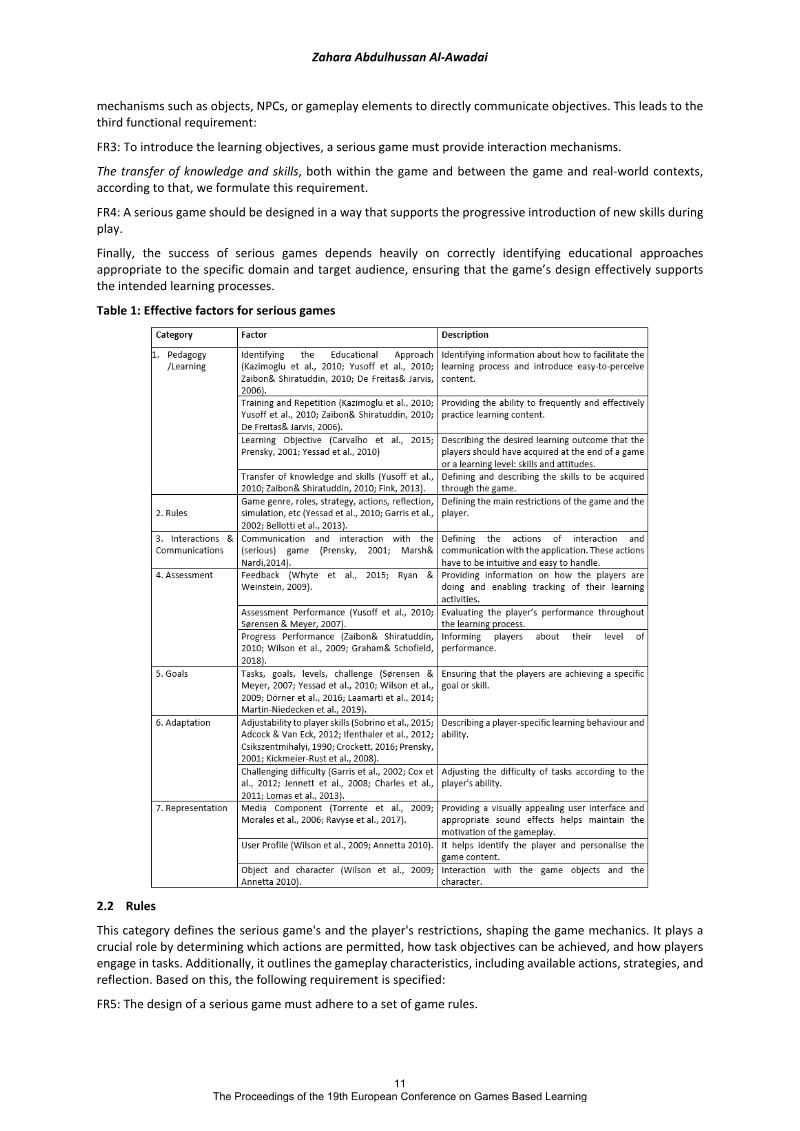
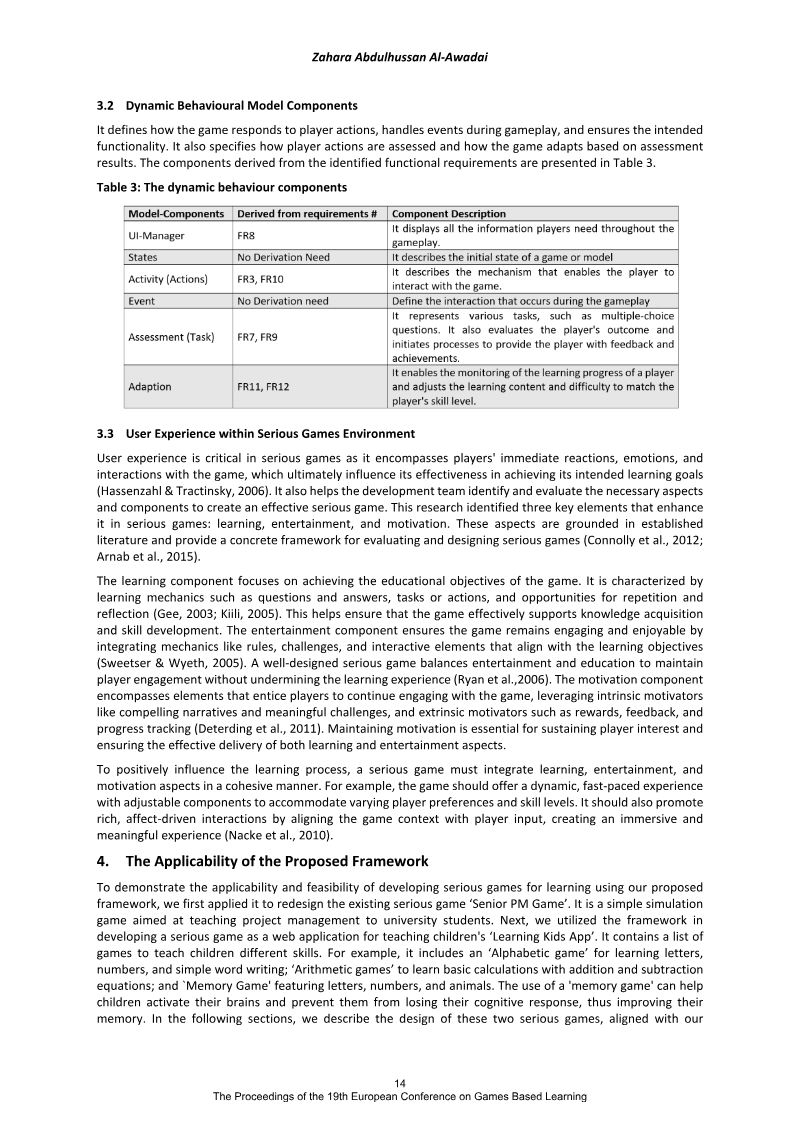
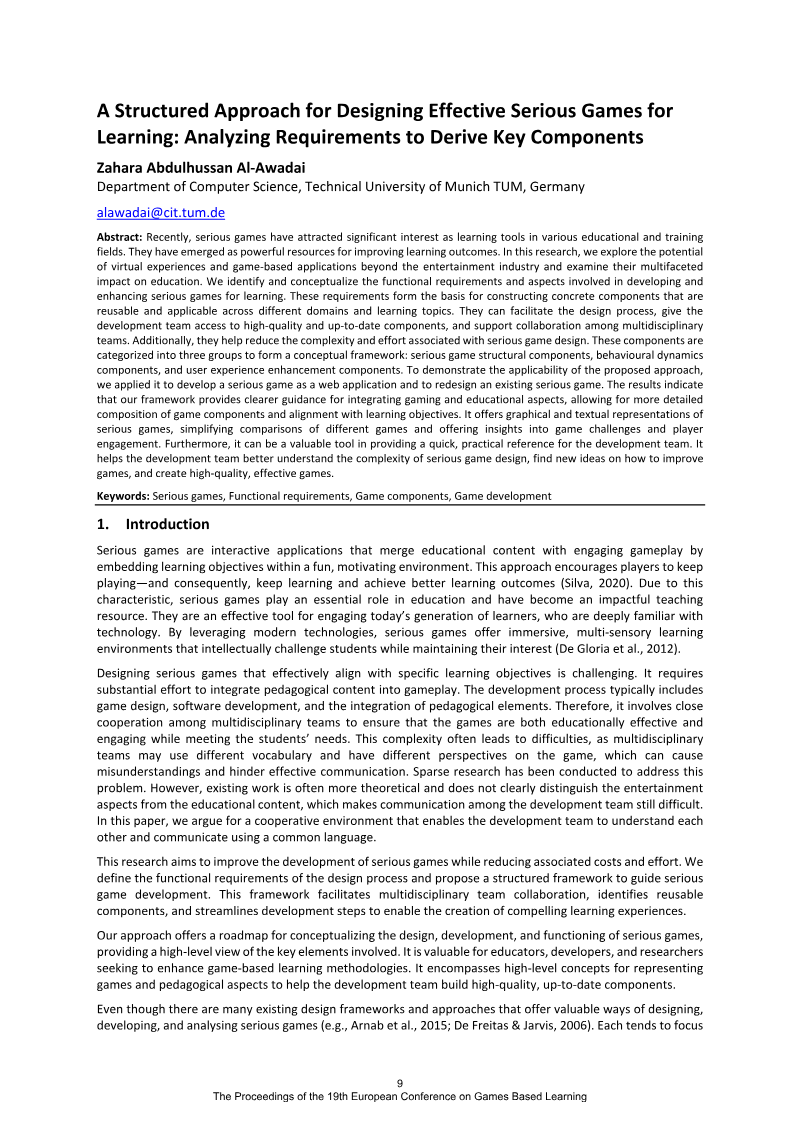
A Structured Approach for Designing Effective Serious Games for Learning: Analyzing Requirements to Derive Key Components
European Conference on Games Based Learning (ECGBL) · 2025
Whitepaper
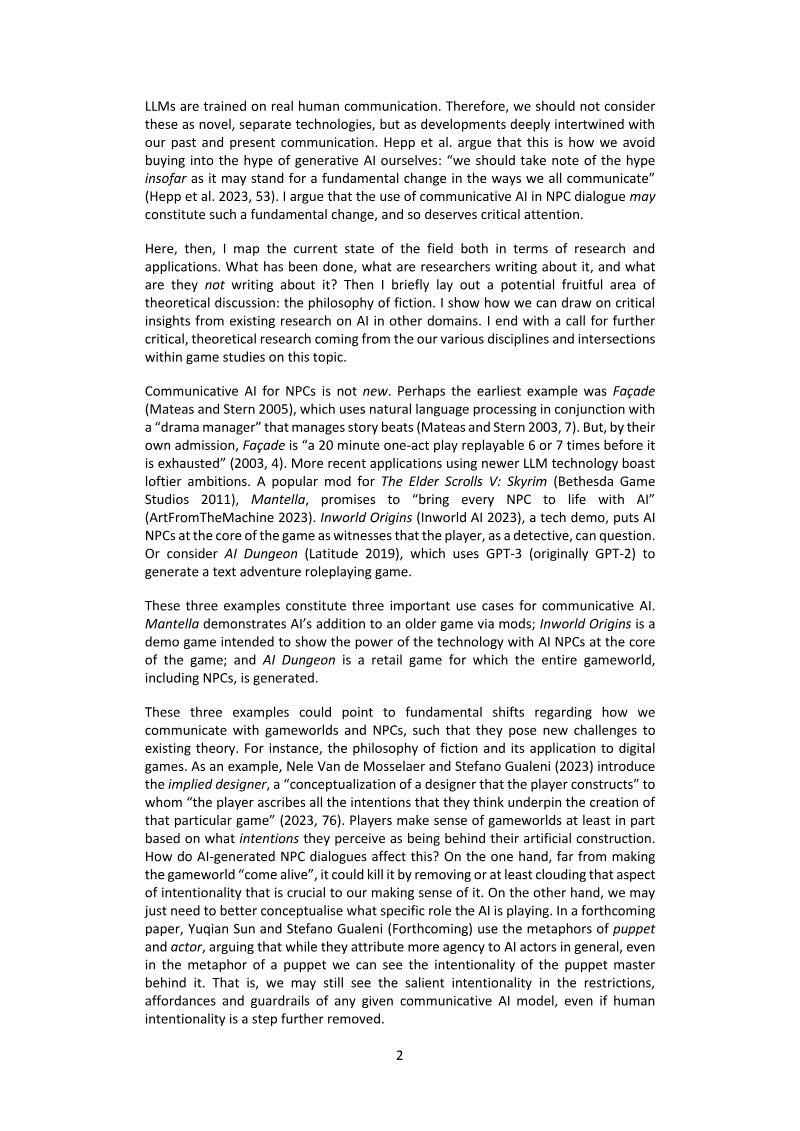
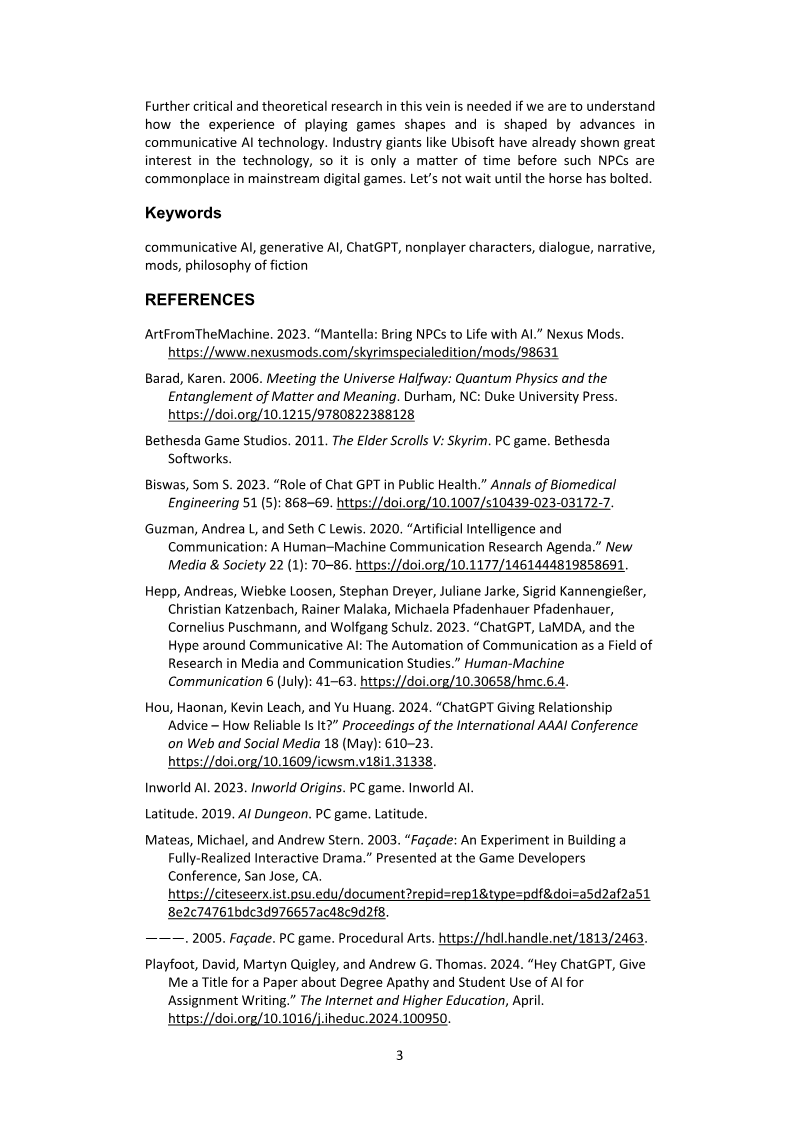
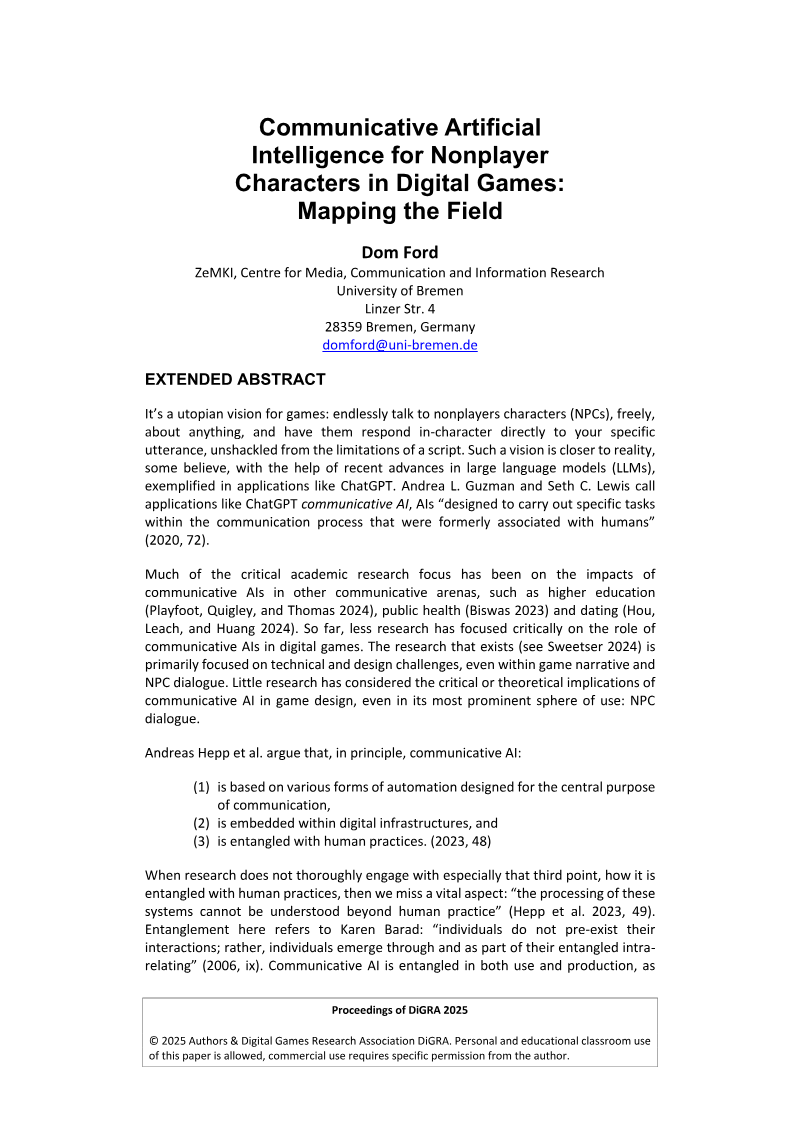
Communicative Artificial Intelligence for Nonplayer Characters in Digital Games: Mapping the Field
DiGRA · 2025

Naavik
What Happens When AI Becomes Your Gaming Teammate
Naavik · 2026

Thomas Brush
The One Thing AI Can't Put In Your Game
Thomas Brush · 2026

PocketGamer.biz
Block Blast Hit 300M Players — And Kills 95% of Ideas
PocketGamer.biz · 2026



Whitepaper
Design and Evaluation of a Digital Educational Escape Game for AI Literacy
European Conference on Games Based Learning (ECGBL) · 2026



Whitepaper
Building Digital Educational Escape Rooms: A Modular Toolkit With Low-Code Authoring Approach
European Conference on Games Based Learning (ECGBL) · 2026
Whitepaper
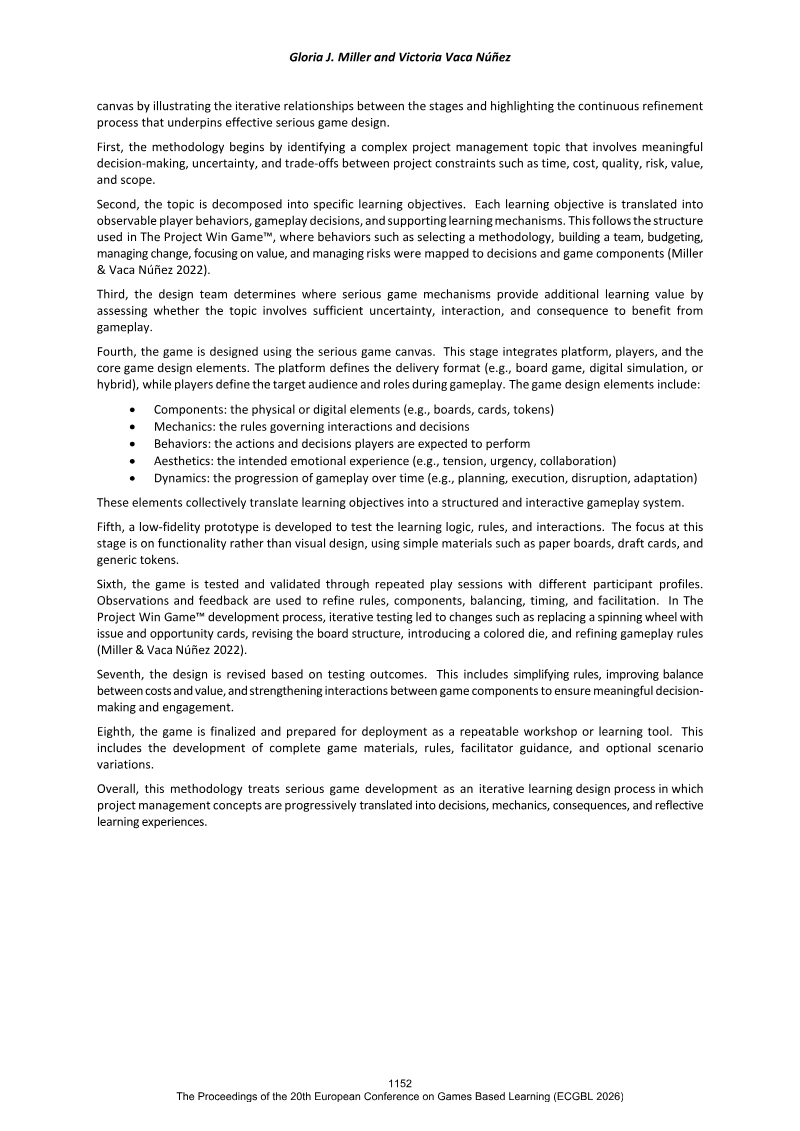
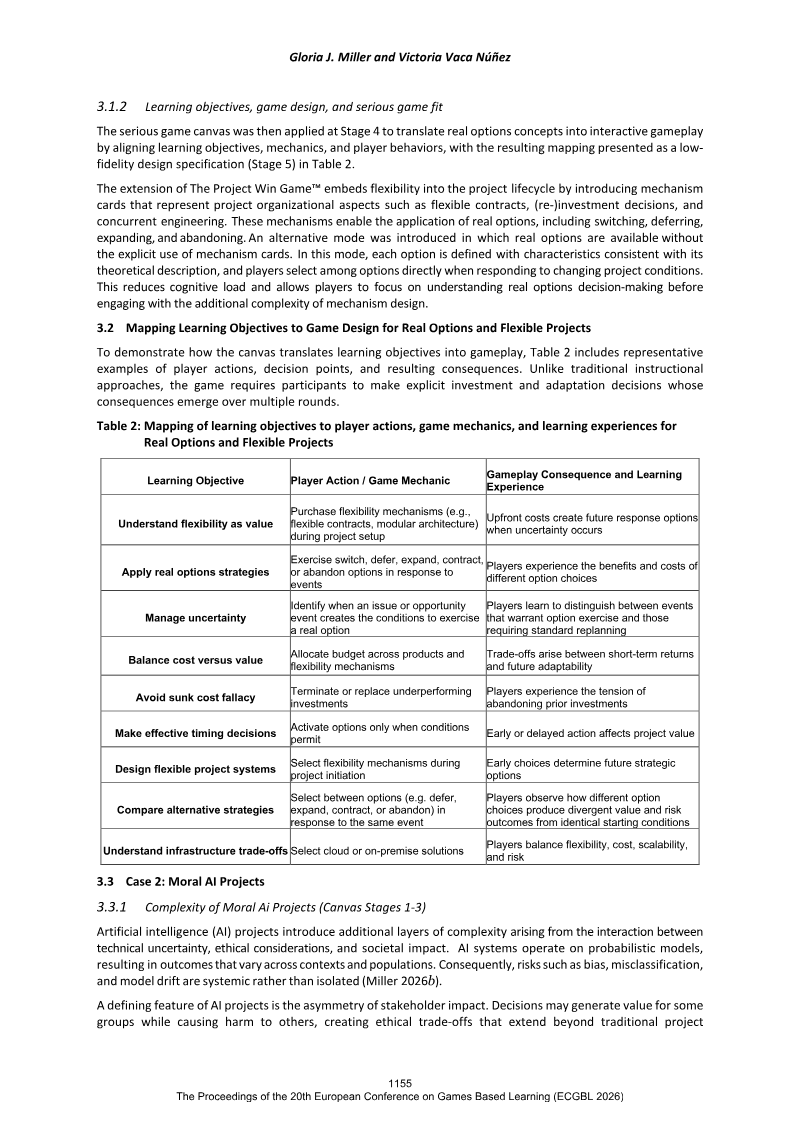
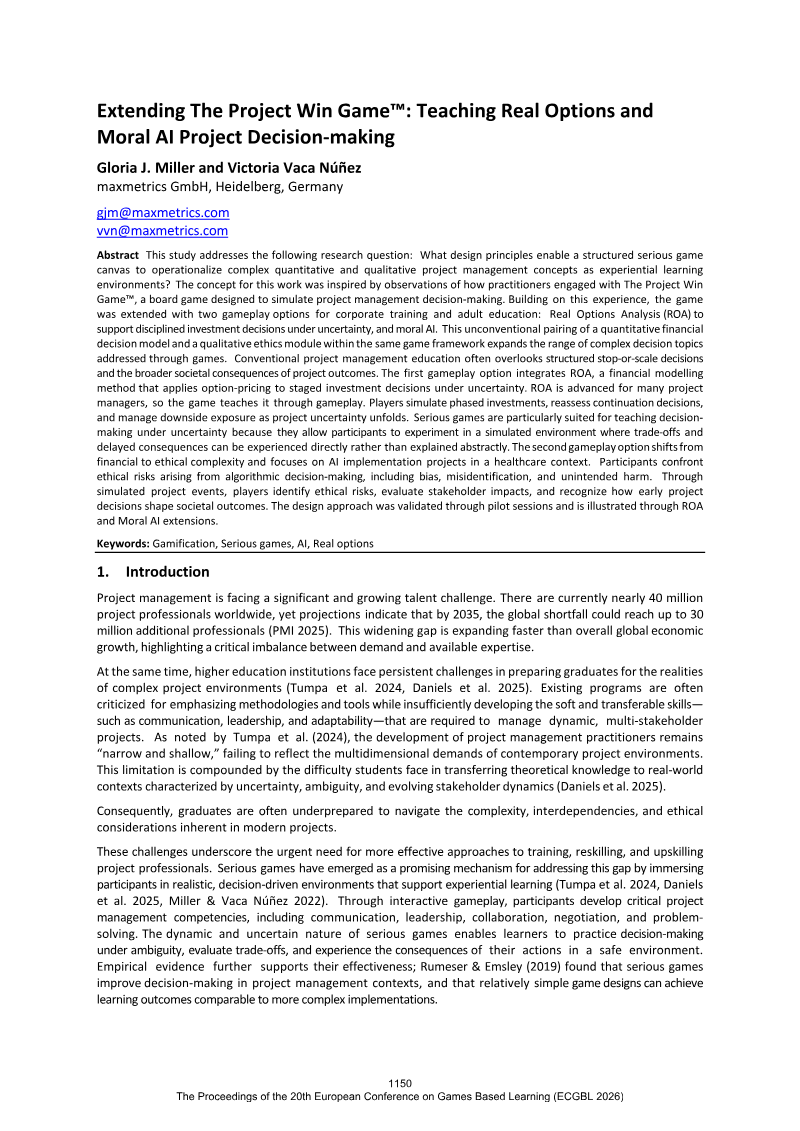
Extending The Project Win Game: Teaching Real Options and Moral AI Project Decision-making
maxmetrics · 2026
Whitepaper
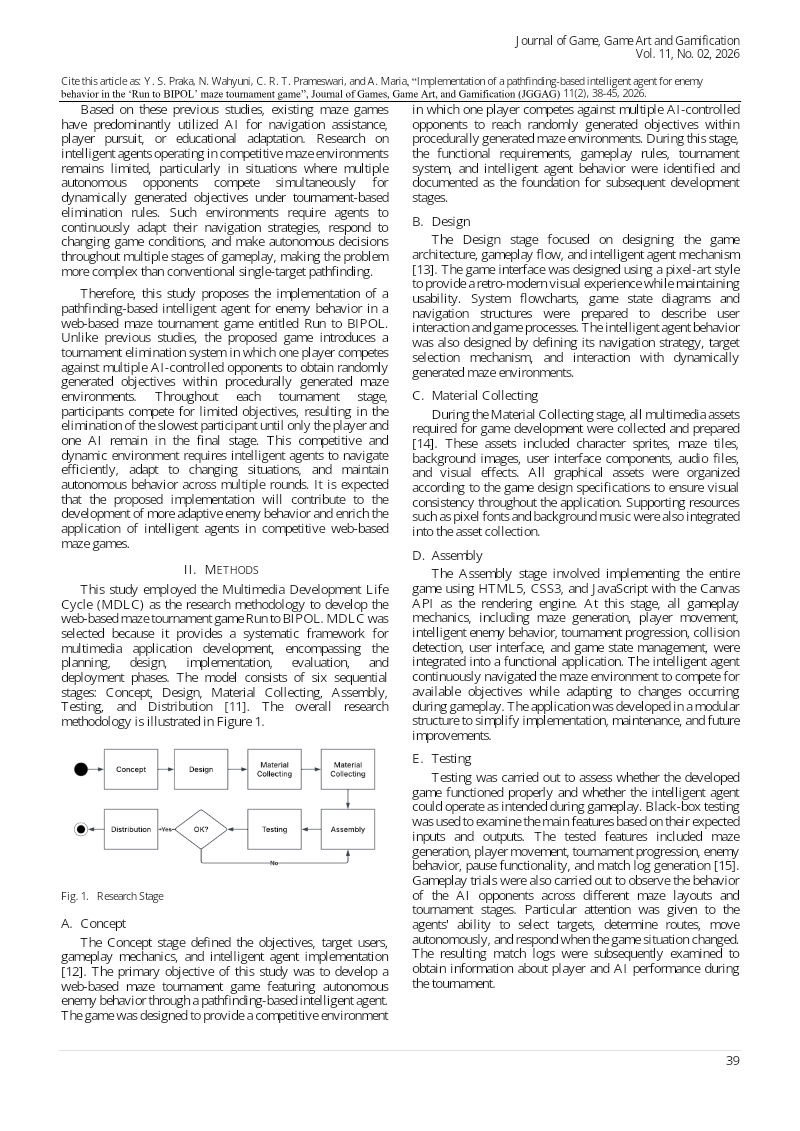
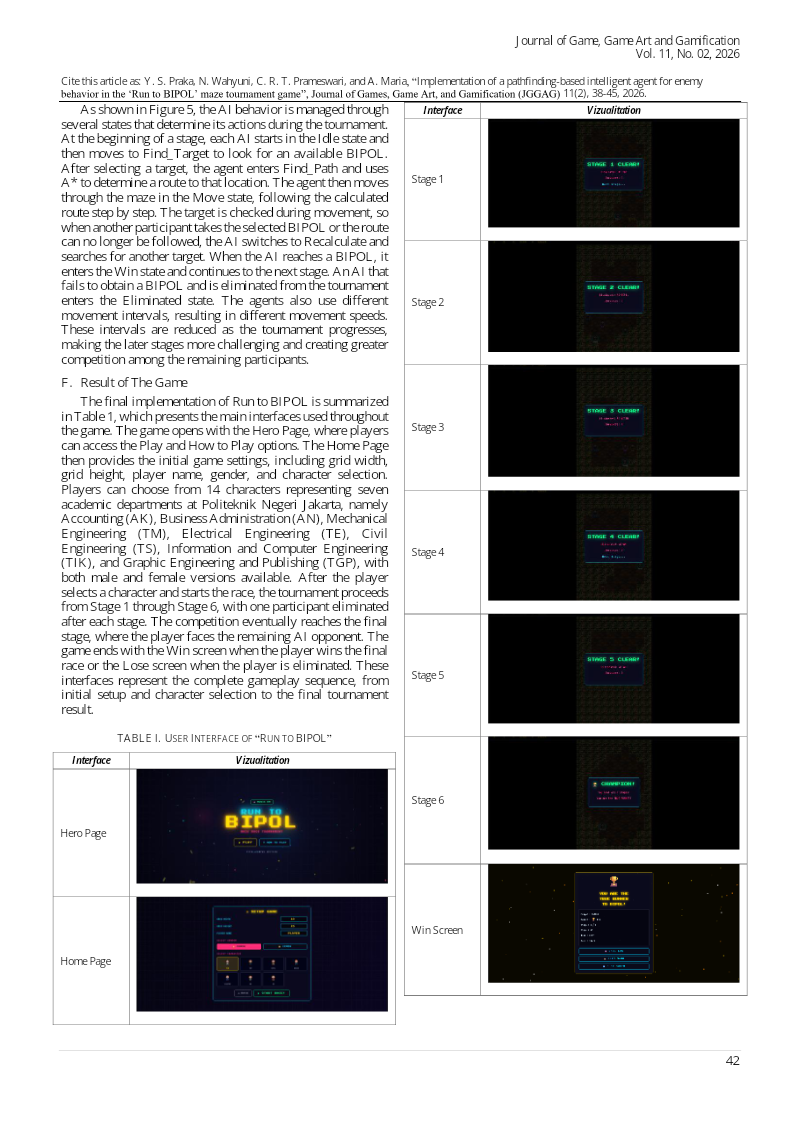
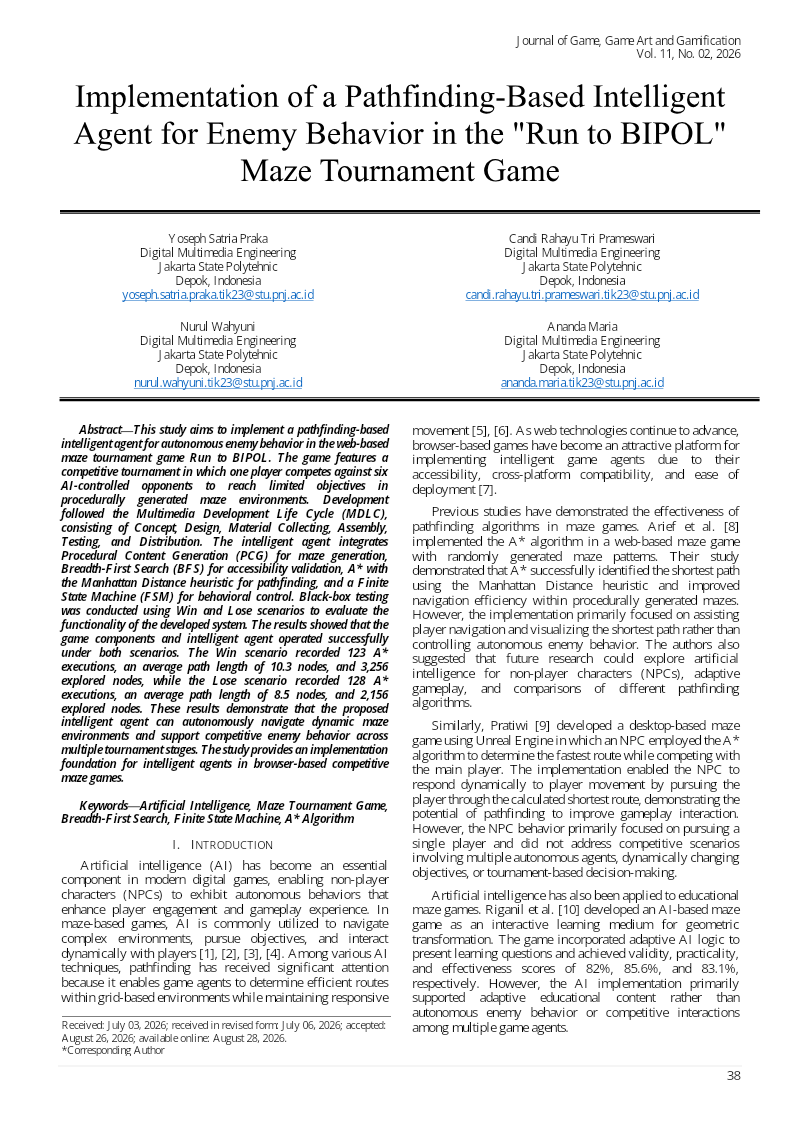
Implementation of a Pathfinding-Based Intelligent Agent for Enemy Behavior in the "Run to BIPOL" Maze Tournament Game
Journal of Games, Game Art, and Gamification · 2026
Whitepaper
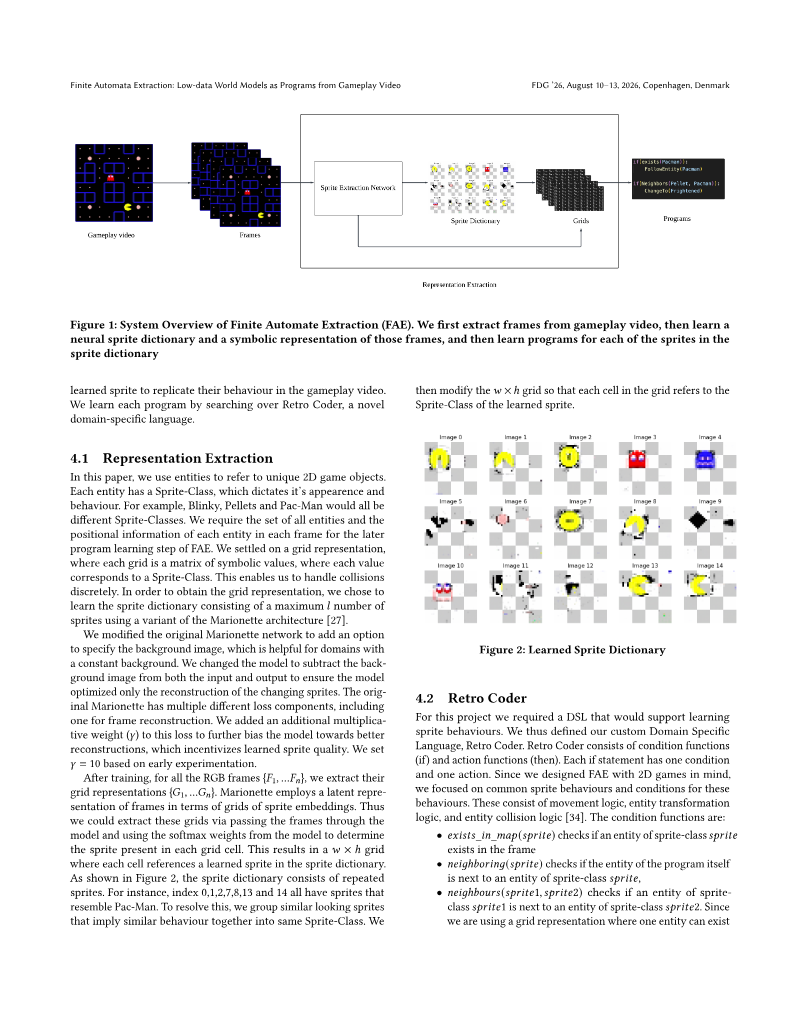
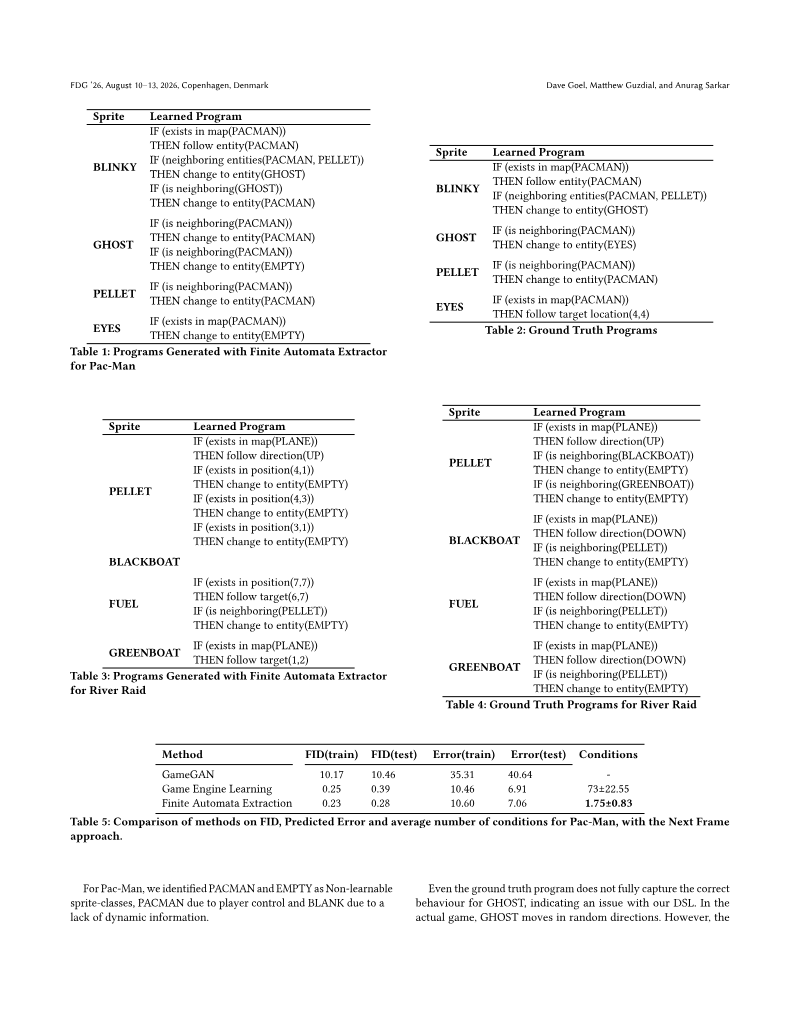
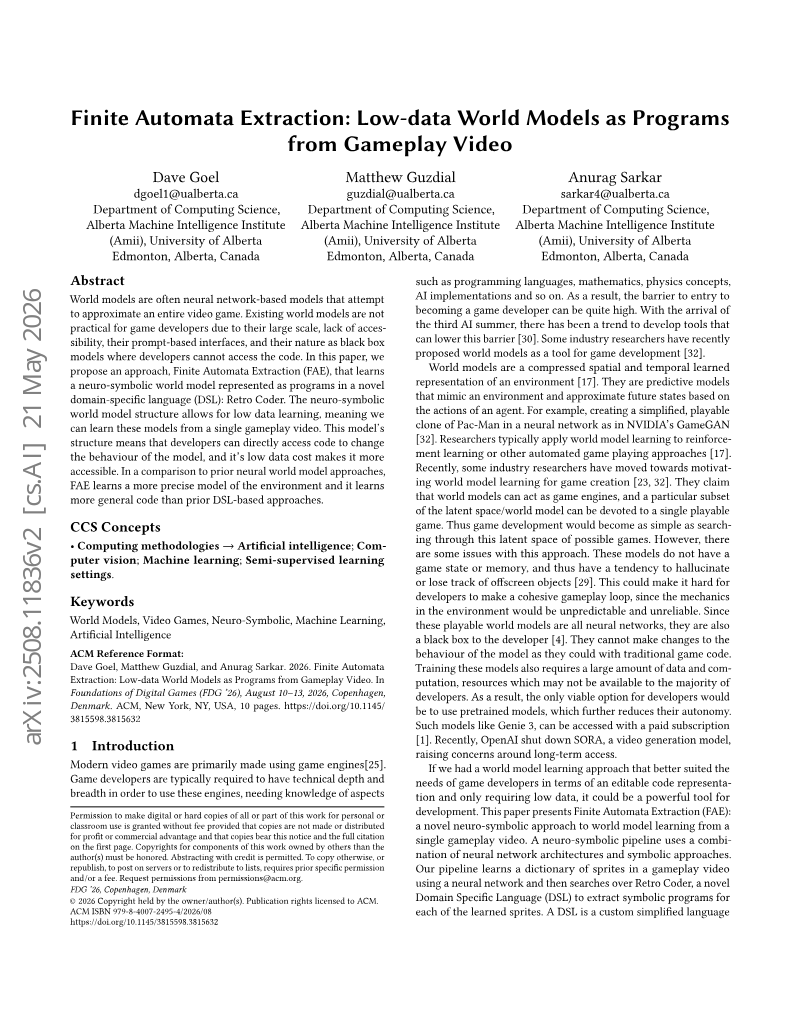
Finite Automata Extraction: Low-data World Models as Programs from Gameplay Video
Alberta Machine Intelligence Institute · 2026
Whitepaper
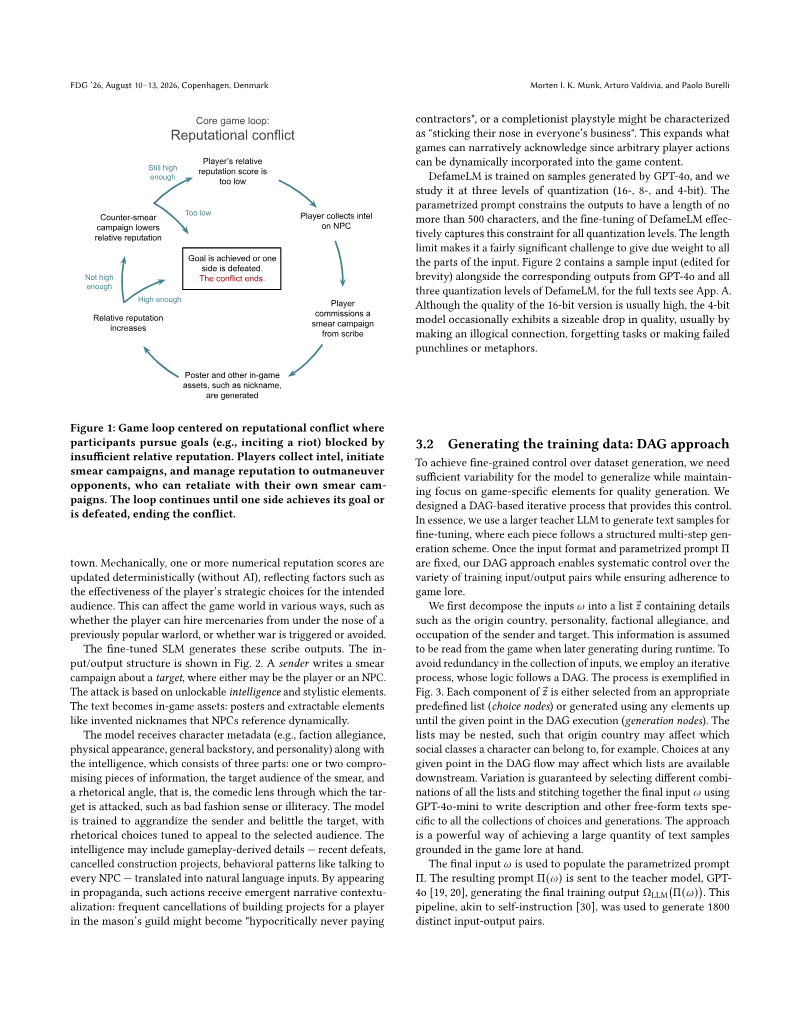
High-Quality Generation of Dynamic Game Content via Small Language Models: A Proof of Concept
University of Copenhagen · 2026