ArticleVideo Games Industry Memo
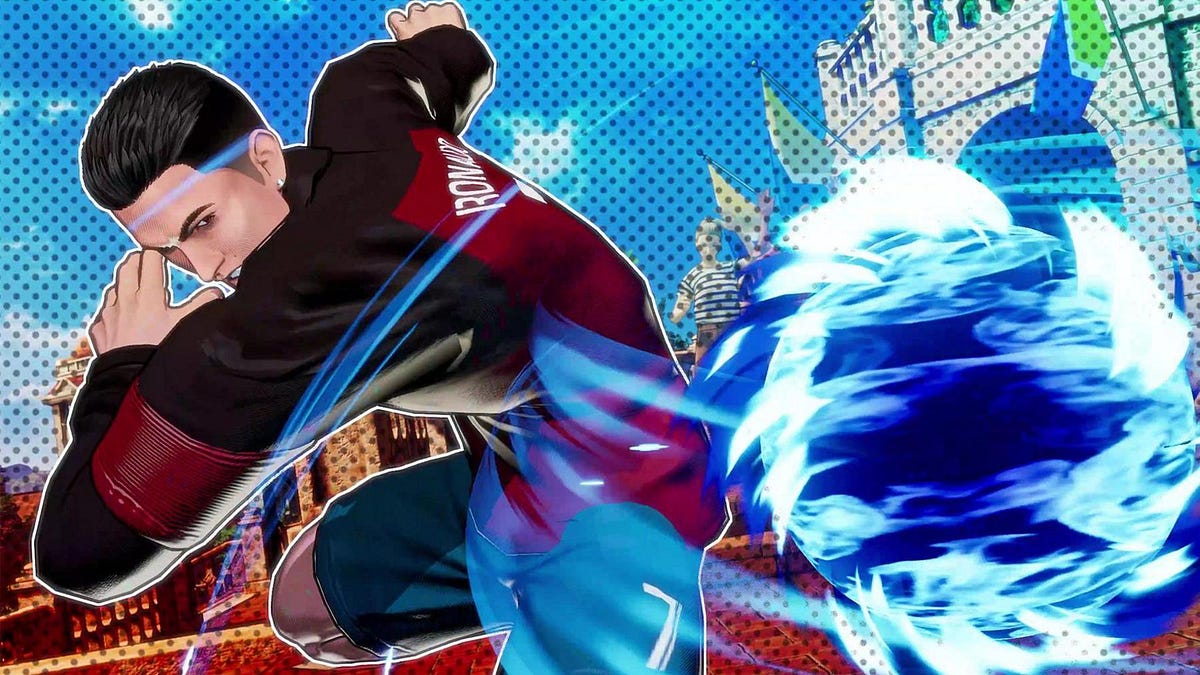
Why Is Cristiano Ronaldo in a Fighting Game?
24 Apr 20251 page~16 min full read
Key insights
4 slides
The headline
Cristiano Ronaldo is playable in a Saudi-backed fighting game.
Ronaldo appears in Fatal Fury: City of the Wolves. The collaboration serves Saudi Arabia's soft power initiatives.
The reach. Ronaldo has over one billion social media followers.
one billion
Ronaldo's social media followers
The acquisition
Saudi Arabia moved from a minority stake to near-total SNK ownership.
The state acquired the Japanese developer SNK. The process began in 2017 and culminated in near-total ownership by 2022.
The broader play
The Public Investment Fund acquired major esports organizers like ESL and FaceIt.
Saudi Arabia is building a cohesive ecosystem for sports and digital entertainment. This combines developer control with esports organizer acquisitions.
The objective
The initiative aims to bypass traditional geopolitical scrutiny.
The strategy focuses on mechanical gameplay and viral social media engagement. It targets mainstream audiences who may remain unaware of the underlying geopolitical subtext.
1 / 4
Ask AI about this report