ArticleOverwolf
What Media Channels Reach Gen Z Most Effectively? An Architecture for Attention
3 Jun 20261 pages~8 min full read
Effective engagement with Gen Z requires an architectural approach to media planning that moves beyond single-channel strategies. Rather than treating platforms as interchangeable inventory, brands should sequence media across three distinct functional layers: breadth, discovery, and depth. This framework ensures that marketing efforts align with the specific behavioral context of the audience, maximizing both reach and conversion.
The breadth layer is anchored by YouTube, which serves as a structural foundation due to its massive reach—covering nine-in-ten U.S. teens—and long session durations that facilitate video completion. The discovery layer utilizes short-form video platforms like TikTok and Instagram Reels, which function as primary research surfaces for consumer intent. Finally, the depth layer leverages in-game environments to capture high-attention, active engagement. Unlike passive scrolling, PC gaming sessions often exceed two hours, providing a premium environment for non-disruptive, contextual placements that correlate with higher purchase intent and brand consideration.
Data indicates that contextual in-game advertising, such as rewarded achievements, consistently outperforms passive social environments in attention metrics. By avoiding interruptive formats and serving ads during natural session breaks, brands can maintain positive sentiment while benefiting from the high cognitive focus of players. Successful execution relies on verified, first-party insights and third-party validation to ensure media quality. Ultimately, the most effective media plans treat these channels as a sequenced ecosystem, using breadth to establish awareness, discovery to capture intent, and depth to secure meaningful brand interactions.

Overwolf · 2026

Overwolf · 2026
Overwolf · 2026

Overwolf · 2026
Overwolf · 2026

Overwolf · 2026
Overwolf · 2026

Overwolf · 2026

Overwolf · 2026

Overwolf · 2026
Overwolf · 2026
Overwolf · 2026
Anzu · 2026

InvestGame

dentsu · 2022
Niko Partners · 2026
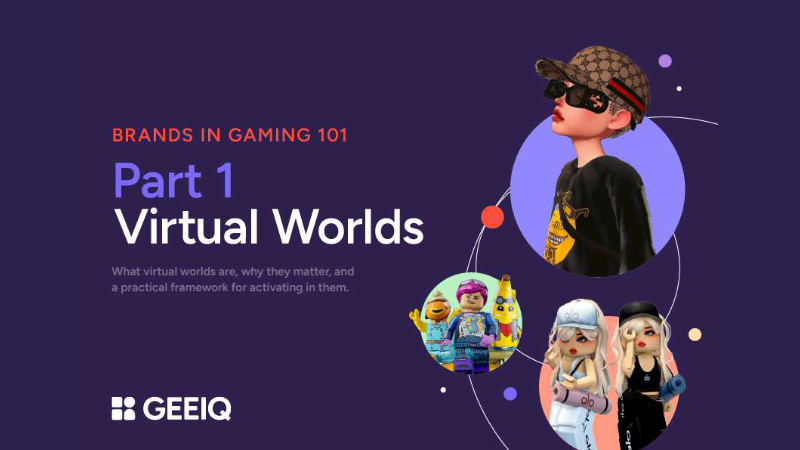
GEEIQ · 2026
Gamesight · 2026

SocialPeta · 2026
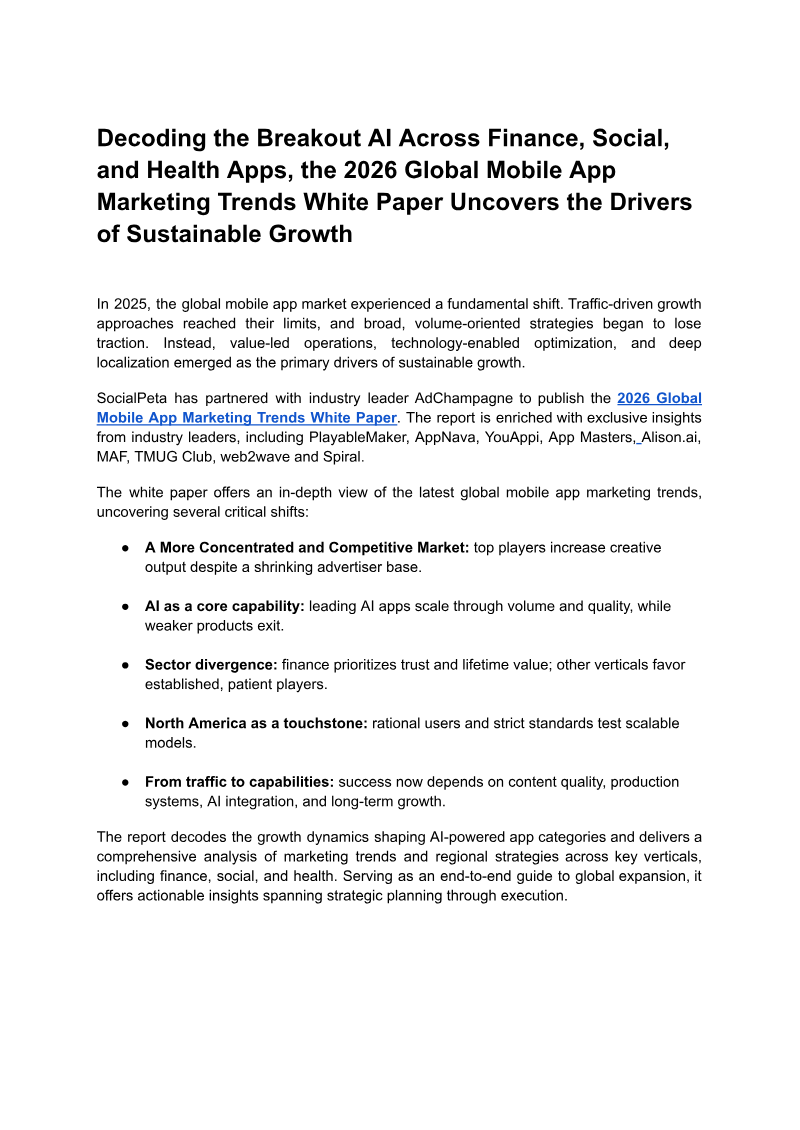
SocialPeta · 2026

SocialPeta · 2026

Raptive · 2026

Decision Lab · 2026

Moloco · 2026