1 free read left. Create a free account for unlimited reading + AI research.
Create free accountWhitepaperGoldsmiths University of London
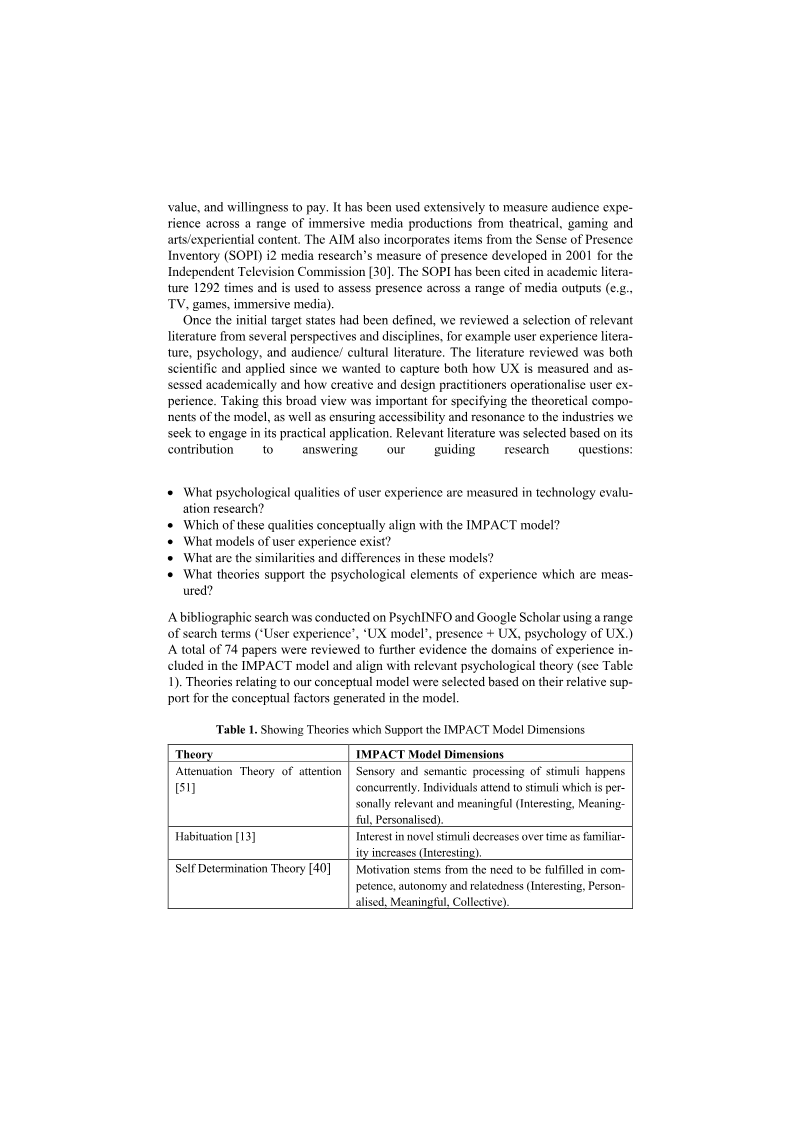
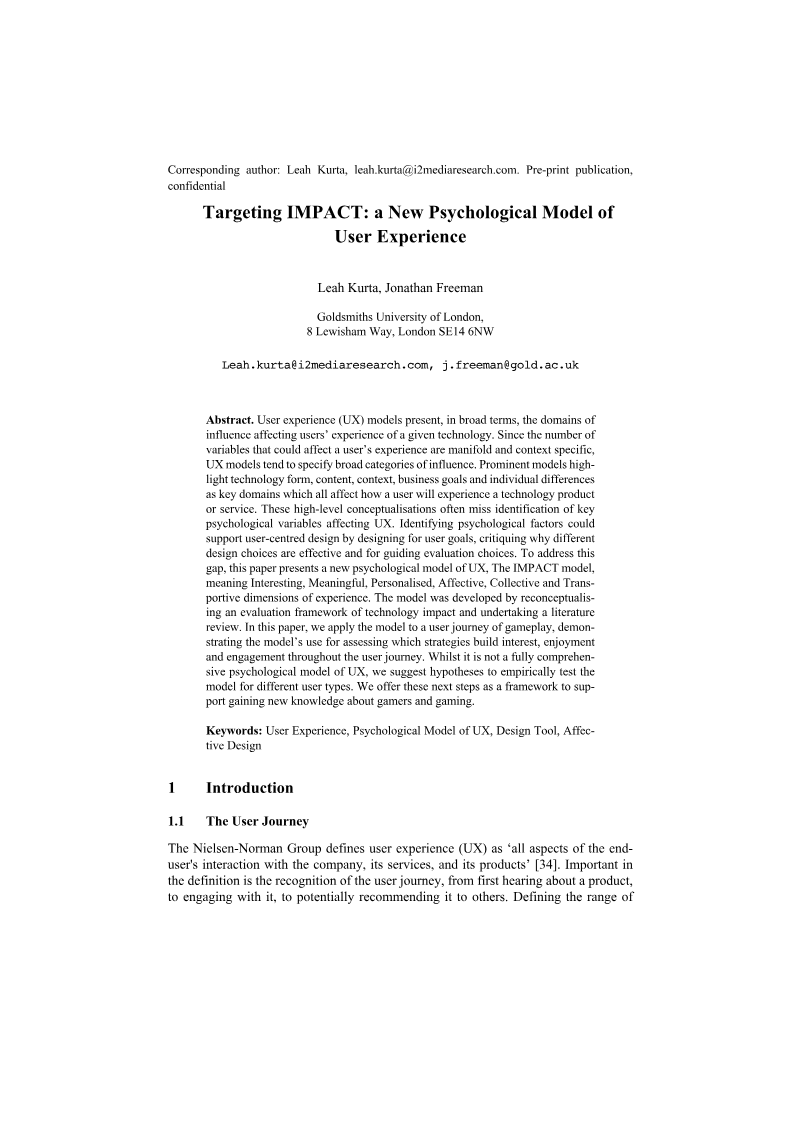
The IMPACT model establishes a comprehensive psychological framework designed to shift the focus of user experience design from purely functional metrics to the cultivation of specific, high-value psychological states. By categorizing the user journey through six distinct dimensions—Interesting, Meaningful, Personalised, Affective, Collective, and Transportive—the model provides practitioners with a structured methodology to map design decisions directly to player outcomes. This approach addresses a critical industry gap, moving beyond basic engagement statistics to prioritize the cognitive and emotional drivers that foster long-term loyalty and satisfaction.
The core of this framework lies in the strategic application of these six lenses throughout the development process. Designers are encouraged to utilize high-contrast sensory inputs, variable reward schedules, and social integration to trigger specific psychological responses. By aligning gameplay mechanics with personal values and fostering a sense of collective participation, developers can create immersive environments that sustain user interest. The model functions as a versatile tool for both ideation and the formulation of testable hypotheses, allowing teams to iteratively refine experiences based on how well design choices resonate with the intended psychological state of the user.
Drawing upon a robust foundation of cognitive psychology, neuroscience, and human-computer interaction research, the model emphasizes that sustained engagement is not merely a byproduct of functional efficiency but a result of meaningful, transportive, and personalized interaction. By prioritizing these human-centered dimensions, the framework offers a scalable approach to game design that is applicable across diverse digital platforms. Ultimately, the integration of these psychological triggers serves to bridge the divide between technical execution and the creation of deeply resonant, impactful user experiences that encourage enduring participation.
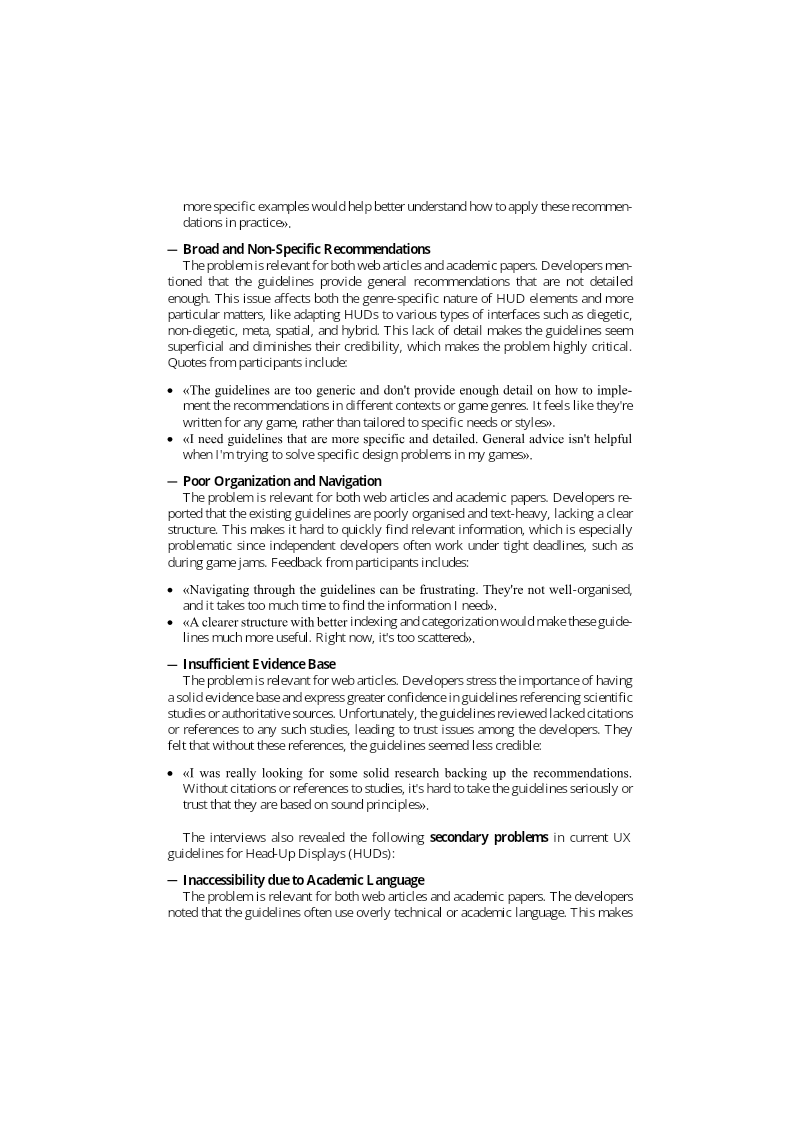
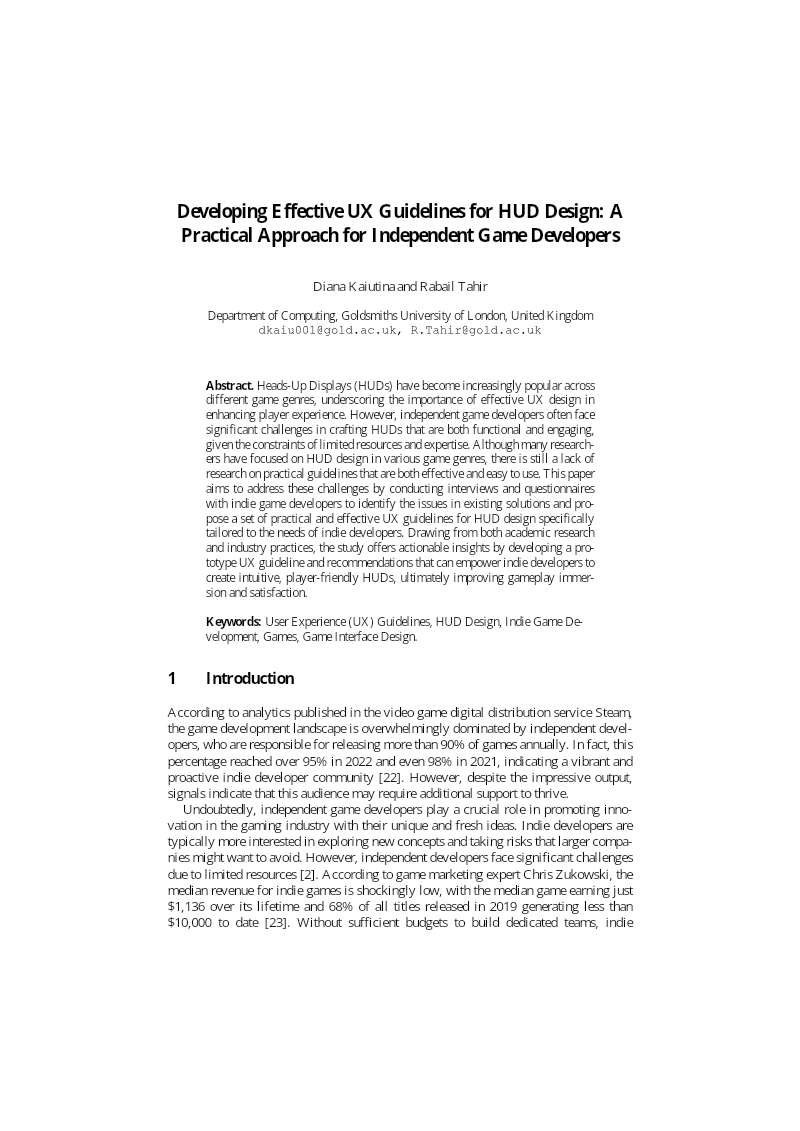
Goldsmiths University of London · 2025
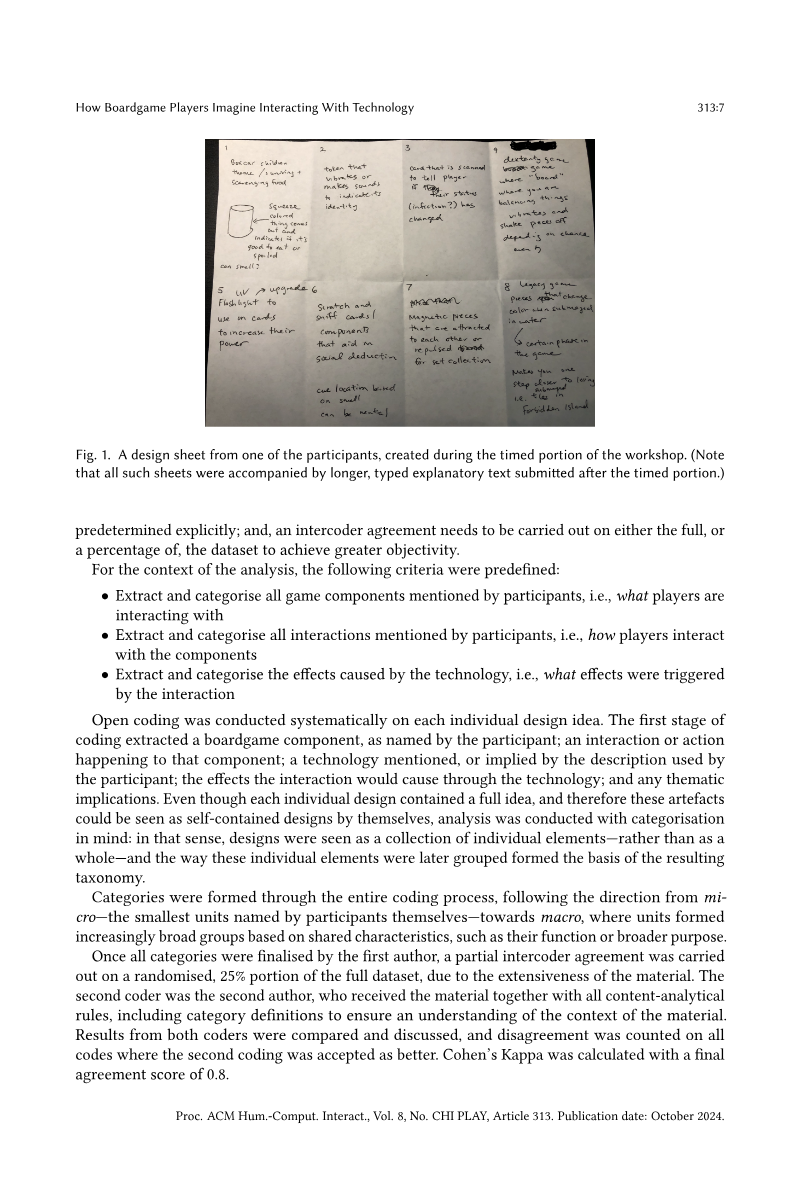
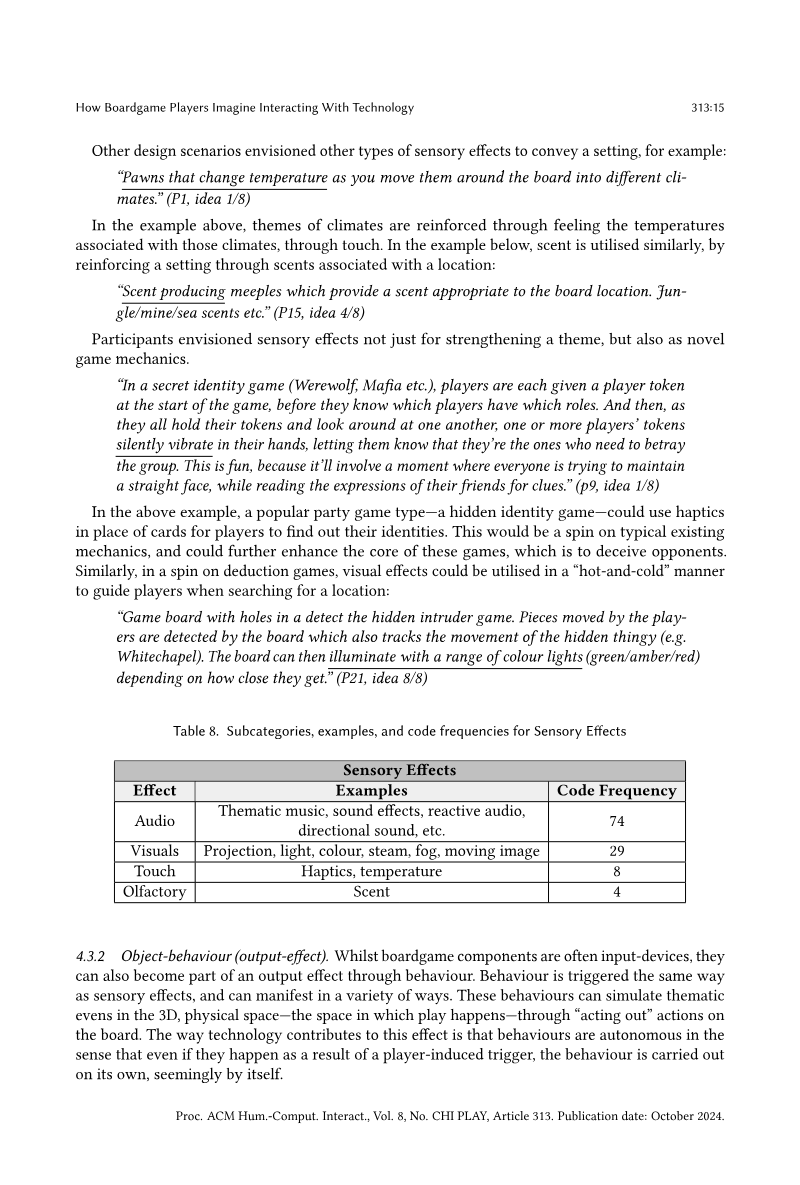
ACM CHI PLAY · 2024
Goldsmiths University of London · 2019
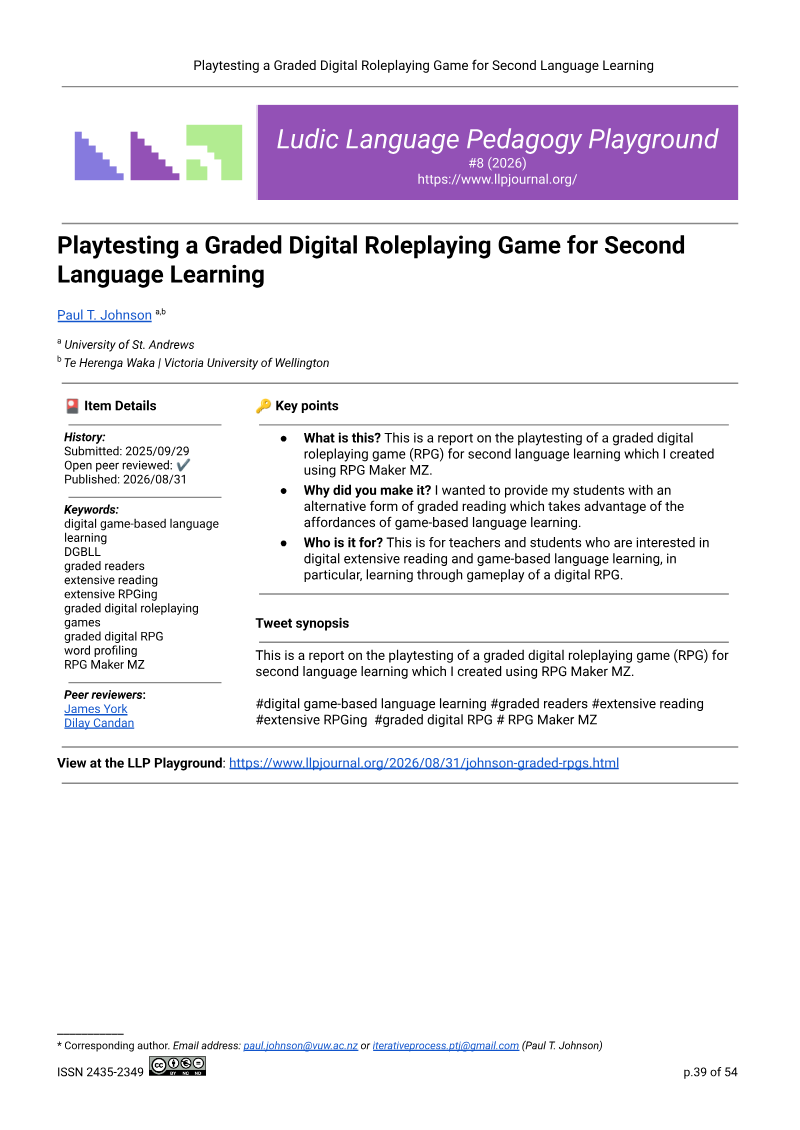
Ludic Language Pedagogy · 2026



























Comments