1 free read left. Create a free account for unlimited reading + AI research.
Create free accountWhitepaper ETC Press
1 free read left. Create a free account for unlimited reading + AI research.
Create free accountWhitepaperETC Press
This analysis of analog gaming explores the evolving intersection of design, player agency, and social interaction within the tabletop industry. The central thesis posits that analog games function as complex, multi-layered systems where rules are not merely rigid constraints but flexible frameworks for social negotiation, narrative generation, and creative expression. By examining diverse titles—ranging from competitive card games to cooperative narrative experiences—the research highlights how distribution models, procedural rhetoric, and player-driven modifications fundamentally reshape the gaming experience.
A primary focus is the shift from randomized collectible card games to fixed-distribution "Living Card Games." This transition alters the strategic landscape by prioritizing deck curation over card acquisition, thereby reducing variance and emphasizing tactical decision-making. Parallel to this, the analysis addresses the ethical implications of "pay-to-win" dynamics in competitive gaming, arguing that the influence of real-world economic capital on in-game success creates a tension between marketed skill-based competition and the reality of financial barriers. Furthermore, the study of games like Magic: The Gathering reveals the concept of "flexible simplicity," where players socially negotiate rule enforcement to maintain game flow, a phenomenon that distinguishes analog play from the rigid, code-enforced environment of digital games.
The scope of this inquiry spans various tabletop genres, including deduction-based mysteries, educational ideation tools, and thematic adaptations of literary works. In narrative-driven games, mechanics such as kairos—the opportune moment for action—are used to force players into high-stakes decision-making and interpersonal persuasion. Similarly, adaptations of established intellectual properties like The Lord of the Rings demonstrate how games function as "cybertexts," allowing players to generate counterfactual narratives that exist alongside original source material. Ultimately, the findings suggest that the enduring appeal of analog games lies in their capacity to foster deep cognitive engagement and social fellowship, often through player-led modifications that extend a game’s lifecycle far beyond its initial design.
Each row is a game or company this document names, each column a document, oldest first. A mark means that document names it. Select a row to see those documents.

ETC Press · 2023
ETC Press · 2023

ETC Press · 2022
ETC Press · 2022
ETC Press · 2022
ETC Press · 2022
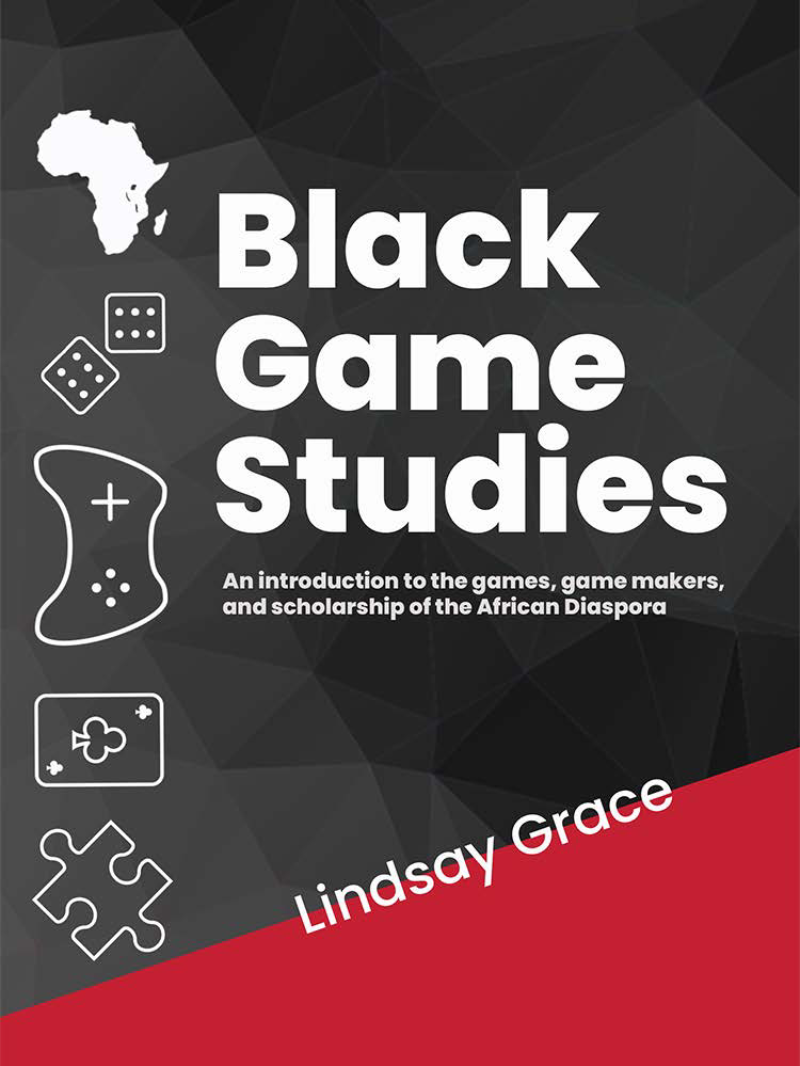
ETC Press · 2021
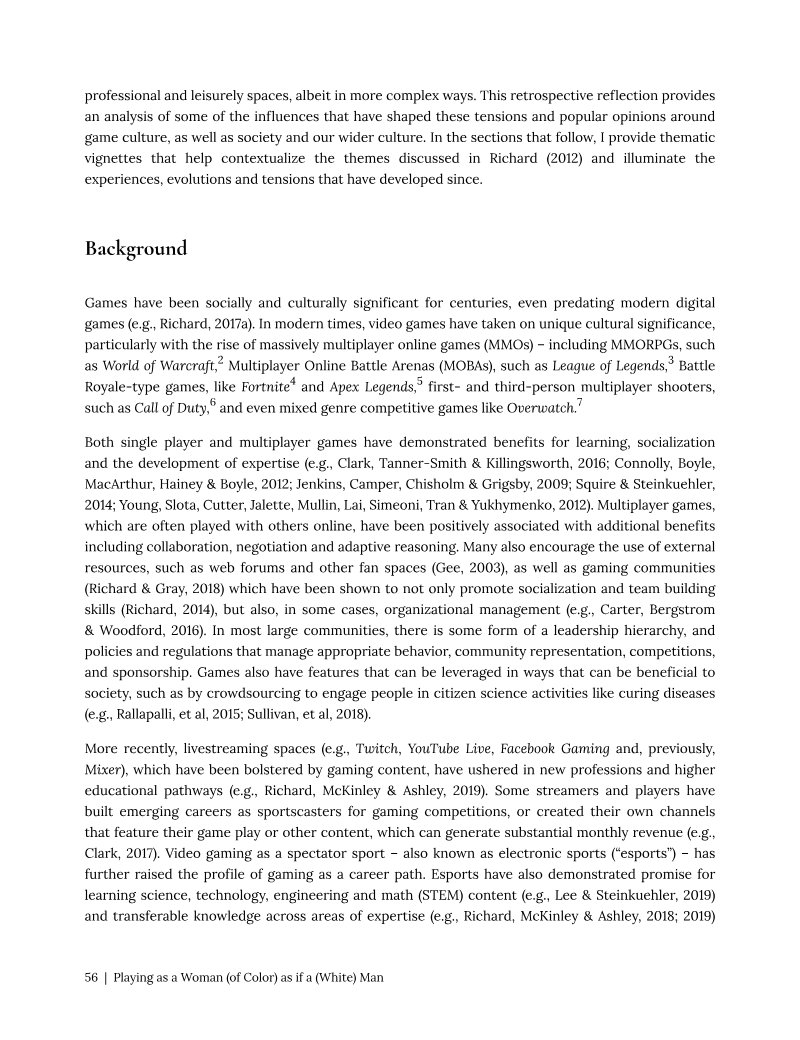
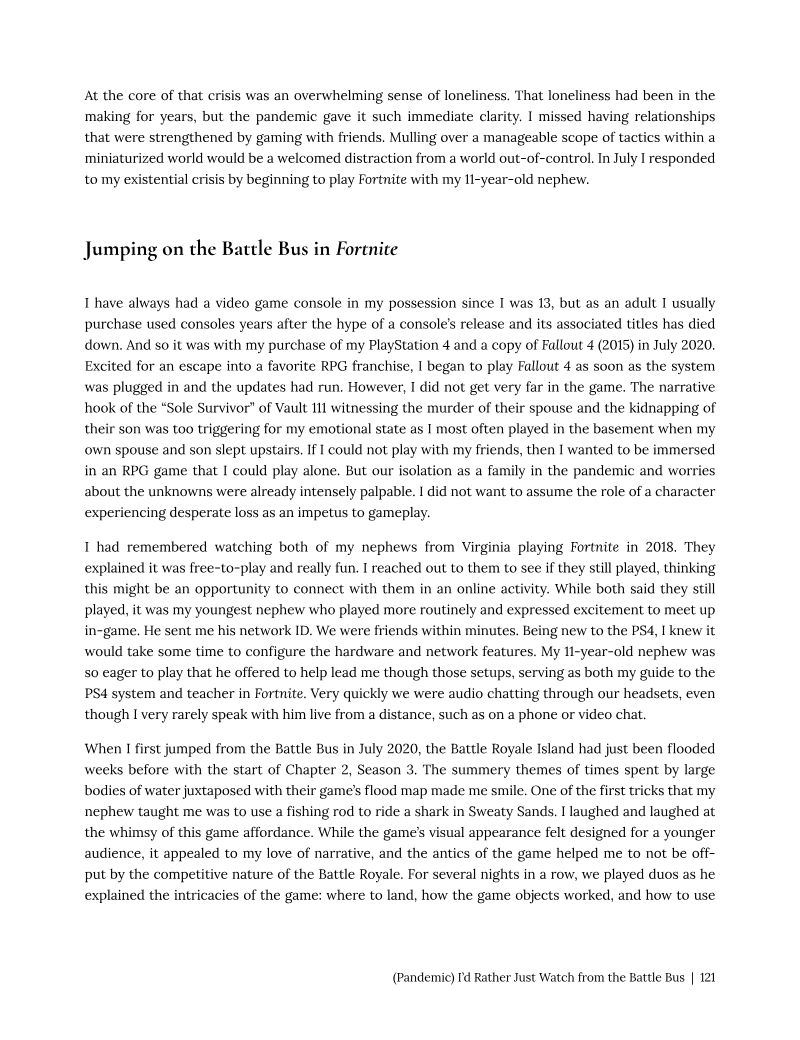
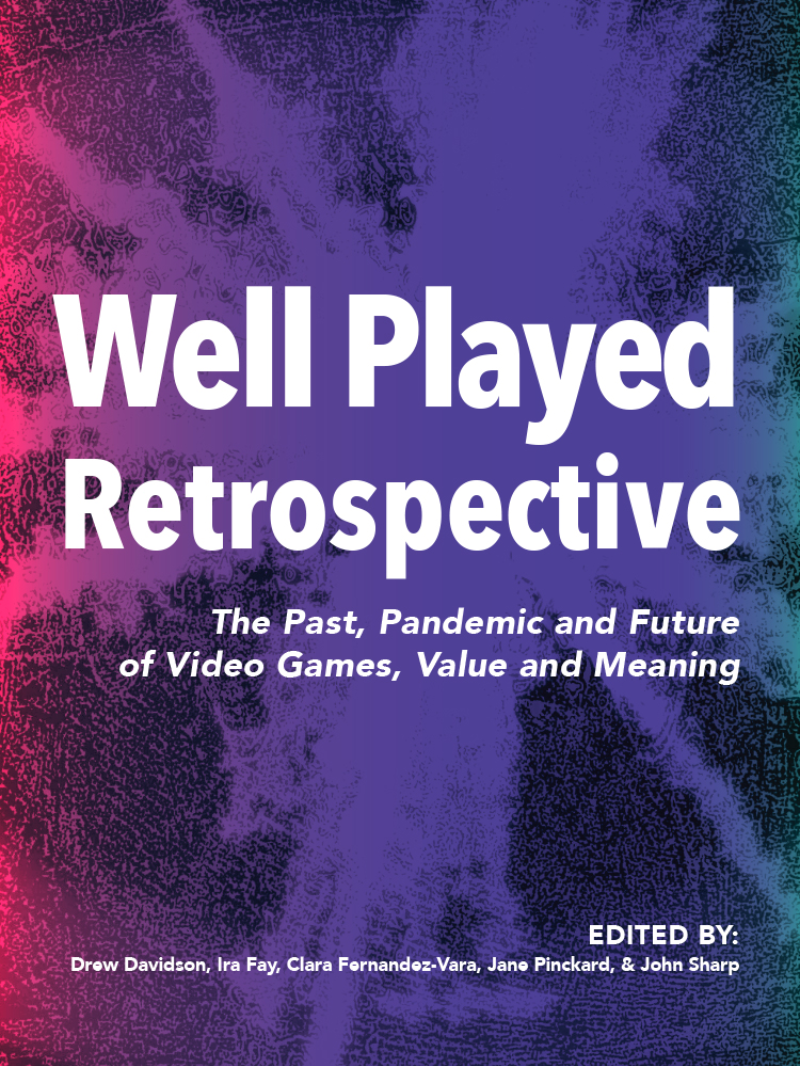
ETC Press · 2021

ETC Press · 2021
ETC Press · 2021
ETC Press · 2021
ETC Press · 2020
International Journal of Role-Playing · 2026