1 free read left. Create a free account for unlimited reading + AI research.
Create free accountWhitepaper ETC Press
1 free read left. Create a free account for unlimited reading + AI research.
Create free accountWhitepaperETC Press
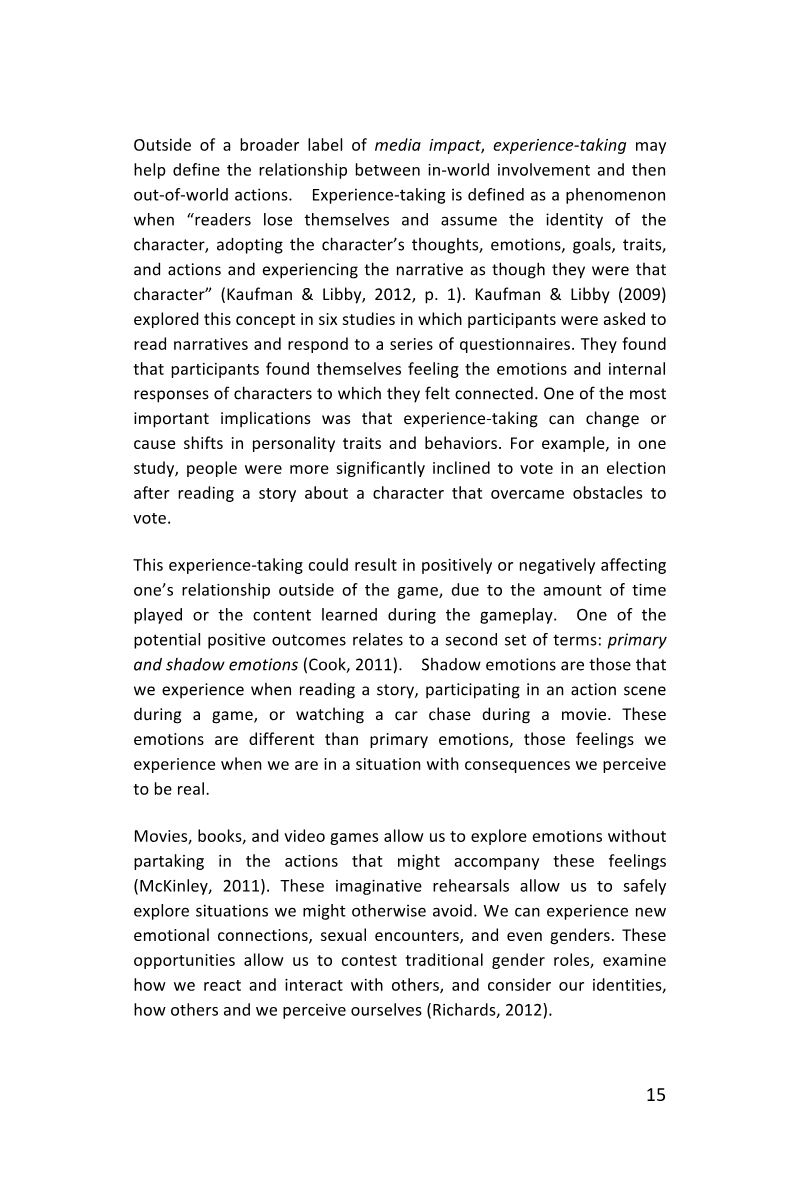
Virtual environments function as low-stakes 'laboratories' for identity experimentation. Players can rehearse social scenarios and explore diverse sexualities.
It's like a dress rehearsal for life, where you can try on different roles before the main performance.
Safe exploration. Virtual environments provide a low-stakes space for players to explore diverse sexualities and gender roles.
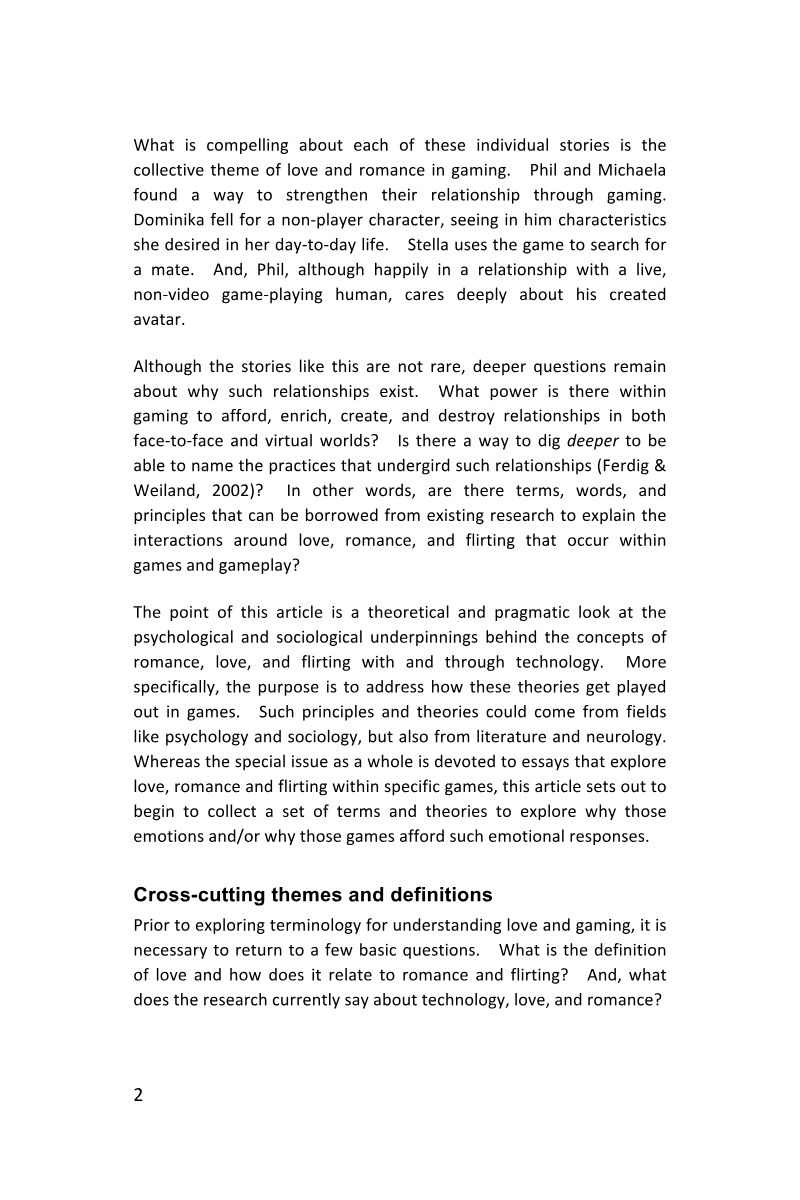
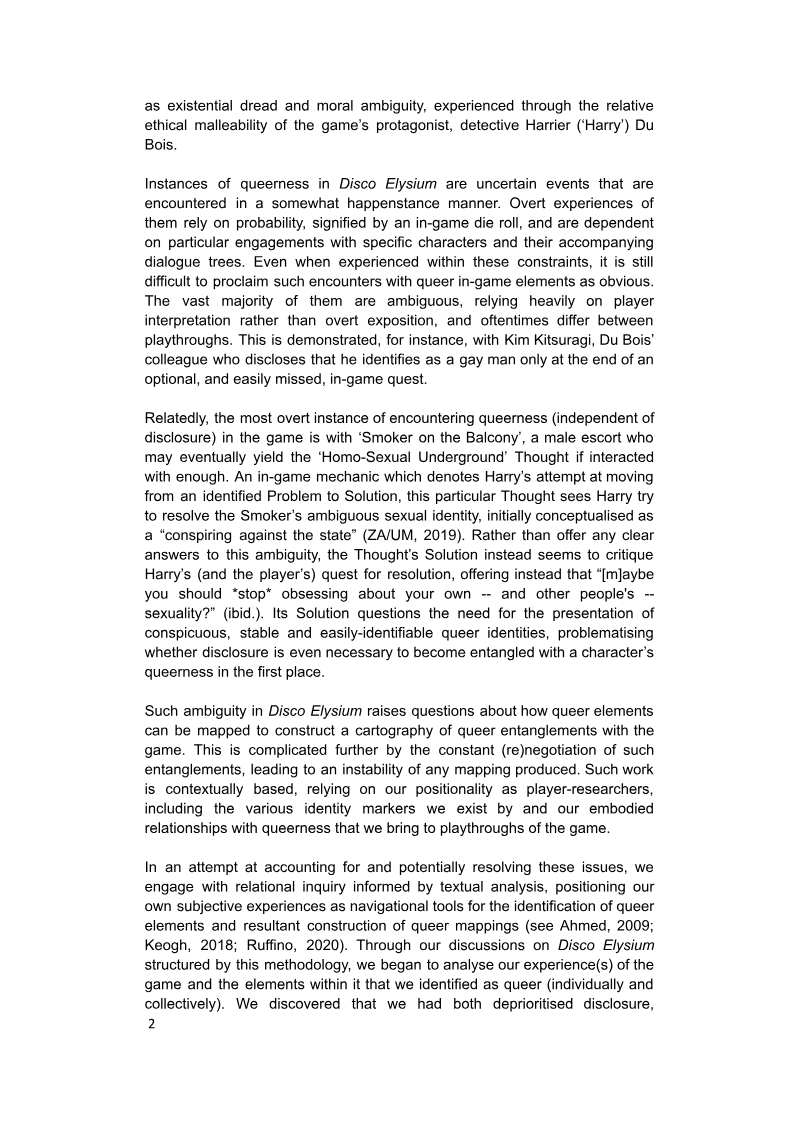
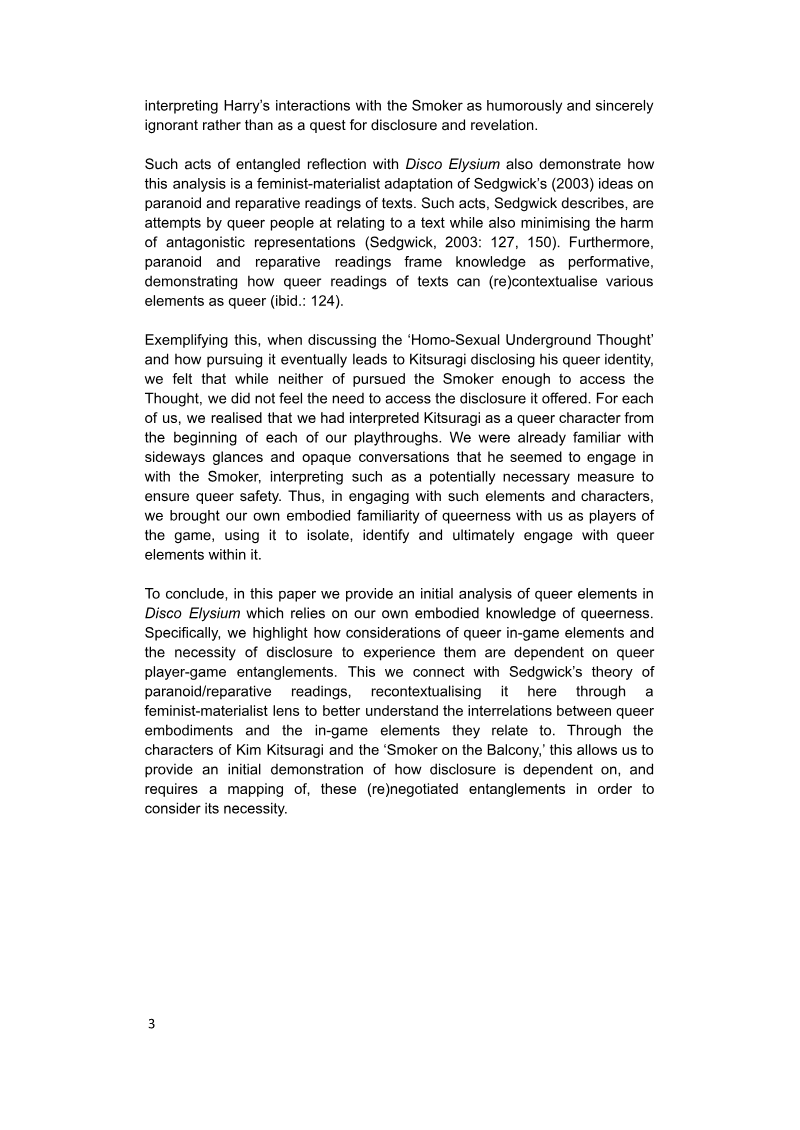
Digital games function as sophisticated platforms for emotional exploration, identity experimentation, and the formation of meaningful romantic connections. By bridging the gap between virtual interaction and psychological reality, these environments allow players to navigate intimacy through both interpersonal relationships with other users and scripted engagements with non-player characters. The medium effectively utilizes immersive mechanics to facilitate "experience-taking," a process where players adopt character identities to safely rehearse social scenarios and reflect on personal values, mortality, and societal expectations.
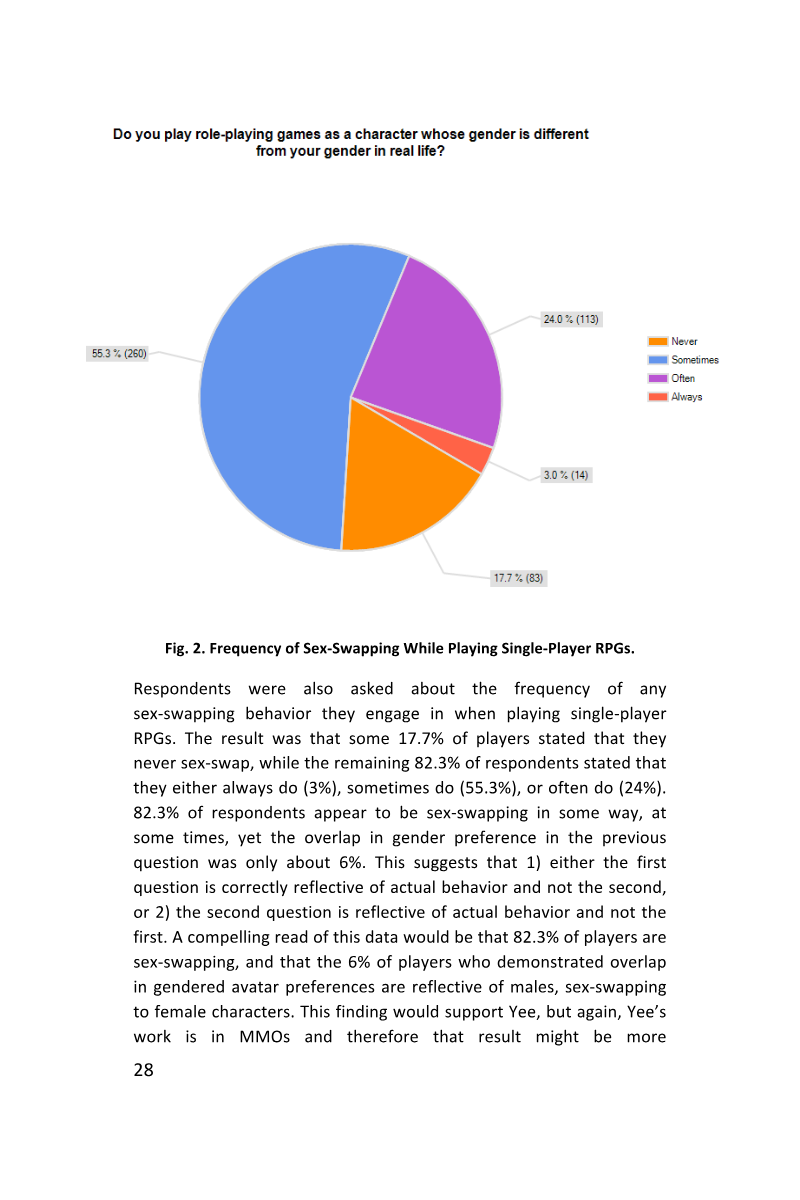
Research indicates that single-player role-playing games serve as vital, low-stakes spaces for self-discovery. Data shows that over 80 percent of players engage in avatar gender-swapping, while more than 70 percent of RPG participants pursue same-sex NPC romances to deepen narrative engagement rather than for superficial reasons. These behaviors suggest that virtual environments provide a unique cultural laboratory where players can explore diverse sexualities and gender roles outside the constraints of real-world social costs. This experimentation fosters increased self-awareness and promotes greater tolerance for diverse orientations among the gaming population.
The evolution of game design further reflects these shifting social dynamics. Early adventure titles often relied on restrictive, gendered fairytale tropes that positioned female characters as passive prizes. However, contemporary narrative design has moved toward models that grant protagonists greater agency, allowing for more complex, gender-neutral heroism. As biometric and haptic technologies continue to advance, the industry is poised to develop even more nuanced modes of digital connection. Ultimately, the psychological consistency between virtual and real-world social dynamics confirms that gaming is a significant, evolving landscape for understanding human intimacy, agency, and the multifaceted nature of romantic experience.
ETC Press · 2023
ETC Press · 2023
ETC Press · 2022

ETC Press · 2022

ETC Press · 2022
ETC Press · 2022
ETC Press · 2021
ETC Press · 2021


ETC Press · 2021

ETC Press · 2021
ETC Press · 2021

ETC Press · 2020
DiGRA · 2026