1 free read left. Create a free account for unlimited reading + AI research.
Create free account
We Raised a $10M Series A | Game Studio Funding Mistakes! 💰
Key insights
6 takeaways- 01Seed rounds have evolved to mirror traditional Series A requirements, necessitating tangible proof points such as playable prototypes and clear infrastructure plans before capital is committed.
- 02Investors now prioritize operational discipline and proven scalability over conceptual pitches, reflecting a shift toward a power-law distribution where only category-defining businesses secure sustained funding.
- 03While talent hubs in the Nordics, India, Turkey, and Latin America are increasingly vital, experience at established studios does not guarantee success in a startup environment, which requires distinct operational skills.
- 04Capital should be treated as a strategic tool for sustainable growth rather than an end in itself, requiring founders to balance financial discipline with a clear, long-term vision.
- 05A successful fundraising strategy requires a systematic, multi-month approach centered on securing a lead investor and maintaining structured, proactive communication with board members.
- 06Founders must avoid the pitfall of over-raising, as excessive capital can lead to unrealistic growth expectations and unnecessary equity dilution.
Ask AI about this video
Transcript
hey everybody leela games just raised a 10 million dollar series a financing with investors including rainfall bitcraft galaxy interactive sequoia india and crafton we also have a number of big time angels jumping in like ryan wyatt who was a former head of youtube gaming currently ceo of polygon thomas vu who was former chief creative at riot also famous for for being a producer on the netflix series arcane tane tael who is a godfather of the indian gaming industry and co-founder and ceo of moon frog which was recently acquired by still front so in today's discussion we're going to be talking about game studio fundraising and specifically series a funding and having raised a series a i actually don't even know what that means still but we'll talk about lessons best
practices mistakes based on my experience with this current financing round and here with me to discuss this topic we have two of our investors jasper brand from bitcraft and michael fan from galaxy interactive both of these companies were in our seed round and again participated in our series a thanks again for that guys and also our lead legal counsel for leela who actually yelled at me a lot for screwing up so much on this financing round and we can get into uh some of the reasons why and some of the mistakes i made but we have hans kim from mayfield venture law welcome guys hey great to be here thanks for having us so i thought we could start with your perspectives on where we are right now in terms of the general investment environment and the climate so we've had in the public markets we've had a bit of a correction and the word on the street is that you know we're
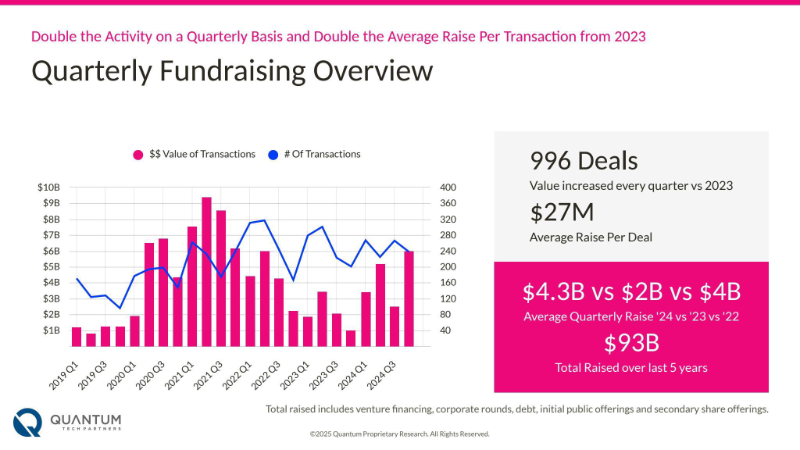
kind of hearing two things right that based upon the correction the public markets that you know uh valuations are going down in private markets but we're also hearing that um you know while it's easy to raise seed round funding that series a may be getting tougher but also at the same time i know bitcraft and galaxy you guys have raised big funds recently so maybe there's a large supply of capital out there to fund gaming investments so maybe we could start there jasper and michael what do you guys think in terms of the current funding environment how would you characterize that for entrepreneurs out there trying to raise money maybe starting with you jasper sure um so i think it's it's not big news that there's been more capital available than ever and overall there's been a great shift towards venture funding as a founder's market whereas before it was a bc market with multiple founders competing for bc dollars so uh capital is certainly not
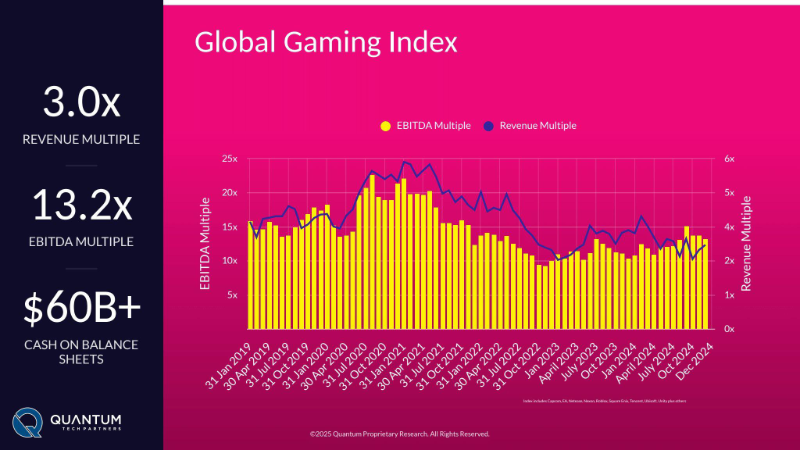
a true differentiator anymore and that's something that's exciting both for michael uh and and for us at bitcraft uh sector focused investors where you certainly get to take an edge um and get to help founders in a deeper way but overall while public market valuations have come down multiples on future revenues have stayed somewhat consistent in the in the game space and dry powder in venture capital has never been bigger and usually when there's a market correction even a big financial crisis you'll only see that in the dry powder for venture dollars basically like two to three years after that um so i think for the early stage market um valuations will still stay at an elevated level where they've moved to over the past few years with all of the you know crazy
seed focused funds you have available a number of funding rounds number of capital invested has grown rapidly um but that you know capital can probably also be put to good use nowadays with increasing salaries um where you know you guys might have a specific edge with your presence in india um but yeah overall you know you still may need to make dilution work um for for companies and founders uh so everything stays at a fair balance um and on the whole you know you get to raise your serious a probably with uh less proof points than it was two to three maybe five years ago so i think overall the the series a funding market is more active than ever will stay more active than ever and on the game side we see incredibly talented teams spinning out of blizzard riot and other studios similarly on the mobile side who are taking on ambitious new projects
and you have a pretty interesting dynamic with publishers from across the globe getting active at the early stages sometimes even getting involved at cedar serious a's and you know not just looking for publishing deals anymore but really trying to get access to some of the most talented teams that were not part of their overall umbrella before michael what about you maybe you could also speak to um like the number of deals you're doing is it more or less and are you paying more or less and then seed versus series a long term and very positive because i try to think about what are the things that don't change and one thing that doesn't change is entertainment no matter if the economy is good or bad people seek entertainment no matter you are in a peaceful environment or war environment piece people will see for entertainment right secret entertainment and within the entertainment video game is the biggest entertainment industry in the history of
entertainment and it's probably not going to change because a video game is also at the same time the cheapest entertainment possible right you spend eleven dollars for two hour movie in san francisco you spend the same amount of money at best buy or gamestop on discount you can probably buy one or two games and you can probably spend 200 hours playing a free-to-play game so this is the reason long-term i'm still very very bullish on the industry itself now in the short term i think there are things that are changing the first thing is people are let's face it making more and more money there are many many ways of making more and more money for example blockchain there are a lot of almost kids right who are making millions of dollars what does it mean for them it means that now they can become they can challenge the angel investors they are investors where do they invest if you have money and you want to invest and you don't have a lot of experience with investment or even a lot of experience in any uh
industry what do you do you invest in things that are very obvious what is obvious video game severe obvious because anybody at least can claim that they understand the content they can play the content of course it doesn't mean that you're a good investor but at least you understand why you like it so what does it mean now it means that anyone or a lot of people can look at the content and say this is good i have money let me put some money in so that will drive the price up so if the price is up for a professional investor what do we do we need to find opportunities where the price are down or compare you know relatively not that nuts so there are two ways we can do this we can either go early stage because what we have that these non-professional investors have is the resource the network right we can have better sourcing we know we hear about deals before we hear about this earlier than these non-professional investors or we can go deeper because we have the platform because some of us have worked in the industry for many years we
understand how it works so we can go deeper we can find the opportunities that are not obvious but going deeper is very hard hard means complex complex means a lot of money means a lot of cost so this is also why it's much easier it's much better in a way to go earlier now here's the problem if every single investor goes earlier what happens then early stage company have their price going up this is why nowadays you are seeing c deals that are made at a price of series 8 or sometimes even serious b it's just crazy so this is why in the short term i think what we're going to see is the price um actually what we are seeing now compared to 2021 is price are getting stabilized a little bit because people start to figure out that oh my god these prices are crazy i do believe that the price might calm down especially when some of the early deaths like what i typically call the powerpoint bet right you you literally just spend a lot of money investing in a powerpoint project and uh these projects some of them are are actually not going to be the market
some of them are going to fail and that is going to drive a lot of fear from investors who are going to be a little bit more cautious with our money so in the short term maybe in the next 12 18 months we might have uh going to see is some of the price going going down or some of the price at least stabilizing so that's my my current read which honestly is not a not a bad thing so the the real question now is what do you do as a founder right and my advice to every founder is really easy don't care it doesn't matter how the market is thinking how speculators are thinking how investors are thinking what you should really be doing is just do a good job because here's why if you are so good you will not be ignored if you are so good and the market is hot you are just going to be even hotter you are going to have an even better price but if you are good and the market is you are in a bear market the investors are always going to find ways to allocate the money but if you are in a bear market and everybody is fearing if
they don't want to spend their money on random stuff they are going to concentrate their money on the big deal on the real good one so if you're doing a good job everybody's just going to look for you anyway okay and hans i know you've been doing a bunch of deals what are you seeing in terms of like volumes and you know like the size of deals and things like that yeah it's never been a better time to be an entrepreneur this is we are really in the renaissance for entrepreneurs there's a lot of money out there investors are looking for good people talent to back especially in the game industry so the game industry is so dependent upon creativity and uh technical know-how uh and uh really this uh the money that's going in to fund these creative persons is is uh fantastic and it allows uh these individuals who might
otherwise have stayed at these large video game companies to go out and explore on their own and to start their own company so not only do you have the money but you also have the talent that's willing to go out there and take a risk this is this is all part of the ecosystem and that's why it's great to have more and more investors more venture capital firms and more funding now in terms of the valuations and everybody's complaining about these valuations are going up up it's because of the success of these entrepreneurs right people realize now that a small uh creative technical team can come up with a hit game and overnight become worth billions of dollars so because of that investors are shifting their their funds to these early stage companies and they realize they need to get there early because if they if they get there too late um if they get there after the game is released it's too late right the game's hit um it's bringing lots of money
founders don't need uh to raise capital um and and so uh it's really a challenging time for investors because they have to really look for the talent and look for the persons who can execute as well so it's talent execution technical skill those are the things that that i'm seeing i'm seeing the smart investors finding that talent and uh and and uh funding successful companies right and to the point you made michael like there does seem to be some ecosystem changes you're saying that there are some investors looking earlier stage we've also seen in the gaming industry you know massive amount of m a in the mid-tier market and so even like on the corporate side there have been a lot of corporate entities kind of looking earlier earlier as well and we've you know at least we spoke to a few companies that we typically didn't think would be interested in funding or being interested in other kinds of discussions
but you know we actually had about three discussions around that at our stage and we we got nothing right so like so that was very surprising and to your point there's more money out there and as money shifting around i wanted to talk about this notion of seed versus series a and jasper when we initially started going out for this current fundraising round you know we had described it as a pre-series a ultimately we called it a series a i still don't even know what a series a is so could you guys like hans what technically should a series a be and then jasper and michael if you guys could tell us how you guys define it that'd be great because i just know we raised some money but i i don't i still don't even know what what quite to call it hans yeah i mean the the term series a has really changed over the years so i've been doing financings for over a dozen years and and just in that short time it really has changed so um but but
in in today's market um uh what we call series seed right used to be the old series a so series a has shifted up uh and it really indicates several things one product market fit right and traction right so that's kind of what you would see in a traditional company right but but even in today's market what's happening is that these companies are getting funded earlier and earlier so even even at what they call series a might not fit those sort of traditional definitions of serious a and certainly your company right even pre-mo product right you're you're raising a series eight before you even launch a product so so i don't know if you really need to get stuck on the term series a um i think series a um these days might mean more in terms of how much you're raising right um uh these days a series a might be anywhere
from 10 to 20 million raise right for 25 of the company i mean i'll let the investors sort of jump in and and you know give their opinion yeah i totally agree with hunts you know the the seat has become the new series a in a way um previously siege rounds were pretty small um you know you really had a team the deck and for your series a then you know you got to partly still fund product development um you know putting a team together you didn't really have that much traction and nowadays kind of so so how early stage funding is supposed to work because you or it was supposed to work in seated series a is more like a step function and you had a clear proof point to raise on and now it's it's a bit like at your series a you launch your product in a way and it is your inflection point
already um and i mean for for us on the game studios side it has probably shifted more broadly or had it has not fully made that transition um while you get to test earlier then you know it used to be the case for box model releases and whatnot in free to play if you have ambitious to play projects you still have a lot of upfront uh financing for these companies and sometimes it takes 20 million or so or more to actually launch a product and put it into player's hand even in early access so for me how i think about it in how this de-risking step function works is at the seat you very frequently have really a core team of founders and a deck and an idea for a game um sometimes maybe a very initial combat prototype or whatever and then for the series a you really
have put the strong core team in place of you know 10 15 20 maybe even 30 people that shows your ability to hire a top tier talent to build a functioning culture strong organization and you have made some strides on putting that initial vision for an audience need into practice you have some form of playable prototype some eye candy you can show something that that runs in the engine maybe something you can play test depending on the game um but you're still not you know at that inflection point where you would be in in traditional uh tech venture where you have super scalable metrics for a b2b sales tech business or something like that um so it's it's still uh not not as clear and crisp and you don't have hard proof points most of the times on the mobile side especially on the casual side you get metrics much earlier because um funding for development and
shipping things is much quicker and you can you know ship things in canada or the philippines or wherever uh and find some initial validation but for games like hours at leela um it's a lot about building some initial friends and family play tests uh and then some core discord communities with you know maybe 100 200 300 people where you get your first feedback but it's not at scale so the proof points for most game studio investments at series a you have are still fairly qualitative and often still fairly based on a potential audience need um i would say that seed you have something to tell and a you have something to show from an investor's standpoint when we talk to teens raising seed money what we really focus on is what is the team what is the vision and we ask ourselves really this
question of do we actually believe this is the team the right team to build this and how much do we believe they can execute to actually build build it and then when we talk to series a companies uh it's all about what you have to show all right the team the story everything is very important still but at this point especially for the money you are asking show us something this is where we do a lot of um for example for what technical company we do code review for if you are building an online online game we probably want to understand your infrastructure you are back in life services do we have even plans for this um as a jazz permission we really expect you to at least have like uh like a first slice that we can test that we can try that we can see um and i think this the way i'm really thinking about uh the difference between c n and a is is is that like do are you telling me something or
you're showing me something and then uh when we make investment a i think the the questions we ask ourselves is okay um we now see that you can build it at least the first slice can it scale can it become venture scale that's you know jargon that we use can it be very very big for example right one thing that is very important for uh especially founders in video games to understand that unlike publishers as a vc we do not make money on your revenue we don't take a cut um of course it's very very important for us that you your game is successful but fundamentally we make money when your company exits so another thing to consider when you're raising money is to tell us the story of your company and not necessarily only the game right um so when you come to seed and a i think one of the big this difference is at seed you really don't have that much detail about your company uh a lot of people tell about the company culture which is a great thing but that's it
right but when it comes to a we expect you to have already hire some people to already have some maybe partnership even established so you have more of a company story of detail okay and maybe now shifting the discussion to different models of opportunity i think it might be instructive especially for other companies maybe in like emerging markets like turkey or china or other places like that and that that's kind of the model that we're following right which is to try and build an organization out of india in emerging markets but i would probably say that another model that i think is more popular jasper you mentioned like the x blizzard x riot guys i see a bunch of companies getting funded from folks who are kind of jumping out of blizzard jumping out of riot and starting companies but can you guys talk to like maybe the different models that you're seeing in terms of or different kind of paradigms of investment that that you're seeing in in terms of what you guys are funding today and do you see any kind of
patterns like that and then maybe specifically if you know of other companies following our model in terms of building out in like an emerging market it'd be it'd be great to hear uh and again maybe starting with you jasper sure um i think overall the geography split and companies that can emerge from there um are like their own little microcosms and ecosystems almost so while unity was born in in denmark initially and was a hidden gem there or you know the initial uh studios in the nordics or maybe you know peak in turkey um all of these companies then give rise to a broader ecosystem of trained developers who have experienced what it's like to you know be scrappy build something iterate have that mindset but also venture funding attention externally comes into the space and you have entrepreneurs who
themselves angel fund new companies that's been out of their companies you've seen that in all of these markets and now when we look towards india india had a rapidly growing uh kind of consumer and tech um funding share i think it was at like 40 in 2009 and it's like 80 in in 2020 so you you still need to build that fundamental infrastructure in the first place and um in last year they had 40 unicorns in the year before they had 10 new unicorns uh and now only one or two of those have been um games with dream 11 and mobile premier league not necessarily traditional game studios yet even if you think about it that way um but still the the games and entertainment funding in india has grown over 10x compared to the last you know seven eight nine years um and there is growing attention in the space
even you know your co-founder avinash at june gaming he he co-founded you know an exciting shooter company in the space and those are kind of the initial first steps where from these experiences people are ready to build something exciting and new and the number one success indicator for future successful startup is if a team has you know scaled a product in the company to you know um 10 million or 50 million exit or something along those lines um so having these guys who have been part of these transformational shifts is what you perhaps see with teams spinning out of blizzard and riot as well from the free-to-play wave in in the western markets that you have perhaps on a mobile site especially uh in in turkey in the nordics perhaps when it comes to social casino in israel as well so overall i think there are some pretty cool dynamics and india is probably the market that's next up on the rise with a fairly strong mobile focus and then if you look into other markets
for instance like later they have some very strong affinity to games and they have some pretty broad gamer demographics but if you look at the whole funding and venture environment there they're probably another seven to ten years behind india at this point and then if you're you know want to go very broad and think about connecting the last billion in africa there you have uh much much deeper issues when it comes to hardware and connectivity and so on which will probably take uh even longer but you know these these hidden gems um as the first studios you know really coming out of india and will be powerful to shape a broader ecosystem like has happened in the nordics and and is now happening in turkey and israel already um so definitely something very exciting and really looking forward to the first you know big big item one that will start shaping the industry as well um i would start by saying that there's a
there's um a misconception i think that somehow if you have been a very successful person in one of the very big publisher or studios you should be a very successful content slash studio entrepreneur that is not true when you work in one of this especially large organization if you have a problem you click on the button you'll have an intern when you are a founder you have a problem click on the button you'll have 20 other problems being a founder in a startup is so damn hard it takes way more than just knowing how to build a game again especially joe for example you are ceo and if i ask you what do you do on a daily basis probably very little has to do with building the game and that is unfortunate but that is the truth um so that is the the first i think important thing that people have to understand i think it takes a lot of humility to be a very good founder and if today you are a dryad blazer activision ea whatever
and you really want to to build something you have to understand there's a huge difference between building a game and building a company so that's the prefix now to answer your question i would say that international markets are of course very interesting for us i think but when we say international market i think there are two ways of looking at that international market as the we go there for the consumers or international market for the talent um china for example has is i think is a very interesting case because in the last 10 years now china was the market for the consumers right we go there because there are a lot of people there a lot of wallets and this is how we make money i think over the last few years what we're saying is using talent from china for the international market you know companies like mihalyo for example build engaging impact it's a very international game um the way we look at the things in uh at galaxy is we are actually more interested in the in the second category
where we can go to find the next talent the next entrepreneurs having a structural advantage to build games international um china is very interesting for us especially now with the crackdown so a lot of these very very good studios that are making tons of money in china slowly have some problem it's harder now for them to publish a game in china so they need to go elsewhere where do i where do they go how do they go there and what is very interesting for us is some of their studios will actually need help to penetrate international markets just a language barrier for example is a lot of complexity uh and i think that is where we see a lot of opportunities um jasper mentioned latin america another really good market for that for decades american companies especially american tech companies have been outsourcing in latin america uh they are also in the same time zone as the usa so that just makes collaboration very very easy and they learned over you
know the last decade the different traits and different skills to be at at least on par with a technology company in the u.s so the question is what new do they have to offer if we invest over there do they have teams that can build games that are never going to be built in the u.s from a culture standpoint and are they going to build games that are much cheaper than building here for example in the silicon valley so these are the questions we ask ourselves and then i think there's a there's another thing that we want to explore is uh on i would say almost on the business model uh depends on your environment you are either very lazy and you just do whatever everybody's doing or you actually have to push and try to innovate let me give you another example about china um about 20 years ago i would say it was impossible to think that chinese are ever going to to pay for again like everything is just piracy i still remember over there like the first experience i ever had was actually on the boots like a russian was like called the xiaobo so the question over there was how are
you ever going to make money with content in china because no one pays for that well that market condition pushed the chinese studio to figure out their own business model and this is why all the modern free to play or paid to win are actually mimicking the chinese free to play and pay to win so the question goes for what about india what about even russia for example right i think i read the piece of news where russia officially have allowed piracy i don't know if it's fake news or not but if that is the case then the question for me is okay what is what is that condition going going to push the the studios of the publishers how are they going to to to survive in that new condition and and that's in a way very exciting to us because this is where we see uh innovations got it in hans i know from a legal perspective lila's a little bit different we've got like kind of you know a u.s entity but then that owns like an indian entity and when you think about kind of whether it's hybrid models
like ours or legal considerations when it comes to ip for some of the studios building out internationally what what are some of those gotchas or things that people should look out for um let me just touch on michael's point first of all in terms of international right and and um it used to be that uh the money the tech the know-how was in the us right and the rest of the world relied on the us as a center for innovation and creativity you see that with games and you also see that with hollywood and that's not true anymore right the ecosystems around the world are developing in china and korea and in in india all around the world so it doesn't matter it just what matters is that you have uh the talent right the technical expertise and the funding right and that's the one of the interesting things that's happening around the world is that
because there's been so much money in the system not not only just from the games industry but just technology overall and i think uh that's led to some very interesting ecosystems around the world so in terms of legal perspective it used to be that the money was centered in silicon valley in the and not just in the u.s but in silicon valley for the for the funding of tech companies and you used to hear venture capitalists say i'm not investing in any company where i can't drive to right so uh because they just didn't they didn't think it was worth the trip and that's changed completely like right now it's like people are flying so venture capitalists are are exhausted now because they're taking flights all around the world to find the talent and that's they have to do that because because the most successful companies are not just going to be in in this radius having said that there's something to be said about
um the the sort of the synergy that happens in certain areas and silicon valley has really figured that out they've really had the critical mass of folks and the talent and the money is here but uh it's happening around the world as well um so just in terms of that the legal aspect of it um that's the other thing that we're seeing right the money and the tech that's here is also seeing the talent abroad and so you're seeing a lot of subsidiaries being set up to to uh to actually build the games to do the technology for the artwork the one of the things that we've seen is that there's a real shortage of talent right professionals at all levels in in this it's a to z in the game company uh in even in the legal industry right to get
the support for for all these deals and and what what's happening now is that people are looking abroad to fill those gaps and and again it's it's the circle that i think is is uh is creating ecosystems around the world and it's just going to be great for uh for entrepreneurialism right and then in terms of any uh do you do you have any thoughts in terms of some of the legal complications from having like more of a hybrid model like we have any advice you would give from a legal perspective if you would well certainly it's a challenge to man because the games industry really is about people right and managing people and managing the output and getting them all collaborating on on this wonderful creative effort and to get everyone on the same page across time zones across languages across cultures i think it's the biggest challenge and and um [Music] and you know but so that that's the
biggest challenge right now okay and maybe before moving on so like michael you had mentioned that maybe you are not as much of a fan in terms of the x riot x blizzard type of model but is there an ideal startup profile or gaming startup profile that that you look for specifically i would use that i would say that um i don't necessarily think that being an ex blizzard and x riot makes automatically you a really good startup entrepreneur um that is the nuance um i think it depends on what you do but let's focus on studios jeff minter mentioned one day in one of his conferences he said that the most crucial and the most important skill you can ever learn in this industry is to ship something it's so damn hard to ship any game so one thing we particularly look at when we look at the founders and we mentioned seed for example before and when we look at the seed we want to understand what have you done
in that game you mentioned that you have done have you really contributed to shipping that game that is a very important factor um then what we also like to look at is why is your idea good we have this notion this jargon always of a category creator meaning that do do we believe that if your game is successful if all the planets are aligned uh your game is suddenly going to create a new category or change the category right why that is important to us is because if you think about this the video game is such a competitive you know um environment there are so many good games especially today i checked my my steam gaming list there are so many games i bought last month that i haven't even tried right it's so hard so the best way for you to be successful as a studio is if you can create a game that everybody talks about even if they
don't play but everybody talks about and usually it's because you just changed the category or you create a new category so that is something we will look at and then the third point that we look at is from i would say the the more technical standpoint do you have the ability to actually build it um if it's a modern video game especially online modern video game you realize so much on the back end so one thing we want to understand is okay what are your plans can you even run it do you understand the cost do you have a good understanding of your unit economy it's good that you tell me you can run you know a hundred and hundreds of thousands of people concurrently okay good um are you going to make money right so these are the also the question we ask ourselves and then that is more specific to the studio and then you have all the i would say standard question you ask any founder in any startup company um so i think these are more generic uh and probably if you want to have a good
understanding just look at the question of what combinator would ask we kind of ask the same jasper what's the ideal startup that reaches out to you oh god um that's a tough one um so i think you know and many traditional um vcs always ask me you know what what do you look for in a game studio and you know how can i access a game studio i think it's it's pretty similar to a traditional tech company in the broad strokes um you know to keep the response as broad as the question is um you're looking at people who are incredibly hungry who have this bug to create um you know who want to change the status quo um who are you know maybe maybe more like a formula one car instead of a sedan who you know really wanna change something they have this this inner urge um they have a sense of speed um and they have an ability to inspire other people and that includes hires
that includes players that includes investors as well um and they're having an ability to also be self-reflected enough to know where they are weak they get advice from other people where they think it can be helpful um they you know managed to put together a winning team and controversially it's not um it's a really success defining criteria if you have a lot of um industry track records subject matter expertise or um you're a solo versus multi-person founder in the broad venture ecosystem but i would say when it comes to making triple a type of games products um it is very much advisable to have you know made games before if you're in more metrics driven um you know lower touch uh environments like mobile casual or
something i think if you're just very strong analytically you can get away with much less but if you're swinging for a triple a product you know like the x rider explosion fox usually tend to go for that is you know maybe pc first or other platforms it is very hard as michael said to make a game even more so if you haven't shipped a game before so you know if you're building a studio in that space i would you know definitely look for some track record in in building games and um you know not just having the right or blizzard logo on your cv but having made an influential contribution to some key element of a potentially industry defining uh game i don't envy you guys at all i don't know that that's a really really tough job to find those folks um i mean to identify the talent and figure out who's going to execute and who's not and whether they're going to actually make a game that that's going to hit especially
in this competitive environment can it have one i think um over the years having the opportunity the enormous opportunity to meet great great entrepreneurs i think there's something common they're organized they're focused they're consistent so when we talk to teams especially the the founding team one thing we really try hard is to diagnose if they have these traits are they organized are they focused are they consistent i believe that if you have these three trades it will at least give you a higher chance to succeed in your mission got it in terms of your inves maybe i could ask this question to the investors in terms of your investment philosophy do you find you you have to spread your chips out a lot because uh because you're just not it's a hits driven business right so this is why i said i don't envy you guys because
um that one hit is going to pay for all of those other investments that that fail and and it's really it's really finding that hit right finding that one diamond that's that's in the rough and and just recognize and accept that you're going to fail on a lot of your investments yeah i mean unfortunately and that's you know i'm sometimes sad about this um the venture return math works in power law distribution so one two three investments make the majority of your returns in the fund and that means the games you have to swing for as a venture investor are you know these category defining companies that michael referred to earlier and there are so many great talented teams out there who build great games who innovate a specific niche genre and to you know deliver something stunning for a specific audience but they do not have the the venture scale
and there you know quite frankly i always talk to game studios and ask them about their ambitions their plans how they want to go about it and for some of these guys it's better to stay private to own you know 100 of their company maybe go publisher route uh maybe you know have a strong profitable first game two three maybe do some co-development even um to fund the the operation and development of the main game they want to ship um and then you know maybe they even have a premium price tag on their game they stay in beta or early access for a long time and try to transition to liveops from there um they stay try to stay fairly nimble iterate and ship new games um but yeah for you know every one team we say yes to we have to say no to 99 teams and that includes you know many very strong passionate driven teams that fit all of the criteria when we mentioned earlier yeah there are there are so many especially in content there are so many times i told them i will be a consumer i
will be a player but i would not be an investor all right i thought if you passed despite not knowing anything about fundraising and that's what i want to go into next because i wanted to talk about the fundraising process specifically i think this is an area where i clearly didn't know what i was doing but somehow made it so that's that's great so but i wanted to dig into some of the details and guys you know me feel free to call me out say yeah you screwed up here you scared i know i i know i screwed up so but i thought we could start maybe with like the fundraising amount and i think you know jasper early on from the seat i think we had talked about like the typical process looks like you get you raise enough money for about 18 months of runway just like the heuristics of it right and then and then you try to raise your next round you know when you have six months of runway left now we started fundraising when we had of our 2.8 million we still
had like over 2 million in the bank so it was like earlier and i think when we had originally started talking it's like well maybe we'll you know we i i think that the conversation started because i was talking to another friend of mine eden chen and just thought raising money would be good and then we saw some potential other opportunities like cross-platform and other other ways we could potentially spend the money so that was what kicked off the conversation and then the initial conversation was about raising a little bit of money like one and a half two million and then we kind of like we're looking around we saw these other guys raising a lot more money and then it's like oh well maybe we should go up to seven and then it's like oh what seven ten and then we even have to like you know because of the haunts to your point about the amount of money out there right like some of the guys that invested in us typically would never write a check that small and i'm not sure how happy they were but like you know we have to get them from like five to one or you know things like that so um maybe jasper michael could you talk about
the current like fund rate what should the fundraising strategy be for series a now i i think we just kind of did it ad hoc and you know i i mean i just feel very fortunate that everything worked out the way that it did but how should people be thinking about when and how much money to raise series a versus whatever in i don't know jasper you want to start sure sure i think um the crucial piece in in your case from your seat round and um what we had planned back then is that you expanded the vision and the scope in two or three areas which kind of requires a little bit more capital as well so the initial thinking was hey do we potentially just get a little bit more um dry powder to be dangerous with so we can build this out get through soft launch and and have a good um you know set up there to then raise a serious a but then you know kind of listening a little bit to to the market
and after some conversations you know you guys you have put together a strong team um you've put together a first uh prototype that that looks great um you have a very exciting vision that um you know is very in in the zeitgeist um and from there you know we were not really serious a ready it felt like back then so we said like hey you know let's test out the market that's called a pre-serious a you know this is an opportunistic round we're expanding the scope but we want to put gas on the fire and you know have a meaningful quantum to be really dangerous with um and then you know talking to investors i think we put together a nice list of strong potential um leads who who could take a solid step there uh including vcs and publishers who invest um and i think within two or three weeks you had your first term sheet so you know that that's not something that's trivial either so you managed to to do a good job presenting
everything well and and you know inspiring investors that you inspired the the team members before um and from there you know we we always had the optionality to raise raise a little bit more um you had the conversations open with the with a few interested parties uh some came around then uh and that that's usually you know an interesting dynamic uh some founders um go around the blocks who have you know tons of co-investor interest almost for the entirety of the round perhaps but they struggle to find the lead um finding a new lead is probably the trickier piece which you managed to do first um while having some some angels and so forth committed already um but with a lead i think then the final dominoes that that start to fall people start to get perhaps a little bit of fomo they see oh there's real merit to this and they want to get in and get in early and want to be a
part of this so even though you had to push some people around on their preferred allocation i think having that lead locked in certainly helped helped a lot there to get this going right michael what do you think like how should someone come up with a specific number whether it's 7 or 10 or you know 15 or whatever how does that number generally get get decided because you know we just kind of pulled numbers out of the talks basically so they are think about this as a almost as a product manager um you have my recommendation is to know exactly what you want to do don't think about the money yet i know it's hard but think about what you want to achieve have a list of your milestone that you want for the next you know few quarters and then ask yourself can you achieve that with what you have today if you cannot why and
once you have established the list of the reasons that are preventing you from achieving your tasks then you ask yourself if i had money or more cash can i buy these solutions that should be the way to think i i believe from from the entrepreneur's side the the reason i mentioned product manager is because in product management there's a jargon called feature creep that basically you know destroys every single product and what i see very often from entrepreneurs especially in early stage is you have this kind of feature creep while they are fundraising and as you mentioned usually they start with you know i we need to deliver that i think we're a little bit short on runway so let's raise maybe like a bridge loan like a 500k we do this and then we go to this massive series a and that is the initial store and then they test the market and they're like oh my gosh everybody wants to listen to me it's incredible everybody is flatting my ego i feel so
good let me raise more money that's the 500k become what if i can raise a million dollars and that is a i think i can raise two million dollars i think i can reach three million dollars see where i'm going now you focus on the wrong thing you're focused on the capital you're focused on cash and you forgot about your real goal which is building something i also want to remind you and remind everyone who is listening here that raising money is the most expensive way to access capital you are literally giving away or selling a part of a company that is so expensive so it's not it should not be trivial when you think about oh i'm going to raise three four five million dollars that's not free money we're selling part of a company for that now the the other thing to think about that is on the dilution part right you don't want to be overly diluted if you raise more money so the only thing you can do now is raise the price right you don't want to give 50 of
company just because you raise 5 million dollars so you are going to price that so your delusion keeps it low the problem with that now is it puts a lot of pressure on you because let me remind you vcs investors make money when your company exits so if you have a post money of 50 million dollars valuation for example what it really means is for us to make money you have to sell or exit at probably 500. how many 500 million dollar company do you know right not that many so that puts a lot of pressure on you now you have to consider okay siri post series is where you also start to have a real board and you have to report your board every quarter now you have to have a conversation do you want to have that pressure on you do you want to have all these people asking basically what they're really asking you are you sure you can manage to create a billion dollar company that's a huge pressure right so i think these are the consideration that a lot of early stage companies are are not taking into account yeah
i think you raised some really good points michael i i would say that like in our case i think that part of the consideration especially from the 7 to 10 was not only like what can we do but so for example like the the the last investors coming in were sequoia india and crafton and so i think the other consideration that we had been thinking about is okay we're building out in india recruiting is absolutely critical for us and we're having we've had problems over the last year recruiting very strongly who could help us recruit build connections in india and so that was part of the consideration in as well as like the money would and also part of the consideration of trying to get those guys in but i do you think that you raise a really good point in terms of all the considerations in terms of dilution in terms of what you know what you'll have to eventually wind up getting to versus the on the flip side for us it's just like okay
we don't want to take the dilution but at the same time ultimately you know we we want to do everything we can to increase our chances of success so yeah i i do think it's like a a difficult problem coming up with the exact right number and also the the the number of investors and i will say this that it was controversial right like in terms of bringing on the last two investors like it was not it was not um it was it was a bit of discussion and debate about whether we should even do it or not for sure and then ultimately i think for us again it was just like okay recruiting potential synergy collaboration let's just let's just try to get it done i would absolutely jump in yeah you're being too modest you're an mba right so you know these trajectories come on all right um you know that there's different types of trajectories with the amount of money that you have right so you you could run a small company with
um the amount of your c capital make it last run frugally try to develop something be scrappy and sometimes that is the formula for success right like that that forces you to be disciplined i get that right but i think um you also realize that there was probably a different trajectory that you could take and this this may go back to jasper's point when you find a team that's developed the talent and when you have the ideas on paper that look fantastic you can't let money that get in the way you can't you've got to go for it right the vcs are in there to to change the world right to make this huge company right to be the success right they don't want a one 2x multiple right we're looking we're looking for something big and i think they're recognizing you joseph and this is i think i think applicable to anybody who's looking for money they look for strong leadership someone who's got a vision someone who's got something that can really scale and i and i think the money just being
there and people throwing money at you is because because they recognize that this has a real opportunity to scale this could be a big hit i will i want to touch on upon the point that joe you mentioned about this idea of smart money every single investor i think at least in the silicon valley at some point will tell you that they have more than cash and they will have the smart money um i'm not going to discuss whether that is true or not but let's consider that actually they all have smart money right they can all offer so much more than cash the one thing that you have to consider is do you even have time for them to you know help you the the for me your relationship with vcs is almost like with vendors and if you ever work with vendors you know that you probably want to have a sort of account manager because if you don't tell them what you want it will be
very hard for them to help you so as as you take more and more investors one thing you have to consider is do you even have time to communicate with all of them so they know exactly what you want when you mention hiring for example sure we all know that hiring is really hard not just in india by the way everywhere is really really hard and then you find this investor who's like oh i'm very well implemented in india i can help you with and you're like oh good okay what does it mean exactly on the day-to-day basis what does it mean because if you truly want this person to help you what you really have to do is almost have a dedicated account manager communicate with that person on a daily or maybe a weekly basis to review all the pipeline that this person have helped you to create and then you know almost like a like a data scientist label that and tell oh this is good this is bad this is good this is that so the person can also tune that and only send you the good ones right and that is a really really really expensive task to do do you even have
the best ways to do that with that investor so i think this is also something that a lot of early early stage founders don't necessarily think about yeah no i completely agree with you on that michael and i i would say that for us uh i mean i think sequoia india and pr like so there's there's a notion of smart money actually i don't even care about that just just to be clear so like um uh i mean sequoia india has a long history in india and has certain relationships that they've already helped us out with and but i will say like craft on okay pubg just happens to be the biggest game in india i've literally had three offers flip after the news came out and then this and it's like the the craft on pubg brand name was very valuable and so we we literally like one offer flipped yesterday and we and we decided to accept that offer but like um and then like even a discord so like oh crafton's investing in leela
wow i wonder what they're doing so like that brand and kind of like the the validation from having a company like that seems to be having an impact in india so i i would say like that was the the other kind of um good effect of bringing those guys on board with us okay maybe we could also talk about um and maybe before jumping into mistakes because i know i made a made a lot but um one other thing that i thought might be interesting to talk about it was is in terms of like raising the series a has to do with how you structure the financing in terms of like post money valuation versus pre-money valuation and like we decided to go for our post money because we weren't sure if we wanted to raise additional capital um we didn't want there to be like a conflict of interest where you know there would be um potential issues where you know because we're
raising additional capital then the valuation changes uh the the you know the the valuation changes are the amount of dilution changes but then later on i think after we we got some additional investors on them we kind of flipped again but in terms of like how you structure it and by the way and the reason we we went with uh with a post money valuation in terms of this last round at least initially was based upon a lot of feedback from uh from a friendly venture capitalist who strongly recommended that approach but i don't know jasper michael if you have any thoughts in terms of whether you should go like post or pre and some of the dynamics behind choosing one or the other i think uh with the post money valuation everybody is very clear on you know what what you get the the new investor sets the uh ticket he wants to write the post money valuation if you want to raise more the dilution kind of comes from the team so it really shifts the the question of do you want to take on more
dilution and raise more capital at this point in time a bit in into your yard but i would say you know more often than not we still see pre-money valuations for priced rounds um most of the time you set the total investment amount in place where you know you raise up to x amount and the lead investor writes x amount out of that um but you know both models work it's not that big of a difference but the post money just gives everybody a little bit more clarity i would say i would say that at least a galaxy doesn't really make any difference because at the end of the day we calculated your delusional post um i think where it could make a difference is how you think about this the first time you look at the presentation uh pre-money is how much
i think the entrepreneur believe that our company's worth today post money is more like a projection like almost like a performer um i think in a way it's a cleaner for um investors to look at free money because this is how we assess the situation as it is today but as jasper said it's uh easier and clearer to talk in post money hans what are you seeing more of pre-post and okay i'm sorry i'm go i go crazy with this it's i represent both sides so to be fair right i represent venture capitalists and i represent companies but i mostly represent companies and entrepreneurs and it's definitely more fun sorry jasper and mike it's more fun to represent the companies um but i will tell you this is that a post-money evaluation concept is investor friendly okay it doesn't make any sense to me right
pre-money valuation is what your company is worth if you tack on more cash your company is worth more post money valuation makes no sense to me so that that's just my two cents right so if you're worth say 20 million like 20 million dollars right and you get 10 million cash okay your post money is 30. so if you're worth 20 million and and you raise 15 million cash i is your post money valuation now lower even though you have more cash it makes no sense i'm sorry and i think there's a lot of confusion in the marketplace in terms of what that means and partly this is due to also uh the y-com air safes right y-com mater which is a very influential accelerator it's the most influential and powerful accelerator they switch their their safe which is their um basically their their seed financing
uh instrument from a pre-money safe to a post money save and and and i think entrepreneurs really need to study what that means right when you when you switch to a post money save the more money you raise you're you're effectively diluting only the founders right the investors get their percentage because they're they get a locked in post money valuation and so the company even if they raise millions and millions of dollars it's only squeezing the common it's only squeezing the founders so that's something that really has to that people have to be careful about in terms of when they when they actually raise money is is that they that they understand the math behind um behind what that means okay maybe we could talk about some of the mistakes i made and michael maybe starting with you because i know one of the things that i screwed up on is just better communication with you guys but
can you talk about like the amount of like let's say you're going from your c to your series a what should the communication flow be like and again apologies for going up the communication with you with you guys um i would say this because it will help to maybe frame the conversation um investors have two emotions greed and fear when we you know court you when we want to invest in you we have that great factor going like nuts and then we send you a check and then now boom fear kicks in and we have a lot of doubts did we make a mistake was it too expensive this joe guy is he really serious oh my god he spent so much time on his podcast is he actually building something like but i mean jasper you know let me know but at least i'm very transparent here these are the questions we ask ourselves and then you you know by the way a week
when you fear something it's very long so you spend a week and nothing and a month nothing a quarter nothing and then you receive the first email and you have this we have a hiring problem and we're like that doesn't sound good and then we go back and read the our investment memo that we presented to our investment committee where we literally wrote that you know one of the one of the qualities of the team and this is our thesis is that they're really good at hiring people and we are sure that joe because he's a celebrity will have an easy time hiring people and also they're going to india so they are going to hire people at a significant lower lower cost and so they are going to build you know everything is going to be magical and we read that we're like we are so full of this is quite literally the opposite that's happening right now so are we really bad investors should we all quit and and then we have all this doubt that creates even more fear right so the reason i'm exposing this
is not for you to oh poor investor no no i'm not trying to do this i'm just trying to tell you how we how how we uh how we behave uh what we feel so you know what you can do here so one thing is just having this i would say not cause communication you don't want to babysit us but i would say anticipation and stability nothing should come up as a surprise um a good board meeting i tell a lot of the company i'm bored on is uh the board meeting should be almost boring like everybody already know what to expect you know you don't have any surprises like boom voila um anticipation is very very important uh you want your especially your board members who come to the board uh with a lot of ideas with a lot of conversation to already have um and in our case with you at least i think it's it's becoming better but in the i was in the early days especially the first two or three emails we received from yours like it was almost a surprise all the time and we're like having this shock
not going too well what is he talking about uh i also think that it's very important to consider that um you have the people who are close to you for example your board members and then you have your minority investors right and a lot of time what i see is founders are really good with our uh like the main the lead investor but not so good with our minority investors so the minority investor have actually even less information about you guys so it's even more shocking more surprised and that's sometimes really hard to take um and then finally when we talk about your fundraising to be honest with you i it was um we weren't expecting you to do a fundraising we weren't expecting that number uh when i heard about how much you were raising i'm like that sounds really high and uh like what's going on here are are they are they going nuts um and and we had a lot of internal
conversation and uh and everybody you know we all like you a lot so we basically have two teams of people like the cynical like me are like um i think i think i think joey's smoking something and then we have other people who are much nicer and trying to root for you now he knows exactly what he's doing but the truth is none of us have actually proof of what we're talking about because we don't have enough information about this this fundraising and more importantly the justification of why that size uh so i think these are high level some of the some of the things that could be um smoother next time um yeah jasper i need the mic to you now yeah i think you know the point uh you made on potentially you know communicating closer with with your lead from the seat is probably valid here because to me kind of joe has very very active um comps and um i think his his monthly reporting is probably top notch across our portfolio um i know barely any uh
founder who's as process driven as as joe and always you know flips everything and he he's you know not try to communicate his um challenges very openly to his investors and i think that that's a good a good piece um but yeah there might be something to it to you know more proactively um communicate the challenges to to the broader investor base perhaps um so as michael mentioned earlier to get every investor to really work for you um that that's also you know the first thing we said um when we set up our initial board meeting right this is not you know especially at seat and seriously what not board meetings are not meant um for governance or something like that they're meant to for the investors to get contacts how they can best help you and how you can you know maybe even get clarity and um confidence in how you want to go about the key challenges you're you're facing at a certain point in time and you know we had many phone calls around razor mount
how to go about it so i i kind of felt up to date on that um and i i had the background on on why you are um you know while we are changing things in a certain direction but uh can certainly see that that uh others might be uh taking a bit uh with what's surprised there to to give you a concrete example um is several emails we received from your job you mentioned about you want your investors to help you to hire people i'm sorry that's kind of useless it's like saying that oh i'm doing the company health sure what exactly let me tell you an example of a good founder we have many good founders who are really really good at using their investors one of them literally a month ago reached out to me and said michael i want to look at your linkedin and you know this guy this guy this guy and made me a list can you make an intro and by the way what he did later is even wrote a a paragraph telling me
send that paragraph in your intro this is how i describe my company that is way more useful basically my point here is help me to help you right help me to help you um when i think another good example is another founder reached out to me recently about thinking about i think a multiplayer um anti-bot or or something some sort of of this kind of product and instead of asking me a very broad question like michael who is the best in the market literally asked me a very actionable question like these are the three we're talking to what do you think is there any good uh what are the prices and is there anyone that i'm missing that i should talk to right this is just more actionable it's easier for me to really help so from a communication standpoint that that's a tip got it i think if i can briefly jump in there i think there's really a mixer you know
galaxy like bitcraft we're both very active as lead investors usually and we both like to roll up our sleeves and help founders so everything that that michael mentioned i feel like you know joel did with me even when it comes to what netcode what accounting firm you know joe always you know reach out we do have any recommendations you know we're looking at this this and that um and then you know referring to to some people in our network can help help answer perhaps or um we might have the answer in our back pocket so i felt like with us that that piece of communication happened fairly actively but i can totally see that that you guys as you also usually play a very active role um would probably expect that to to happen right but yeah being as specific as possible and trying to tee it up for you guys i i think that makes sense yeah okay um maybe we could also talk about the fundraising process itself and i would say that's something that i totally screwed up i remember one time we're on the phone you're all
like give me the off this email but anyway like um uh so i think part of the mistake that i made well one is just i didn't i didn't spend a lot of time but at the same time you know like you know a lot of the a lot of a lot of investment advice that i got was don't spend too much time fundraising and i did it but i actually think that was a mistake because i was so clueless on the process and like during the seed it's just like okay you know pitch a few companies and you know then you know we you know pick a uh investor and then we're we're done and i literally spent i counted up my hours less than 20 hours total this includes prep and everything for seed okay series a was a lot more time but i mean i think on a relative basis i mean i know entrepreneurs you've talked to 100 investors but still you know like let's say we talked to this time around 15 or 20 but i feel like i was more lucky than good that um you know raising money and having enough
capital for a company is a critical ceo function and i kind of screwed that up and then now after the seed you have a board like one of the mistakes i made hans as you pointed out correctly is like bringing stuff to the to the board and things like that but like could you talk about from seed to series a what should that process look like you know having a defined process that you communicate out to potential investors and things like that what should a good process not my process because i just got lucky but like what should a good process look like and i i'll open up for for anyone to kind of jump in here on that and hans feel free to like call me out specifically on the 100 mistakes i made let me just say one thing so and michael had mentioned this earlier is that these board meetings right um it should be boring like it's no surprise right
you're you're in active communication with your lead investors to say we are raising a series a and this is when we're going to do it it says hey no months in advance when you're doing it how much you're doing it for how it how it tracks into your milestone your business plan your long-term picture and that discussion happens uh over months right it doesn't it doesn't just sort of come out of nowhere where you're like oh let's flip the switch and hand it to the lawyer and or just do these presentations and hand it to the lawyer so i think i think um you were going about this a little bit to flip right and and this is part of what's endearing about you your fault you're so passionate about your company and your team and your game and obviously that's the most that's the most important thing there's no doubt about it because nobody people don't want you to take the ball uh your eyes off that ball right that's the most important thing but on the other hand uh
raising money is is um is is something that you can manage right and i think it just it felt like it wasn't managed in terms of the communications with your stakeholders yeah yeah and then when i heard that i was like wait like okay it felt to me as a lawyer and i'm just gonna be honest that that you were like i'm just flipping the switch right right and i don't have time for this right i've got i got my focus on something else let me just hand this off let me just do a presentation flip a switch and money pours in right and and that's kind of not how most companies do there's this notion uh in some vcs and we are one of them of um runway minus five months the reason we do that that exercise in our you know investment level for example we do that all the time
is uh usually it takes about that amount of time to for your fundraising uh there's a company uh you know portfolio that is uh closing their fundraising very very well and uh it took them two weeks to go through their entire you know meeting list and it took about a month to to close it right to the term sheets select one get all the followers and booms long form etcetera etcetera so it's about a month but what a lot of people don't know is it took actually almost two months to prepare for that so yes a fundraising but we have to be very very i would say um precise about the definition if we talk about fundraising as the act of meeting people meeting investors talking to them getting term sheets signed get the followers long form etc yeah that probably you want to keep it a
month you don't want to more than that but in order to do that so smoothly in a month you need a lot of preparation and i think in your case this is what was uh what's missing um when you typically when you start your fundraising especially for series a cd is a little bit different i have to admit it is a little bit different but for your series a if you've done your job correctly uh when you go to announce your fundraising at the board meeting at the board level probably your lead investor already have a kind of idea of what you what you are going to do because you discuss with them uh and you have a very very specific plan okay we are starting fundraising on that date it's going to take two weeks to talk to all these investors and this is my complete piece of investor we are not going to creep by the way i am not going to randomly you know talk to more investors just because right this is the amount of money we're going to raise and this is the target price that we are going to raise for if we cannot hit that target this is the range if we cannot hit the rent this is the scenario b right everything is very
mechanical uh which is not necessarily what we have seen for your fundraising absolutely not i i will absolutely agree with you guys i totally screwed that up now looking back i'm kind of glad i did it that way because i literally i i so i talked to a number of gaming ceos i i believe i have spent the least amount of time on fundraising than anyone in the industry but uh you know sometimes better lucky than good and i'm glad like things worked out but yeah i i definitely agree with you i i do know um other game gaming ceos who have done that prep like two to three months of prep getting the presentation right refining their story they set out like a two week block of time took like 30 meetings a week and then you know it was very to your point mechanical um jasper do you have any thoughts in terms of how that process should look like do you agree with michael um i would say you know firstly lack of an opportunity with preparation so
there is probably some elements that make you more likely to be lucky here um [Music] in in your case you know you had uh 2 million of your 2.8 million still in the bank when you went out it was a bit of an opportunistic thing we were a little bit reactive to the market so it was a bit of a special situation also how we went about discussing expanding the round then from seven to eight then to ten 10. [Music] i think there is some beauty to being reactive sometimes but it's not the standard playbook i would recommend to to everybody i think we made a we made a titleist spoke to fox and we deliberately kept the list tight to high likelihood high value at partners um and i think if we had you know sequoia and crafton signed up from the get-go getting term sheets and getting lead investor interest rallied up could have been
um more appealing so perhaps you know having broader conversations there even with people who cannot only be leads is something we could have done from the from the start or you know founders can do um throughout the year without defocusing too much on building their product um but with uh you know strong parties that could be um good pieces to the puzzle keeping them in the loop and up to speed and ready to go when something happens can be something but it's also a function of us just going out somewhat spontaneously for a race even though we had so much uh runway still ahead of us and we frankly didn't feel like we were serious a ready right we we called it a pre-series a we thought about potentially even doing a convertible just as a as a bridge to get a little bit more to you know build the two three extra pieces to to the vision that we identified along the way so you know it's an unorthodox one could we have done some things better
probably um but you know it worked out well i i would say i mean that that's actually an interesting part of this right is the the markets are good there's a lot of money out there it's hot and this is something just and i talked about that you don't know when the economy is going to shift and so um i think that worked out brilliantly for you and not only that you got oversubscribed so you're uh it's a testament to what you've built and to you um so i i in jasper you're saying yeah luck meets preparation right i mean that's part that's a big part of that and i think joseph i think part of you also knew that right subconsciously right that this was going to work out um so um so i want to totally i i'm trying to be kind to you because it's okay yeah yeah you should have read the documents more and you should have had more communication obviously
i i will say this there was a point in time during the initial fundraising process where you know paul and i were like we have no idea how we're going to raise this money but you know one thing i said is like paul i i'll say this even when we were early i was like i think we're going to get 10 and we're going to manifest it it somehow worked out so yeah in the back of my mind i thought maybe it would happen and that 10 was actually the number i had in my mind but you know that was uh we then and then just things just kind of played out so yeah i will say this too is that with my clients right the more impressive founders they wave their hand money comes in right and and that's what you'll see with experienced teams it was not that easy for us just to be clear it was like series a i like seed was relatively kind of easy i want to say but series a was definitely and again i don't want to take away from those guys like the real entrepreneurs who have to talk to 100 investors right like i
you know hats off to those guys but it was i i felt like series a was definitely much harder than seed the the one thing that is important is by the way getting lucky is awesome um the vc investment game is the game of exceptions as you mentioned you know we invest in bunch of companies and maybe one of them are going to be so exceptionally good that he's going to pay for all the failures that's by definition exceptional and the only people who can win in this game from the founders standpoint are the exceptional people and you are exceptionally good at that and you have exceptional skills and maybe raising money so easily and getting so lucky is what makes you accept exceptional but i think it's also very important to be humble especially when your company grows because luck is so damn important at early stage becomes less and less important as your
company grow when your company grows start to grow when you start to scale which is another you know verb that dc really like what is important to understand is your company becomes more and more mechanical becomes more and more like a system so if you raise money so easily would you put in seed and easier comparatively still very easy i'll call it difficult i i'll i'll call it difficult for me yeah i would say i would say difficult at a you should expect your series b to be much more difficult and you should not think that oh i got away twice so i will get away you know a third time that's right really not the the right mentality yeah no i and by the way to be absolutely clear if i were to like i'm glad things worked out the way they did but not spending enough time not preparing was a mistake absolutely a mistake um so in the interest of time i know we're running along uh running a bit long here but maybe one last question to you guys
would be what is like the biggest fundraising series a mistake that you have seen and what would be one bit of advice that you give to entrepreneurs out there maybe starting with you jasper um the biggest mistake um i think you know broadly uh it is just a natural part of the equation that every subsequent round becomes increasingly harder you know a portion of the seat investments make it to series a portion of serious a make it to serious b um i would say yeah preparation running a structured organized process not creating that momentum and excitement across investors things dabbling things not closing is probably the the biggest mistake and you increase your chances of getting that first term sheet this is usually when others are like oh wait there's there's something happening here we really need to make a decision and before it's like oh yeah let's have a conversation we'll look a little bit more um unless you know you have
really the the the types of founders that haven't mentioned that wave their hand and money comes in um you know you really want to have a very structured process um you want to make sure you know you get your first one two three timesheets in create that momentum and get ready to close um and it also helps you get a get a good uh deal and um maybe a little less dilution than you would even take in a less organized process michael i would say over raising raising that's a much higher price than what it is or raising much more money than what you actually want or need the truth about fundraising is if you look at from exit standpoint and you look back the rounds kind of average out so if you raise a massive series a that puts a lot of pressure on your series b we have seen over the years companies that have raised massive amount of money early on and that made their fundraising
more difficult later on because you know investors don't want to get diluted they want you know triple triple the next one so that that is one of the reasons the second uh reason is when you raise a lot of money you have to mentally have this shift there's a huge difference between running i would say a early-stage startup especially in the silicon valley versus running a company that's meant to be a global company now and sometimes you are forced to when you raise a lot of money that forces you to act like a global company already and if you are not ready um that's going to cause a lot of problems just following up on mike's point um i i think the problem enters into when the founders don't have discipline with the money right they raise a big round and then they think big and they're not humble right but money and of itself i don't think is a problem i just it's just maintaining the discipline right
and i think in my discussions with joseph is hey like there could be nuclear winter coming right so it'd be nice to have some dry powder but don't lose your discipline so that's a but in terms of mistakes that we see um i think um understanding what you have in terms of whether this can be attractive to certain investors doing your homework up front in terms of who to approach for your series a and really finding the right fit in terms of who the investor is there are a lot of investors a lot of people who say they can help you but it's so critical especially these days that you build a team and your team includes your board members and your investors who can help you get to the next stage again the the market's so competitive that every every little advantage you can get whether it be like your connections through
through sequoia india or through crafton or through um you know any other of your investors right is important and that could be the difference to get to the next stage so so uh and i think you did you did wonderfully right in terms of who in terms of what you've assembled so kudos to you whether it was luck or not i don't know but yeah i do feel very fortunate like for anyone out there these guys are great jasper and michael are top-notch so absolutely want to give a shout out to these guys and just to wrap it up then maybe each of you if you want to talk a little bit more about your respective companies and how if people are interested in getting in touch with you how they can get in touch with you jasper sure um so uh a we invest in game studios and platforms and technology in around games and interactive media we basically invest across stages we tend to be fairly active as lead investors you know it is somewhat uh similar to galaxy what what we're doing so joe
definitely got the probably two of the best ones around the table i would probably say um and um you know we touched upon a few things how we like to operate we try to roll up our sleeves work pretty pretty close with our portfolio companies um and at bitcraft we have a portfolio of over 85 portfolio companies um now so there's a lot of magic that can happen between portfolio founders there's a pretty strong network and that also extends into our lp base so what hans mentioned that the investors um are part of the team of the company for us our lps are part of the team if you will that reaches into the strategic networks across a network individuals who have been entrepreneurs before strategic partners and family offices and whatnot um so you know we have a global scope we have a global focus we're just excited to back hungry entrepreneurs in the game space overall
and you can you can reach me at jasper at bitcraft.bc and if you want to learn a little bit more we post some insights pieces on our website have our portfolio listed there and yeah we're we're pretty approachable just uh feel free to reach out michael um galaxy interactive we are a vc fund and more specifically about gaming is we invest across the entire video game ecosystem from content to publishing to marketing to tech to deep tech um the way we like to invest is we like to observe the ecosystem and ask ourselves how do they all work together and what are the categories that are being dismissed or that people really don't want to understand because they're really boring and this is exactly where we want to invest next um from the relationship we built with our founders uh we are stick to agnostic but to be honest i checked last time 47
of the deal we made last year were series a so we are still fairly early stage we like to be very close to the founders every single deal we make is because we have high conviction it's something that we really believe is going to be a massive company and we absolutely enjoy working with every single founder that i back have my phone number all my phone numbers and i tell them um like if if you even want to call me at three in the morning to yell do it because i know how you i know the solitude of being a founder sometimes and you know maybe you just want to talk with someone and of course you can reach out to me or any of my folks if we can help you in any ways for example there is the thing that is very easy for investors to do introduction investors love to do introduction right uh but in some cases because of our own background i've been in the in the bay area for more than a decade as a more on the product side if you have i can't want to have a conversational product that's
also something i can i can have with you and uh the final point i would say that uh uh where our galaxy we try to shine is to be early try to bet on things that not necessarily people even agree with uh we like to go to market that people don't necessarily think is good yet um we are going to we are actually currently expanding on the international market as we mentioned before and one thing we really want to do is to bring the top talent in other regions even here to the usa yeah if people want to reach me i'm at hans at mayfieldventurelaw.com i'm affiliated with mayfield venture law i also act as gc for a number of uh early stage startups our focus at mayfield is really incorporation through series b so i'm happy to help entrepreneurs this real passion of mind to be helpful to entrepreneurs and
thank you great all right thanks so much for joining and giving us your insights for the audience we'll catch you next time thanks everybody bye thank you [Music] [Music] you
Summary
The gaming industry is currently navigating a period of significant capital influx, characterized by an abundance of venture funding and rising early-stage valuations. While the sector remains a high-growth, resilient entertainment market, the investment landscape is shifting toward greater caution. Investors are increasingly prioritizing studios that demonstrate operational discipline and the ability to scale a company rather than those relying solely on conceptual pitches. Success is defined by a power-law distribution where only category-defining, scalable businesses attract sustained interest, necessitating that founders prove their ability to ship products and navigate complex global markets.
The distinction between funding stages has evolved, with seed rounds now frequently mirroring the requirements of traditional Series A rounds. Investors expect tangible proof points, such as playable prototypes and clear infrastructure plans, alongside evidence of strong leadership. As capital becomes less of a differentiator, the focus has moved toward the quality of the team and their capacity to execute. Geographic hubs in the Nordics, India, Turkey, and Latin America are becoming vital sources of talent, though investors warn that experience in established studios does not guarantee success in the startup environment, which demands a distinct set of operational skills and humility.
Fundraising requires a systematic, multi-month approach rather than reactive or unorthodox methods. Founders must avoid the pitfalls of over-raising, which can lead to unrealistic growth expectations and unnecessary dilution. A disciplined strategy involves setting specific milestones, securing a lead investor, and maintaining proactive, structured communication with board members. By providing investors with actionable tasks rather than vague requests, founders can effectively leverage their partners' expertise. Ultimately, the most successful studios are those that balance financial discipline with a clear, long-term vision, ensuring that capital acquisition serves as a strategic tool for sustainable growth rather than an end in itself.