1 free read left. Create a free account for unlimited reading + AI research.
Create free accountReport gamevironments
1 free read left. Create a free account for unlimited reading + AI research.
Create free accountReportgamevironments
The special issue argues that analysis of games should extend beyond players, designers, and games to include non-human actants and broader media practices.
This special issue, "Gamevironments Revisited" (Issue 21, 2024), uses an expanded gamevironments framework to examine how video games can either reproduce colonial ideologies or serve as sites of decolonization. Its central argument, advanced in Christopher Helland's peer-reviewed article "Video Games Beyond Play: Decolonizing Gamevironments," is that analysis should extend beyond players, designers, and games to include non-human actants and broader media practices. The work grounds this claim in the Canadian context, outlining the lasting harms of the Indian Act of 1876 and the residential school system, which removed more than 150,000 children from their communities before closing in 1996.
The analysis acknowledges that the gaming industry has long reinforced colonial narratives and stereotyped Indigenous peoples, drawing on critiques of cultural appropriation to document these patterns. It also identifies a meaningful shift as Indigenous participation and partnership in game development grow, although Indigenous representation within the industry remains markedly low.
The principal case study is Never Alone (Kisima Innitchuna) (2014), developed with the Iñupiat community of Alaska. The Iñupiat retained control over cultural content and drew on oral storytelling traditions, and the game reached more than three million downloads, won numerous awards, and entered use in museums and classrooms. Developer Ishmael Hope's account frames the game as a corrective to centuries of misrepresentation, presenting Iñupiat worldviews on their own terms and opening space for cultural exchange outside colonial power structures.
The authors conclude that video games embody cultural values and that assessing the significance of decolonial shifts requires a holistic, multi-part analytical approach that attends to production, content, reception, and the wider gamevironment.
gamevironments · 2026
gamevironments · 2026
gamevironments · 2026
gamevironments · 2026
gamevironments · 2026

gamevironments · 2025

gamevironments · 2025

gamevironments · 2025

gamevironments · 2025

gamevironments · 2025

gamevironments · 2025
gamevironments · 2025
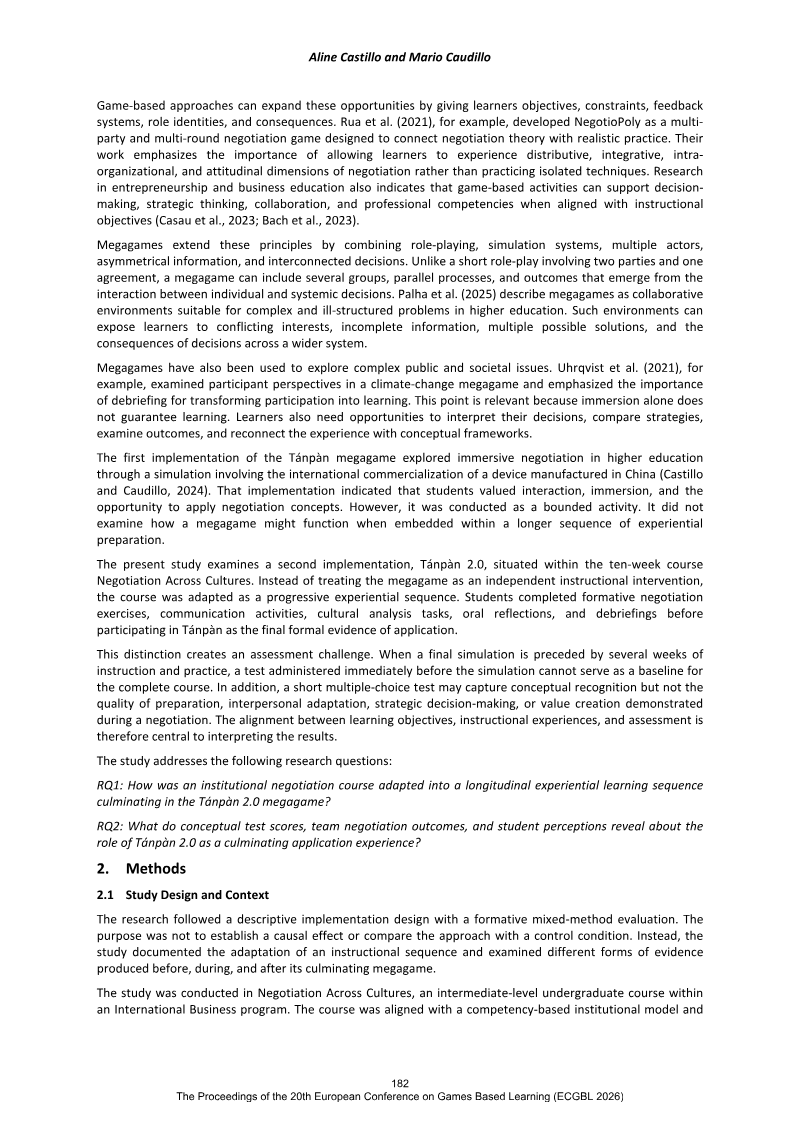
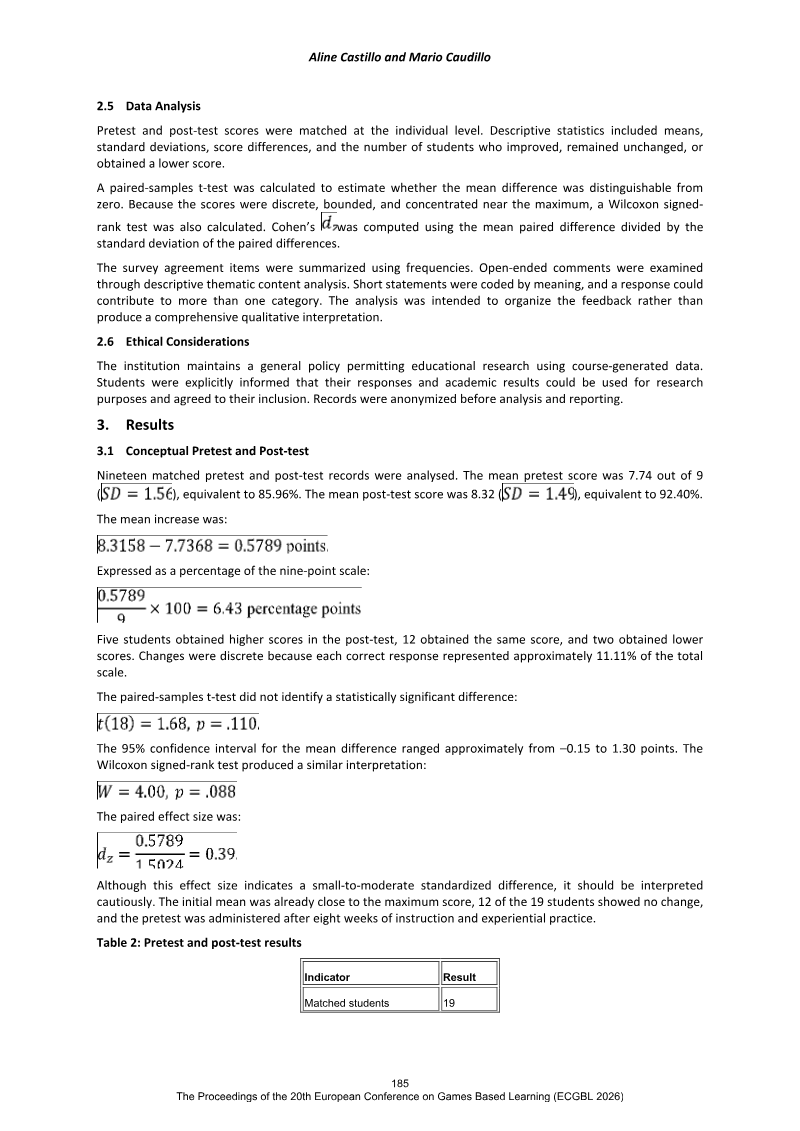
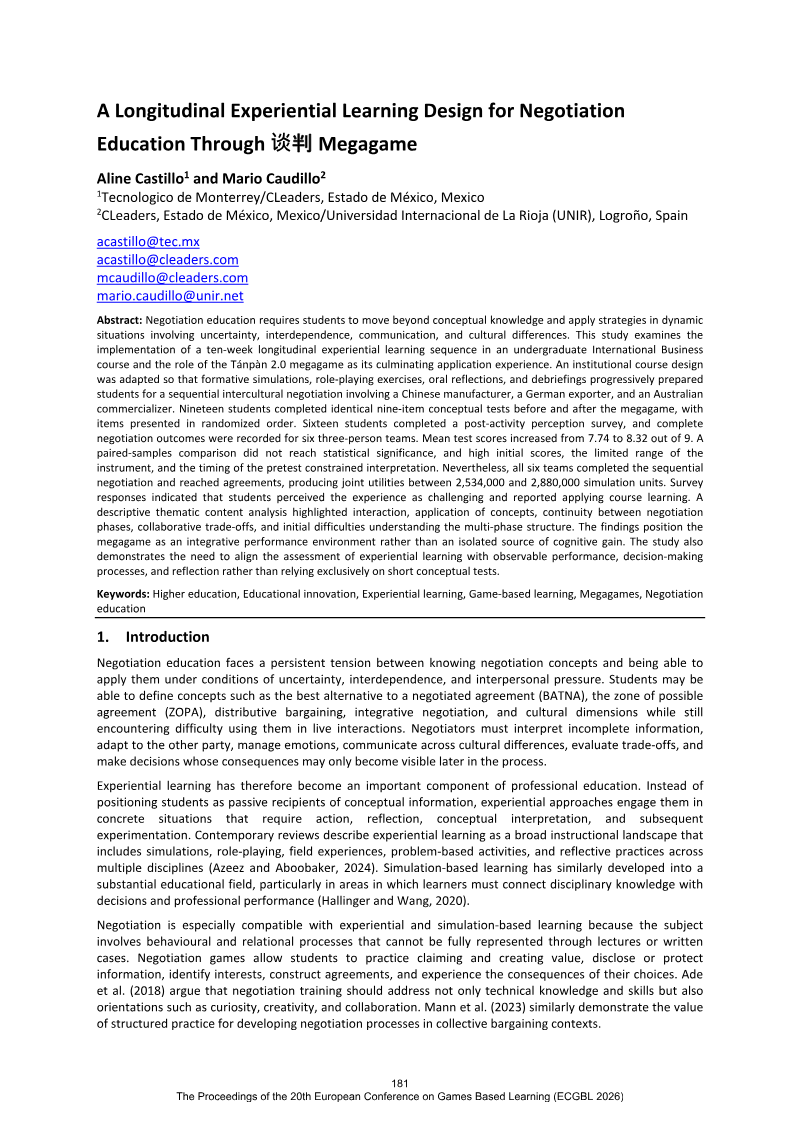
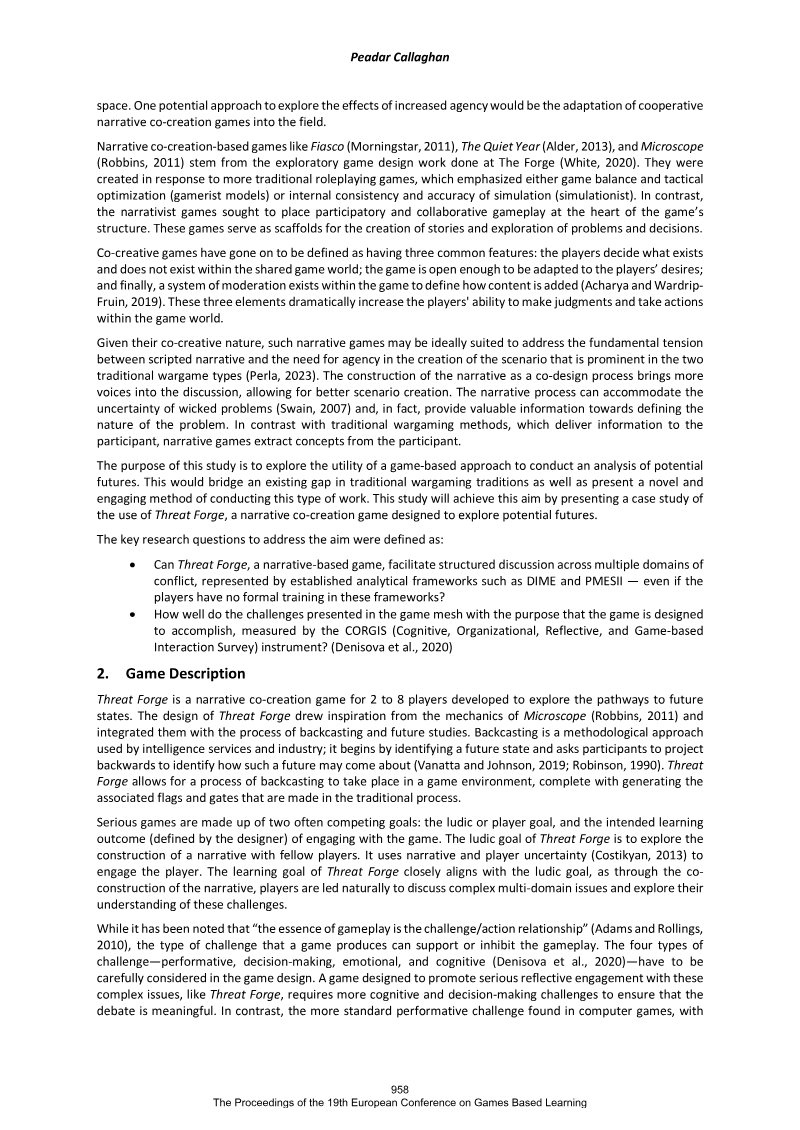
European Conference on Games Based Learning (ECGBL) · 2026
European Conference on Games Based Learning (ECGBL) · 2026



European Conference on Games Based Learning (ECGBL) · 2026