Games and companies in this document


Connections
Each row is a game or company this document names, each column a document, oldest first. A mark means that document names it. Select a row to see those documents.
1 free read left. Create a free account for unlimited reading + AI research.
Create free accountWhitepaperDigital Games Research Association
Distilling the key insights…
This analysis examines how digital games represent the traumatic history of slavery and what these portrayals reveal about the nature of player agency and freedom. By comparing video games to traditional slave narratives, the study explores the inherent difficulties in depicting the human condition of non-freedom within an interactive medium that typically emphasizes player power and choice. The analysis focuses on prominent titles such as Fallout 3, BioShock: Infinite, Assassin’s Creed: Freedom Cry, Thralled, and the controversial Playing History: The Slave Trade.
The findings suggest that video games struggle to convey the experience of slavery firsthand because the medium is fundamentally built upon the exercise of agency. When players inhabit the role of a free protagonist—even one tasked with liberating others—they remain "tourists" to the trauma of enslavement. Attempts to gamify the experience, such as the widely criticized "Slave Tetris" mechanic, often result in dehumanization or trivialization. Even in games that attempt to adopt the perspective of a slave, such as Thralled, the experience is mediated through memory and the struggle for selfhood, mirroring the post-facto nature of historical slave narratives.
Ultimately, the study concludes that video games act as a remediation of the slave narrative genre, carrying forward its inherent ambiguities and limitations. The presence of player-created modifications that allow for the enslavement of non-player characters highlights a persistent, problematic tension between historical reality and the perceived freedom of play. The analysis posits that the most profound realization for the player is not found in the act of play itself, but in the palpable trauma that arises when the game mechanics confront the absolute absence of agency.
Each row is a game or company this document names, each column a document, oldest first. A mark means that document names it. Select a row to see those documents.
Digital Games Research Association · 2024



DiGRA · 2026



DiGRA · 2026
International Journal of Role-Playing · 2026
Loading... The Journal of the Canadian Game Studies Association · 2026
Eludamos: Journal for Computer Game Culture · 2025
Ludic Language Pedagogy · 2025
DiGRA · 2025
DiGRA · 2025
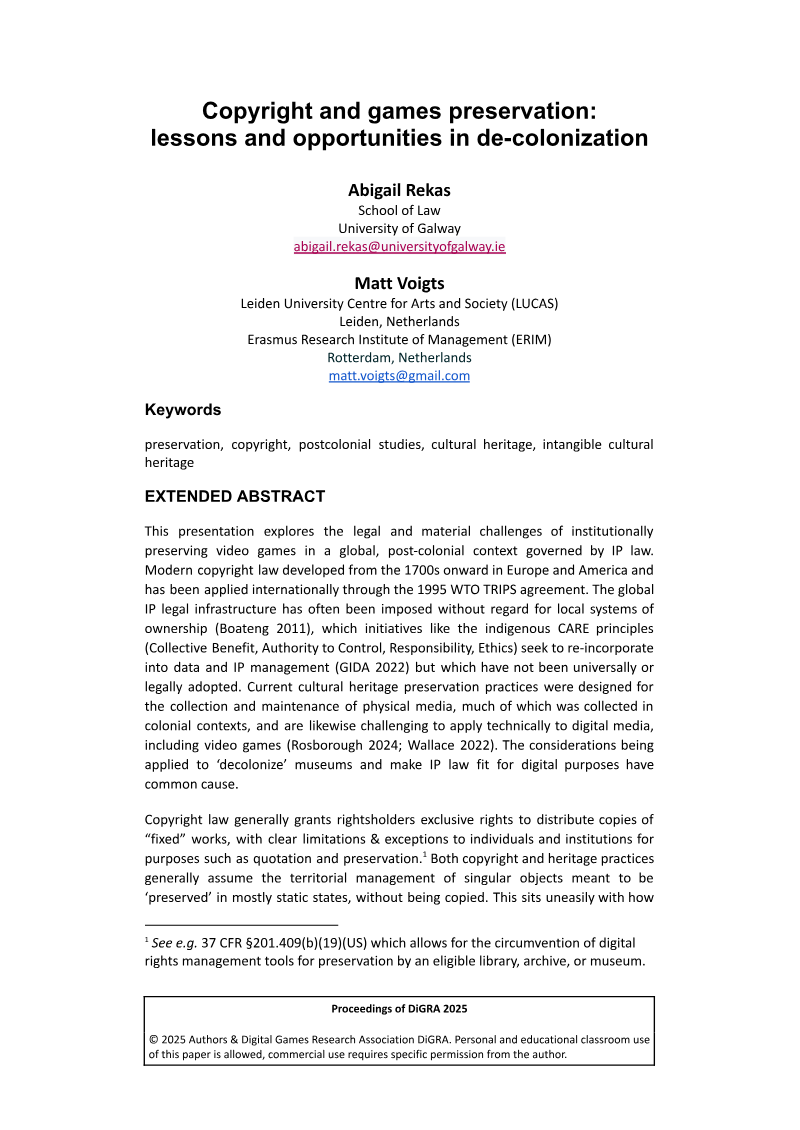
University of Galway · 2025
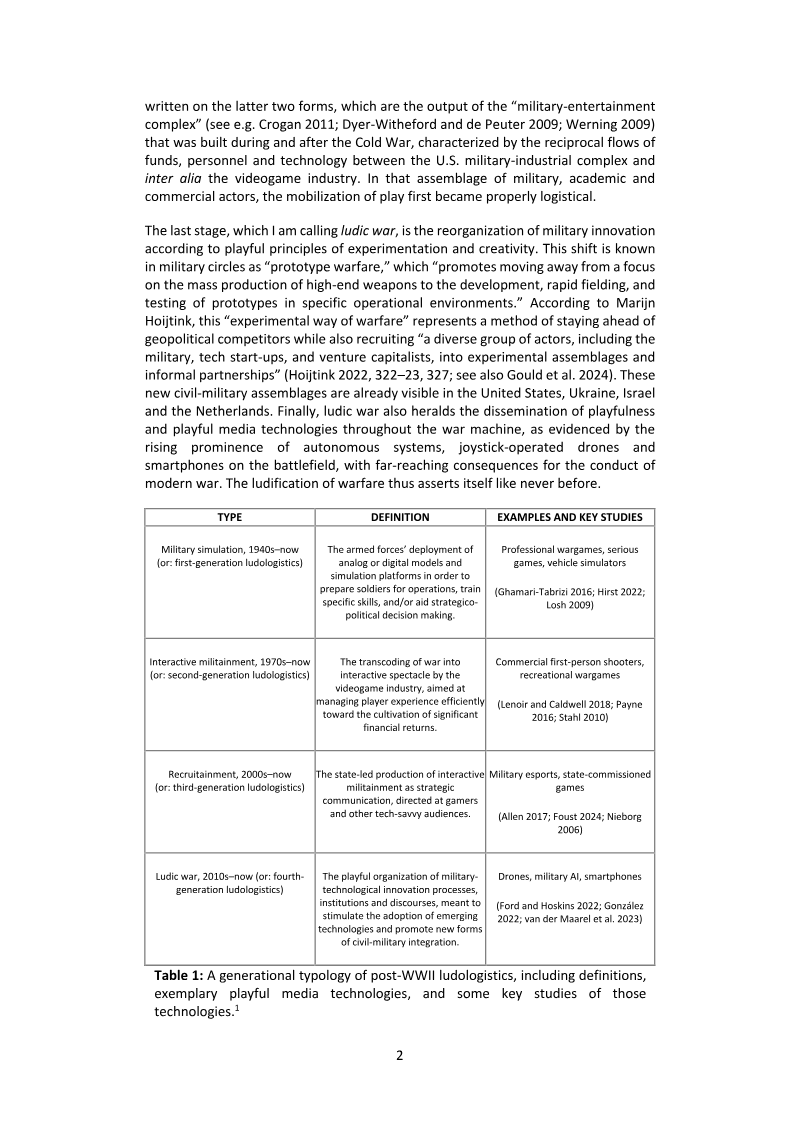
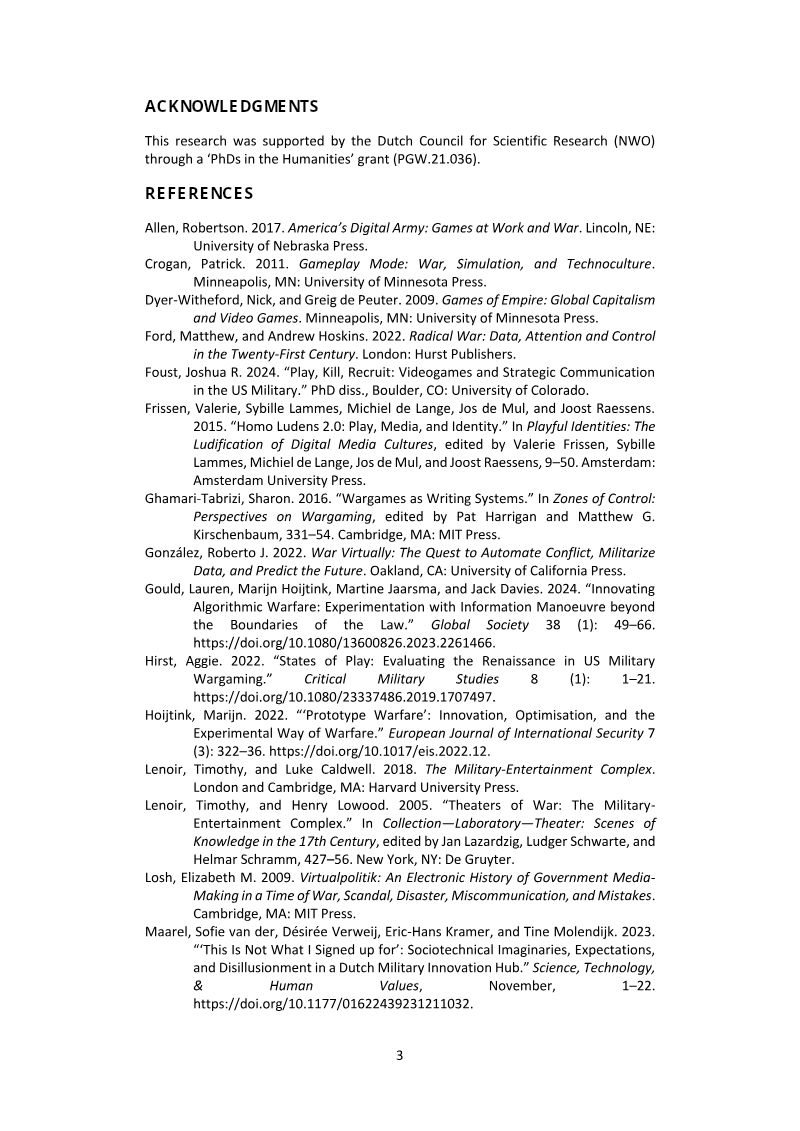
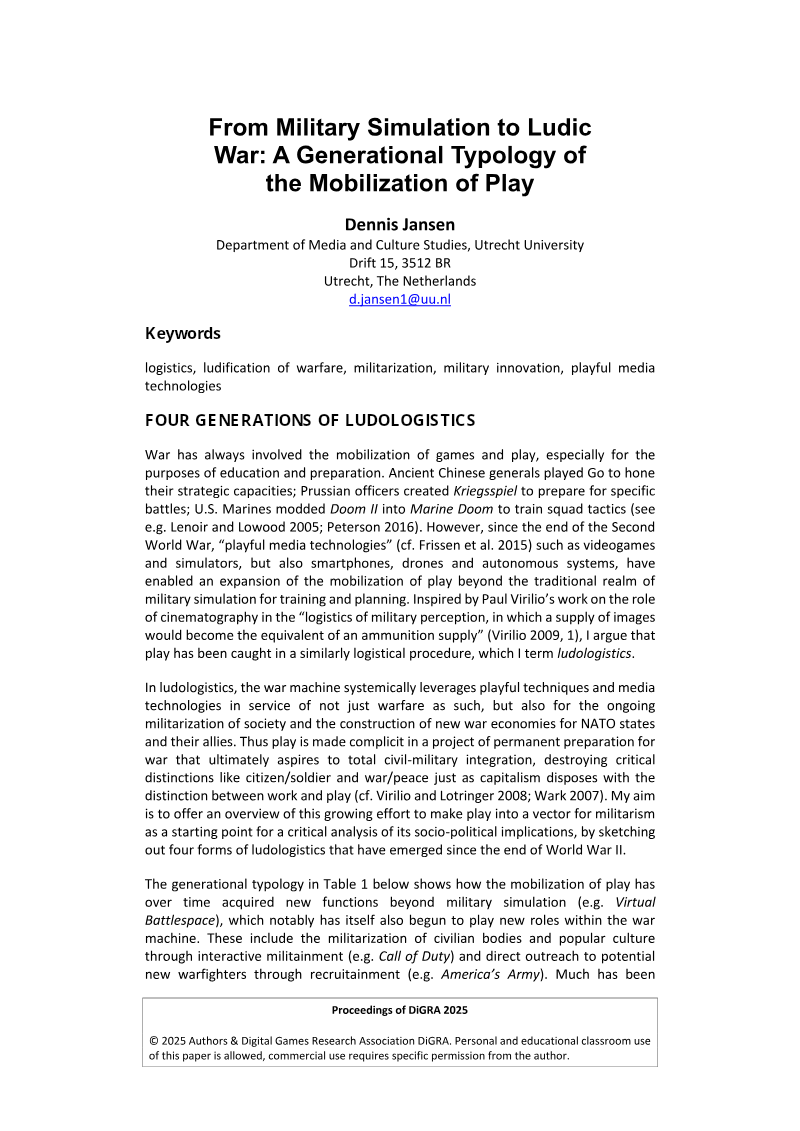
DiGRA · 2025

gamevironments · 2024
University of Western Ontario · 2024