Loading the document
1 free read left. Create a free account for unlimited reading + AI research.
Create free accountWhitepaperDigital Games Research Association
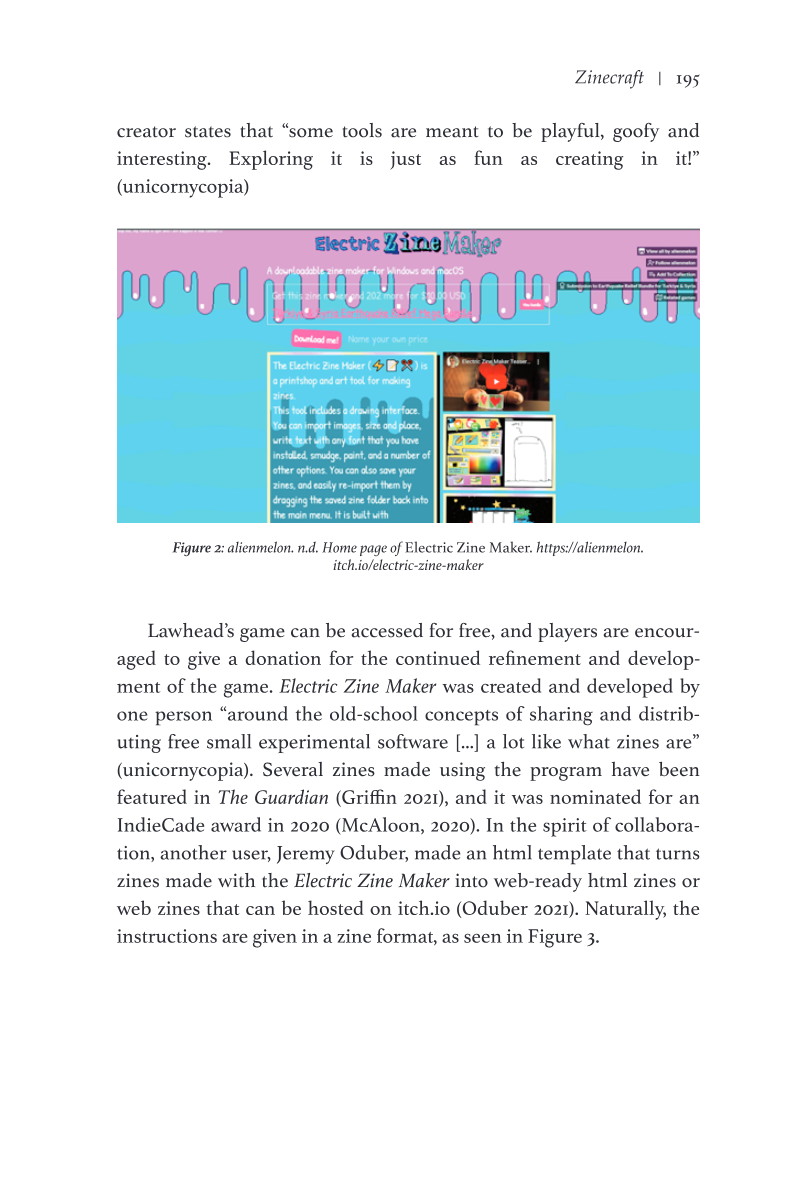
Traditional scholarly publications often miss personal reflections and data visualizations that zines can capture. Zines bridge the gap between formal academic inquiry and the DIY ethos of independent game development.
Key Utility. Zines serve as effective, underutilized research companions.
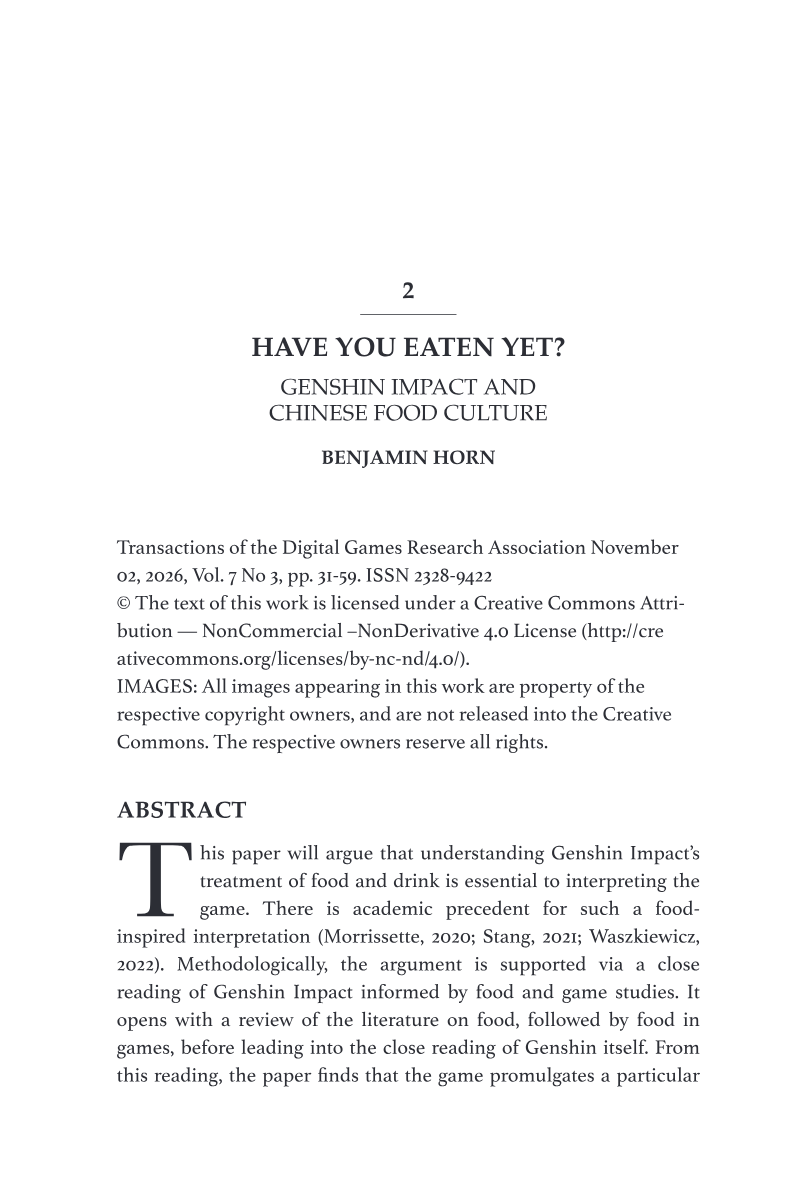
Zines function as a vital, underutilized instrument within game studies, bridging the gap between formal academic inquiry and the DIY ethos inherent in independent game development. By prioritizing accessibility and creative autonomy, zine-making serves as a reflective companion to traditional research, allowing scholars and developers to document tacit, experiential knowledge that often eludes standard publication formats. This practice facilitates a unique form of sense-making, where the physical assembly of a zine encourages researchers to synthesize complex data and personal insights into a tangible, relatable medium.
The utility of this approach extends across the global game industry and academic landscape, particularly as a tool for critical discourse and educational outreach. By decentralizing creative expression, zines provide a platform for voices and subjective experiences that fall outside conventional academic structures. Evidence from recent initiatives, such as workshops conducted at the Nordic DiGRA '23 conference, demonstrates that integrating zine-making into professional practice fosters deeper, more reflective research habits. These outputs act as essential records of development processes and intellectual journeys, offering a counter-narrative to the rigid constraints of traditional scholarly output.
Ultimately, the adoption of zines represents a shift toward more inclusive and participatory research models. By drawing on interdisciplinary frameworks—including feminist theory and alternative publishing—this methodology empowers the games community to capture the intangible aspects of their work. As the industry continues to evolve, embracing these creative, decentralized formats will be essential for fostering a more nuanced understanding of the human experience within digital play and development. This approach ensures that the subjective, often overlooked dimensions of game scholarship remain preserved and accessible for future inquiry.
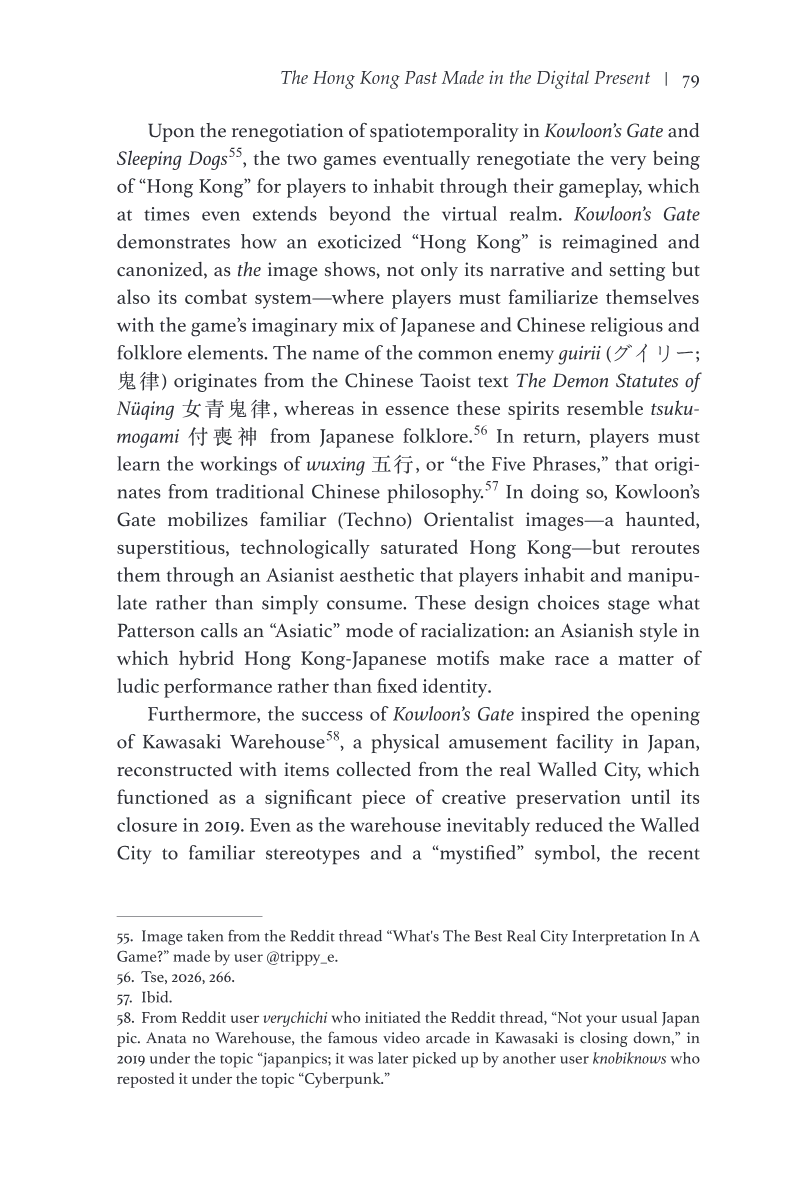
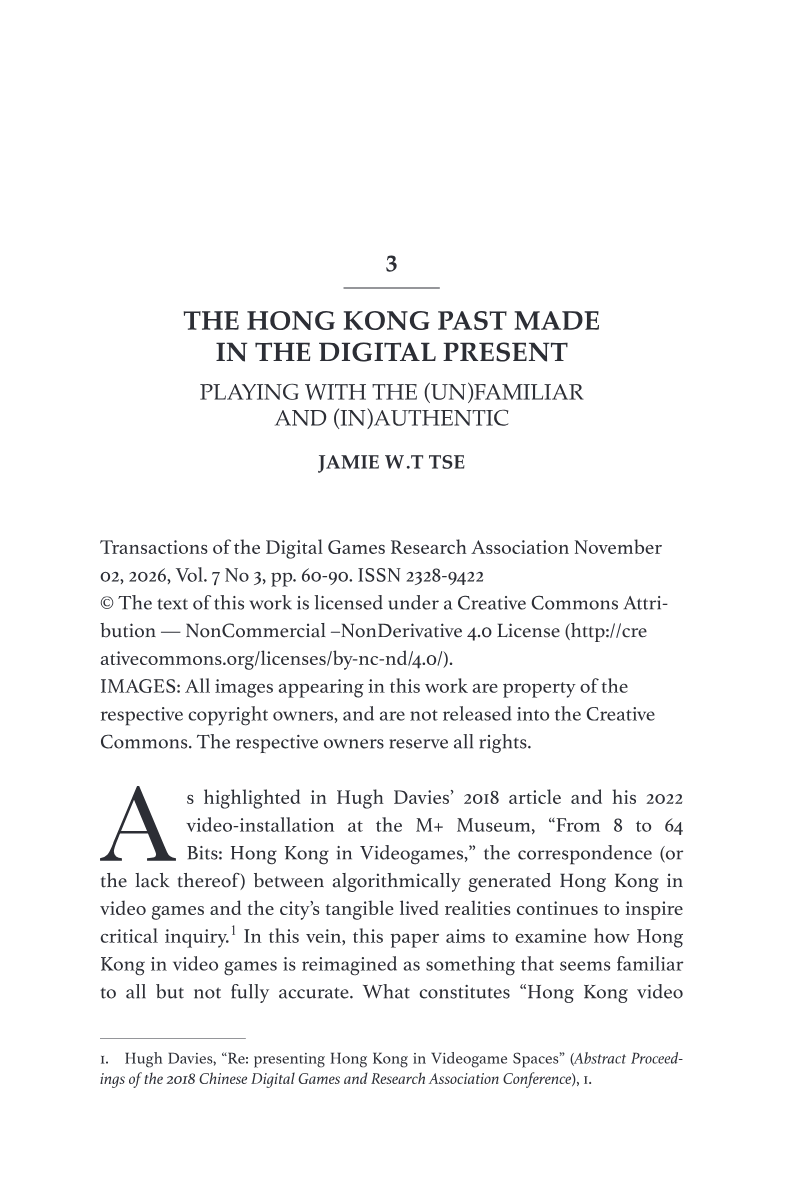
Digital Games Research Association · 2026
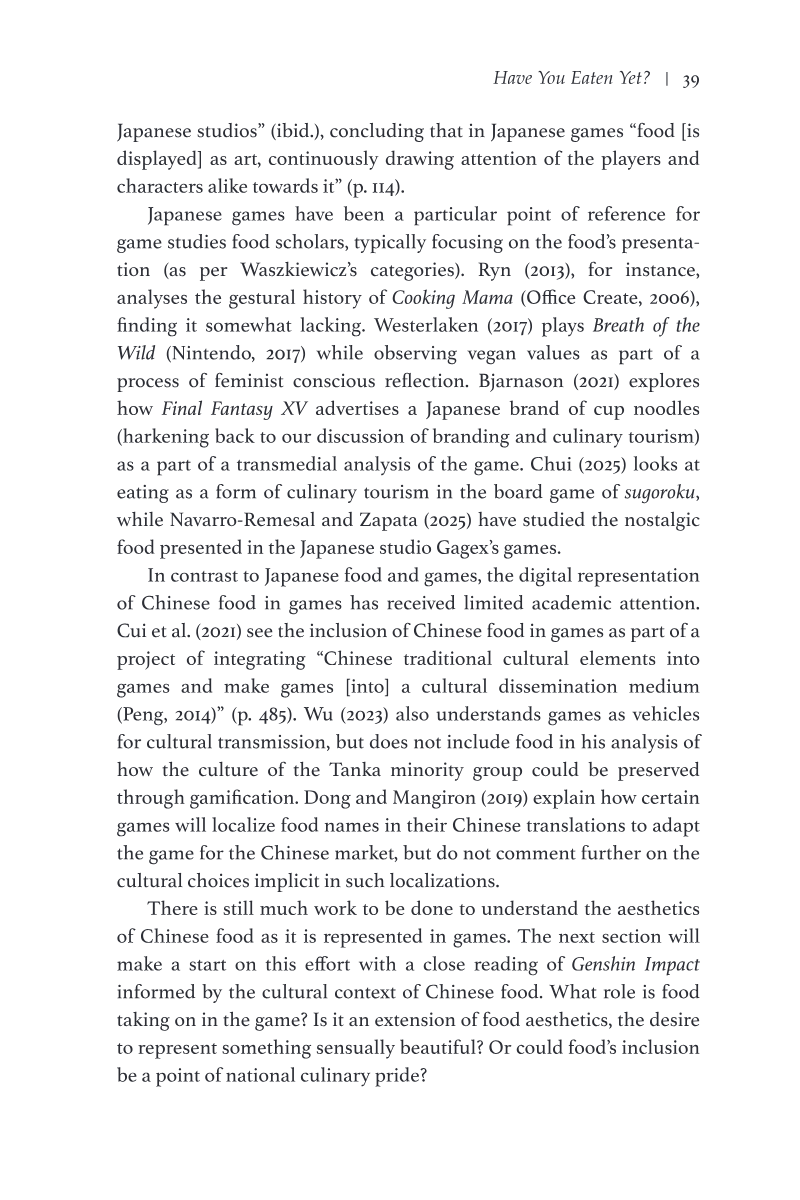
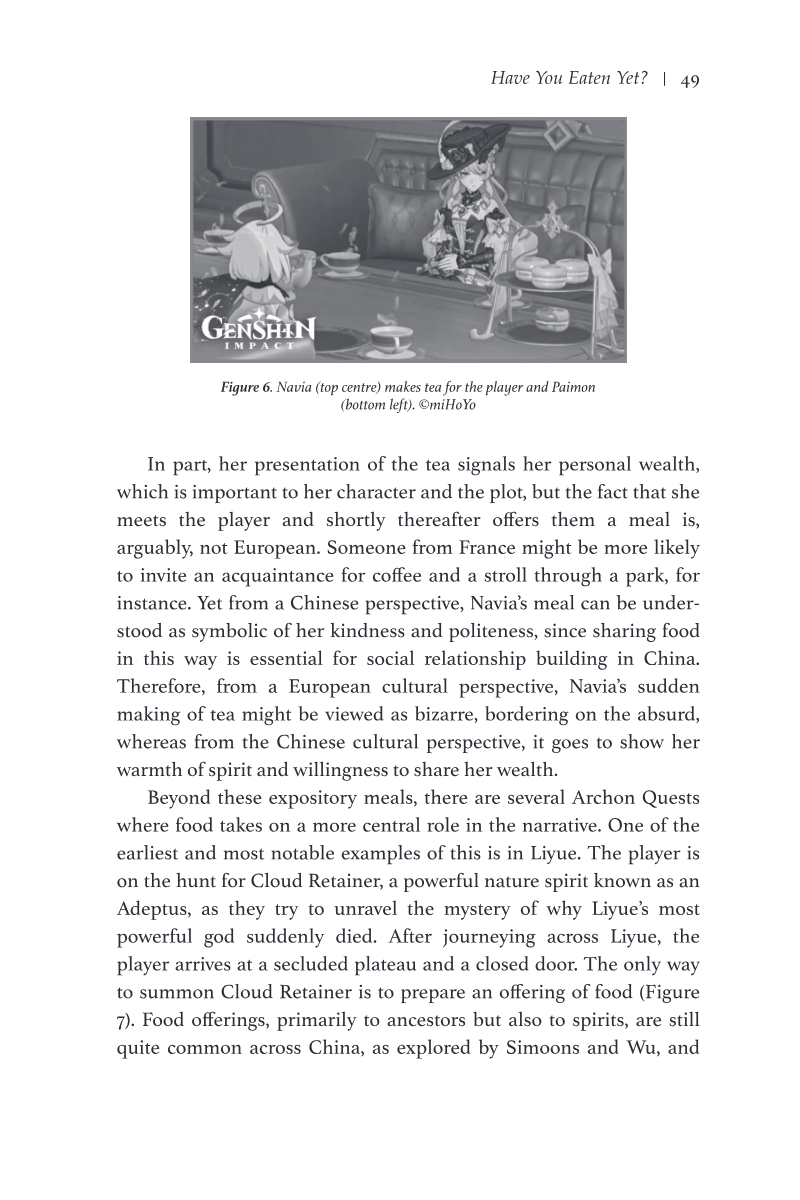
Digital Games Research Association · 2026
Digital Games Research Association · 2024
Digital Games Research Association · 2024
Digital Games Research Association · 2024
Digital Games Research Association · 2024
Digital Games Research Association · 2024
Digital Games Research Association · 2024
Digital Games Research Association · 2024
Digital Games Research Association · 2024
Digital Games Research Association · 2024
Digital Games Research Association · 2024
Eindhoven University of Technology · 2026











Comments