1 free read left. Create a free account for unlimited reading + AI research.
Create free account
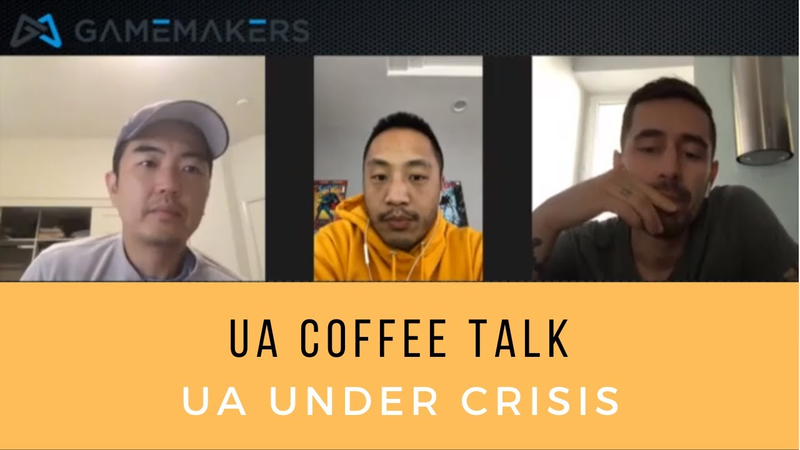
User Acquisition Under Crisis | UA Coffee Talk
Key insights
6 takeaways- 01Adapt monetization strategies to reflect current economic conditions, such as shifting unemployment rates and stimulus cycles, which make player spending inherently unpredictable.
- 02Shift user acquisition strategy from long-term historical modeling to a conservative, short-term focus on immediate performance metrics like day-three or day-seven return on ad spend (ROAS).
- 03Maintain a proactive, competitive spending mentality during economic volatility to capture market share while competitors retreat, rather than defaulting to purely defensive budget reductions.
- 04Avoid reactive, across-the-board budget cuts by segmenting performance data by geography, platform, and specific game design to identify pockets of sustainable growth.
- 05Ensure deep, cross-functional integration between user acquisition, product, and executive leadership to align marketing tactics with current cash flow realities and business objectives.
- 06Develop systematic playbooks and diversify acquisition channels to achieve long-term stability and resilience during periods of macroeconomic uncertainty.
Ask AI about this video
Transcript
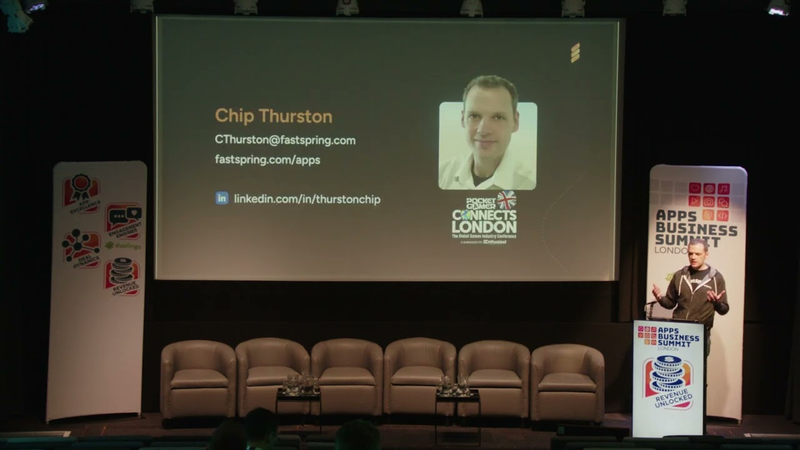
you everybody welcome to the next edition of you a coffee talk the focus of our conversation today will be about how to think about user acquisition during times of crisis or gently under situations of sudden change and certainly work currently in that kind of a scenario with the corona virus pandemic but even more than that what I really want to talk about today is can we think about a framework or systematized way of thinking you know how do we navigate how do we optimize UA spend when the environment changes and we don't have a lot of data and to talk about this today we have our regular contributor John Lau and we have Monta Lance Erick did I pronounce your last name correctly this I'm perfect man thank you right yeah okay great so I
mean guys let's start with the fundamental problem so you start with an assumption about how players in your game will monetize based upon historical data so you're assuming a certain payback window you're assuming a certain R P curve you're assuming a row as yield but let's say like there's a recession or depression or things like coronavirus or there's some new legal regulation then how do we think about this changing environment and how do we actually change our spend and just to make this more concrete I wanted to provide some more specific examples of other potential environmental changes just because because we really don't want to just be talking about coronavirus right that's one example of how the environment changes but for example it could be things like the impact of real money gaming to social consent to the regulation of Gacha boxes or social casino in some states or countries or even the introduction of a new game or game mode and the impact in terms of
cannibalization of revenue to that game and you know specific example there is the introduction of an auto test mode to hearthstone but it could also be an external game that also cannibalizes your revenue as well so therefore just to be clear when we say crisis it can be a general environmental change and so a lot of what we want about today is around a general framework how should be thinking about this and kind of what Ray Dalio would call a system or principles so what do we do do we just wait for data and so how should marketers be thinking about these kinds of situations but just because we do have this kind of crew in a virus situation right now I thought we could start with that so speaking specifically about the current situation and then we can generalize I thought I could start by asking you guys what have you guys been seeing in terms of you know impacts of coronavirus and how have you guys been thinking about changing
spend or you know how you approach thinking about data and performance in this current time I mean I'm more of a conservative spender and in these times it's it's kind of difficult to predict anything because this is like very new situation so so basically what what I was doing the games match was like trying to like Lourdes bank and trying to try to look at the short-term rows instead of like aiming for one year because you know the thing is we don't know we don't know what's gonna happen next next month I mean we are seeing the situation in the u.s. obviously with the unemployment rate so a lot of people just lose their jobs so I think that this is gonna impact spending behavior in the in the future so that's why I actually like decrease the spend on several games just you know looking at the short-term rows and then like saving
up the money just to see like any data because you know we're always trying to focus on data points and then based on the data make any decisions and then I mean like predictions for that for the future so basically that's I'm trying to wait for some data to kick in and basically based on those at least like first initial payment behaviors on any any data from the payment behavior and then based on that like increases spending so much it just to make an example a little bit more concrete you were looking at short-term rad like many kind of market there were you adjusting your budget based off of like a d3 d7 row as and if you saw that lower were you lowering spend or or were you just kind of proactively lowering the spin just to make sure that you're achieving those kind of short-term rest argit's yes so basically most of the games that manager like focusing on day 90 40 for example a big period and then trying to like
compare the early day 3 day 7 or as benchmarks as well and we saw that we spent just you know in case and then actually like spending a couple of thousand per day just to make sure that we can recoup those money like day 60 or day 30 and then like you know reinvest oh right now I'm not doing a media buying so whatever I say it's more philosophical and academic there's a couple ways I can I can kind of frame this one way is to treat it like it's a brand-new game launch right when you launch a new game you don't have a ton of data and you can treat the new cohorts are coming in right now as if you were launching a new game how would you approach in your game like you don't have a lot of data you don't have a lot of background so one way is to think about in those terms but to kind of broaden that you also have to think about how this impacts like extinct cohorts right because existing cohorts those users may not monetize the way
that you think they will or how it is before and a lot of the different you a marketers I've spoken with I've talked about pulling back and spend and I I don't know if that's a good or bad thing because as you look at the performance of the users and then you pull back and spend inherently by pulling back and spend you're also hindering your ability to grow and so what is the long-term consequence of pulling back spend now in six months right because then you're the expectation is no matter what the revenue that you would be able to generate in the next six months will decrease or the your audience based that you'll be able to bring in next increment or decrease so I think it's almost as if you're looking at it as how can I minimize my loss over the next six to twelve months during this crisis so I think part of that is accepting that is
a potential a pathway of what's gonna happen to your game so I won frame it in that sense before you even talk about like the individual strategy right I thought one of the other kind of interesting things that has happened and what we've seen with coronavirus is that there's like this big differences when we look at the different splits in terms of audience right and so whether you do a split by geo right like the way that China reacted versus the US versus other countries has been a little bit different by platform in other words Mobile's certainly benefited but on the on the online side PC console space actually got a lot more benefit than mobile and then just by game design or game play type for a lot of mobile games the games that where you could absorb being deep and where you could play a lot those benefited a lot more than other types of games and so I do wonder if they're in the next time you've got this kind of a situation whether you can kind of create some type of rule set that says by audience in in terms of geo
platform and by game design type what are the games that are going to disproportionately improve versus other games and I think the tricky part as well is that one of the things that I've also been hearing from some of my friends is that for a lot of the games that they're operating sure downloads have increased twenty to thirty percent but it wasn't like the monetization actually followed a lot later than typical and so you know it's certainly to your point Monte I mean I think what most UA folks that I'm talking to you are just like well we don't know what's going on so let's let's kind of reduce but I think the thing that I have an issue with is that there seems to be like a broad sweeping hey we're just gonna haircut everything we're just going to reduce the full arcing curve and you've got like a three year payback when it's like a whole thing right so and then in terms of like you know winners versus losers do you guys
have any thoughts in terms of like whether it's the type of games or what have you guys been seeing or hearing in terms of winners and losers in this current environment well definitely winners are the story based games and everything that all the games that have any narrative inside and that you can play a lot during these days at home I mean the in the very early Korona stages I was able to launch actually global logic game a cooking game and it's like a combination of the cooking making exam system storytelling as well it's actually performing quite well and also in the GOS that are super affected like Italy and Spain and also like in China yeah I would say like these type of games should be or are the winners current situations I also agree with that like so the obvious kind of
winners are the high engagement games that you talked about so I think puzzle game match 3 cooking games are definitely some of the big winners social casino as well such as you know and but III question whether like what's the definition of that winning is it monsley monetization is it engagement I'm sure engagement is through the roof and you know Joe to your point are but is the amana's Asian rate it's still roughly the same and I think Eric super wrote a very very good art article about like a protracted kind of economic downturn and implosion of the economy and I think there are some great points about the idea of like we might see great engagement now but does that translate to you know high high revenue later and to kind of even go a little bit more meta about it is like maybe some of the bigger winners are the ad monetizing games right the games that utilize atomization even if let's say
people are pulling back CPMs are going down is a consistent revenue stream that I think a publisher can rely on generate revenue whereas I think as we continue into a new world of like Kogut the rate of malaysian well will fluctuate depending on how you know 20 million people who are unemployed will they be able to get back on their feet will they be able to get will Congress be able to pass the change and I'm just talking specifically about the u.s. worldwide it might be very very different and I think if the rest of the world is like New Zealand great right but unfortunately it's not so it's very interesting to see one thing I won't kind of point out is you have countries like the UK and Canada where they're actually doing some huge moves in terms of stimulating the economy or even providing livelihood to their citizenry
so I wonder how that impacts the app economy I don't have that visibility I would love to know you know one of the interesting things from another interview with a couple social casino guys was that I don't know if you guys know would know like but he mentioned that for social casino as soon as the u.s. sent out those $1,200 TV show so Monty you're currently buying now like in terms of like when you hear all this coronavirus news does that impact your buying strategy are you like oh wait there's gonna be a stimulus check another one coming out in two months so let's kind of plan right before that date or like are you thinking well criminal by our stuff is looking really bad so we're gonna you think there's a recession are you gonna plan for that in terms of your our people yeah I'm definitely like when there's going to be the stimulus shake in the next two months like starting to trying to increase the spend on the US just you
know to buy those users in in advance see like how they were performing in the game and trying to retain them so definitely like looking at these these kind of things because from what I saw and during the global launch even even they're like the Italians Fame as a country with a very bad situation over there like not people were still playing the game and actually paying quite significant amount amount of money so they need some some kind of entertainment so yeah I know that I was speaking about the lowering to spend and everything but I think like also like you mentioned the so social casino I mean the players will stay in the game and eventually they will start paying it's just you know we don't have that data yet so that's just my only concern at the moment as a question to your comment is is the idea that people are stuck at home anyway they need some form of entertainment this is still at least
playing playing social casino or your cooking game is a form of to the user a very form of cheap entertainment that they can continue to afford and therefore it it's something that people are continue to pay for I think so actually it's you know when you are you're at home you're just watching Netflix or any any other streaming platform for some bucks on the monthly basis why shouldn't you just pay that similar amount of money in the gaming so I'm expecting this but I'm still not sure yet quite yet right so maybe what we can now talk about is just more of a so now we've got this coronavirus situation but what about a more generalized framework and so is there kind of like a structured way we can think about doing you a during these kinds of times and by that I mean again you've got big environmental change you
don't have data you don't really know you kind of have an idea of how your RP curve could be affected but you know how do we build a framework for thinking about big change happens and then I think Monty what you're doing is what everybody else what I'm hearing a lot of other people are trying to do is like okay let's be careful pullbacks then let's kind of wait this thing out let's get data and then let's kind of spend after we get the data but is there any other generalized framework or system that we can think about I'll let you guys start and I've got my own thoughts on this as well it's all about like making decisions I'm like making decisions if I don't have any data then I'm trying to use my own experiences and knowledge from the previous at least like similar situation and trying to do the decisions so basically like if I don't have any data then ma'am well I'm trying to focus on my gut and I'm trying to to spend wisely because I'm you know I don't want to
like you know spent overspend and then I'm trying to like trying to say like you know this was probably not a good idea I'm sorry but this is what's gonna happen high risk high well this I am more careful about these things but you know sometimes just high-risk high-reward game right and when you're saying environmental changes well first of all before we move on I promise this guy I will talk a little bit about retargeting yeah I think specifically for Cova 19 here the very very good points like you know instead of go and chase after unknown brand new unknown cohort behavior like go after existing cohorts and trying to get people to come back you're right in the sense where a lot of download activity is happening because people are at home looking for
new forms of entertainment in different types of games and I think a great strategy right now is to do a little bit more retargeting and and I know for a fact that a lot of UI people aren't very focused on this topic so I think it's something that worth considering to your point about environmental changes there's different ways right so Cova 19 is driving a global recession and from a you a perspective this is the first recession that we've experienced on mobile so it's definitely something to consider but outside of that is our things like legislative changes right so earlier we were talking about social casino legislative changes like the shifting of the responsibility of real money gambling from the federal level to the state level is now allowing real money operators like draftkings to now launch in different states so how
will that impact social casino that for a very very long time have been able to enjoy a broad I guess invulnerability from legislation there's definitely very specific cases like in Washington but in general like Social casino now has a whole new level of competition that they have to consider so how would you approach that how would you consider that so from my perspective using that example there's a couple things that could happen one very obvious one is consolidation either people determined that okay in order to compete with this you either have to join with a social casino operator or join multiple social casino operators together in order to combat this or consolidation between a real money operator with a social casino operator and there's different iterations of that but that's one example I can see potentially happening in the future right so and just to kind
of give my thoughts in terms of how to think about this situation is like I would try to create some type of a framework for thinking about when change happens right and so the issue that I have is working with a lot of UA teams before and certainly not you guys because and the reason why I like talking with you guys is you guys you guys are more thoughtful but in a lot of organizations it's more about hey guys what's my tell me what my d3 or d7 whereas target is or tell me what what my you know the my target he is and then I just I just want to be a monkey and you know just just just execute right rather than really thinking about okay so if a change happens how do we think this through for and the first thing I think that people need to think about is like the P back window right and so like you've got your payback window and then what is the potential impact on on the RP because in some cases let's say it's a short-term recession you might even when you acquire users you might just be pushing forward the revenue for a time
when people can actually start paying again when the economic situation changes and so but in conversely if you've got a three year payback window and let's say we do go into a depression you might get - so like thinking about the payback window and then thinking okay well I've got a you know I'm in hyper casual CPI's are getting better so I don't really need to think about it I'm gonna make my money back in seven to fourteen days but thinking about that payback thinking about what the RP curve looks like and thinking about okay with this curve instead of just hair cutting everything down let's kind of figure out where and when it's going to be impacted in and is there a potential to actually shift some of that revenue forward or not I think the second thing I would I would really think about is thinking about your player segments in terms of all the kind of your payment buckets right and so whether you've got like a 1k bucket or a 10k you know it depends on the game but one of the points I I think that was a good point from that Erick Seaford Oracle is thinking about I wouldn't
classify all IEP as a luxury good but certainly and in terms of the well behavior I would say that that's a luxury goods right and so maybe like half of your 10k spend or shift to become 1k spenders and then it kind of trickles down but I would really try and think about okay if if there is a certain situation then how are your payment buckets going to potentially shift and then this is the part where it's great for you a team's that actually work very closely with product to then think about okay do we run a sale do we implement like a battle pass system because I think what we have been seeing and something that is proven is that one of the things that you get from let's say a battle paestum is you get higher conversion but lower our poopoo but maybe that actually fits the kind of environment you're going into where it's like okay well we're not going to have all these high spending whales but we can shift their spending down and increase conversion to make up for that revenue and then I think the third thing
I would look at is just the segmentation of your audiences right and so we noted earlier that you've got regional geo differences we've got platform differences you've got differences by game type and so like figuring out okay form our game where we fit and then in terms of the targeting you're gonna have to like treat every region platform game differently the final thing I would think about is John you mentioned retargeting like for a lot of companies or a lot of games retargeting reactivation really hasn't made sense for a long time but then when you think through the situation kind of traceroute through what the impact on players is and how players may potentially react and you know now you've got a lot of people at home and a lot of people trying to play a game so maybe that makes sense now then you look at all your other potential types of you a activities that previously may not have made sense but now maybe they do make sense and so I guess that the main message I would have is that if you do come up with it and you know I'm not
saying this is your PlayBook for anybody I mean but in terms of like high-level how I would think about it I would try to create this kind of system right you're like you've got different rule sets you've got different things that you're gonna like okay I mean look at this I'm gonna look at this I'm gonna look at this and be very thoughtful in terms of what you think the impacts are gonna be and then have that inform your you a spending and things like that but I know what do you guys think about that I think you hit on the great some great points about creating the framework of being able to adapt to big changes however that's not something that you a can do as a silo and I think you and I have had a lot of conversations about but that's the necessity of marketing or really being integrated with the product order so for example if let's say my first question that I would ask is like is the business able to survive this change right so zooming all the way out and not even looking at payback windows but is is this business designed to be
able to survive it so one example is like if our Airbnb right now maybe not right and but if I'm gaming so as an org to prepare for this changes like these is to think about like am i maximizing all my potential mons ation capabilities is should I now know cup there's been for years a lot of companies I we don't put ads in our game that's just not we do it's a philosophical thing i person ran into that when I was at these studios does this change that when you have a lot of people to your point in my the the curb shape of a curve of LTV might look similar but it's now it's as lower or or flatter or shift it down so so the same curve but shifted down how do you make up for that revenue and one one Avenue is to go through ads yeah with that said it's a process that needs to be designed with product right so there are only so many levers a market
didn't say like oh I could spend less I can maybe look at different markets in different ways and spend differently but fundamentally your product needs to be able to be it would adapt with how marketing is shifting and I think that conversation needs to be had if you haven't had that before like team should be having that compensation right now because whatever we do on you a serves a broader business goal so unless we're looking at it from a broader business perspective as for the company then it's not going to make sense if that I kind of actually think you know as you were talking kind of got me thinking that you really need and this doesn't exist at every gaming studio but you actually really need two types of integration for the u18 one to your point with the product team the more integrated you are the better the better you're able to change and adapt to two different situations but also monta to your point like you could literally bankrupt the studio no pressure
yeah so but that speaks to the second integration right which is like you really the you a team really needs to be fully integrated and aligned with the management team the management team needs to be more aware of you a rather than just saying okay I'm just gonna trust somebody to make a potentially huge call in terms of what could happen with the game and the company and then to be and then to be a line in terms of what the strategies going forward and I think that second integration is also very important in the sense that the other thing that I think about in terms of times a change you you have very little data things are changing you kind of have an idea of what may happen or not but this is a time when I
think we're all singing across the board you know you eight guys are just saying okay let's be careful let's pull back but to me when I think about this I also you know put my game theory hat on I'm like well when everyone's pulling back wait a minute maybe now's the time to kind of you know go all-in maybe but then you could bankrupt the company yeah but if I think about it in football terms right and so like there are some football teams that play to win and there are some football teams to play to not lose right and so if you're up two or three touchdowns you know do you get conservative and just run run pass run run pass or do you just like take it to the other team and just go all and go act aggressive and certainly there's that risk right in terms of if you're too aggressive and you're wrong you could really bankrupt the company but at the same time this could be the opportunity where you take your company to a whole new scale right where you can really like take the company to a whole
new level and there are very in these types of opportunities are very rare where the environment shifts and there will be new winners and losers so if you have that play to win mentality and you're right you win and if you're wrong you know it's it's cheap Mott say to your point high stakes thing is that these in these days very few people wants to take the responsibility of you know making these decisions and as you said like I also think and my comments are that in this in these times you should be if you're not already like very good friends with your product management or the product team and to be on the same very same page and you know constantly talking about the situation what's going to happen about all the all the IB tests of different monetization and how that impacts the you and how that impacts the the development and and also if the um or the product
guys don't want to take the responsibility there needs to be someone for the management team as you said like this should be also the conversation on a daily basis of everybody is on the same page the if you just don't blade the you a guys very careful I had a great conversation with our friend Warren from uptick and for him when he talks to a new new company and he's going in to essentially act as their growth marketing team he said that one of his first conversations is with the executive team and and they talk about like hey look like you're telling me that you wanna grow go grow but at the same time you want to pay back within a certain amount of time you know like
I've been in situations where I've been told like I want you to grow Dow by 20 percent in the next month but I want you to maintain the same role as I'm like no you can't do that yeah and so so I think and and I think that's important right because the understanding of profitable growth and impact to margins and versus aggressive growth and how how far are we willing to eat into that margin where how soft our marketing then I think Warren had a great point there but fundamentally is having that communication with the executive team you're right that's not a decision even as the lead or the the head of the marketing work that could make alone again it's not a silo right so being able to communicate with the executive team with the product teams like hey this is the state of the not this economy but the advertising marketplace right this is what's going on CPAs are
going down our competitors are pulling back do we look at this as an opportunity if I can bring those users into our are we confident that we can monetize these users to make up what we're spending out so and can we shorten that payback window given that we know we don't we have a lot of unknowns the longer we push it out so I think having these conversations will help inform argue the plate of win team or you the player not lose team I think these are the conversations I would personally work out and also and how how is this going to influence the cash flow of the company as well this is super important I think overall it's like there's no right answer I think no one ever knows and and of course I'm sitting here I'm talking everything from philosophical level right so it's easy for me to say but a lot of it is I think if I want to consolidate a few points it's like make
sure those key lines of communications are active right and when I say active if it's not like I'm just gonna have a meeting product and talk about what you thought of features but but really think about like okay and the recession that we're living through now is thinking about like hey what is our goal in the next 6 to 12 months assuming that this continues right so let's say to what Eric said in his article this becomes a protracted recession or protracted economic decline what how are we going to survive as a company what are the moves we need to make if it's if you're making that decision now meaning let's say you haven't thought about this until the crisis is here it is a little late but you can still make the changes necessary to survive what's to come but if you're not even having that conversation right now then you're really you know you're really I don't yeah I'm hoping most companies are having this conversation and and once
you have that conversation I think that will allow you to determine what are the logically next necessary moves that you need to make whether it's changing the way that we monetize their users changing the pricing doing short-term stuff like laibach changes or even the way we reach out to our existing users retargeting revisiting it so I think these are the things that can come out of this discussion I just want the like last comment form from my side as well I mean in these these tough times you should be reflecting the actual situation and dot can't blind by the good numbers and you know because I'm hearing from from a couple of companies that you know they're aiming for one year payback period and now since they see us really good numbers that they're you know thinking about aiming for two year payback me know what three year even you should be very careful about about actual times and like changing the
strategy the monetization strategy because I don't think it's like supervised to change the strategy in these dangerous times and you had to aim to the two-year payback period instead of one I would like do the quiet opposite actually right and then from my perspective I would say like the key takeaways I hope that you a folks would take is that one is to come up with some type of system or framework right and so like not just react to stuff but I do think that from a UI perspective to have that playbook have these things that you're able to draw upon and right now we are living through a time that is very valuable from an experience perspective and we're seeing data we're seeing what happens in these different kinds of situations and what we know is that history and people are very in some ways are very predictable so history always repeats itself if we have a situation well of course it doesn't have to be coronavirus but it could be something else that's similar we know okay in these kind of situations these
kind of things happen we've seen from a platform perspective from a geo perspective from a games perspective here's all the things that kind of happen and then it'll help you extrapolate new situations what of the previous event maar true or not I think the other point that we made was this real important concept around integration right so integrating not only the product team but also the management team you can't play to win if the management team isn't on board and understand what you're doing because too much at your point you're not gonna bankrupt the company on a hunt even though you think ninety percent we're gonna go big but there's a small chance that we're yeah yeah and so then I would also say then the final thing is you know you alluded to this John but really like going back and thinking through all the different systems all the different you know whether it's reactivation or whatever kind of trace routing through what the impact on the on the user is going to be and then based upon that not only from a you a perspective from but
from a product perspective right should we be running different kinds of seals what kinds of seals should we implement a battle pass how will payment behavior change and how do we adapt the product to be able to take advantage of the environmental change and so yeah those would be some of the key things that I hope that more you a folks will take away I'm glad that you guys are here and I know you guys are some of the more thoughtful guys the most thoughtful guys I'll know kneeble might yeah just one last point is yeah a lot of times when we're what what we've seen on last four years in UA is that a lot of people have their favorite things of you and people always end up pulling the same levers whether you're on product on you a I think in times like these is actually a good time for you to stop and actually take inventory of all the available tools you have whether it's from the Malaysian perspective either from a marketing perspective
so if our go-to is I'm going to buy on Facebook well maybe this now is a good time for you to evaluate what other potential channels what other potential levers or and I think that is probably the most important thing a marketer can do right now is taking that in the door great well I always drink double espresso multiple times a day so for me it's always black coffee and I actually end up going to Costco and buying that huge big five-pound bag of Starbucks coffee it's like hands-down I hate I hate Starbucks coffee but like it was there it was like okay let me board see now get the big bag and yeah I'm surviving to that for me right yeah I'm like the opposite of you John I'm I'm like not a coffee connoisseur I just
dumped a whole lot of coffee made of mine I like this sugar but anyway all right well thanks for your time guys and until the next you a coffee talk I'll see you guys later thanks Mandy right [Applause] [Music] [Music]
Summary
Effective user acquisition during periods of economic volatility and environmental crisis requires a fundamental shift from long-term historical modeling toward a conservative, short-term focus on immediate performance metrics. By prioritizing data points such as day-three or day-seven return on ad spend, marketers can treat current cohorts with the same rigor applied to new game launches. While external factors like lockdowns may drive spikes in player engagement, monetization remains inherently unpredictable due to broader macroeconomic pressures, such as shifting unemployment rates and fluctuating stimulus cycles. Consequently, growth teams must avoid reactive, across-the-board budget cuts in favor of a nuanced framework that segments performance by geography, platform, and specific game design to identify pockets of sustainable growth.
Strategic success in these environments depends on moving beyond purely reactive decision-making to adopt a structured approach that includes analyzing payback windows and modeling shifts in player spending behavior. Rather than defaulting to defensive spending, organizations that maintain a proactive, competitive mentality can capture significant market share while competitors retreat. This requires deep, cross-functional integration between user acquisition, product, and executive leadership to ensure that marketing tactics remain tightly aligned with the company’s broader business objectives and cash flow realities.
Ultimately, long-term stability during periods of uncertainty is achieved by developing systematic playbooks and diversifying acquisition channels. By maintaining transparent communication regarding margin expectations and adapting monetization strategies to reflect current economic conditions, growth teams can navigate volatility effectively. This holistic integration of marketing efforts with organizational strategy ensures that companies not only survive immediate crises but are also positioned for resilience and growth once market conditions stabilize.