Unity Software Inc.’s Q2 FY2022 Form 10‑Q documents a period of continued revenue growth amid widening losses. Six‑month sales rose to $297 million, a 9 % increase driven primarily by its Create Solutions segment, while operating expenses climbed to $398 million, pushing the net loss to $204 million. The company’s balance sheet remains liquid, with $1.16 billion in cash and marketable securities, yet accumulated deficits exceed $1.7 billion, underscoring persistent profitability challenges.
Strategic acquisitions feature prominently: the $46.6 million purchase of MindKick, Inc. generated goodwill and modest net assets but did not materially affect consolidated revenue; a pending $5.8 billion equity‑only acquisition of ironSource is contingent on approvals, and a $1 billion convertible note issuance supports a planned $2.5 billion share‑repurchase program. Equity‑compensation costs are quantified through Black‑Scholes valuations, with significant unvested shares and a conservative tax position that maintains full valuation allowances on deferred assets.
Risk disclosures highlight sensitivity to customer usage, platform partnerships, and regulatory shifts—particularly privacy laws (GDPR, CCPA) and operating‑system policy changes such as Apple’s privacy rules. Competitive pressures from larger incumbents, potential litigation over intellectual property and export controls, and the need for robust security infrastructure are cited as factors that could erode margins or disrupt service delivery. The company also notes the impact of global economic uncertainty, currency fluctuations, and the ongoing need for external capital to fund growth initiatives.
Geographically, Unity operates worldwide with exposure to multiple jurisdictions’ tax and regulatory regimes. The fiscal period covered is the six months ended June 30 2022, with a focus on gaming and expanding into architecture, automotive, and manufacturing sectors. The overall narrative portrays a company that is scaling its platform while managing significant financial, operational, and regulatory risks.
Unity · 2026
Unity · 2026
Unity · 2026
Unity · 2025
Unity · 2025
Unity · 2025
Unity · 2025
Unity · 2025
Unity · 2024
Unity · 2024
Unity · 2024
Unity · 2024
Koei Tecmo · 2019
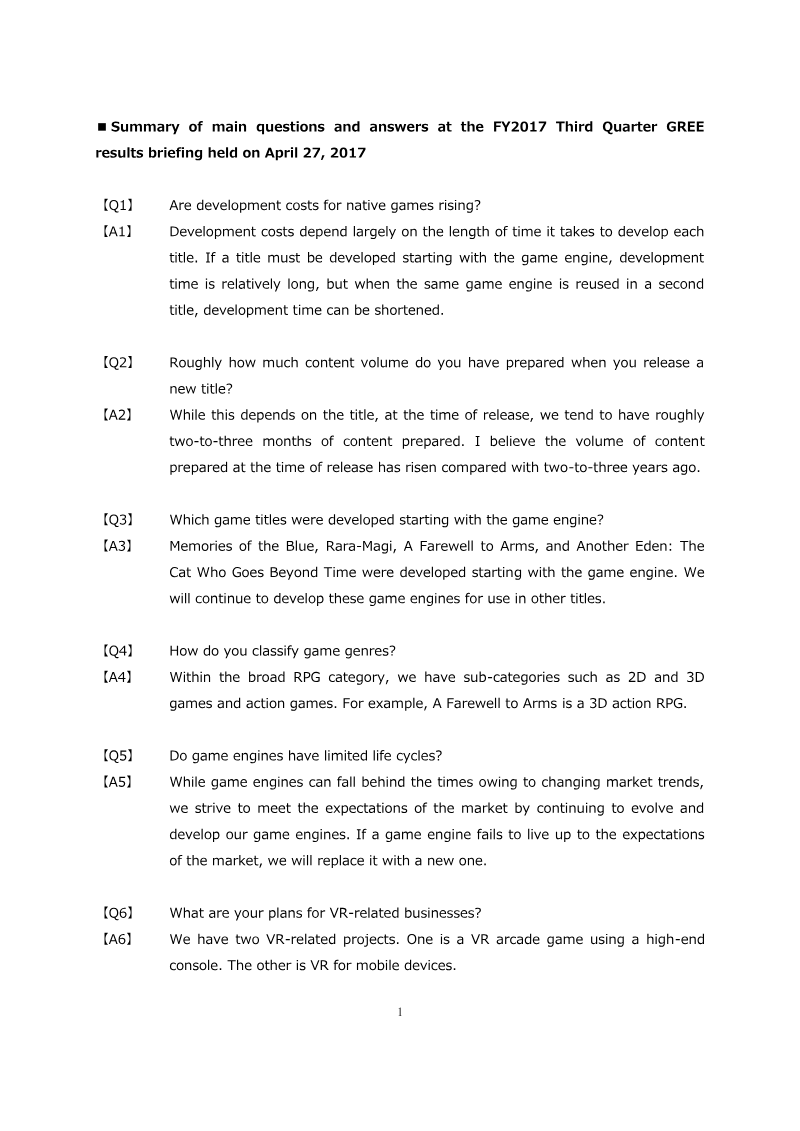
GREE · 2017
Square Enix · 2026
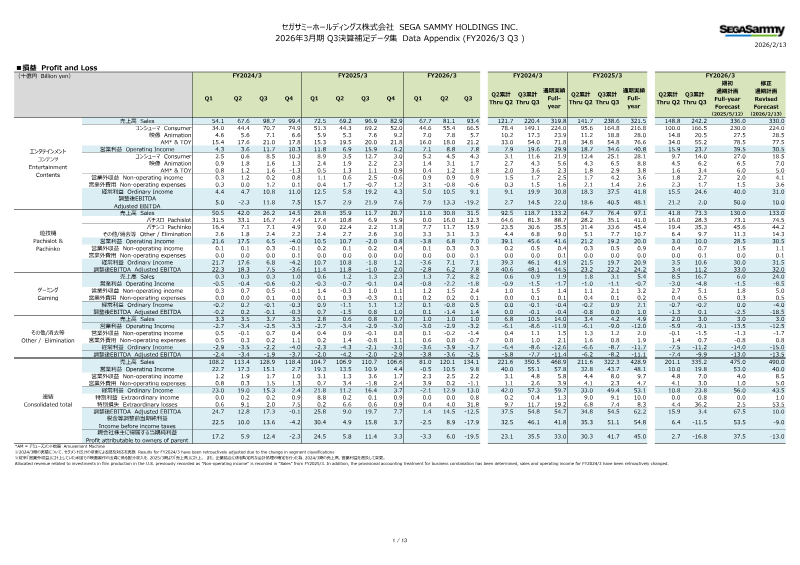
Sega Sammy Holdings · 2026
Kadokawa Corporation · 2026
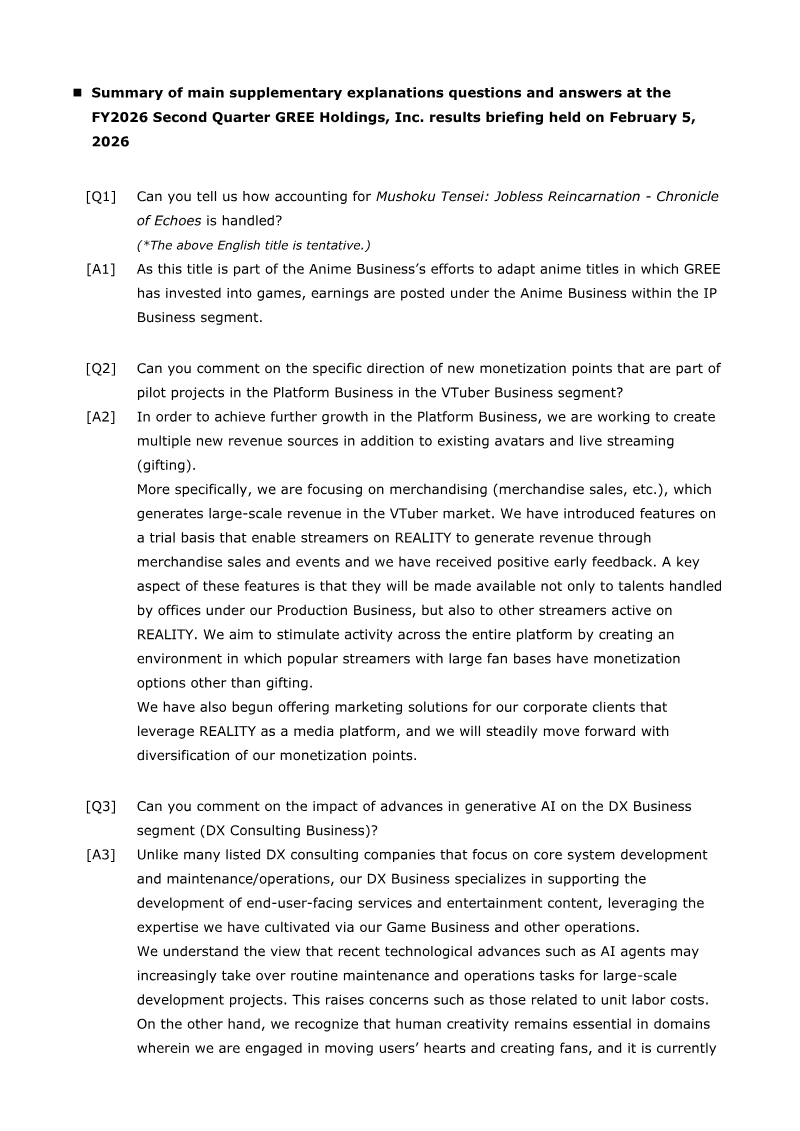
GREE · 2026
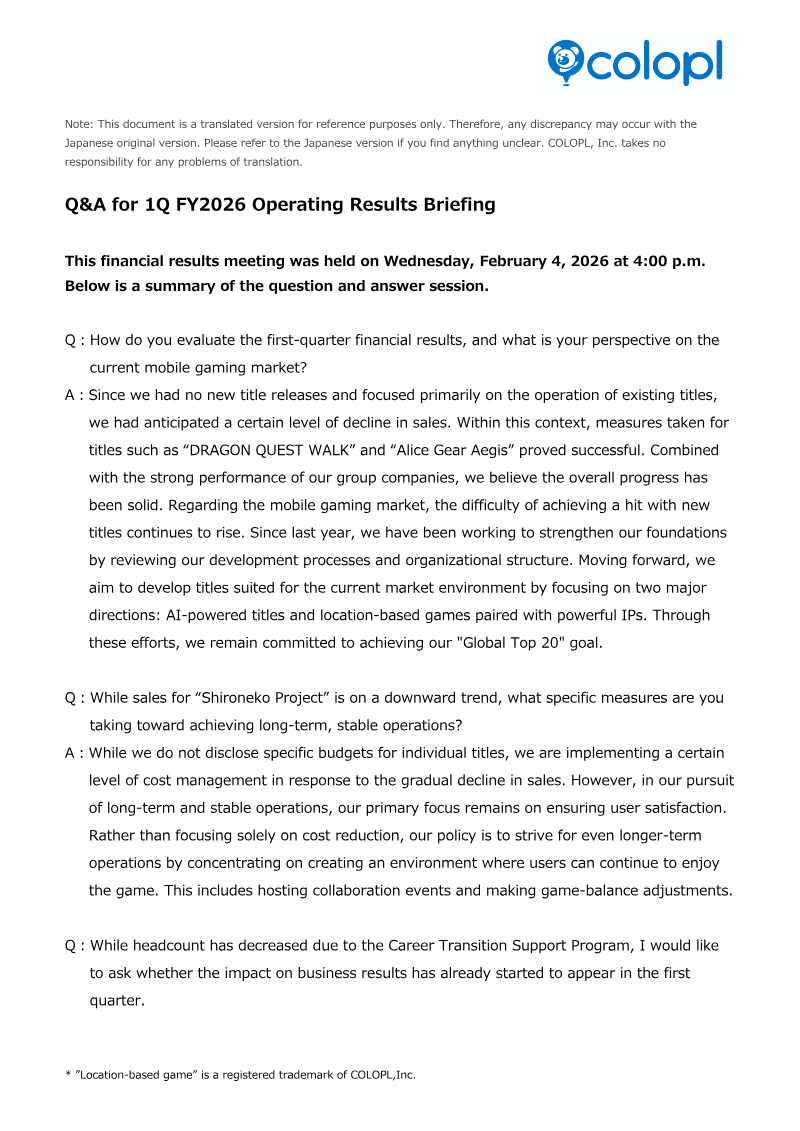
COLOPL · 2026
Take-Two Interactive · 2026
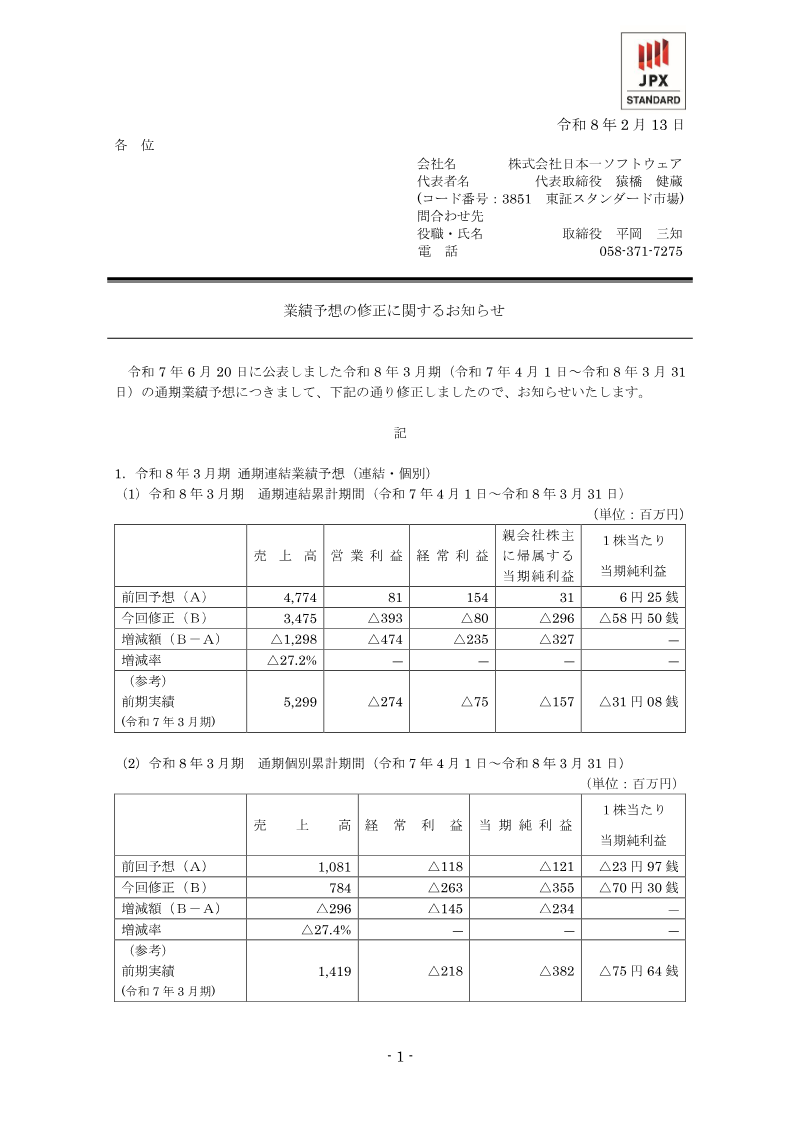
Nippon Ichi Software · 2026
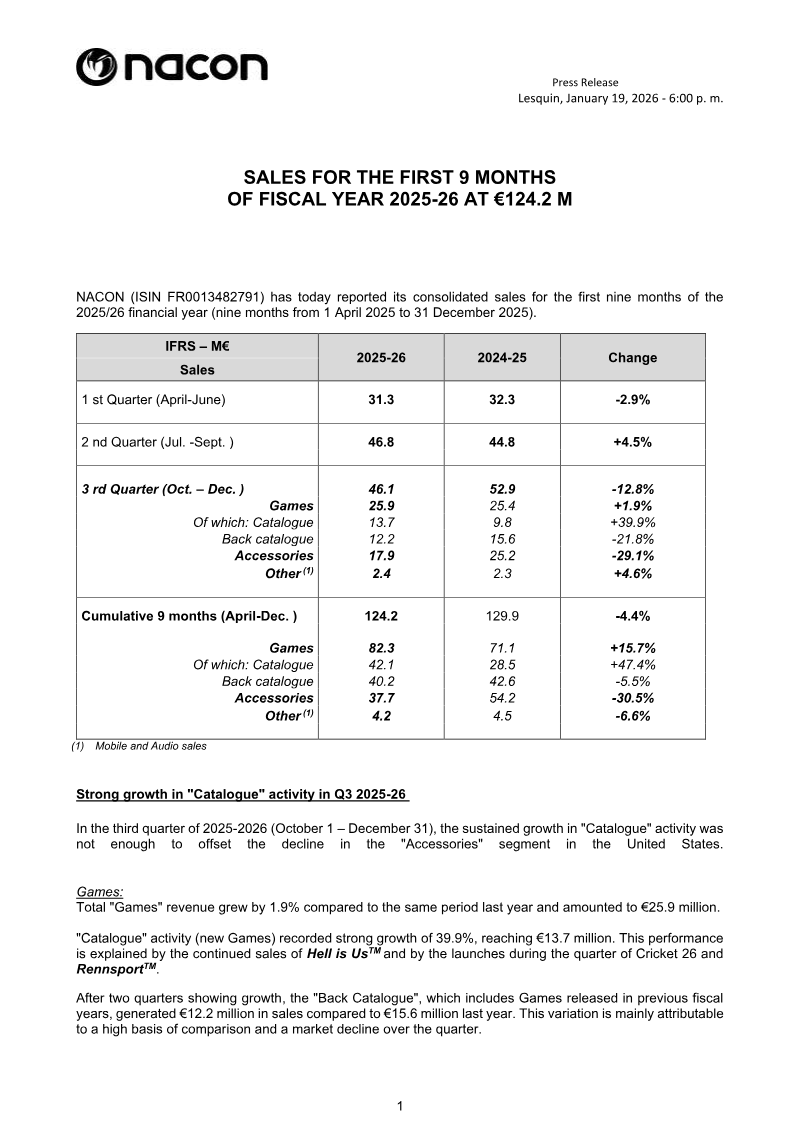
Nacon · 2026
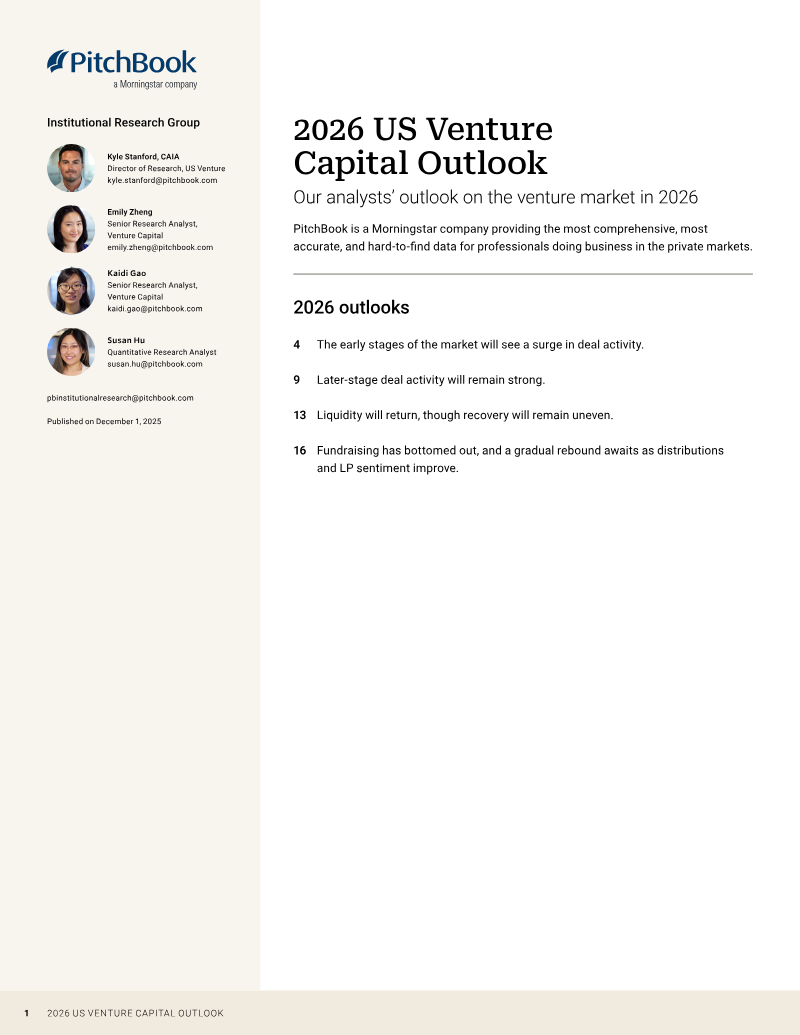
PitchBook · 2026
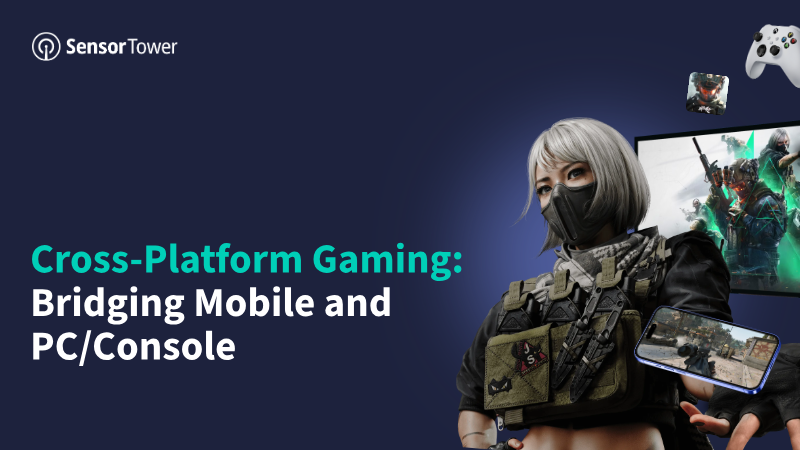
Sensor Tower · 2025