1 free read left. Create a free account for unlimited reading + AI research.
Create free account
Understanding SKAN 4.0 & Its Implications - David Philippson, Co-founder & CEO, Dataseat.
Key insights
6 takeaways- 01SKAN 4.0 expands data collection by introducing three distinct postback windows covering Day 0–2, Day 3–7, and Day 8–35.
- 02The current transition period, characterized by the coexistence of multiple SKAN versions, is creating market turbulence that favors organizations that proactively adapt their data strategies.
- 03Apple is phasing out probabilistic attribution and fingerprinting, necessitating a shift toward internal mastery of SKAN 4.0 rather than reliance on third-party mobile measurement partners.
- 04Privacy thresholds that redact data for smaller publishers will likely force advertisers to consolidate their ad spend among fewer, larger networks to maintain data visibility.
- 05To combat data loss from privacy thresholds, SKAN 4.0 implements a hierarchical 'coarse-grained' conversion value system categorized as low, medium, or high.
- 06The framework now supports mobile web attribution via Safari and increases the 'Source Identifier' capacity from two digits to four to allow for more granular campaign optimization.
Ask AI about this video
Transcript
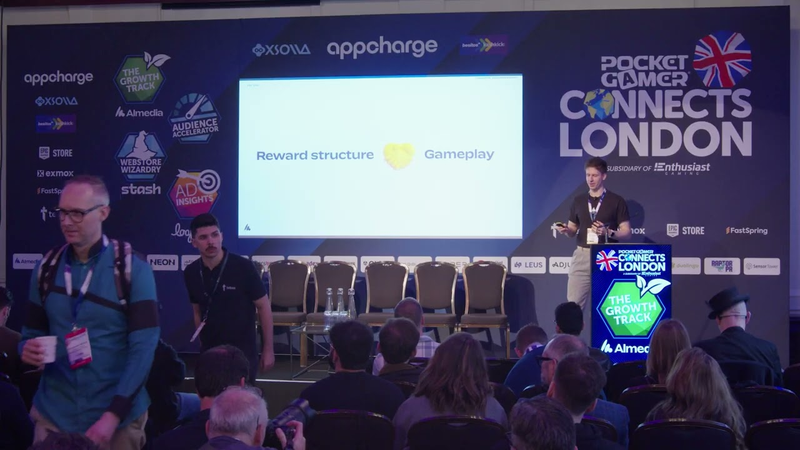
foreign [Music] [Applause] next up is a solo talk from David Phillipson of dataseat on understanding scan 4.0 and its implications so big round of applause for David Phillipson please as he comes to the stage hello everyone and welcome and thank you for joining my name is David Phillipson I'm the co-founder and CEO of a business called dataseat dataset became part of Verve group on the 1st of July last year I'm here to talk to you about Apple's SK
ad Network attribution system or what some people refer to as scad or or scan and specifically I'll be speaking to you about scan 4.0 which is the attribution system that Apple released in Q4 last year but before I go into the detail just to establish some credibility with you my audience as a subject matter expert on all things attribution and and programmatic 12 years ago um saying how old I am here um 12 years ago I founded what was arguably one of the first mmps it was called adx tracking we sold that to a company called critio and at critio my team built one of the first in-app retargeting uh products or or value propositions now it's interesting it was whilst as accuratio that Apple made some of their first moves in privacy they introduced itp's intelligent tracking prevention one and two that was limiting first and third party cookies in the
Safari browser well that was when I was at the end of my tenure at critio and my entrepreneurial Spirit was started planning and I developed the thesis that I was convinced that Sapphire is really just a test bed for iOS and I was convinced that idfa was going to disappear in the Apple operating system uh that led to me starting data sets data set as a DSP we focus on gaming companies and driving user acquisition without any Reliance on idfa so the majority of UA in our industry has been driven by behavioral profile based targeting of individual users if you if id5 disappears then you're left with contextual so dataset is a contextual DSP that drives user acquisition without any Reliance and I defect anyway that's my background and you can understand how therefore I've done my Malcolm Gladwell 10 000 hours on all things attribution programmatic so that's the last of selling I'm going to be doing you know really my objective is just to share some of my knowledge with you as
marketeers as gross managers as monetization managers because I think the more you know the better prepared you will ultimately be and so a brief agenda this is a 20 minute talk I'm going to be flying through quite a lot of this I'm going to be talking about some assumptions I'm going to be talking about some fundamentals around around scan I've been talking about different versions of scan and why it's important to understand their attributes you can't talk about this subjects without talking about privacy thresholds and then I'm going to be highlighting some of the nuances with scan four talk about mobile web and then I'll be drawing some some conclusions so without stating the obvious well it is stacing the obvious scan is an attribution system for advertisers but I believe it is just important that monetization understands scan and how it works because anything that affects the demand side obviously affects its supply side so I think it is just as important for monetization leaders to understand it as much as growth today the full effects of scan have not
been felt I've heard quite a lot of people saying well you know we're told Winter's coming and it you know hasn't really arrived that bad well the status quo has been maintained because mmps and and the whole industry most of us in this room including dsps St ad networks and advertisers still continue to use probabilistic attribution or fingerprinting only when Apple enforces a ban on probabilistic matching will the full effects of scan be felt and to be clear that is going to be far more have far more fundamental effects on you on us as an industry than any small differences between scan 3.2 and scan 4. um okay going more into the detail it's very complex subjects but do not worry I'm not going to spend time talking about this this is a schematic of from a bid through to a uh through through to scan attribution back to an
ad Network I could spend hours talking about this but I shunt but there is a very good podcast of me on mobile user acquisition show explaining that and I use that for new starters in my team lots of my gaming clients use it for years to try and get their people up to speed so to talk about scan four I've got to just assume there's some base level knowledge um if some of that's lacking please do watch that you know it's quite good um but it it's it's but it will give you those fundamentals that I've got to assume to go into the details of this particular talk okay right so going into some of the details now I must do as I preach so I'll always explain what a graph is before going to the detail my x-axis is time that's days my y-axis is number of downloads for one particular client of ours color is different versions of scan now what you should take away from this is in any one point in time you were going to be dealing with different versions of scan it's a bit of a show to be honest it will get better but
this is the equivalent of having like three different mmps with three different attribution systems on one of your games it's incredibly complex scan two was click through only scan 2.2 was click through and view through scan three was click through view through and multi-touch and scan four that's just been released is all of the above plus new stuff and you've got a you know plan well actually I could be running a campaign that's using all three of those now I'm often asked when I say that well can't we just run on scan four and the answer is no and I'll explain I'll explain why well unlike an iOS rollout you know Apple will be able to push out iOS 17 in a couple of months you know in two or three months they can push that out to Consumer devices and they'll be 80 90 within a few months that isn't the case with versions of scan a version of scan requires first of all that ssps so the app lovings the
Googles you know the the fiber the chart boost to update their sdks then the gaming Publishers themselves have got to update their app to be compatible implement the SDK submit it to store and then the consumers have then got to update to that then latest version so it takes it takes a year plus you know so you're going to be dealing with multiple versions of scan for a long time and my belief is that those that understand it both monetize on the monetization and on the growth side those that understand it are going to be most capable to kind of ride the wave um you know and survive and thrive through what I do believe would be more turbulence uh to to come and I encourage not just to Outsource it all to your MMP don't just say ah my M P's name they are a super valuable partner but the more you understand it as gross managers and monetization managers I believe the better the position you'll be in um this is a bit of code this is a payload from a SK ad Network install that is
sent from iOS device to an ad Network now I'm just going to call out a few of the a few of the fundamental things here and some of the new things scan version it's the first thing it's really important you know this almost allows some cohort analysis back to the version of scan should be paying attention to that and Source identifier Apple likes to make our lives complex that used to be called campaign ID so you may see me swapping or people swapping swing campaign ID and Source identifier that's the variable that is in the ad networks control to optimize the campaign um you've got re-download true or false that's cool because mmps couldn't really track a re-download or not um Source domain that's new that used to just be Source app Source domain now means you can track a scan download back to web back to way back to a website domain so that is new Fidelity type that's multi-touch did you win well it was multi-tucks but did you
win the install that's what did win true is and course grains conversion value that is one of scanthor's new uh new attributes which I'll be talking to you more about and also post that sequence there's multiple events so that's going to tell you is this the first event the second or or the third so that's some of the um so just touching on some of the new things which I will go into more detail on you cannot talk about scan without talking about privacy thresholds um we're going to explain what this chart is my x-axis is time my y-axis is number of downloads gray is bad gray is where the source identifier so this is the publisher that has driven a download gray is bad that's what's come back now it's below the Privacy threshold and by the way this is anonymized but it's one of my clients that's driving a thousand installs a day so I'd argue that there's a medium to large you're an app developer and you can see that 50 of
their installs the publisher that drove it was coming back no so it it's challenging uh to say the least but this has got some implications which I believe hasn't yet kind of manifested in the industry I believe a strong implication here is that ad networks and dsps when this becomes the only Norm we're going to have an incentive to spend more with less Publishers and if I've got a budget if I'm able to maintain performance but put through the put that spend through less Publishers it's more likely I'm going to get that visibility I'll be above the Privacy threshold as marketeers you have a similar dynamic if you were spending a million dollars whatever a hundred hundred thousand dollars with five different ad networks in the future I believe you're going to be better off spending more with Less ad networks it's the same Dynamic the more spend you can put through fewer ad networks fewer dsps I believe that you that those ad networks and disappears they're going to get more insights to optimize those campaigns I believe these
are unintentional unthought through ramifications but it could have a negative consequence on medium long tail Publishers you may be driving some quality installs but when this becomes the norm if an Advertiser can't know it's you driving those quality installs well then they're probably going to go to some of the bigger ones I I have seen Apple having a chat record in listening it's one of the reasons I do these speeches maybe they listen and I would like to see as a a scan five you know is there some Dynamic privacy threshold that you can have not to penalize medium and small developers otherwise I believe they will fill some of the pain um okay uh conversion values um this is what you the advertiser the developer sets this is what people been talking about about that six bit up to 64 variables these are the in-app events that are happening um okay they are also subjects uh to a privacy threshold in here again time volume of downloads light blue is bad so
even for a medium to large Advertiser they're having a lot of their conversion values hashed out arguably 10 to 20 um you know the smaller you are the less the you know the less installs that you're driving the higher that percentage will be where you're not actually getting that visibility um now this is one of the areas where scan for that has made some slight improvements on and now I'm going to go into some of those um first of all in previous versions of scan you were largely limited to one postback within the first 24 hours which compared to Infinity LTV tracking over 365 days you know it was going from Infinity to one you know one was pretty bad in the first 24 hours okay apple is now allowing up to three postbacks yay it sounds three times better but arguably compared to Affinity it's still pretty
pretty rubbish um but still it's three post-plex but I'll just explain uh what it is um so you'll have one post back in that first period which is from Day Zero to day two you can then have a second post back between day two between day three and day seven and a third post back between days eight and 35. you can cut that you know the day 35 to a shorter time window if you're done if you're done waiting but headline is more postbacks um they have also introduced A New Concept if the conversion value your 64 variables were your events which could be level one level five tutorial completion you know beat the bad bus all the way up to depositing 199 all the way up to depositing 99.99 those would typically be your uh be your conversion values Apple have introduced a hierarchy above that which is low medium and high and
this is important if you think about if you're getting load of conversion values back below the Privacy threshold where it's null what you will get with scan for is at least they'll tell you whether it's a low medium or high so if there's one takeaway from this presentation I believe that marketeers monetization managers and data scientists in your firms need to be working together to correctly bucket or at least start with a theory a thesis to say well this is where we'll start and this what we'll test but it's what events get put into low medium or high to allow some form of optimization or decision making Beyond being completely blind um I I I've been doing some workshops and having lots of discussions with clients if anyone would like to talk to me further about that afterwards I've I'll happily do so but I I think if you if you're an IAP developer deciding at what price point goes between medium or high will be one of the one of the critical things you know so how do I differentiate between a 199 deposit and
29.99 deposit that that's going to be one of the critical one of the critical variables so that's updates on on conversion values um a significant update and this this this one is a big deal but it it it really hasn't been discussed much now the reason it isn't discussed much is because advertisers Publishers don't use it that you don't control it it's on the ad Network side now ad networks typically aren't that transparent they certainly don't like talking about bad news I don't mind I love I like talking about bad news and challenges because it creates opportunities um and I'll tell you what what the bad news was the bad news was an ad Network only had last two digits we had up to 99 we had two zeros that we could populate from zero zeros up to 99 to optimize the campaign now that actually means something to an ad Network that variable now what Apple has done is going well you can have more than 100 you can have you can now have
999. yay or rather that's what we thought was the case but what you'll get used to with with apple and certainly attribution and privacy what they give with one hand they kind of take away with another it's not 999. um they've actually split those four digits up into into three parts we've we remain with the lower two digits up to 99 we're then giving another digit from zero to nine and then another digit and they are all subject to privacy thresholds and I'll I'll give you an example of these privacy thresholds and then I'm going to give you a user case of how an ad Network could use them um so for example if we were driving low volume these are examples this hasn't been uh this this isn't you know specific facts I'm just giving examples um so you can understand if we drove five installs in a day we may get null null 39. if we drove of 25 we may get null 739 if we drove 100 installs in a
day we may get five seven thirty nine so it isn't just one number it's it's three numbers uh up to up to four digits right that all sounds great but but what are you going to use them for um and this is an exam and this is actually where I believe that larger ad networks will struggle if you have thousands or tens of thousands of clients there's no way that you can put in a bespoke tailored solution to each Advertiser we're not in that position sorry I'm doing a bit of selling I said I wouldn't um I truly do believe a customized tailored approach to how the source identifier campaign IDs will lead to Optimal Solutions so we will speak to our gaming clients and we will say to them what's your budget are you likely to be over the publisher privacy threshold if you're not we may allocate some of those lower digits to publisher so even if it comes in now we'll still know that 39 means Flappy Birds the
publisher we may allocate it to line items so we know that it's a rewarded video line item in landscape on Flappy Birds the publisher we'll speak to our clients about how many GEOS are you running in how many exchanges are you going to be running on and we then may allocate this other digit to Country we made bucket countries together we might bucket uh USA and Canada together um and then we will also be saying well how many creatives are you running and we'll we'll have a different configuration of this I didn't do that hello shall I click again awesome I'm back good that was the evil that I gave those dudes at the back thank you very much um great so um uh yes so this this is an example of how we will use uh of this is how we'll use uh campaign IDs um so in summary I've got a minute left good um in summary scan for what are the changes
um campaign IDs um basically the ad networks have have more campaign IDs we're kind of flying a bit blind we're just up to 99 to optimize a component we now have more but honestly most ad networks have been ignoring that because we've still got probabilistic um uh conversion values you now have up to three postbacks this is certainly an area if your marketeers you're running gaming companies would need to be investing in these post facts um you know what is it that you're intending uh to get back and when and and do they fall into low medium or high course grown values um and last but not least um and I say last but not least it just it's quite simple to explain so it didn't need to take up more real estate on my presentation um scan 4 can track mobile web comes with a caveat it's IOS operating system with the Safari browser only but ninety percent of web traffic in iOS is from
the Safari browser so let's go you know there's loads of valuable inventory Banner inventory you know even search you know Banner search video in mobile web can and will be tracked with scan 4. um so in conclusion unless Apple enforces scan only all of the challenges that I've been talking about are limited the status quo of what we're experiencing now won't change much um if I say when not if I'm convinced that Apple will enforce a probabilistic ban limitation and scan will become a bigger and bigger topic I also believe that those that have invested most in it are the ones that are going to Survive and Thrive and I do believe those that haven't invested in it and don't understand it and just outsourced it someone else or don't care I think they will it will be challenging Rob asks will be hard to drive and I do believe that some demands will fall from the market I see that as an opportunity
those that have invested in it those that do understand it I think fill rates will drop a bit ecpms will drop a bit and those that you know can survive and thrive in that environment will then be able to buy that inventory and I believe in in free markets and I'm bullish about the future but please also bear in mind that all of these different versions of scan are going to be around for a long time and so understanding their attributes is going to be critical uh to your success and I hope that you've been able to get some tips and insights from my presentation today and we do a lot of research so just call out some good research app supplies got a great blog uh singular has got a great blog I've listed my YouTube video here as well which I recommend you read and also there's still some ongoing documentation being published on Apple's website they don't tell anyone you know I've just got a bunch of Engineers that are checking every day um keep keep your eye on the on on the Apple blogs as well um I'm 30 seconds over
that's the end of my presentation [Applause] [Music] [Applause]
Summary
The primary objective of this analysis is to demystify Apple’s SKAdNetwork (SKAN) 4.0, an attribution framework designed for the iOS ecosystem. The central thesis posits that while the industry currently relies on probabilistic attribution and fingerprinting to maintain performance, these methods will eventually be banned by Apple. Consequently, stakeholders—including growth managers and monetization teams—must move beyond outsourcing attribution to mobile measurement partners (MMPs) and instead develop a deep, internal understanding of SKAN 4.0 to survive and thrive in a privacy-centric landscape.
SKAN 4.0 introduces several technical shifts, including the expansion of postbacks from one to three, allowing for data collection across three distinct time windows (Day 0–2, Day 3–7, and Day 8–35). It also introduces a hierarchical "coarse-grained" conversion value system (low, medium, high) to mitigate data loss caused by privacy thresholds. Furthermore, the framework now supports mobile web attribution via the Safari browser and expands the "Source Identifier" (formerly campaign ID) from two digits to four, providing ad networks with more granular, albeit privacy-constrained, optimization capabilities.
The scope of this analysis covers the mobile gaming industry, specifically focusing on user acquisition and monetization strategies within the iOS ecosystem. The methodology relies on industry expertise, technical analysis of Apple’s attribution payloads, and observed trends in data loss due to privacy thresholds.
The analysis concludes that the industry is currently in a transition period where multiple versions of SKAN coexist, complicating campaign management. A critical finding is that privacy thresholds—which redact data for smaller publishers—will likely incentivize advertisers to consolidate spend among fewer, larger ad networks to ensure data visibility. Ultimately, the transition to a post-probabilistic environment will create market turbulence, favoring those who proactively adapt their data strategies to these new technical constraints.















Comments