Loading the document
Key insights
6 slides
New approach
Serious games can improve revenue and engagement by adopting the freemium model.
This involves shifting from traditional upfront sales to a free-to-play access model with optional monetization. This approach can better serve niche audiences and foster community growth.

1 / 6
- 01Serious games can improve revenue and engagement by adopting the freemium model, shifting from upfront sales to free-to-play access with optional monetization.See it on page 31
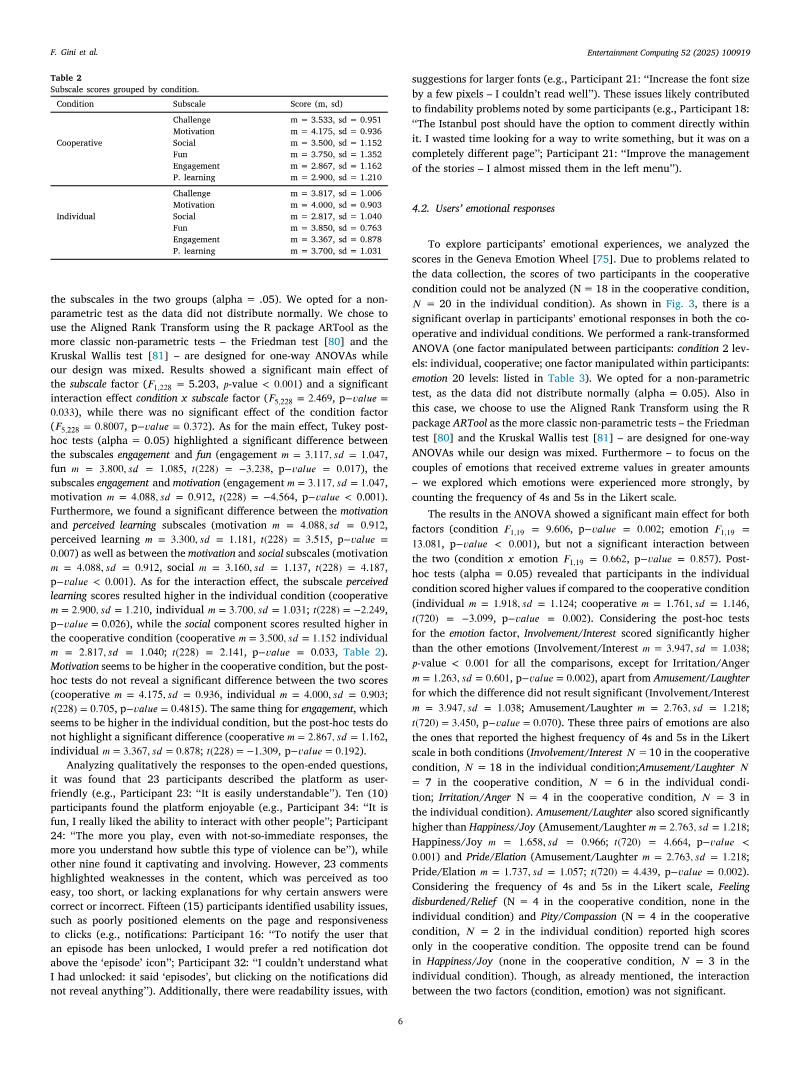
- 02Approximately 20 percent of players are willing to purchase virtual goods, making the targeting of these high-spending users essential for profitability.See it on page 18
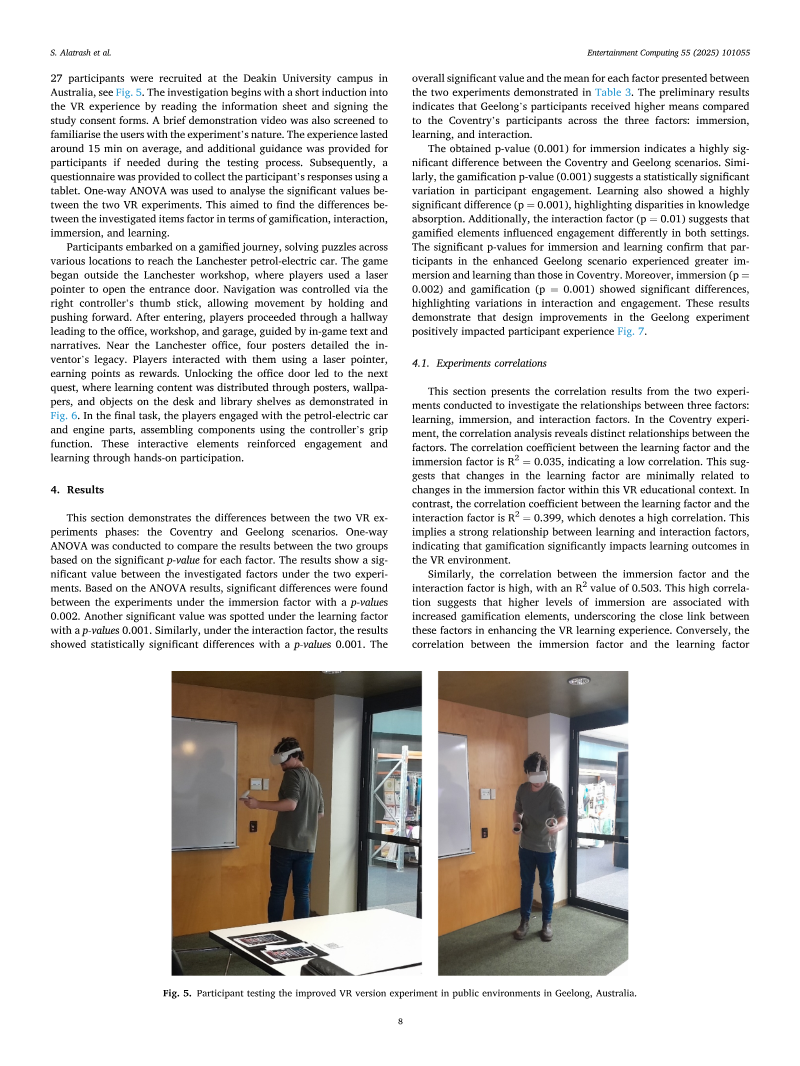
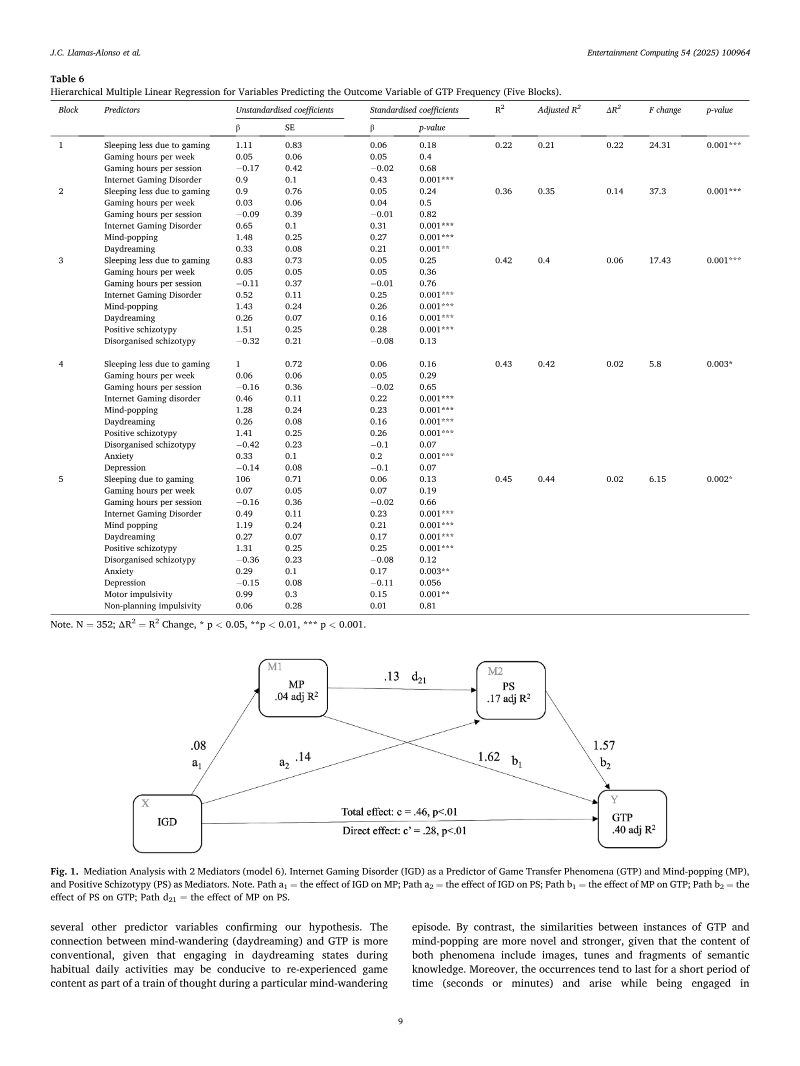
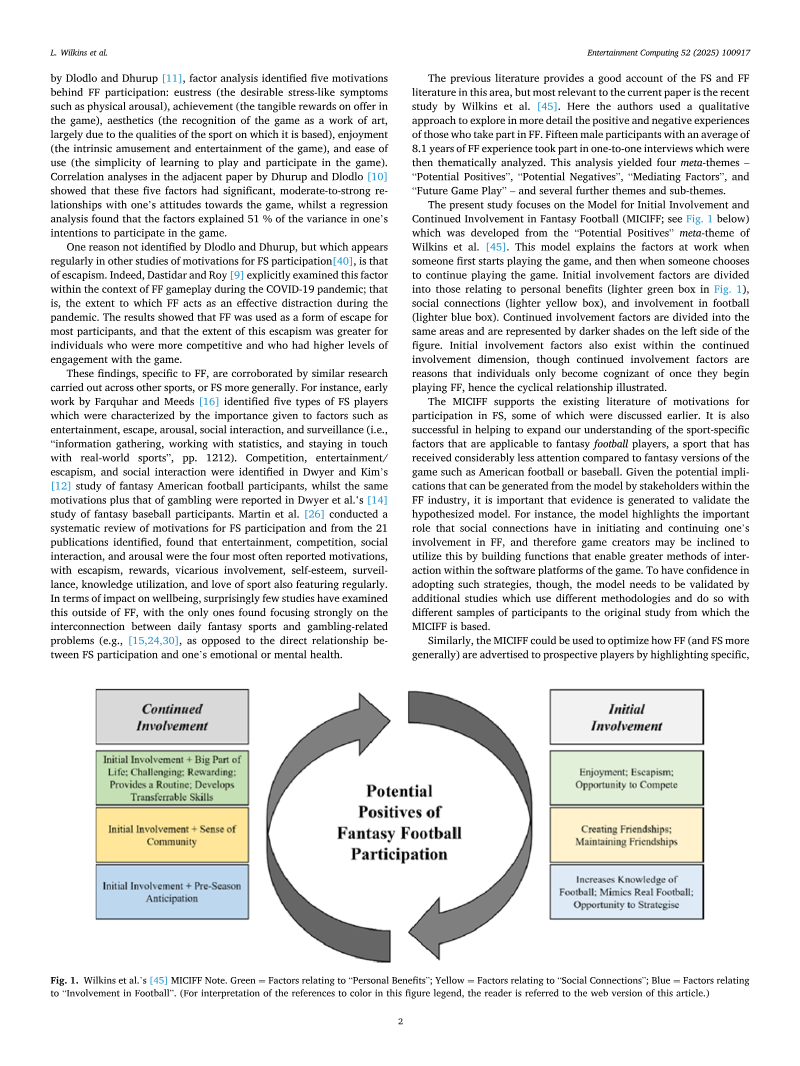
- 03Long-term retention is driven by social interaction and community-building features, as time spent in-game correlates strongly with these elements.See it on page 9
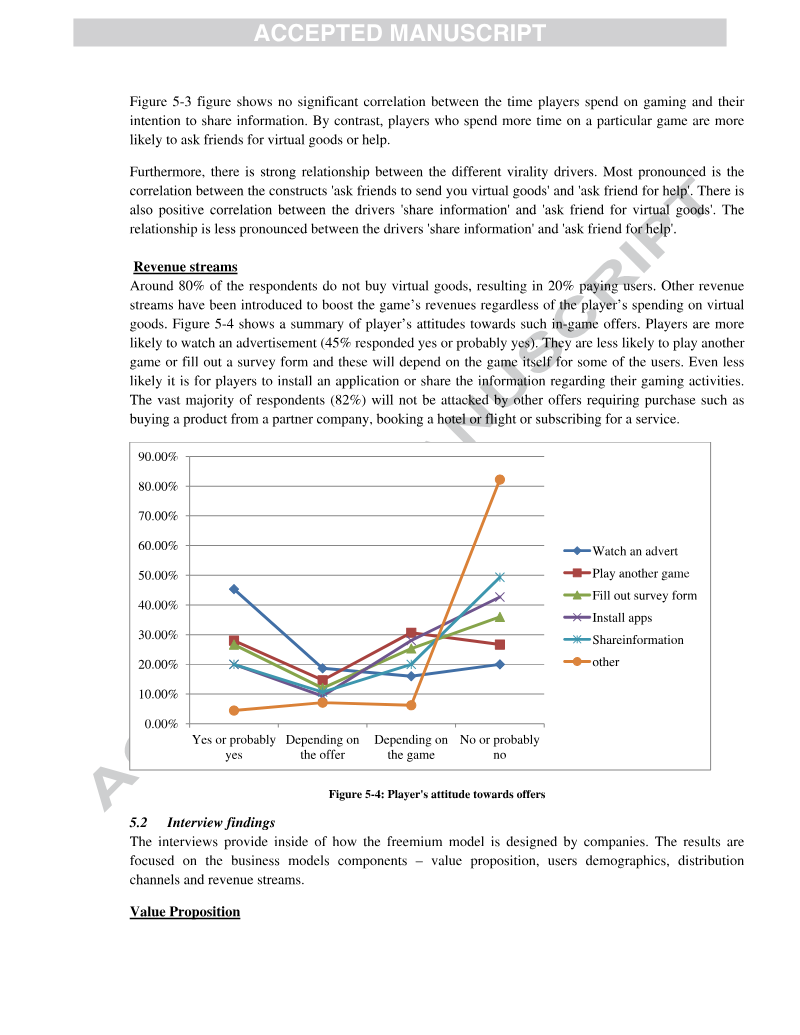
- 04Player acceptance is significantly higher for integrated advertisements than for intrusive data-sharing practices or third-party offers.See it on page 14
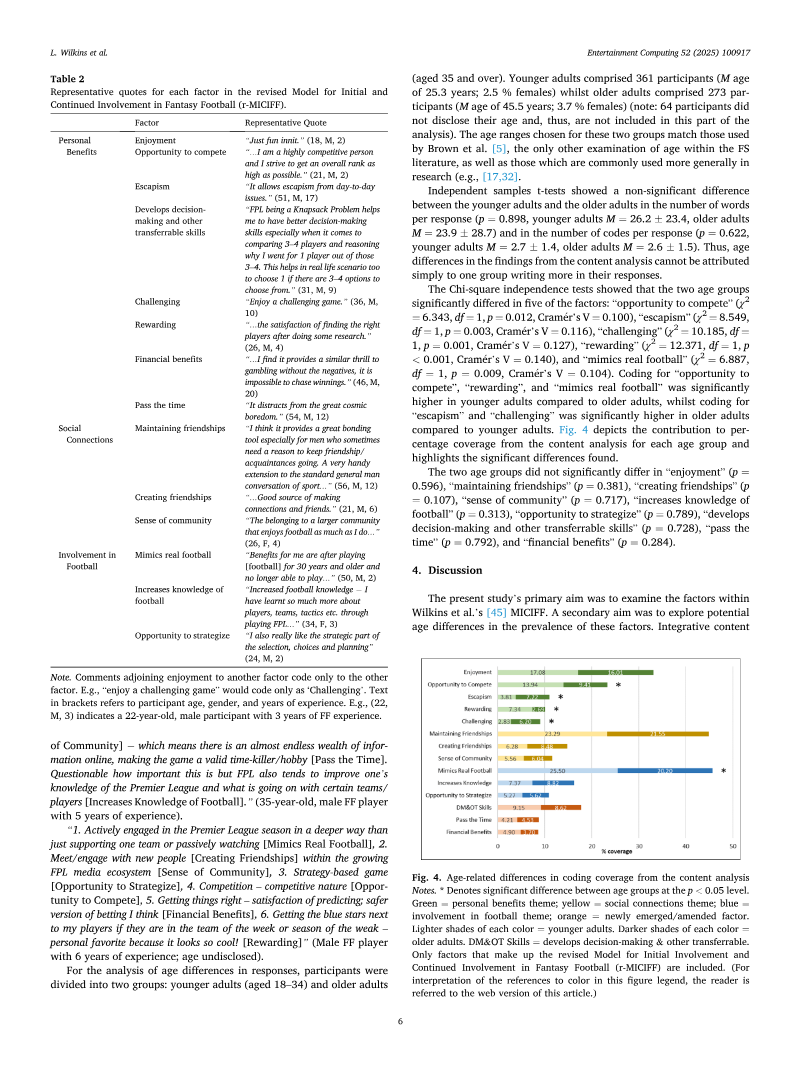
- 05Sustainable growth requires an iterative design approach focused on tracking key performance indicators such as average revenue per user and retention rates.See it on page 9
- 06Future scalability of the freemium model in the serious games sector depends on validating these frameworks within United States and Asian markets.See it on page 19
Ask AI about this report
Summary
The serious games industry can significantly enhance revenue optimization and user engagement by transposing the freemium business model from the casual gaming sector. By shifting away from traditional upfront sales toward a model centered on free-to-play access with optional monetization, developers can better serve niche audiences while fostering community growth. This strategic transition requires a rigorous alignment of value propositions, precise market segmentation, and the integration of data-driven development cycles to ensure long-term sustainability.
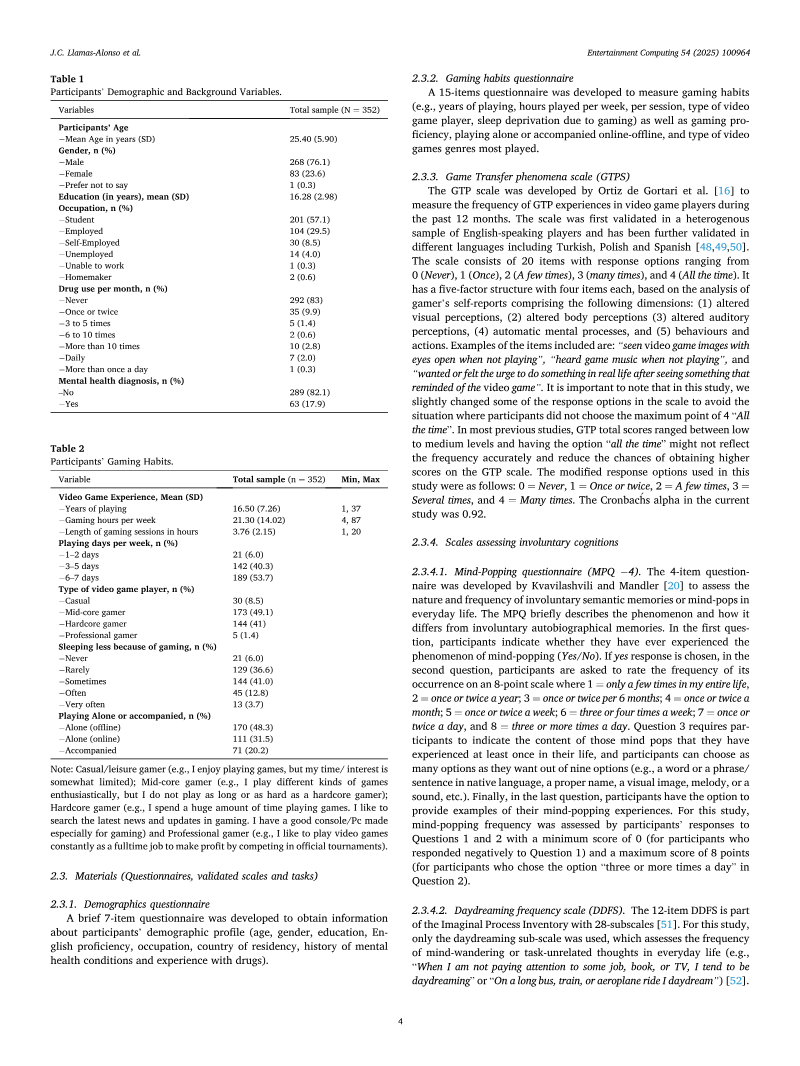
Successful implementation of this model hinges on the careful balance of user experience and monetization mechanics. While approximately 20 percent of players demonstrate a willingness to purchase virtual goods, engagement remains primarily driven by the perceived fun and ease of use of the software. Data indicates that time spent within a game correlates strongly with social interaction, suggesting that community-building features are essential for retention. Furthermore, while virtual goods remain a primary revenue target, player acceptance is notably higher for integrated advertisements than for intrusive data-sharing requirements or third-party offers.
Achieving profitability in this space demands a commitment to iterative design and the continuous tracking of key performance indicators, such as average revenue per user and retention rates. Developers must focus on post-production refinement to effectively monetize high-spending users, often referred to as whales, through well-designed virtual assets. Although the current research focuses on foundational frameworks, future expansion into United States and Asian markets is necessary to validate these findings on a global scale. Ultimately, the freemium model provides a robust, scalable architecture for serious games, provided that developers remain responsive to evolving player behaviors and prioritize the integration of diverse, non-intrusive revenue streams.