More from Trinity College Dublin
View all
More on Game Development
View all


Whitepaper
A Scalable, Modular Architecture Enabling Digital Teacher-Defined Mobile Escape Rooms
European Conference on Games Based Learning (ECGBL) · 2026
Whitepaper
Designing Educational Games in Higher Education: A Convergent Mixed-methods Pilot Evaluation
European Conference on Games Based Learning (ECGBL) · 2026
Whitepaper
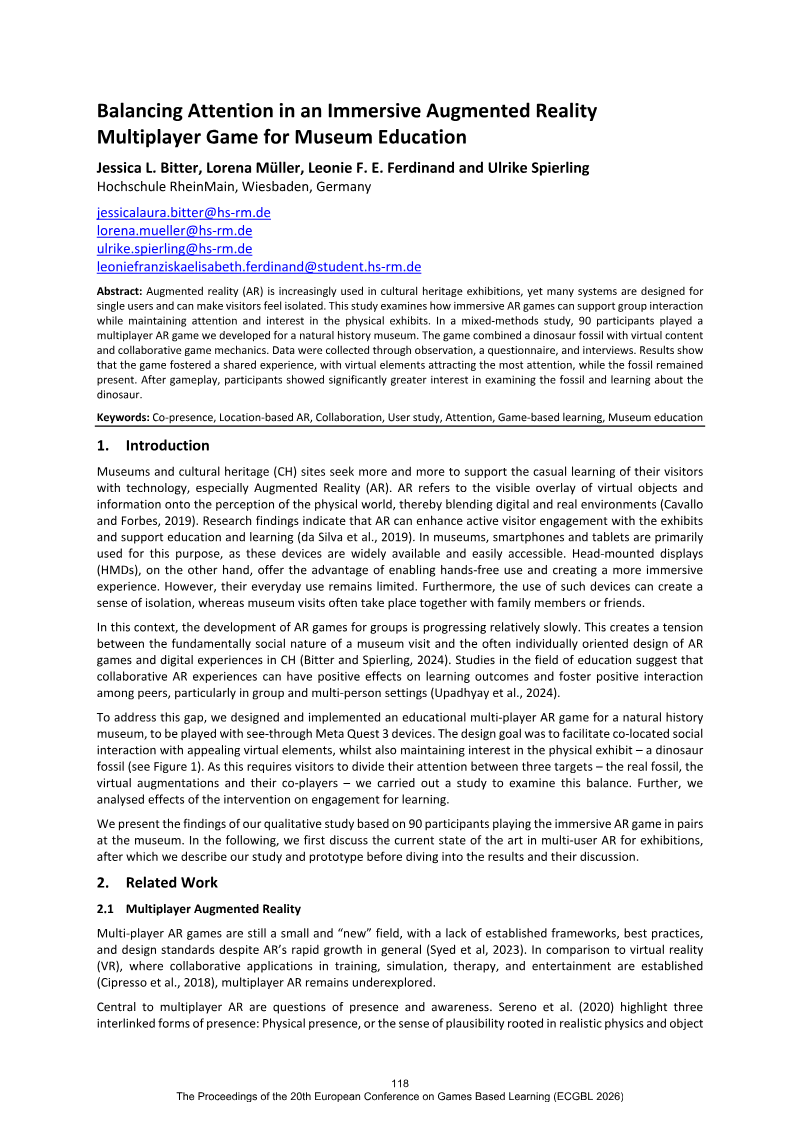
Balancing Attention in an Immersive Augmented Reality Multiplayer Game for Museum Education
European Conference on Games Based Learning (ECGBL) · 2026
Whitepaper
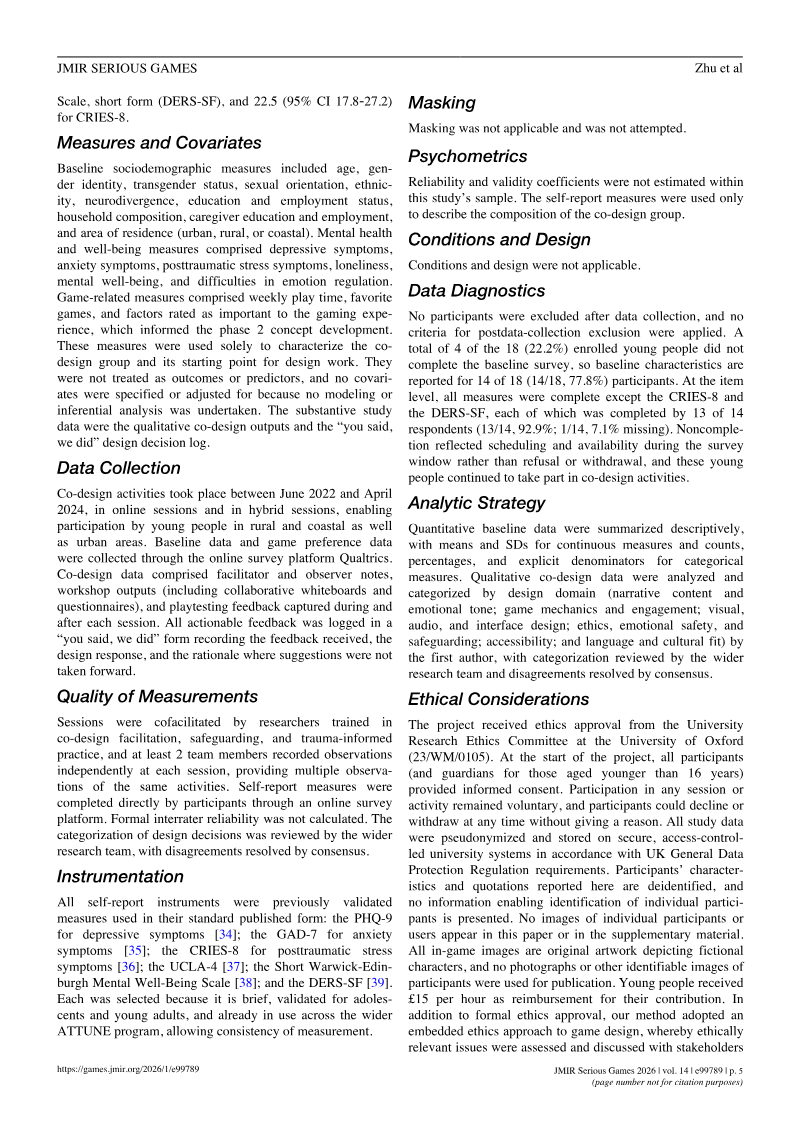
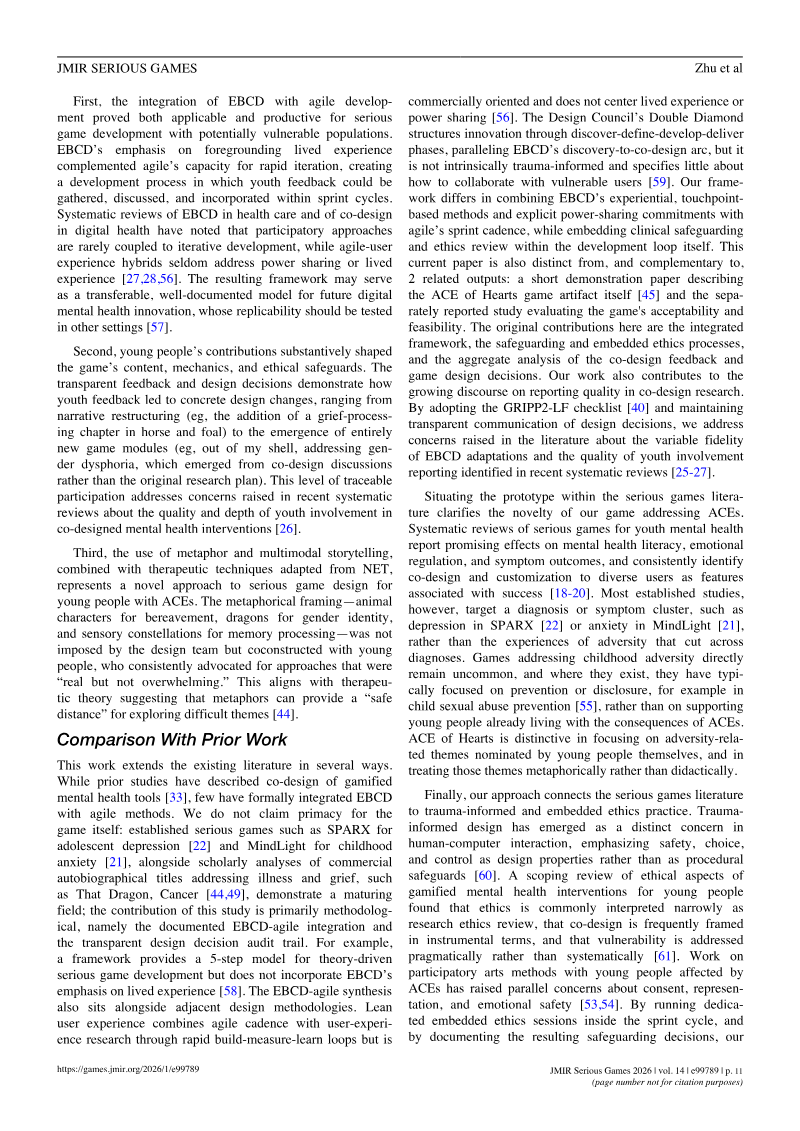
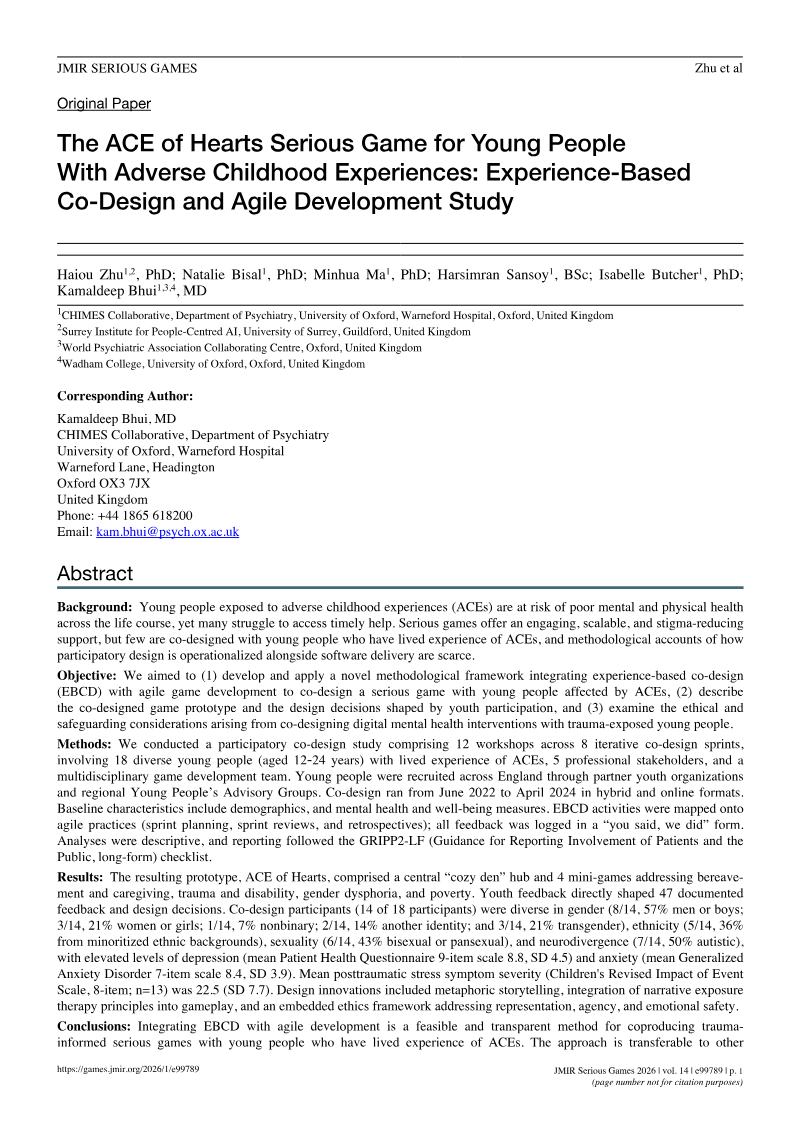
The ACE of Hearts Serious Game for Young People With Adverse Childhood Experiences
JMIR Serious Games · 2026
PocketGamer.biz
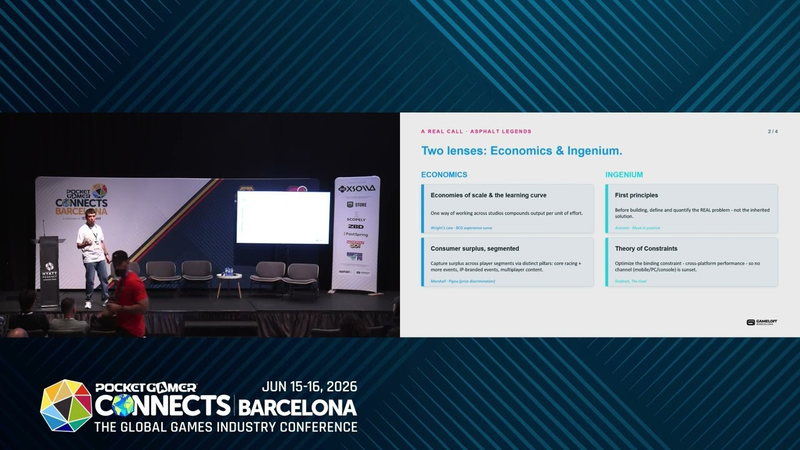
NEW ** Session: Time To Resolve - Raúl Orrego del Río, Gameloft Barcelona.
PocketGamer.biz · 2026
Whitepaper
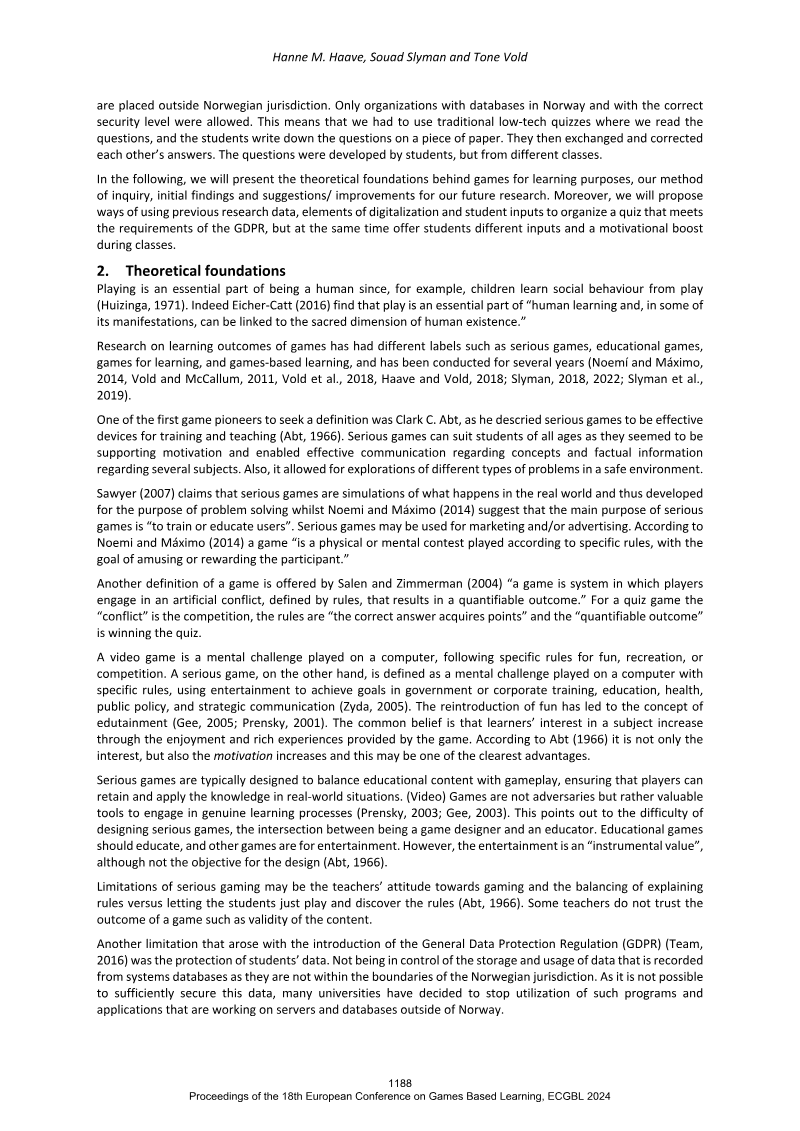
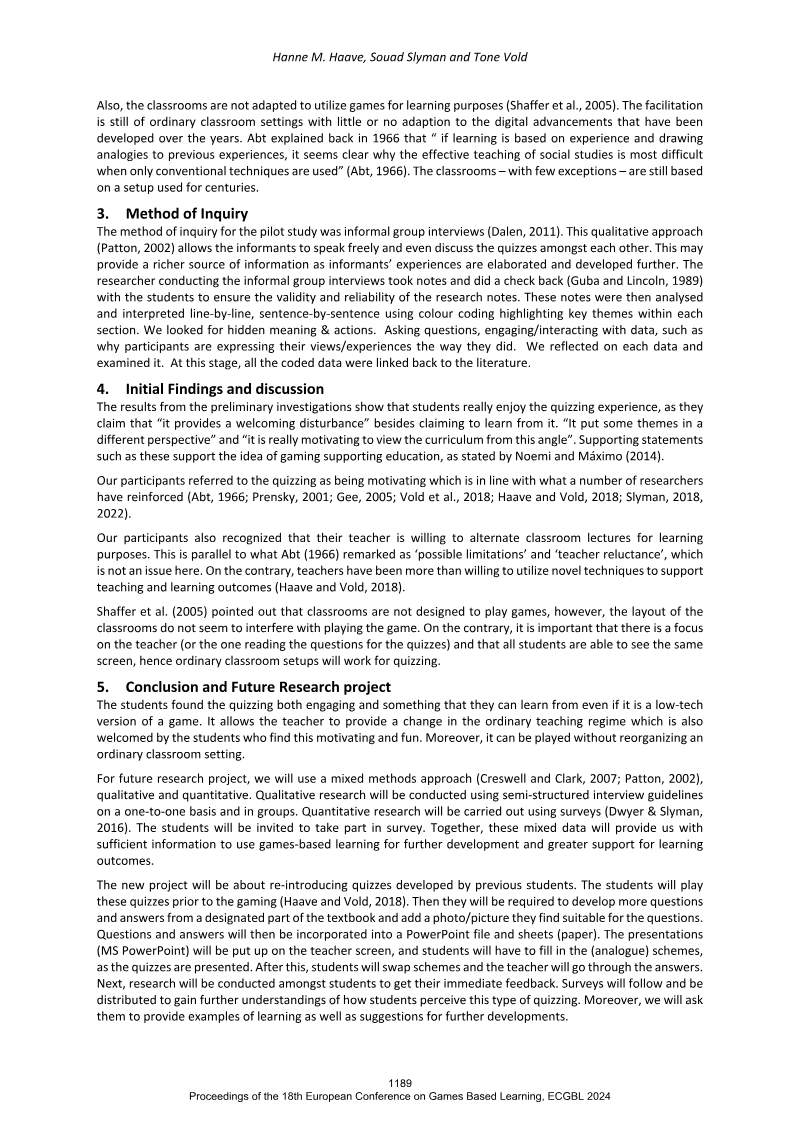
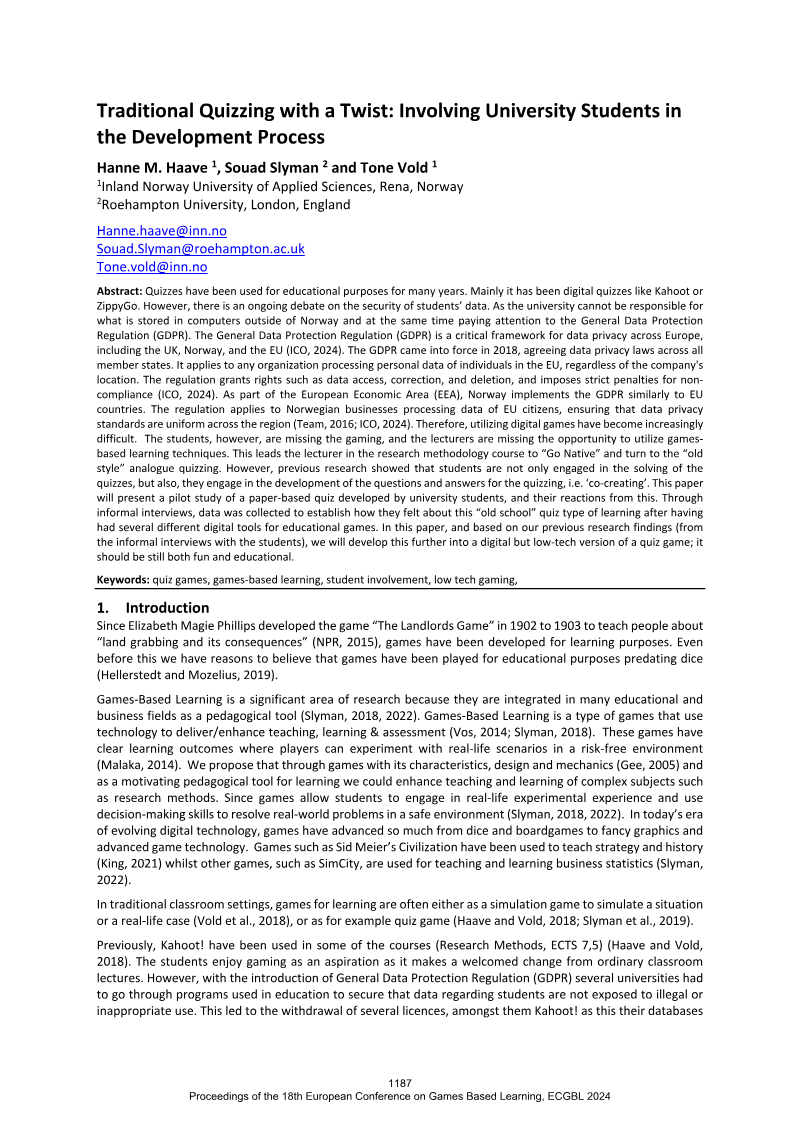
Traditional Quizzing with a Twist: Involving University Students in the Development Process
European Conference on Games Based Learning (ECGBL) · 2024
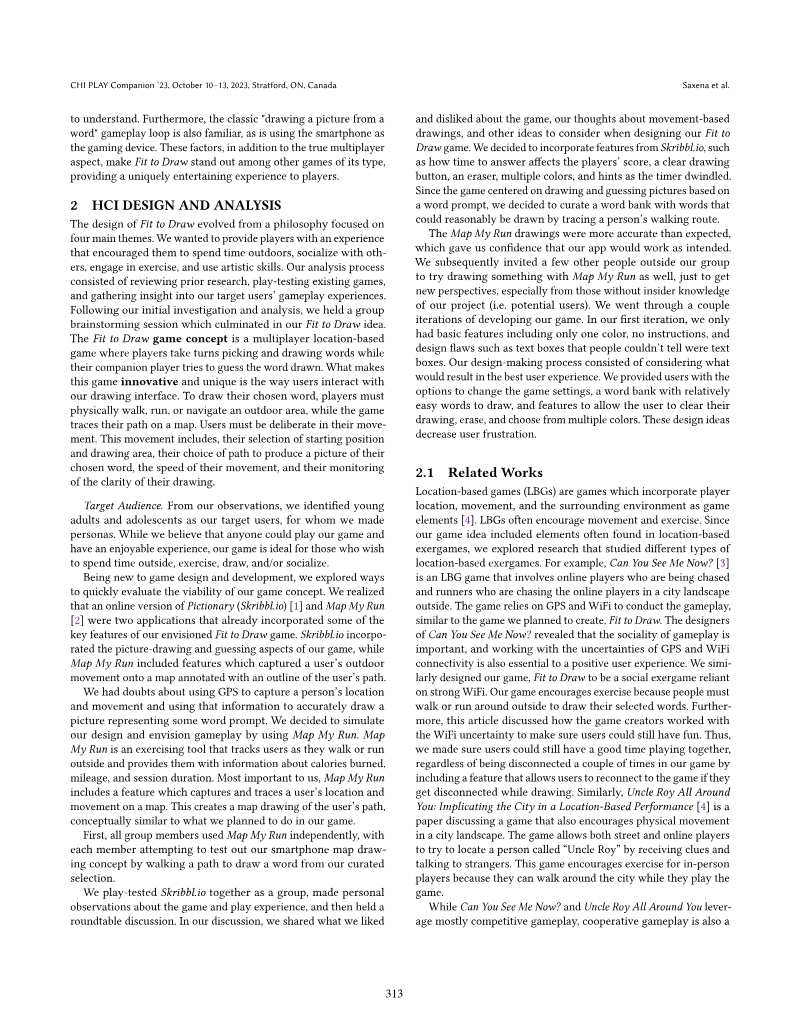
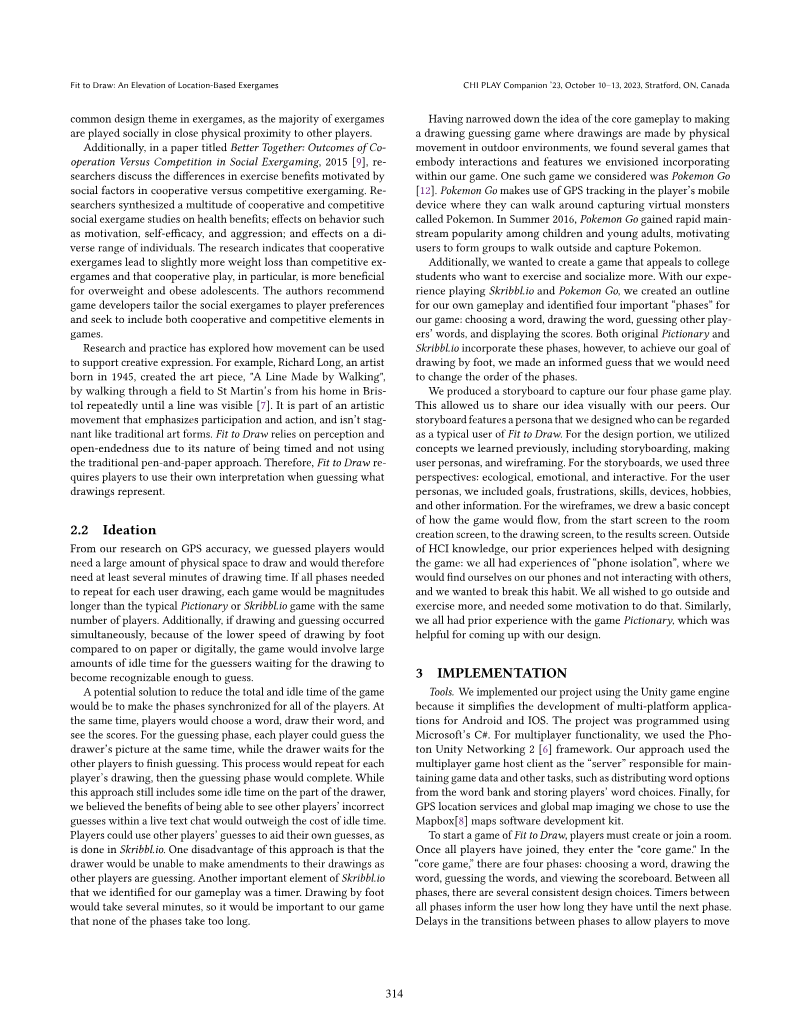
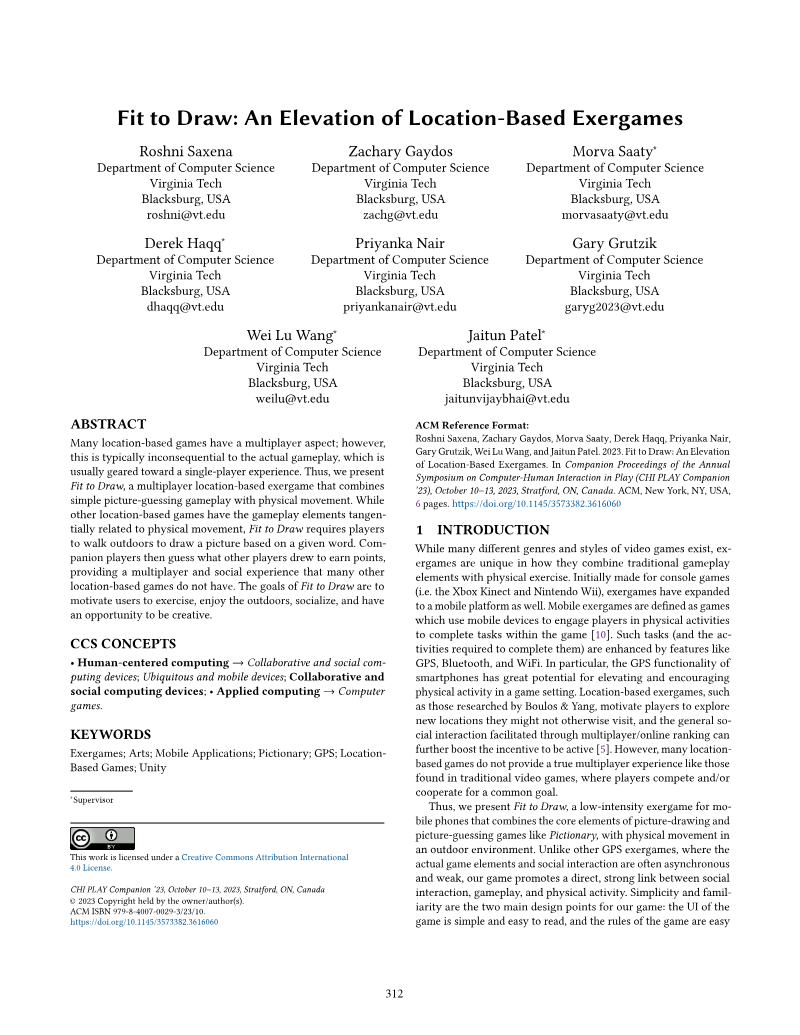
Whitepaper
Fit to Draw: An Elevation of Location-Based Exergames
Virginia Tech · 2023
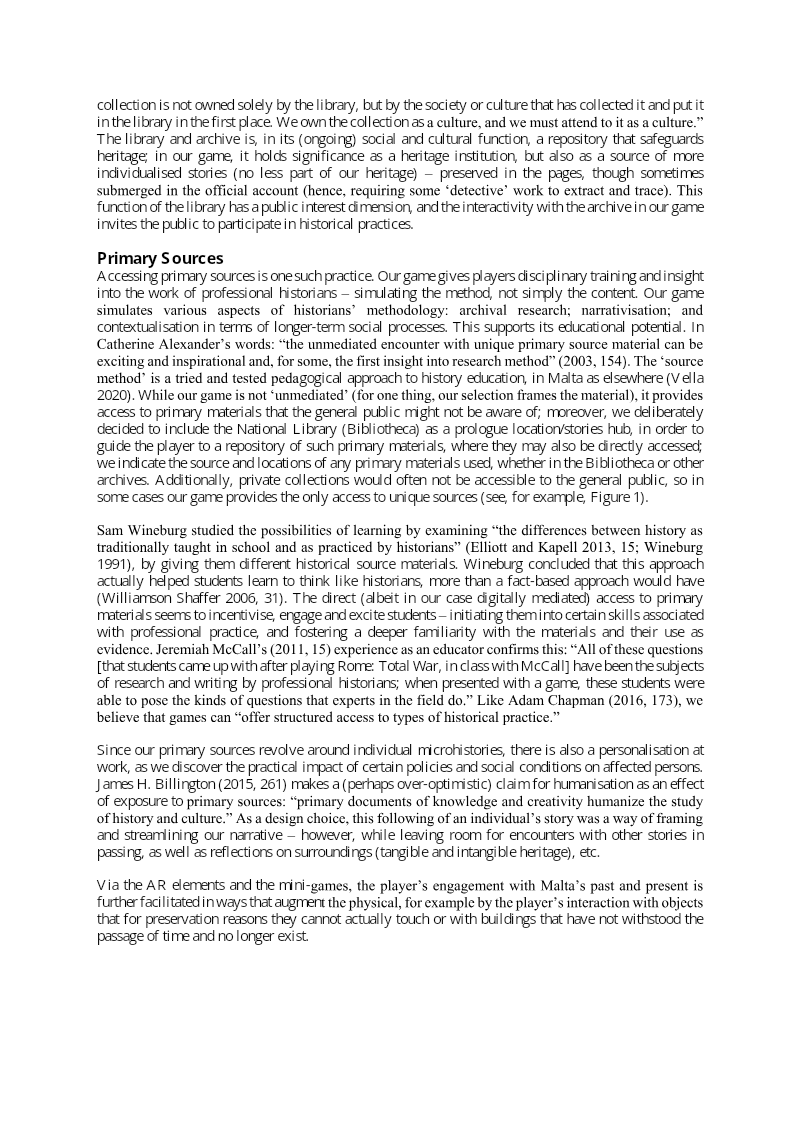
Whitepaper
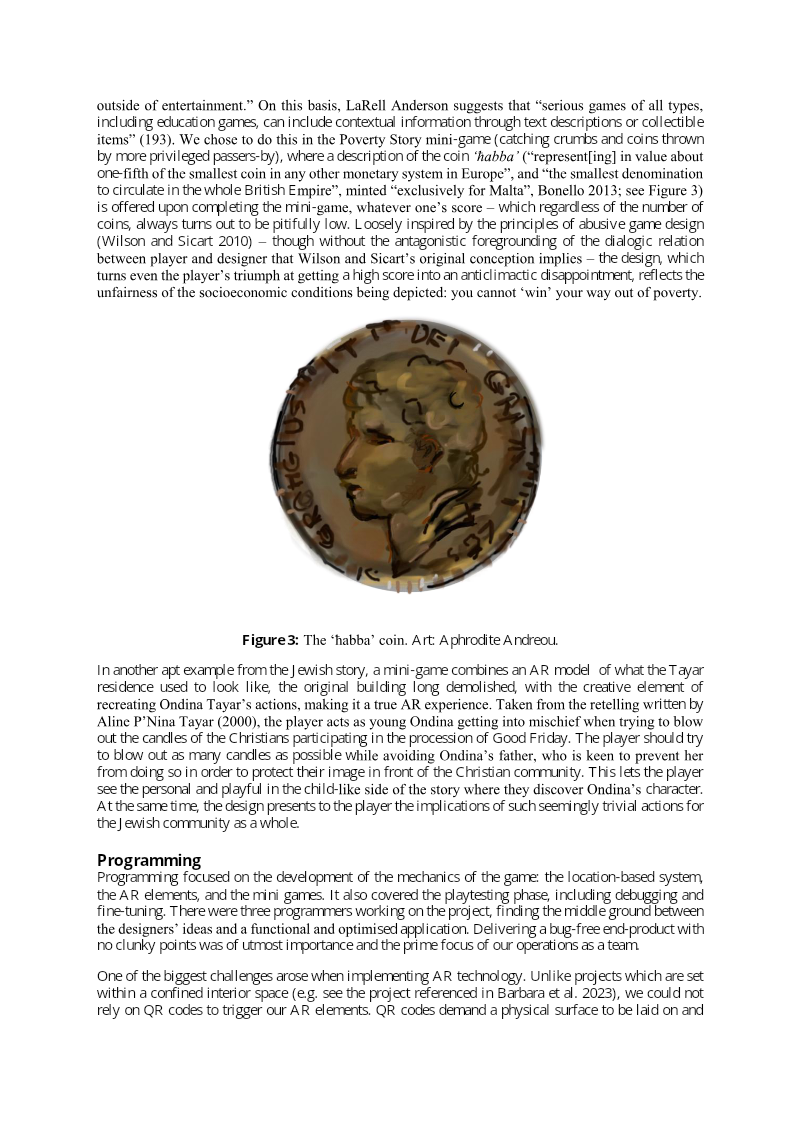
Valletta: Streets of History: Documenting the Process of Developing a Location-Based Game in the Area of Maltese History and Culture
DiGRA · 2023
Whitepaper
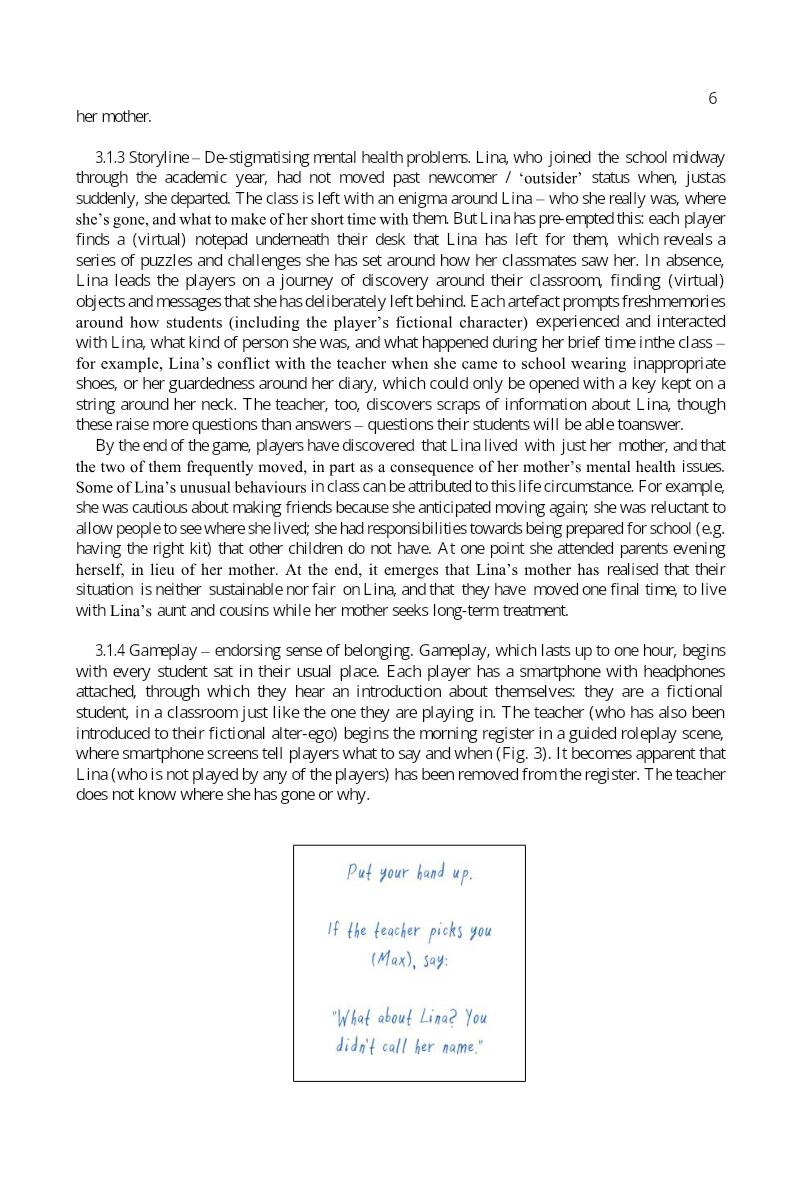
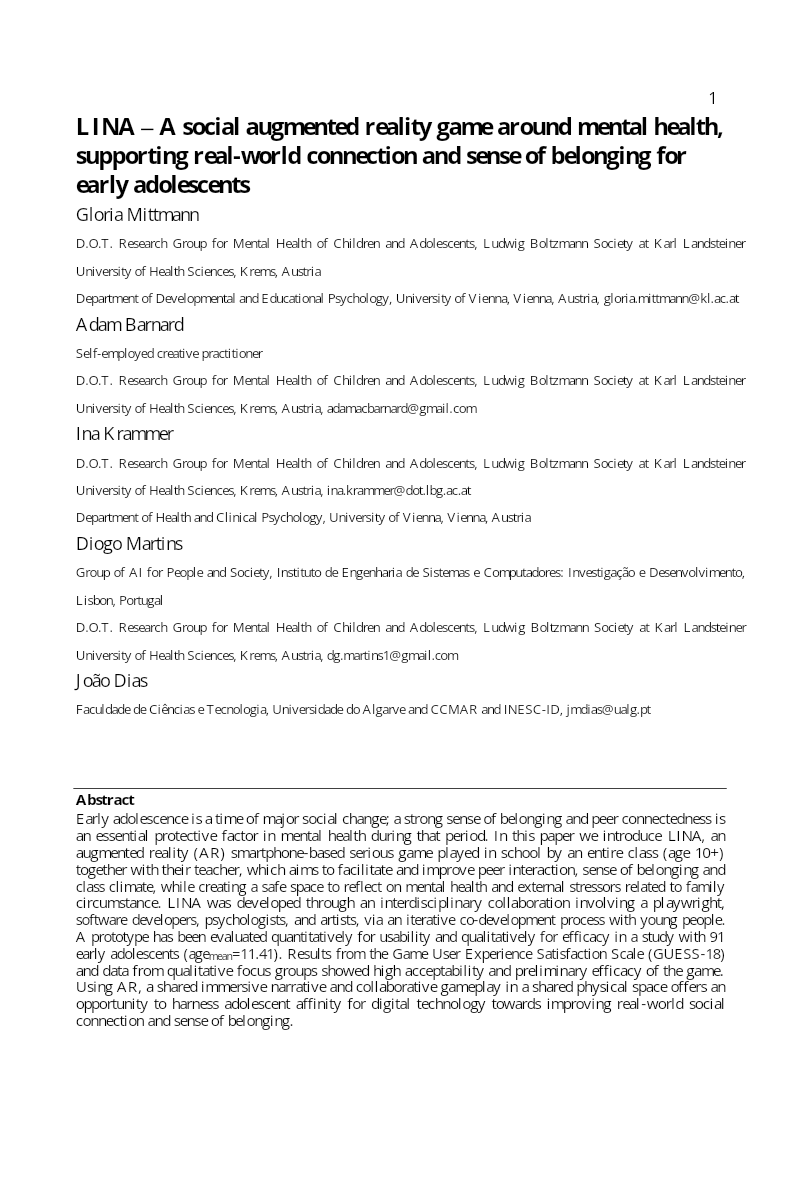
LINA: A Social Augmented Reality Game for Mental Health
Ludwig Boltzmann Society · 2022
Whitepaper
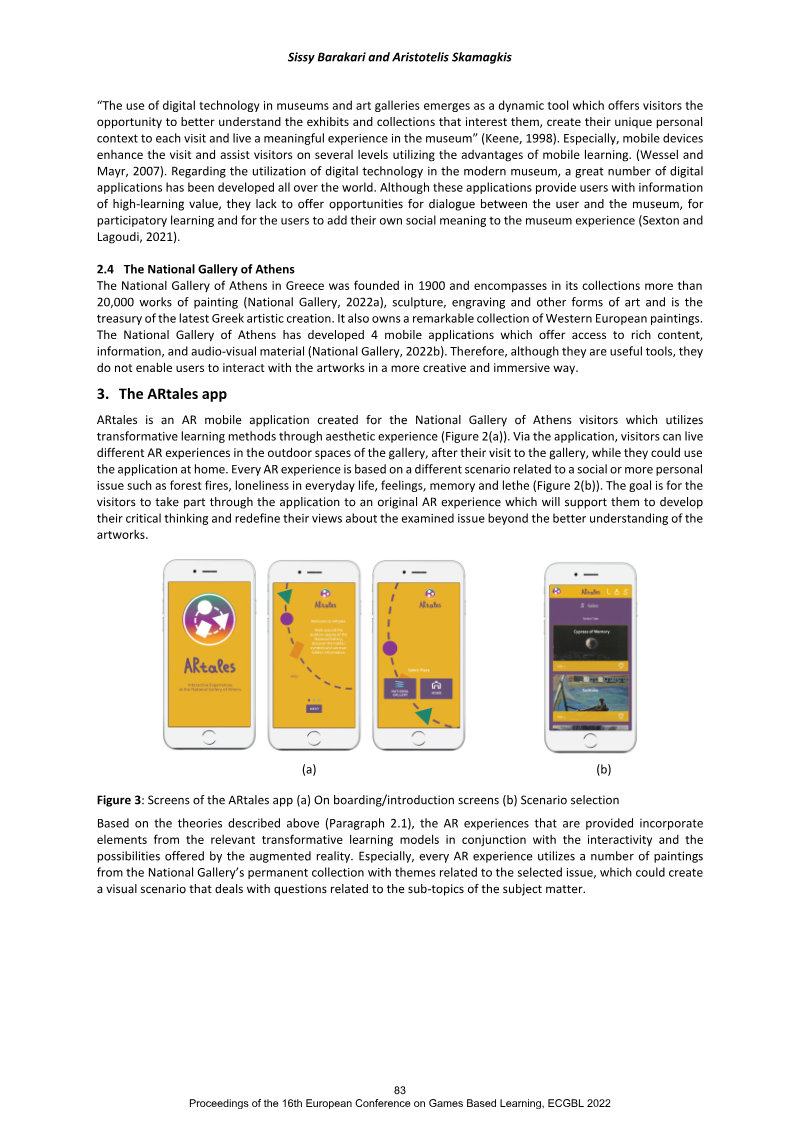
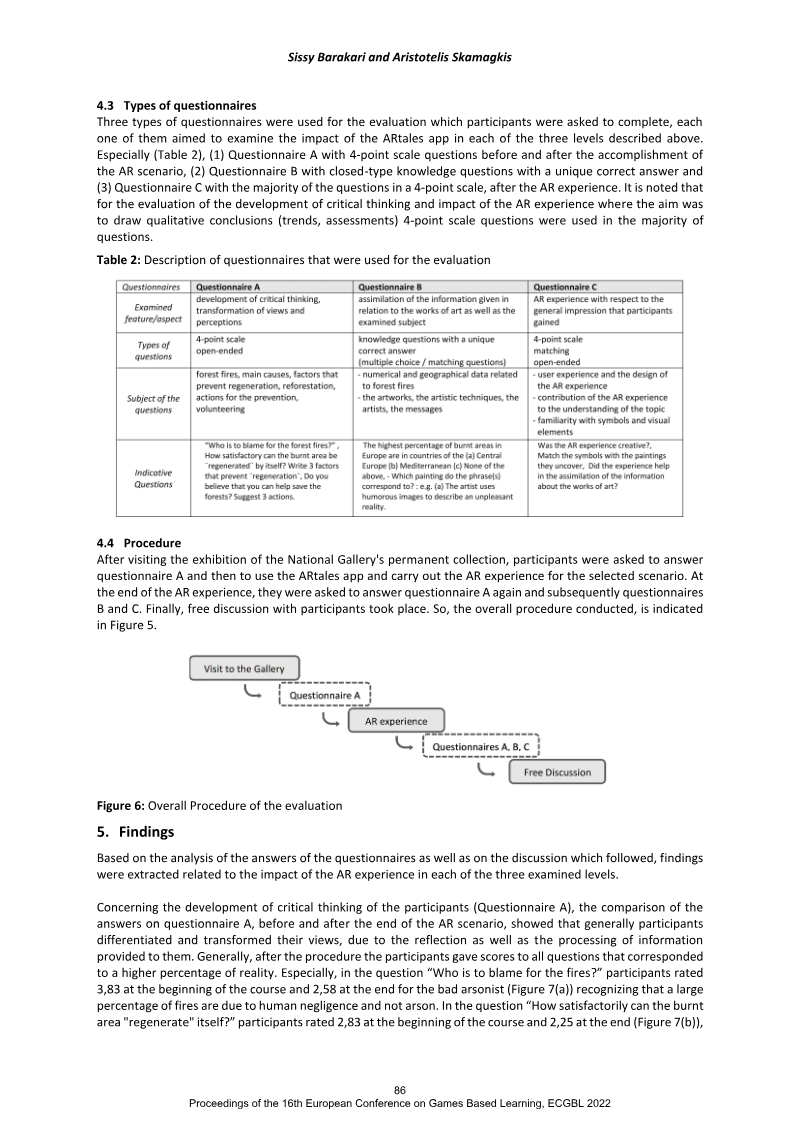
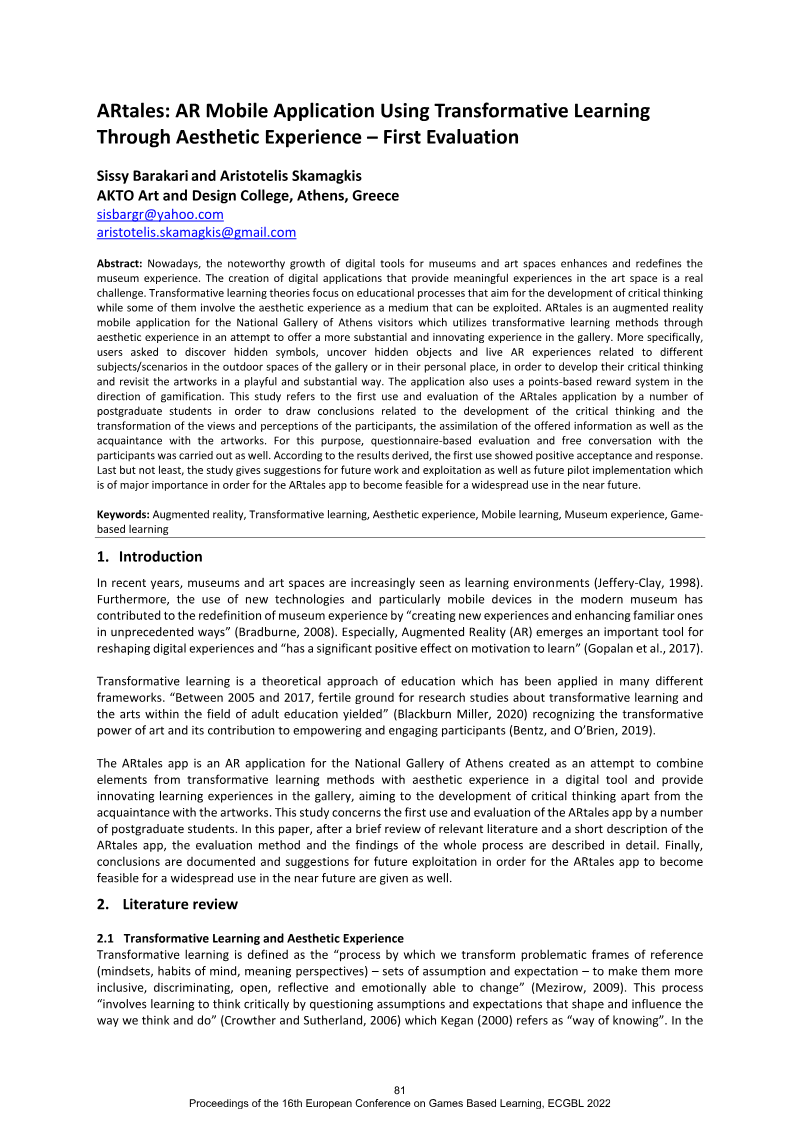
ARtales: AR Mobile Application Using Transformative Learning Through Aesthetic Experience
European Conference on Games Based Learning (ECGBL) · 2022
Whitepaper
Marie's ChemLab: A Mobile Augmented Reality Game to Teach Basic Chemistry to Children
European Conference on Games Based Learning (ECGBL) · 2022

Whitepaper
Feasibility, Enjoyment, and Language Comprehension Impact of a Tablet- and GameFlow-Based Story-Listening Game for Kindergarteners
JMIR Serious Games · 2022