Key insights
4 slides
Rule types
Game rules are categorized into fixed, implied, and player-imposed types.
Fixed rules are hard-coded and inescapable, while implied rules are suggested by design but not enforced. Imposed rules are player-created to refine or expand play.
Rule framework. The study identifies three types of game rules: fixed, implied, and player-imposed.
1 / 4
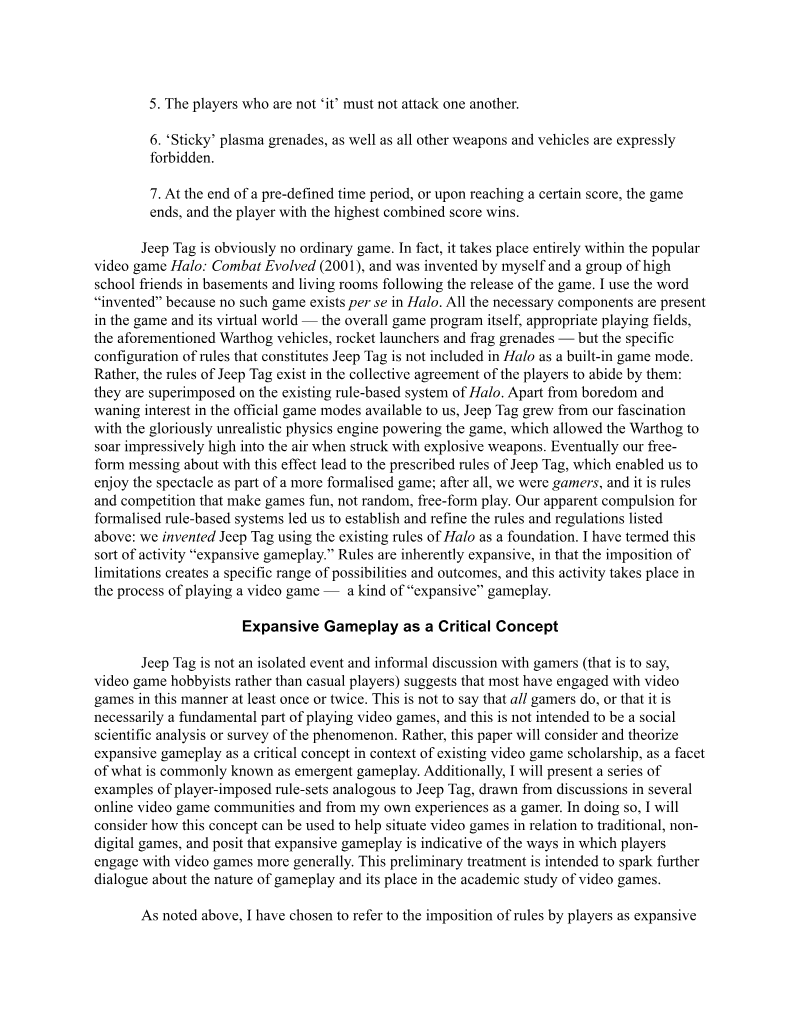
- 01Expansive gameplay occurs when players create self-imposed rules within a game's existing, fixed architecture, distinct from modding which requires altering software code.See it on page 3
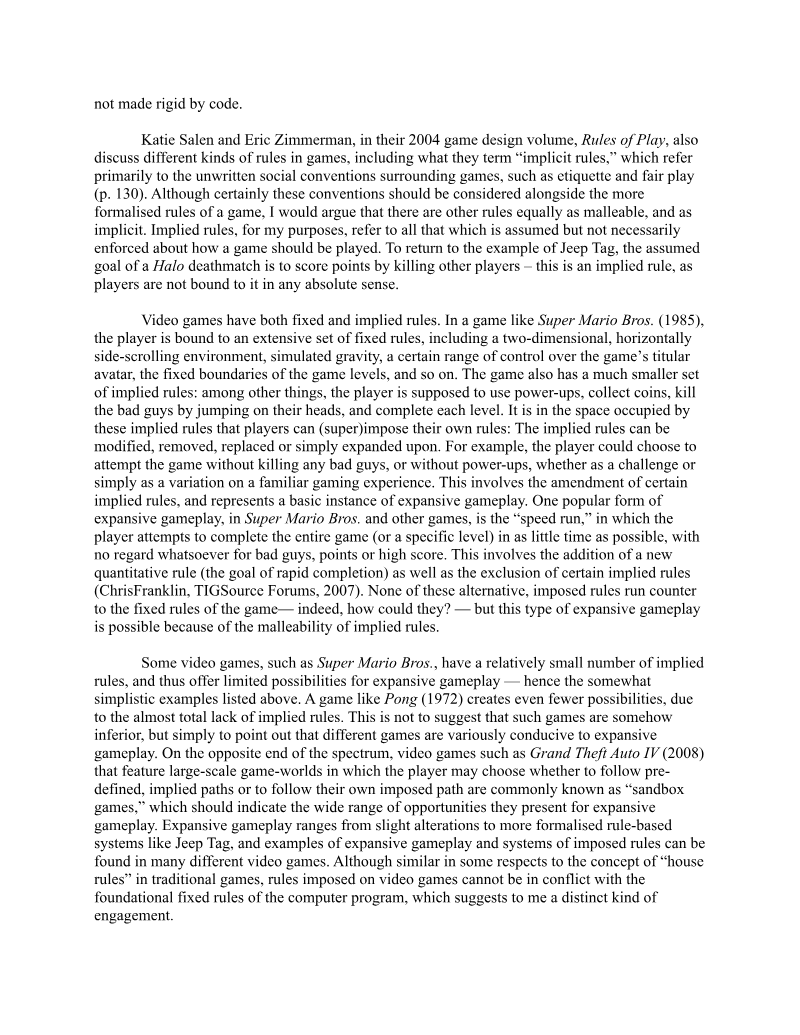
- 02Game rules are categorized into three types: fixed (hard-coded), implied (suggested by design), and imposed (created by players to refine or expand experiences).See it on page 4
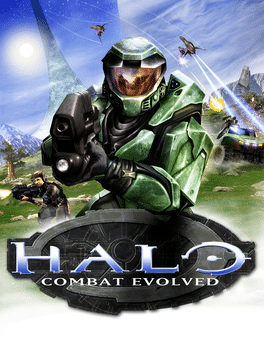
- 03Players successfully transform standard game modes into new activities by manipulating implied rules, as seen in community-invented games like 'Jeep Tag' in Halo: Combat Evolved and 'Cat and Mouse' in Project Gotham Racing 2.See it on page 2
- 04Popular player-invented game modes often demonstrate enough value that developers eventually integrate them into official sequels.See it on page 3
- 05The unique structure of digital games, defined by immutable programmed constraints, provides a foundation for diverse player-driven activities ranging from role-playing in The Elder Scrolls IV: Oblivion to competitive speed-running.See it on page 5
- 06Qualitative data from online communities like TIGSource and Destructoid confirms that expansive gameplay is a widespread method for users to navigate and experiment with complex game systems.See it on page 2
Ask AI about this report
Summary
Expansive gameplay refers to the phenomenon where players impose self-defined rules upon existing video game systems to create new experiences. Unlike game modding, which involves altering the software code or assets, expansive gameplay occurs entirely within the confines of the original, fixed rule-based system. This practice highlights the active, experimental nature of player engagement, where users navigate the space between a game’s immutable programmed constraints and its more flexible, implied rules.
The analysis categorizes game rules into three types: fixed rules, which are hard-coded and inescapable; implied rules, which are suggested by the game’s design but are not strictly enforced; and imposed rules, which are created by players to refine or expand their play. By manipulating these implied rules, players can transform standard game modes into entirely new activities, such as the player-invented "Jeep Tag" in Halo: Combat Evolved or "Cat and Mouse" in Project Gotham Racing 2. These examples demonstrate that such emergent behaviors are often so popular that developers eventually integrate them into official game sequels.
The study draws on personal experience and qualitative data from online gaming communities, including TIGSource and Destructoid, to illustrate a wide range of expansive gameplay, from role-playing constraints in The Elder Scrolls IV: Oblivion to competitive speed-running and community-enforced etiquette in multiplayer shooters. The findings suggest that video games differ from traditional, non-digital games because they possess a core set of immutable programmed rules. This unique structure allows for a distinct form of creative engagement where players learn to navigate complex systems through trial and error, ultimately using the game’s architecture as a foundation for their own formalized, competitive, or aesthetic rule-sets.