1 free read left. Create a free account for unlimited reading + AI research.
Create free account
The Secret to Performance
Key insights
6 takeaways- 01Leaders must actively balance growth objectives with the protection of employee well-being to mitigate the high risk of burnout inherent in passion-driven industries.
- 02Resilient companies consistently outperform competitors by remaining data-informed, adaptive to market feedback, and prioritizing team cohesion over individual brilliance.
- 03High-performance in gaming relies on a culture of psychological safety and transparency, which enables a 'hive-mind' mentality that drives innovation and sustainable growth.
- 04Teams should apply the Pareto principle to development, focusing resources on the small percentage of features that generate the majority of a product's impact.
- 05Scaling in an unpredictable market requires a shift from assuming stability to preparing for instability, with a primary focus on financial transparency and cash flow management.
- 06Organizations must prioritize speed to facilitate rapid learning and favor simple, self-regulating systems over complex, bureaucratic processes.
Ask AI about this video
Transcript
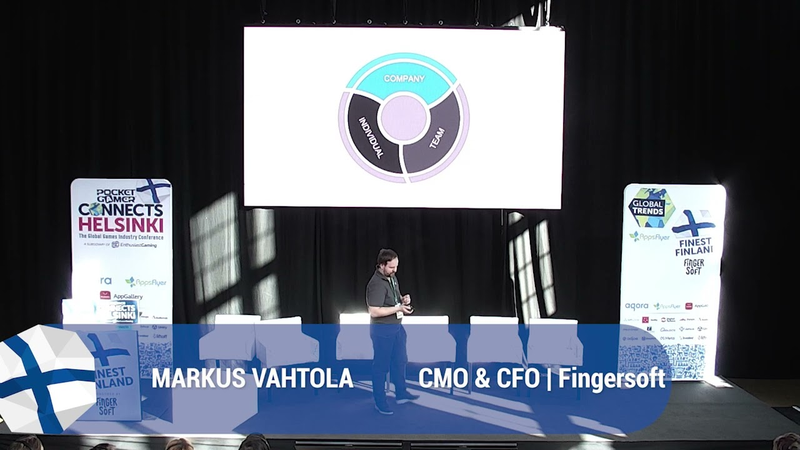
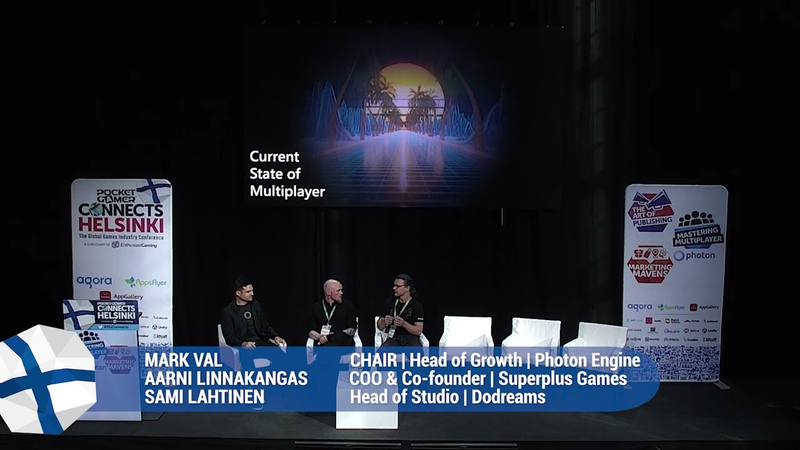
[Music] thank you [Music] we're gonna have Marcos vachula now from fingersoft giving you all the secrets from performance maybe we can do the success that they did as well please bring a very warm welcome to Marcus thank you hello everyone really glad to be here today I'm seeing so many of you in person it's been some quieter times lately uh in terms of
the events uh in the past few years but it's great to be back in Helsing get Pocket Gamer and today uh there has been already the day the first panel of the day for fingersoft was user acquisition Michael Kerman was talking about that and there's also lots of other panels as well that's really interesting so today my per my speech is gonna be more on the higher level of the performance of teams and um let's go forward so basically today if this works or there's a huge delay I think there's some technical difficulty on the slide Clicker okay now it's changed so we're gonna be talking three-fold uh
covering the individual first individual layer of day-to-day performance and culture that the employees bring to the company as well as the team level later on about the ownership focus and well-being I think and soft well-being is one of the most important thing that we focus on so we realize that people are the key uh your co-workers our players our partners we've always put much value to the people and last but not least of course they told the higher level thinking how to scale a company on an uncertain field like when especially there's A Moment Like This that there's user acquisition costs are higher so considering that as well and I wanted to start by sharing this little quote from a former basketball on player and coach Phil Jackson maybe some of you have heard it um it goes like this the strength of the
team is each individual member and it continues also that the strength of the each member is the team and that's actually one of the three criteria that when we're working in games we're not working in an isolation we're not working alone instead it's a team effort always there's such a huge uh impact that the team can achieve and only so little impact that one individual however smart or great that person is can impact and Achieve and one of the things as well like with our game now marks the 10-year anniversary of Hill Climb Racing so we used to be thinking how long is the lifeline of a game and we were not sure how far it can go but we can now say if we say that decade and it's not slowing actually our very first game has doubled its Revenue in the past two years so that's something to consider as well
and today having this three film field of the company slash teams less individual level I'm gonna be talking more about the performance how to maybe like I'd say that it's successful if I can at least give one idea for your team or your personal life or even your personal life outside of the working life um from today so that would be successful but basically of course like at fingers of what we've considered is that the better the company does the better the individuals do so that's uh basically the main goal and one of the ideas is that um the culture ad is really important piece of like a terminology that I'd say like use there was for a while or some thinking about the culture fit and some people were thinking that one should hire for culture fit but that's really outdated one should always consider the culture
at because that's the thing what we're building on like every single person every single hire kind of contributes to the Creator goal of the company and they always step up our game so we've been growing we're now more than 100 people strong and uh every single hire that we've done we feel that it's not about like how well their mind is aligned with our values but it's more about also like what are they bringing in so one has to pay into account that the individuals create a culture of the company and a great culture that values individuals is the key to sustainable team performance so if we want to have a team performing really well you have to have the incentives right you have to have a culture that values every single team empowers them and today we'll start now going through this whole thing uh on the individual layer so last summer I actually read a book it was called the
happiness Adventist by Shauna of acor um it was pretty nice book it was a lot of the ideas that were represented on the book were kind of like common sense and something like okay yeah of course you should we have an optimistic mind so you perform better because the way our brains are hardwired are that we are boosted uh if we are happy if we are paying attention to the better size of uh things I'm looking at the positive bright side um we are performing better uh so it boosts both our productivity and our performance and um in the day-to-day encounters it's so easy if you consider like house developing games it's really easy to Simply all of a sudden have a moment uh where the issues arise let's say there's something new sdks causing some trouble it's really easy to go into the negative size and um that's why it's ever more so
important always consider like how a pick of an impact uh the positivity can have and also like not to enter kind of stress mode so if we consider about like how um to go to the path of growth and how team can and individuals inside that team can improve and do things better one requires an environment where trust is like given across the whole organization so everybody can voice their opinion about it and haven't truly a good impact on the product it so there's freedom for people and that brings responsibility as well that they are prioritizing a lot of the right stuff and that means that it's a more of a holistic view about things so you have to have those incentive systems well built into the team uh there's also has to be the ability to be vulnerable not only for anyone in the
team but it goes across the whole organization so there's nobody who's perfect everybody is learning here and that's like one of the key is to reframe failure as an opportunity to growth so basically meaning that we're not talking about failures but just thinks that okay we're always learning new and kind of through iteration improving towards better performance so talking about the iteration that's another thing that is really important to consider is that small successes contribute and add to major achievements so oftentimes when you're scoping things you may maybe scoping too big something might feel that way this is really really difficult to attain and Achieve but in the end if you break it down the smaller things you can actually make it achievable and feel constant uh sense of progress which is really important and especially like considering like if you were to draw a perfect circle you
wouldn't start by drawing that Perfect Circle training a huge one but you would just little by little improve yourself so basically draw first a little smaller Circle and then build up bringing the bigger ones so in that in a similar way you would be building up your capabilities and one of the things that's really important is working smarter and not harder so considering one quote from the book is that common sense is not common action and this is especially true in many cases that you can see that when years go past Sometimes some things if there are like tiny minor things if you don't fix them and just ignore and can continue they can eventually adapt to being much bigger issues so always you should find out possibilities to work smarter and um one of the things as well is driving our Focus above average our brains are hardwired and fooled to think in a wrong
proportion of the positive and the negative so oftentimes the news journals they are talking about the bad news that's out there and um it's really easy to relapse into this negativity cycle and that can kind of be a drag for you individually so we're usually a much more highlight in the problems than the opportunities so if we want remarkable success we should focus on the exceptional because then even if we don't hit the target we're at least closer to the exceptional than just looking at some metrics for example that are we hitting the metrics and being like average because average is not good enough and on the team side um next Simplicity Reigns so one thing that one should consider when working on the teens as well is that uh less is more and more is less if you think about future plot that's the worst thing that can happen in approaches you have a game uh there's lots of cool features you're
not sure which are gonna have the greatest impact you should really quickly for example apply Pareto rule thinking that maybe 20 of the features are bringing 80 percent of the impact so you're eliminating from 80 quickly to eventually like repeating or repeating until you have a handful of features um and then having a really good focus on the team I'm talking about that trust the core pillars of the teams um one of the things with the trust is that um in order to have trust in the team um you have to have of course good benefit systems that everybody is taking care of there has to be psychological safety that anybody can express themselves freely and this has been one thing that that fingersoft we've been really focusing throughout these years uh investing on the education of the people on one of the remarkable success stories in one of our teams is that they
have used this term hive mind about the way how their team is functioning and the hive mind is like a single one constitutionist so basically that team is so aligned that they can throw out any kind of ideas freely expressing themselves even the craziest things and they often come to fruition and uh that's like one of the keys uh to being in an Innovative creative working um environment also a little about the remote work at fingersoft we are considering this that everything basically uh can have their own stay so certain work can actually benefit a lot from being physically present While others also sometimes on life situations can come up where the remote work can be actually advantageous so we kind of have the hybrid model so we're not enforcing anything on that side but it's really good to import and important nowadays to consider and
listen to your employees as well to see what how the team is structured and how it would function and um regarding the company side then let's talk about that a little so there's this Paradigm uh scaling operations is really often based on the Assumption of the ability so basically most companies they're raising rounds and they kind of do projections and consider that things continue as goals and so forth but that's pretty much oftentimes that's not like how it goes instead we should have um a paradigm shift to the thinking the scaling operations in fact is based on the Assumption of instability so when we have this kind of a mindset we understand that okay it is gonna hit the fan Anything Can Happen anytime any Market could go down but we have processes in place so that we can continue without risking our business without firing anyone that's like really
important thing that you have transparency in place and trust that everything is shared even the financials across your company because if that's not the case things are not going to go in end up well um one thing that's also really important on a company level is to prioritize speed over everything like faster Loops because the faster we are at our operations the faster we are going to learn and the faster we will reach that success or probably failure a few times but the faster we fail eventually we're gonna take in the learnings and get towards the success as long as we have money so this is one of the key criters as well like you should consider a little bit of the cash flow today there's a CFO panel later on so please attend that we're gonna be about talking more in detail about the answer than they are navigating yours there but the one thing is to consider is like the fixed cost think about them be about like expect that you're gonna do various
pivots your first experience are not gonna be successful ones probably so you should always consider the cash situation um also one of the priority games is like being both small and big at the same time because the organization grows teams grow individuals grow we all the time have less and less room uh for considering that things are not processes that used to work are not working they they would basically work less uh like as a stable scale so we have to consider that we have to change those and always be adaptive to the new environment the new new and um hindrance stalling is always bad so we should have the sense of progress on talking about that it means that we should have systemic approach and continuous iteration in place and one good concept is Occam's razor so if there's two explanations to an event one should consider that the one that requires
fewer assumptions is usually the correct one and instead of traffic lights we should need always roundabouts that are self-regulating and as consumer expectations to scroll consolidation making bigger marketing expense here uh we noticed that it's harder and harder to have critical mass for the new products all the time so it's really really difficult to get into the piece where um you would get a major success nowadays but nonetheless Keep Calm there are exceptions with lock sweat and optimism as you have you will achieve success just be mindful about the costs and their B data in formed when you do the best and just let the market guide you as we saw with kitka games they had great success and last but not least one quote still by Ray Hoffman from LinkedIn no matter how brilliant your mind or strategy is if you're playing solo game you're always gonna lose to the team so that's like the main core thing about
the performance that just be aligned with the whole company and don't be secretive but be really open about the financials and the strategy and all that because if you are putting in on getting all that feedback from your company you're much more stronger thank you do you guys have any questions oh and I heard myself now do you guys have any questions but I think talk loud oops it's more about considering about the processes as well like considering
the scope so it's kind of combined with the idea of the parrot rule as well like consider and pick your battle so depending where your project is you should think and consider how are the resources so you're not taking something too big and if you're a specialized small startup one of the things that would be good to consider is like reusability of the components that you're bringing so if you're doing a new game think about like what can be used in another pipe pivot for example if you're gonna find out that the market guides you that okay we made this strategy game turn-based strategy game but all of a sudden the market is actually calling for an auto battler so you would be just doing quick pivots but the thing is that um which I didn't mention but is of course that you should never do it on the expense of your well-being and that's like the biggest and most important thing for every team lead is to look after the team and the well-being of the team so that nobody works too hard because this is a passion industry it's really easy to get really
especially in the New Concept you might end up working harder than would be wise so great question thank you yes so thank you thank you very much and I hope my microphone was after luck out yeah it was hard to hear yourself but yeah do we have some still or um it was rushing because I was not sure how much we have time do you guys have any other questions but if not Marcus is here in the in the conference and he is a super approachable guy I highly recommend you guys to also go chat and I have to say the fingers of guys have also these amazing
um jackets oh yeah the red yeah the red ones so it's also very easy to find them so thank you very much so much thank you everyone [Applause]
Summary
High-performance in the creative gaming industry relies on a holistic integration of individual well-being, team-level synergy, and organizational adaptability. Success is not a solitary pursuit but a collective effort, requiring a culture that prioritizes psychological safety, transparency, and the empowerment of every team member. By fostering an environment where individuals feel safe to be vulnerable and voice opinions, organizations can cultivate a hive-mind mentality that drives innovation and sustainable growth.
Key performance strategies emphasize working smarter rather than harder through continuous iteration and the application of the Pareto principle, which suggests that a small percentage of features often drive the majority of a product's impact. Organizations should avoid the trap of over-complicating processes; instead, they should favor simplicity and self-regulating systems. Furthermore, maintaining a positive, optimistic mindset is essential for productivity, as it helps teams navigate the inherent uncertainties of the market and the inevitable challenges of game development.
Scaling a business in an unpredictable environment requires a paradigm shift from assuming stability to preparing for instability. This involves maintaining financial transparency, prioritizing speed to facilitate rapid learning, and ensuring that cash flow management remains a central focus. Leaders must balance the need for growth with the necessity of protecting employee well-being, as the passion-driven nature of the industry often risks burnout. Ultimately, the most resilient companies are those that remain data-informed, adaptive to market feedback, and committed to the belief that a cohesive, aligned team will consistently outperform individual brilliance.















Comments