1 free read left. Create a free account for unlimited reading + AI research.
Create free accountWhitepaper DiGRA
1 free read left. Create a free account for unlimited reading + AI research.
Create free accountWhitepaperDiGRA
The authors argue that existing work has overlooked creators working across YouTube and Twitch. Their study treats time mode as central to understanding these practices.
This study examines how German creators of commented gameplay navigate between pre-recorded and live content across YouTube and Twitch, arguing that existing research has focused too narrowly on Twitch streamers and has not accounted for the cross-platform, time-mode-based practices of creators who fit neither the "let's player" nor "streamer" label. Drawing on Postigo's three Web 2.0 sets (information, social relations, and values) and an added distinction between synchronous and asynchronous time modes, the authors position their work as an attempt to fill this gap through a theoretical framework that treats time mode as analytically central.
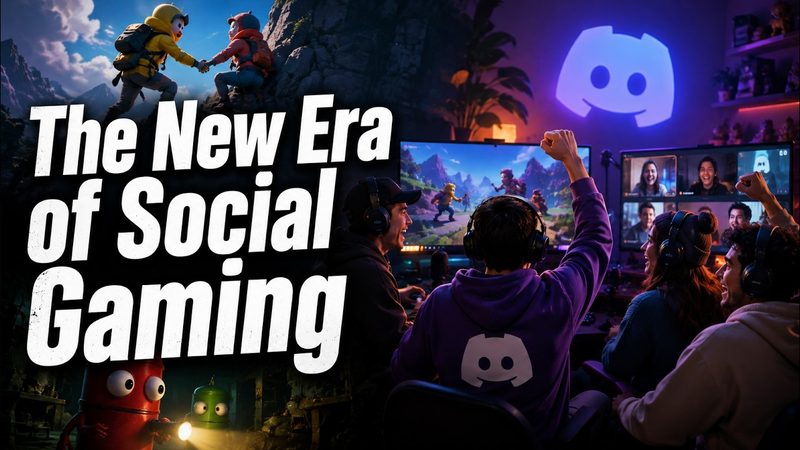
The empirical basis is a qualitative study of fourteen German creators whose experience ranged from about one and a half to fourteen years, selected through theoretical sampling. Interviewees described let's plays as carefully prepared, asynchronous narratives in which the creator stays in the background, while streams were characterized as spaces for personal disclosure and community building. Creators generally used the two formats together, with let's plays drawing audiences and streams retaining them. Participants also tended to describe themselves as "content creators" rather than streamers or let's players, suggesting those labels describe content characteristics more than occupations.
From the interviews, the authors derive a typology of three practices: storytelling, which is asynchronous and tied to creative and economic value such as affiliate links; mentoring, which is informative and often asynchronous; and participating, which is inherently synchronous and central to forming community. All interviewees engaged in some form of each practice but emphasized different ones, moving continually between time modes. The authors conclude that the labels of streamer and let's player should be reevaluated in future research and recommend mixed-methods, cross-platform approaches, noting that creators' community work on Discord and social media extends well beyond video production itself.
Each row is a game or company this document names, each column a document, oldest first. A mark means that document names it. Select a row to see those documents.

DiGRA · 2026

DiGRA · 2026



DiGRA · 2026



DiGRA · 2026



DiGRA · 2026



DiGRA · 2026



DiGRA · 2026



DiGRA · 2026

DiGRA · 2026



DiGRA · 2026



DiGRA · 2026

DiGRA · 2026
DiGRA · 2024