Key insights
7 slides
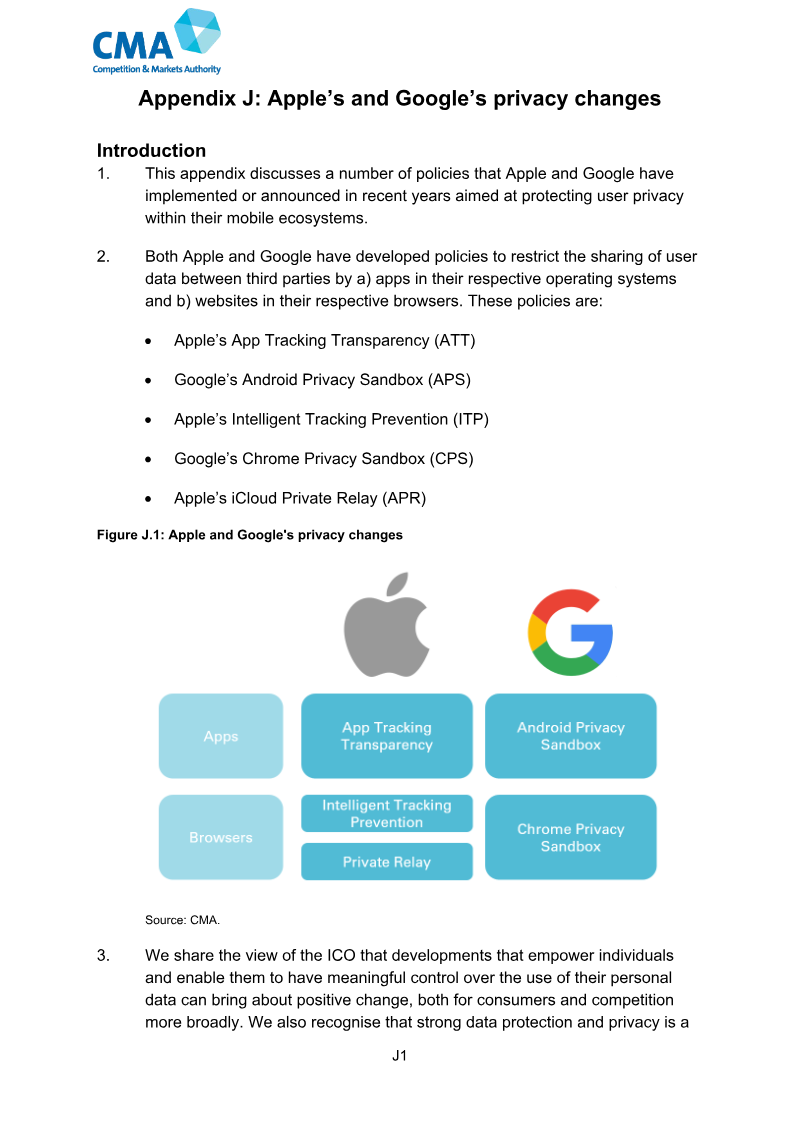
The rising bill
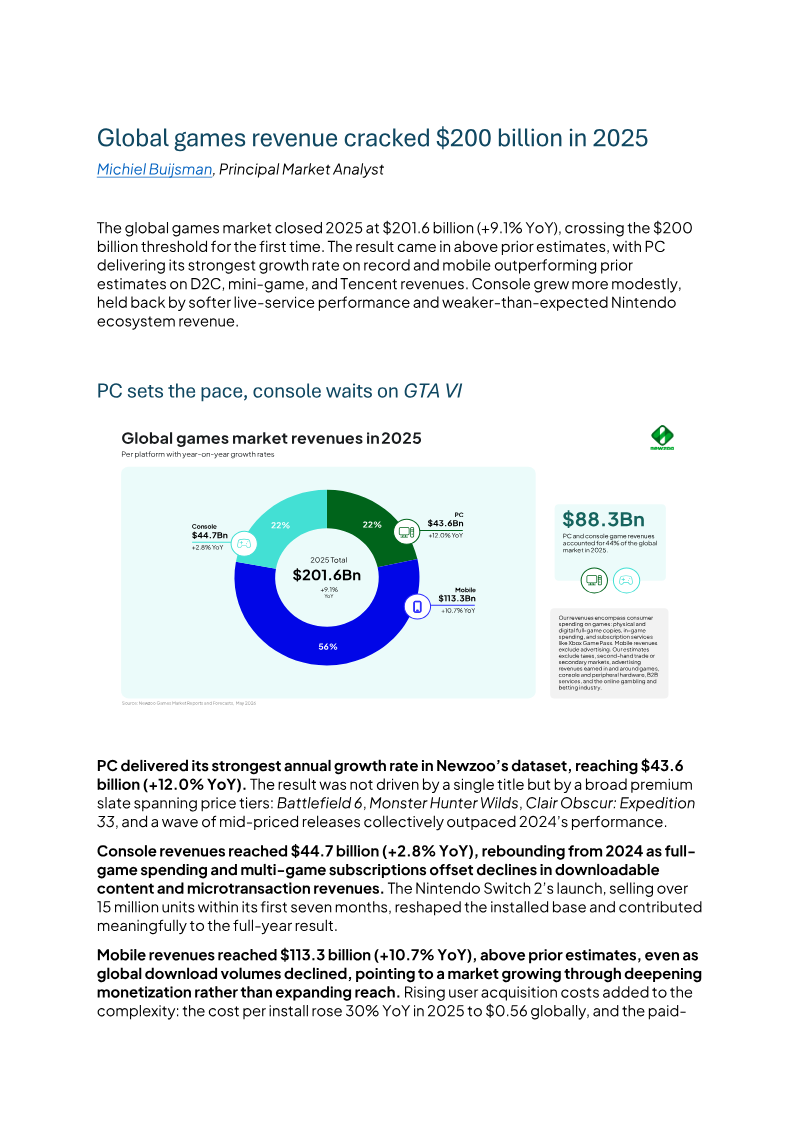
The global retro console sector reached $3.8 billion in 2025.
Market research indicates the sector is projected to reach $8.5 billion by 2033.
Who is buying
Gamers in their thirties drive demand for dedicated, simplified hardware.
This demographic has disposable income and a desire for nostalgic experiences. They prefer dedicated hardware over the complexity of modern gaming and subscription-based models.
What changed
Consumer preference for physical collectability sustains dedicated hardware demand.
This preference mirrors trends seen in the music industry with vinyl records. It sustains demand for dedicated hardware despite the availability of smartphone-based emulation.
Like vinyl records, physical media offers a tactile experience that digital formats do not.
Physical preference. Consumer preference for physical collectability and tactile, 'no-faff' gaming experiences is sustaining demand for dedicated hardware.
The split
The market is split between mass-market and premium enthusiast hardware.
Low-cost, mass-market devices compete with premium, enthusiast-grade hardware. The premium tier utilizes authentic emulation or licensed cartridge ecosystems for a more authentic experience.
Differentiation
Blaze Entertainment captures share by leveraging officially licensed content.
The company differentiates itself from the legal gray areas of general ROM distribution.
Outlook
The retro-focused hardware market is expected to maintain its upward trajectory.
The market is expected to maintain its upward trajectory as the demographic shifts.
The takeaway
Retro gaming has evolved from a niche hobby into a significant global industry.
The industry is populated by a mix of manufacturers, from affordable units to high-end hardware. The expansion is supported by a shift toward physical collectability and the rising average age of gamers.
Industry status. The retro gaming handheld market has evolved from a niche hobbyist interest into a significant global industry segment.
1 / 7
Ask AI about this report