1 free read left. Create a free account for unlimited reading + AI research.
Create free accountWhitepaper International Journal of Serious Games
1 free read left. Create a free account for unlimited reading + AI research.
Create free accountWhitepaperInternational Journal of Serious Games
The applied games industry faces persistent fragmentation.
The RAGE project establishes a centralized infrastructure designed to address the persistent fragmentation within the applied games industry. By providing a specialized repository for reusable software components, the initiative seeks to lower development costs and technical barriers for creators of serious games. Unlike general-purpose asset stores, this architecture prioritizes interoperability across diverse game engines and programming languages, facilitating the seamless integration of complex tools such as pedagogical frameworks and advanced game analytics.
The technical foundation of this ecosystem relies on a three-tier architecture—comprising client, service, and data store layers—that leverages Fedora, Sesame, and Solr to manage the full lifecycle of software assets. Through the implementation of RESTful APIs and a metadata-driven approach, the system enables efficient discovery, versioning, and distribution of components. To ensure high standards of integrity, the framework incorporates automated quality assurance processes, including rigorous testing and standardized documentation, which are essential for maintaining the reliability of shared assets within the professional gaming community.
User evaluations confirm the effectiveness of this approach, particularly regarding the usability of the metadata-entry workflow wizard. By streamlining the contribution process and adhering to established software reuse standards, the repository successfully lowers the threshold for developers to participate in a collaborative knowledge exchange. Ultimately, this infrastructure serves as a scalable solution to unify the applied gaming sector, fostering innovation by providing a standardized, interoperable environment that supports the long-term sustainability of serious game development.
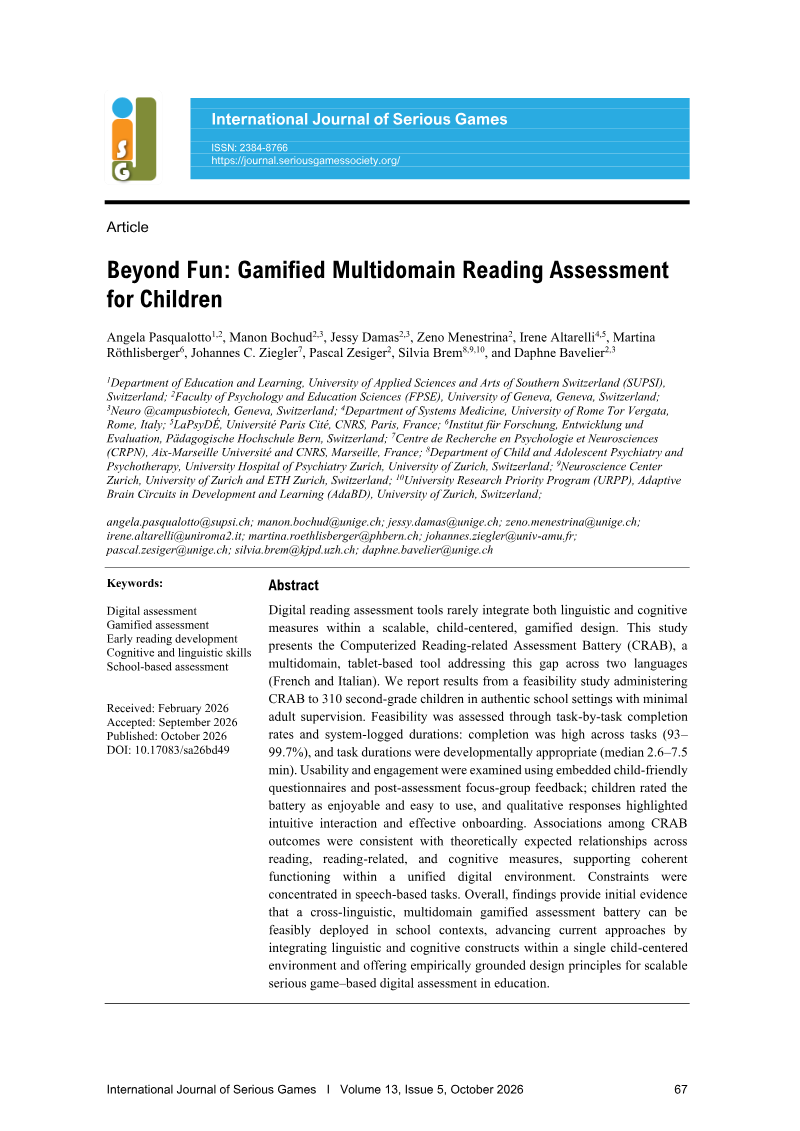
International Journal of Serious Games · 2026
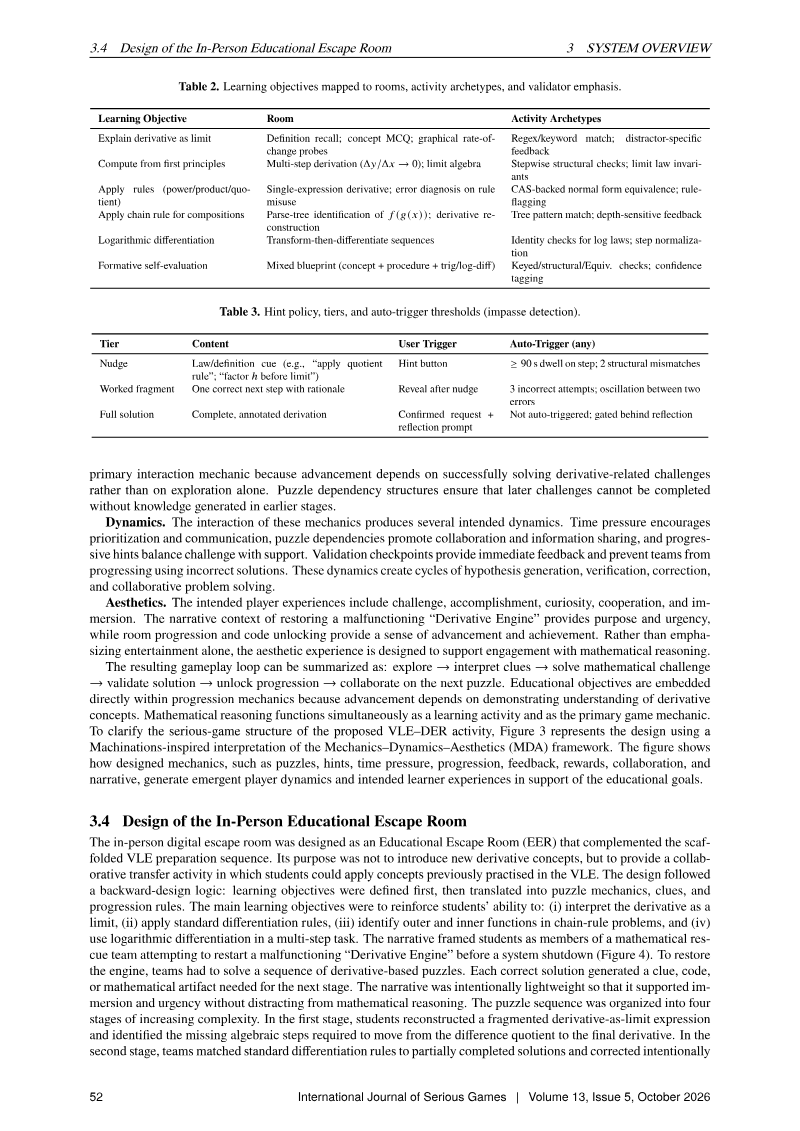
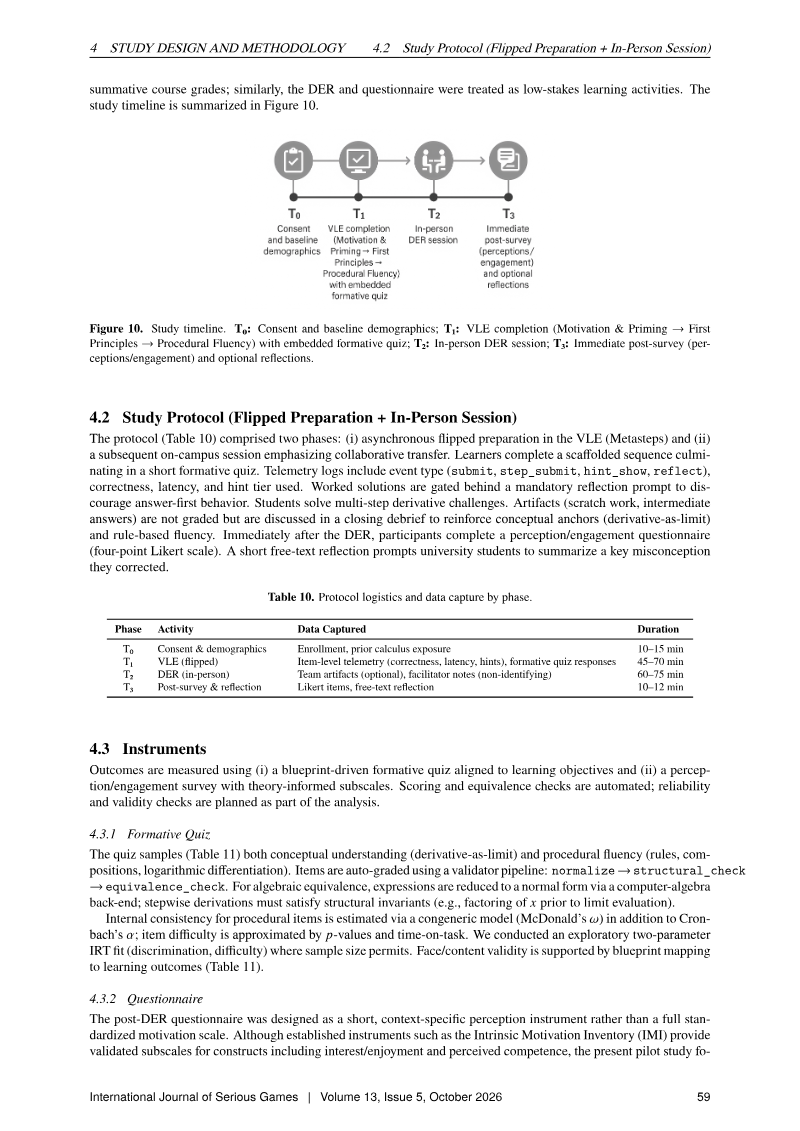
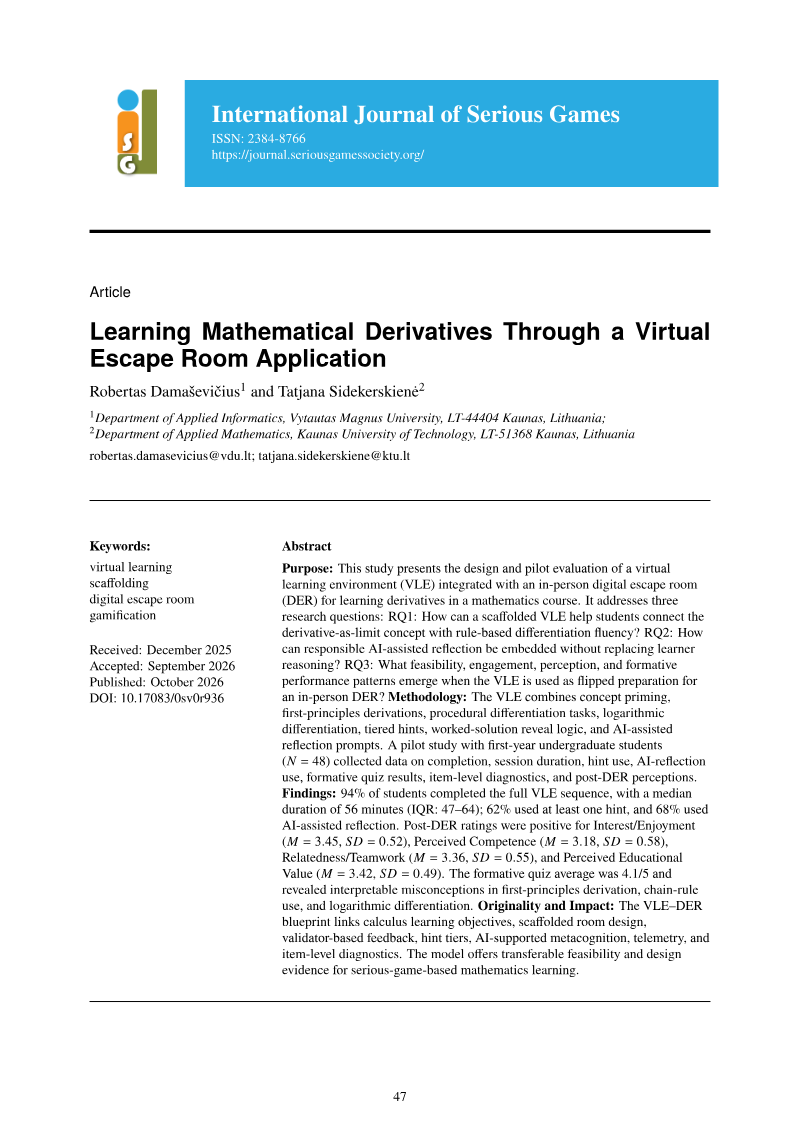
International Journal of Serious Games · 2026
International Journal of Serious Games · 2026
International Journal of Serious Games · 2026
International Journal of Serious Games · 2026
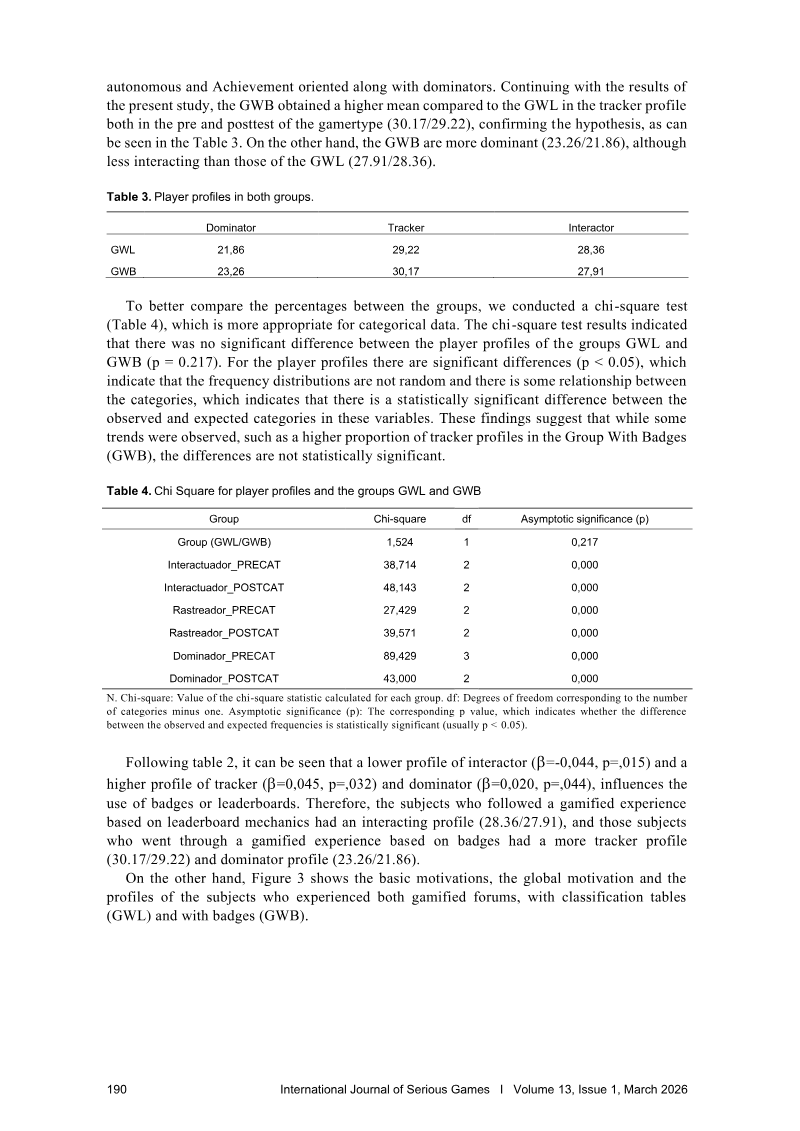
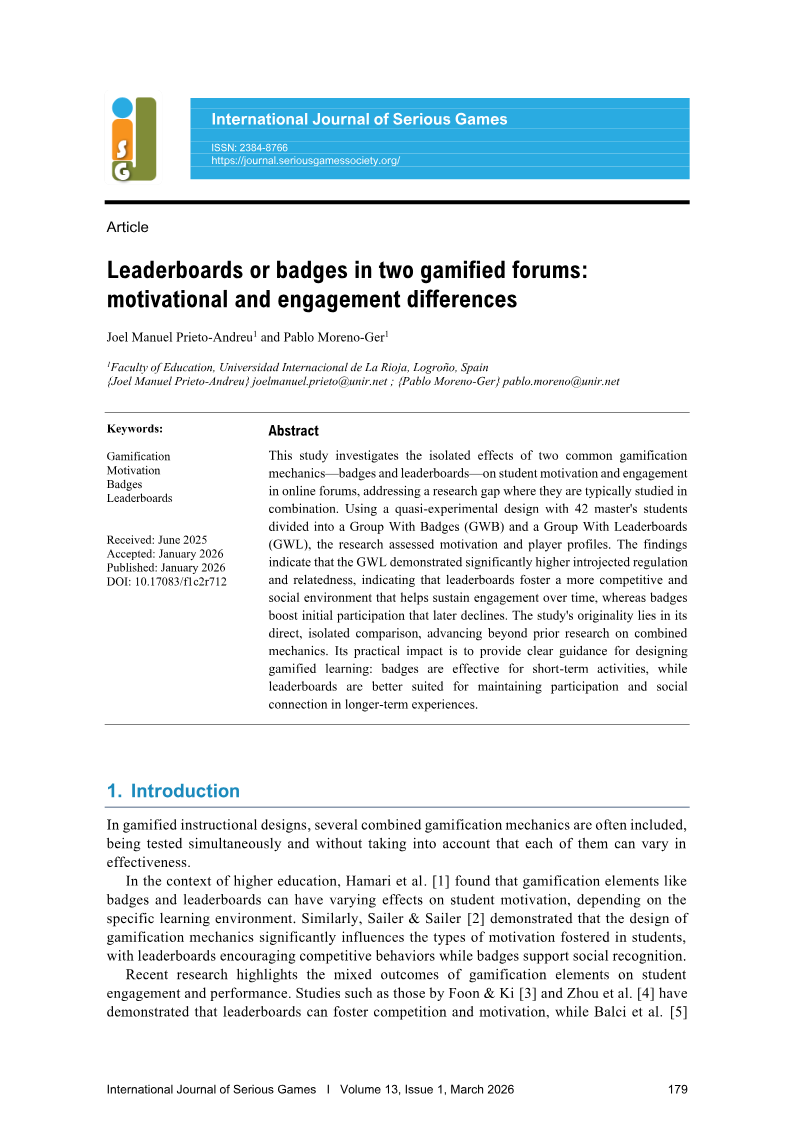
International Journal of Serious Games · 2026
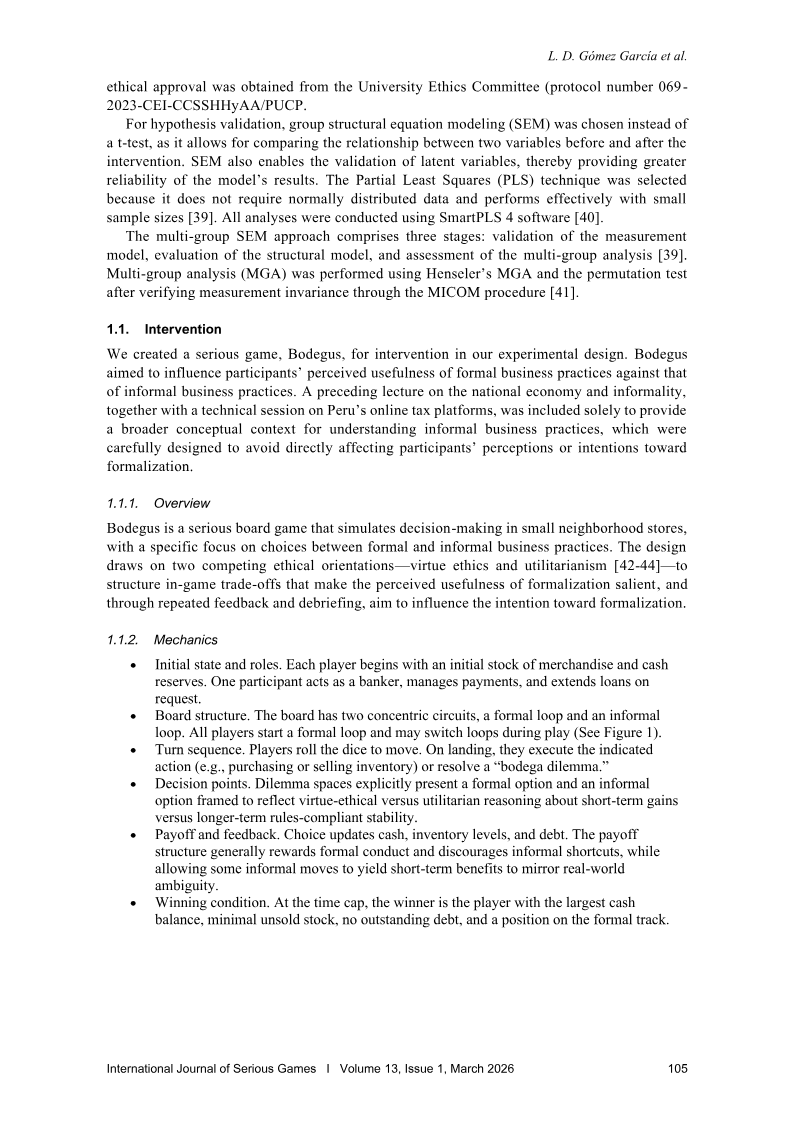
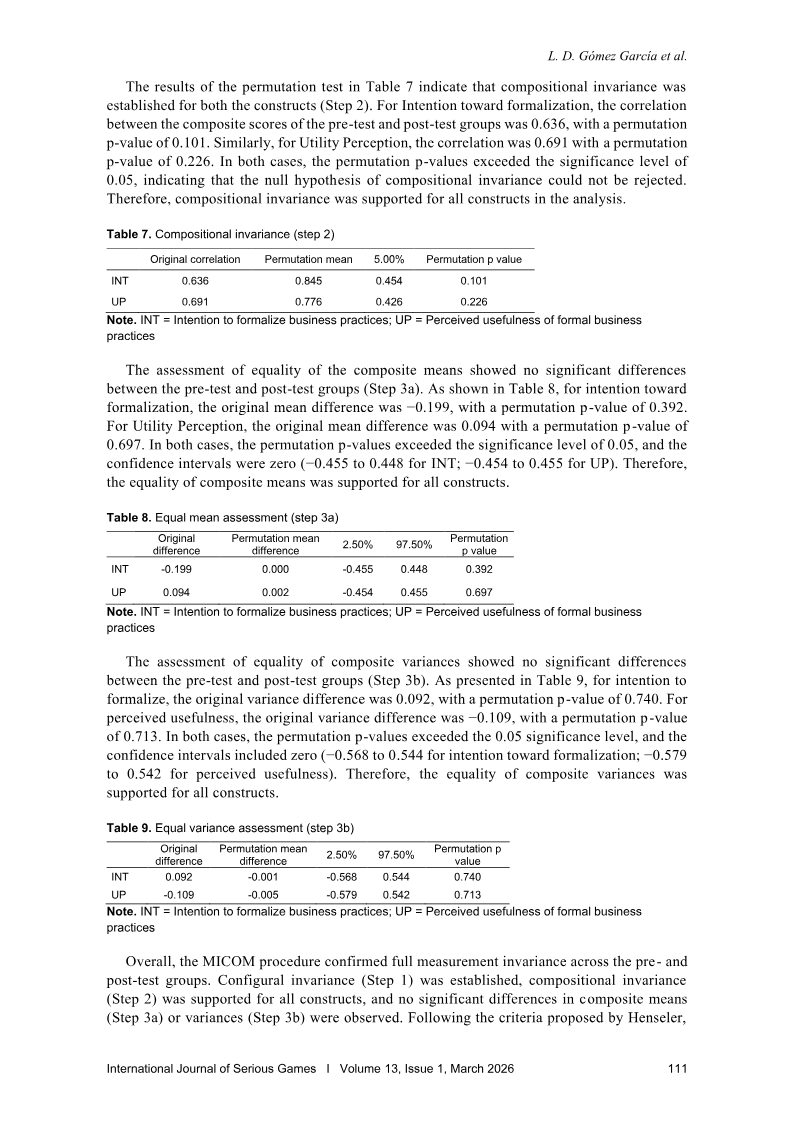
International Journal of Serious Games · 2026
International Journal of Serious Games · 2025
International Journal of Serious Games · 2025
International Journal of Serious Games · 2025
Serious Games Society · 2025
International Journal of Serious Games · 2025