1 free read left. Create a free account for unlimited reading + AI research.
Create free accountArticle International Journal of Esports
1 free read left. Create a free account for unlimited reading + AI research.
Create free accountArticleInternational Journal of Esports
The anti-doping framework for esports rests on the ESIC Prohibited List 2016 and the ESIC Anti-Doping Policy. The framework lacks clear procedures, sanctioning mechanisms, and dispute resolution bodies.
This document examines whether players in Swiss esports are adequately protected against doping-related proceedings under the European Convention on Human Rights, using Switzerland as a case study. Its central thesis is that the current anti-doping framework governing esports is insufficient: it rests on the ESIC Prohibited List 2016 and the ESIC Anti-Doping Policy, yet lacks clear procedures, sanctioning mechanisms, and dispute resolution bodies. In Switzerland specifically, the Swiss Esports Federation (SESF) Standard, Article 14, merely references the ESIC list without incorporating the full policy, leaving significant gaps in player protection.
The analysis rests on a structural observation: esports players, unlike states, cannot bring claims directly before the European Court of Human Rights against private federations. Protection therefore depends on whether federations voluntarily adopt human rights standards. The framework for assessment draws on Article 6(1) of the Convention, which guarantees a fair hearing before an independent and impartial tribunal, and Article 8, which protects private life, including as it relates to whereabouts requirements. Case law such as Mutu, Pechstein v. Switzerland, Ali Rıza and Others v. Turkey, and FNASS v. France informs this assessment, particularly regarding the compatibility of mandatory arbitration and public hearing requirements in sports disciplinary matters.
The document concludes that the SESF currently has no dispute resolution mechanism or anti-doping regime of its own and is not an official ESIC member, so it remains unclear which body would adjudicate doping cases. Notably, no actual human rights dispute has yet arisen in Swiss esports. The author argues that the SESF should voluntarily establish compliant mechanisms as a matter of corporate social responsibility. The accompanying sources also note that doping is a comparatively minor concern in esports relative to intellectual property infringement and match-fixing, and that the SESF lacks both its own adjudicatory body and detection capacity.
International Journal of Esports · 2026
International Journal of Esports · 2026
International Journal of Esports · 2026
International Journal of Esports · 2026
International Journal of Esports · 2026
International Journal of Esports · 2026
International Journal of Esports · 2025
International Journal of Esports · 2025
International Journal of Esports · 2025
International Journal of Esports · 2025
International Journal of Esports · 2025
International Journal of Esports · 2025

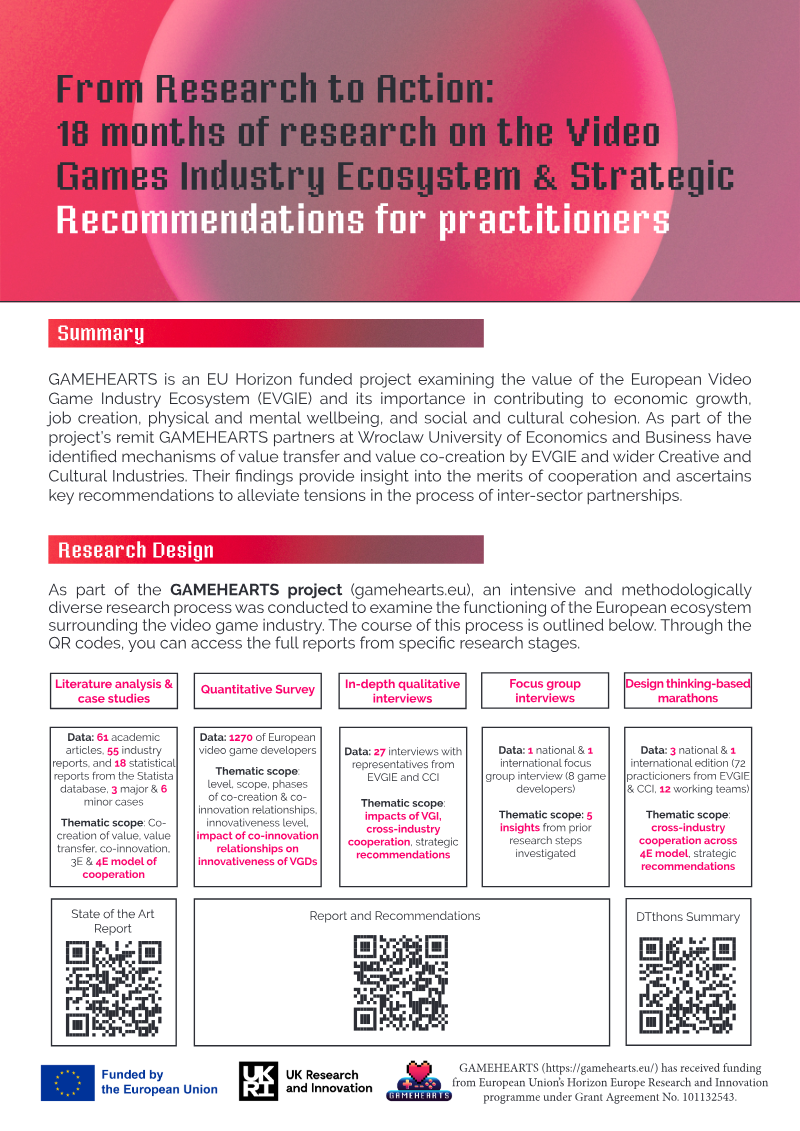
GAMEHEARTS · 2026