1 free read left. Create a free account for unlimited reading + AI research.
Create free accountArticle International Journal of Esports
1 free read left. Create a free account for unlimited reading + AI research.
Create free accountArticleInternational Journal of Esports
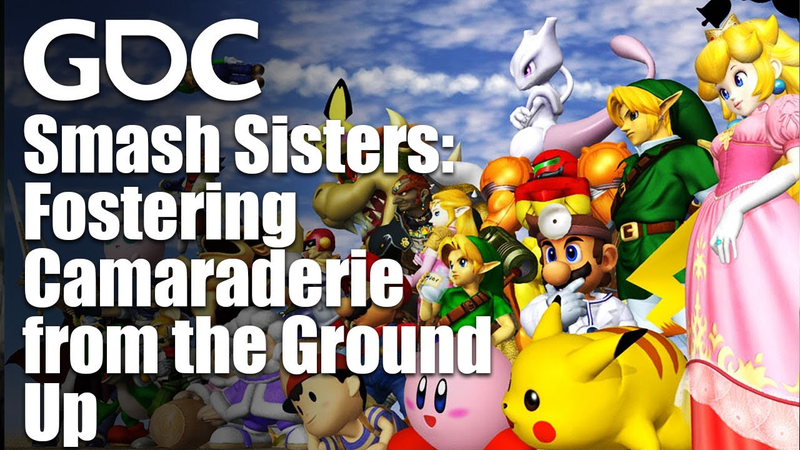
A randomized controlled trial compared an exercise group with a control group of competitive Super Smash Bros. Ultimate players over eight weeks.
An eight-week randomized controlled trial with 26 competitive Super Smash Bros. Ultimate players examined whether high-intensity interval training (HIIT) and endurance work could improve esports performance. The study compared an exercise group, which completed supervised training sessions, against a control group of 13 participants each. The central question was whether chronic training would enhance competitive play, and whether a single acute bout of HIIT could provide an additional performance boost.
Chronic training alone did not produce a statistically significant improvement in esport performance (p = 0.13). Neither group showed meaningful change in VO2 max, BMI, or body fat over the study period, and both groups improved over time on cognitive measures such as Trails A/B and switch-cost times. Baseline groups were well matched, which strengthens confidence in these comparisons.
The most notable finding concerns acute HIIT following eight weeks of chronic training. A logistic model linked this acute session to substantially higher odds of winning (exp ≈ 4.7, p < 0.001). The authors caution that this effect requires confirmation in larger samples, and that post-test VO2 data were compromised by effort and detraining issues, limiting conclusions about physiological mechanisms.
The study's scope is narrow: a small sample of competitive players in a single game, over a short training window. Its contribution lies chiefly in suggesting that timing and intensity of acute exercise, rather than long-term fitness gains alone, may influence esport competitive outcomes.
Each row is a game or company this document names, each column a document, oldest first. A mark means that document names it. Select a row to see those documents.
International Journal of Esports · 2026
International Journal of Esports · 2026
International Journal of Esports · 2026
International Journal of Esports · 2026
International Journal of Esports · 2026
International Journal of Esports · 2026
International Journal of Esports · 2025
International Journal of Esports · 2025
International Journal of Esports · 2025
International Journal of Esports · 2025
International Journal of Esports · 2025
International Journal of Esports · 2025
DiGRA · 2019