
ArticleMobile Dev Memo
The Prosperous Society, Part 4: Per Commercium Virtus
19 May 20261 pages~40 min full read
The analysis demonstrates that AI‑driven digital advertising functions as an economic flywheel, expanding productive possibilities while sharpening market coordination. By lowering entry barriers for small and medium‑sized businesses, precise targeting unlocks niche markets that were previously inaccessible, thereby increasing overall GDP and fostering individual expressive freedom. This shift moves the economy from a scale‑centric paradigm to one that rewards specificity and differentiation, creating a compounding growth loop that fuels further infrastructure investment.
Key findings emphasize that the true value of AI lies not merely in automation but in reducing coordination friction, which broadens participation across the economy. Personalization enhances discovery and creativity, yet it must amplify human agency rather than replace it. Hyper‑personalization risks fragmenting society and eroding shared civic structures, turning consumers into passive observers. Therefore, the benefits of AI infrastructure depend on preserving intentionality and social cohesion while expanding meaningful participation.
The scope covers the global digital advertising ecosystem over the past decade, with particular focus on small‑business and niche product markets. The conclusions call for a balanced approach: AI systems should be designed with restraint and intentionality to safeguard individual choice, autonomy, and creativity. By marrying technological efficiency with the preservation of personal discretion, a prosperous society can harness AI’s potential without sacrificing collective cohesion.

Mobile Dev Memo · 2026

Mobile Dev Memo · 2026

Mobile Dev Memo · 2026

Mobile Dev Memo · 2026

Mobile Dev Memo · 2026

Mobile Dev Memo · 2026

Mobile Dev Memo · 2026

Mobile Dev Memo · 2026

Mobile Dev Memo · 2026

Mobile Dev Memo · 2026

Mobile Dev Memo · 2026

Mobile Dev Memo · 2026

Almedia · 2026
Gamesight · 2026

GamingReport · 2025

Liftoff · 2024

Tenjin · 2022

InvestGame

Gamesforum

Sensor Tower · 2026
Modern Times Group · 2026

InvestGame · 2026
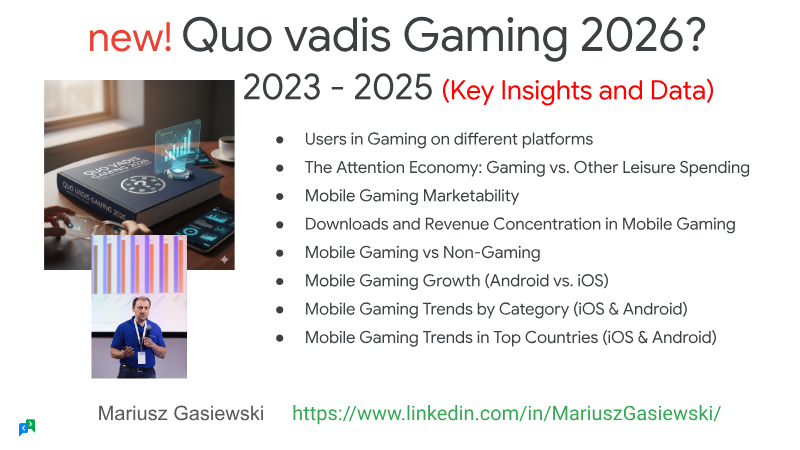
InvestGame · 2026

InvestGame · 2026