1 free read left. Create a free account for unlimited reading + AI research.
Create free accountWhitepaperAssociation for Computing Machinery
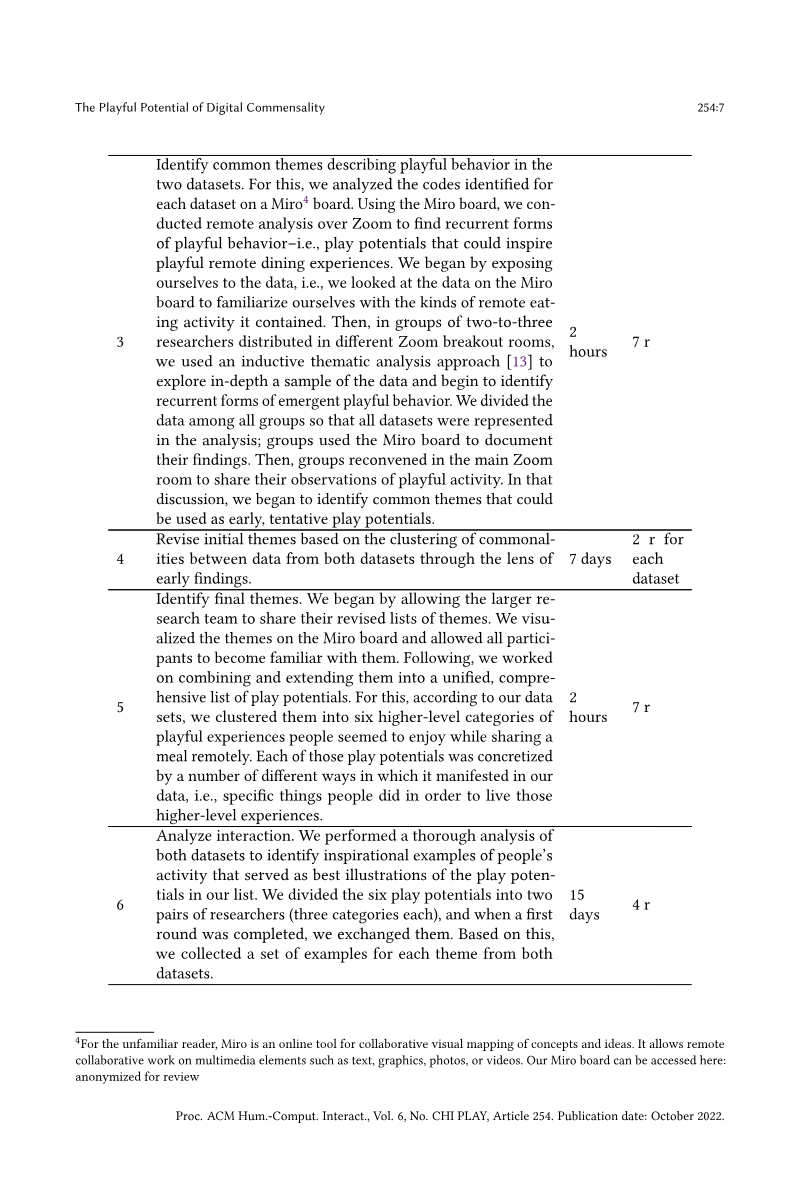
Digital commensality serves as a vital mechanism for mitigating social isolation, particularly when individuals are separated by physical distance. By analyzing the spontaneous behaviors of 36 participants engaged in remote dining, it becomes clear that users naturally employ ludic strategies to bridge the sensory and social gaps inherent in video-mediated interactions. These bottom-up behaviors demonstrate that dining is not merely a functional act of consumption but a social ritual that can be enriched through technology to foster intimacy and connection.
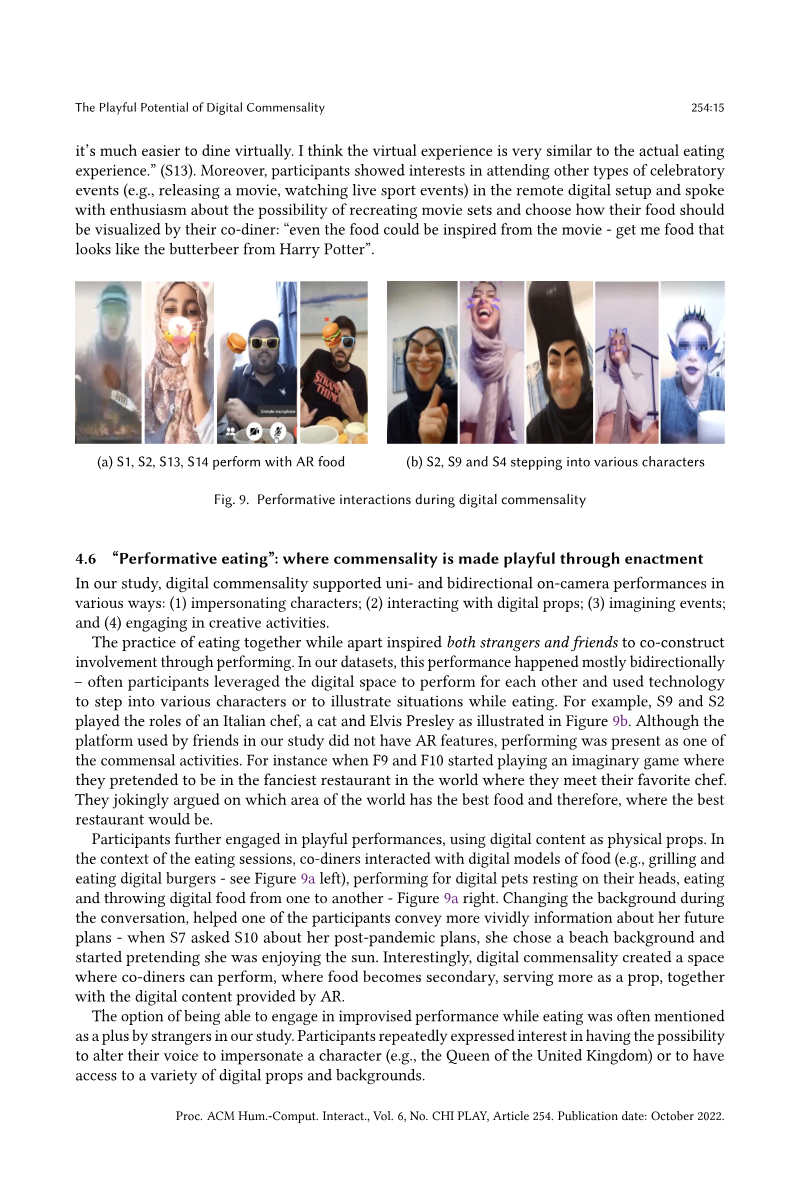
The research identifies six core play potentials that emerge during these remote sessions: narrative interaction, collective activities, sensory engagement, norm disruption, customization, and performative eating. Participants frequently challenge traditional dining etiquette, utilize augmented reality, and engage in shared storytelling or character impersonation to create a sense of togetherness. These spontaneous actions reveal that even within mundane digital environments, users actively seek to transform the experience into a meaningful social event.
Designers of future human-food interaction systems should leverage these findings to create more contextually grounded and engaging virtual dining experiences. By integrating features that support these identified playful behaviors—such as shared digital environments, sensory-enhancing tools, and interactive props—developers can move beyond simple video conferencing to create platforms that genuinely facilitate social bonding. While these insights are rooted in a specific participant demographic and context, they provide a foundational framework for evolving digital commensality from a utilitarian necessity into a rich, socially connected practice.
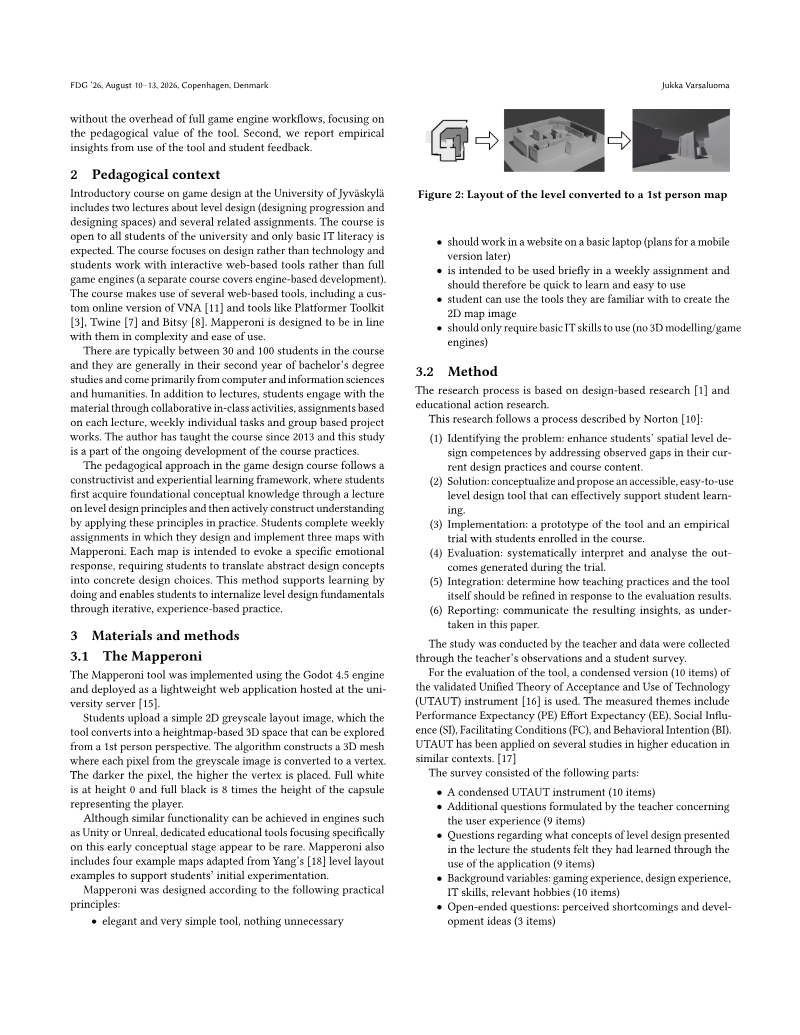
Association for Computing Machinery · 2026
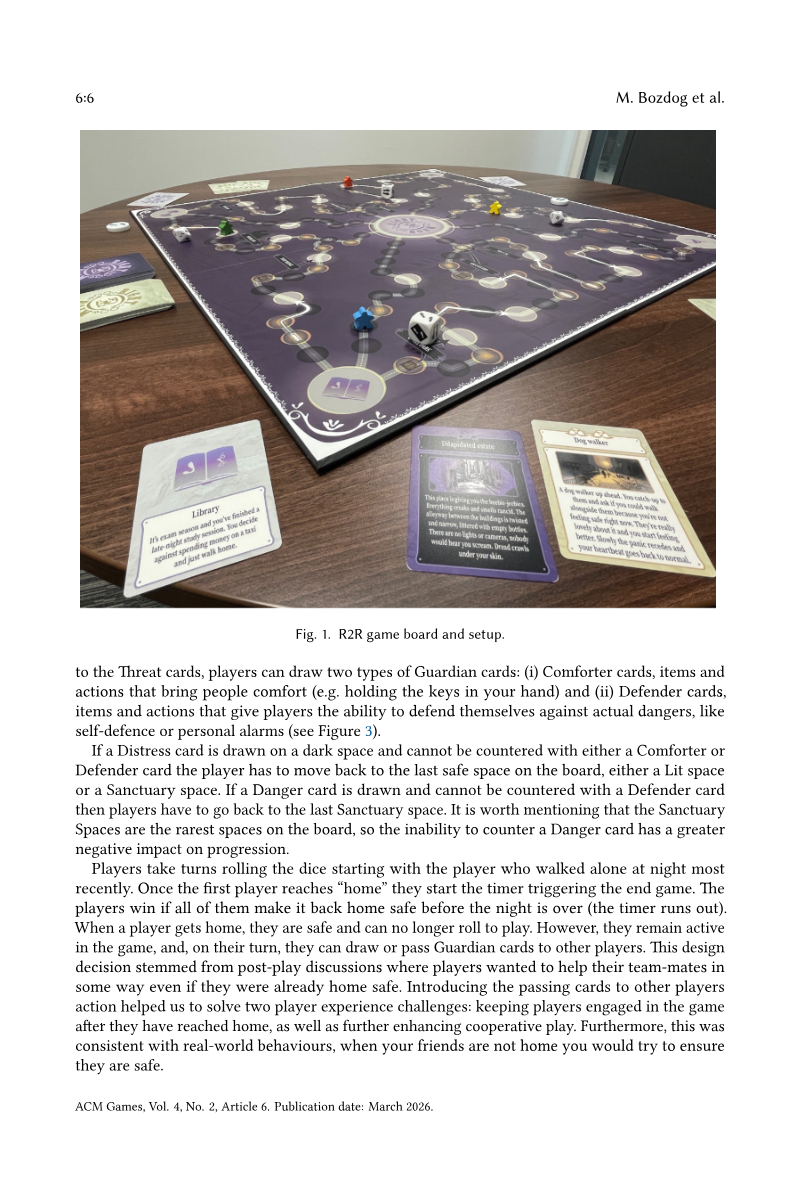
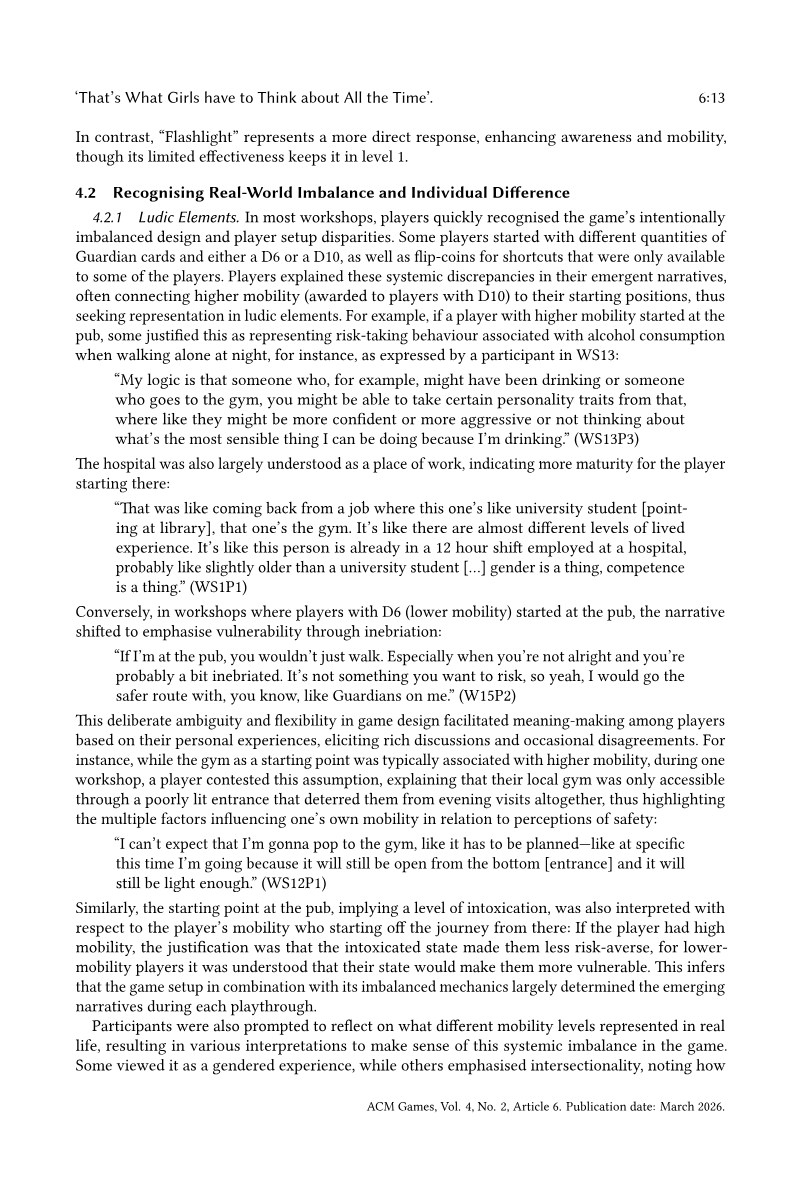
Association for Computing Machinery · 2026
Association for Computing Machinery · 2025
Association for Computing Machinery · 2025
Association for Computing Machinery · 2025
Association for Computing Machinery · 2025
Association for Computing Machinery · 2025
Association for Computing Machinery · 2024
Association for Computing Machinery · 2024
Association for Computing Machinery · 2024
Association for Computing Machinery · 2024
Association for Computing Machinery · 2024
Replay. The Polish Journal of Game Studies · 2026






























Comments