1 free read left. Create a free account for unlimited reading + AI research.
Create free accountArticle DiGRA
1 free read left. Create a free account for unlimited reading + AI research.
Create free accountArticleDiGRA
Futurist or technologically deterministic frameworks alone cannot explain how mobile play is practiced.
This paper by Larissa Hjorth examines the relationship between mobile gaming and the concept of place within the Asia-Pacific region, arguing that the local remains a powerful force despite the global rhetoric of convergence between mobile communication and gaming. Hjorth contends that mobile gaming cannot be understood through futurist or technologically deterministic frameworks alone, and that cultural histories of mobility, consumption, and locality must be brought into the analysis. The central thesis is that mobility and mobilism, along with the enduring paradox between immediacy and delay, shape how play is practiced differently across the region.
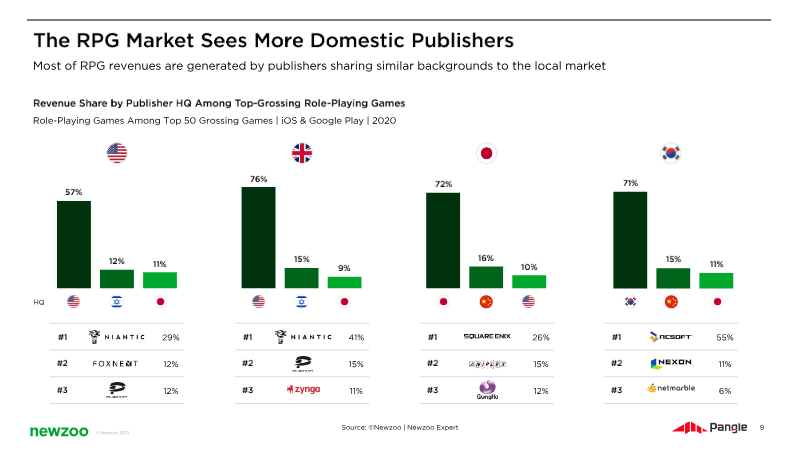
The paper draws a contrast between South Korea and Japan as two distinct models. South Korea, widely regarded as having the world's best broadband infrastructure, is presented as a centre for massively multiplayer online games played in social PC bang venues, with Seoul alone reported to host more than 20,000 such rooms. Japan, by contrast, is portrayed as pioneering convergent mobile platforms and privatized handheld play, reflecting a history rooted in the keitai phone culture. Drawing on ethnographic studies of mobile phone use in Tokyo and Seoul, the author argues that mobile technologies have tended to reinforce rather than erode senses of place and community.
The analysis also situates these practices within post-1997 economic transformations in Asia, when consumption became a regional political and cultural project. Hjorth traces a succession of cultural flows, from Japanese pop culture to the Korean Wave, and argues that transnational consumer communities increasingly shape both gaming and mobile media practices. The work is primarily conceptual and theoretical, grounded in cultural studies, sociology, and ethnographic literature rather than in original quantitative data, and it concludes that the paradoxes of location-aware gaming are a source of its distinctiveness rather than a weakness.

DiGRA · 2022

DiGRA · 2022



DiGRA · 2022



DiGRA · 2022

DiGRA · 2022

DiGRA · 2022



DiGRA · 2022

DiGRA · 2022

DiGRA · 2022



DiGRA · 2022



DiGRA · 2022

DiGRA · 2022
PocketGamer.biz · 2017