
The 2026 landscape for mobile application growth is defined by a fundamental shift from volume-based acquisition to a strategy centered on alignment, relevance, and community. As attention becomes increasingly scarce and user acquisition costs rise, the traditional reliance on broad, mass-market tactics is proving ineffective. Success in the current market requires an interconnected approach where product, marketing, and data functions operate as a unified system to navigate a fragmented distribution environment.
Key findings indicate that growth is increasingly driven by niche, audience-led products rather than one-size-fits-all platforms. App Store Optimization (ASO) has evolved into a product-driven marketing discipline, where search intent signals directly inform product roadmaps. Furthermore, community building has emerged as a primary defensive moat, with micro-creator partnerships offering higher authenticity and credibility than traditional influencer campaigns. Data highlights the growing importance of retention and remarketing, with global remarketing spend reaching $31.3 billion in 2025, a 37% year-over-year increase, as companies prioritize high-value existing users over expensive new acquisitions.
Technological advancements, particularly in artificial intelligence, are reshaping discovery. By late 2025, 37% of top U.S. websites received more traffic from generative AI than from paid sources, a trend expected to exceed 50% by the end of 2026. Consequently, apps must optimize for semantic search and web presence to remain discoverable in conversational AI interfaces. Additionally, the use of Custom Product Pages (CPPs) allows for granular personalization, enabling teams to tailor messaging to specific user segments and acquisition contexts. Ultimately, the winners in 2026 will be those who move beyond legacy playbooks to embrace intentional, community-focused, and highly personalized growth strategies.

Neo Ads · 2026

Neo Ads · 2026
Neo Ads · 2026
Neo Ads · 2026

Neo Ads · 2026
Neo Ads · 2026
Neo Ads · 2026

Neo Ads · 2026

Neo Ads · 2026
Neo Ads · 2026

Neo Ads · 2026
Neo Ads · 2026

Almedia · 2026
Gamesight · 2026

InvestGame · 2026
Video Game Insights · 2025

GamingReport · 2025
Liftoff · 2024
Tenjin · 2023

Adjust · 2023

Sensor Tower · 2023
AdQuantum · 2022
Tenjin · 2022
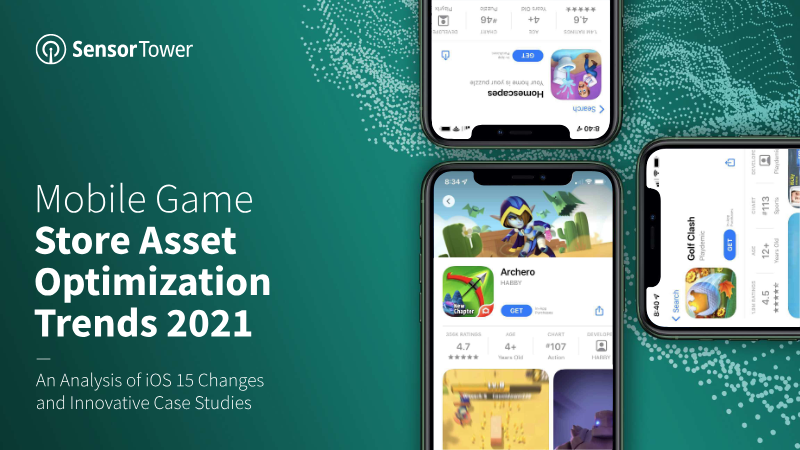
Sensor Tower · 2021