
The rapid rise of Anthropic’s Claude to the number one position on the U.S. App Store in early 2026 serves as a case study for the growing influence of values-driven consumer behavior in the technology sector. The surge in adoption followed a public standoff between Anthropic and the U.S. Department of Defense regarding the ethical use of artificial intelligence. When Anthropic refused to remove restrictions on autonomous weapons and domestic surveillance, the government blacklisted the company. Conversely, when OpenAI subsequently entered a deal with the Department of Defense, it faced significant public backlash, characterized by a 295% single-day spike in app uninstalls and a 775% increase in one-star reviews.
Data indicates that this shift was not merely a reaction to a single event but the culmination of a broader trend toward values-based brand loyalty. Claude achieved 2.5 million downloads by early March 2026, with daily download volumes surpassing those of ChatGPT for the first time. The "QuitGPT" movement further formalized this transition, drawing 2.5 million sign-ups and manifesting in physical protests. This period of volatility highlights a fundamental change in growth strategy, where consumer trust and ethical alignment serve as primary drivers for user acquisition and retention.
The analysis concludes that while Anthropic remains a large-scale corporate entity, its willingness to prioritize specific ethical boundaries over government contracts provided a clear alternative for users seeking to exit the OpenAI ecosystem. For growth teams, the findings suggest that market success is increasingly tied to the legibility of a company’s values. Because these moments of public alignment cannot be manufactured, firms must cultivate consistent brand identities that resonate with user priorities long before crises occur, effectively positioning their products as the natural choice when users seek alternatives.

Neo Ads · 2026

Neo Ads · 2026

Neo Ads · 2026
Neo Ads · 2026

Neo Ads · 2026

Neo Ads · 2026
Neo Ads · 2026
Neo Ads · 2026
Neo Ads · 2026
Neo Ads · 2026

Neo Ads · 2026
Neo Ads · 2026
Sensor Tower · 2026
Adjust · 2026

GamingReport · 2025
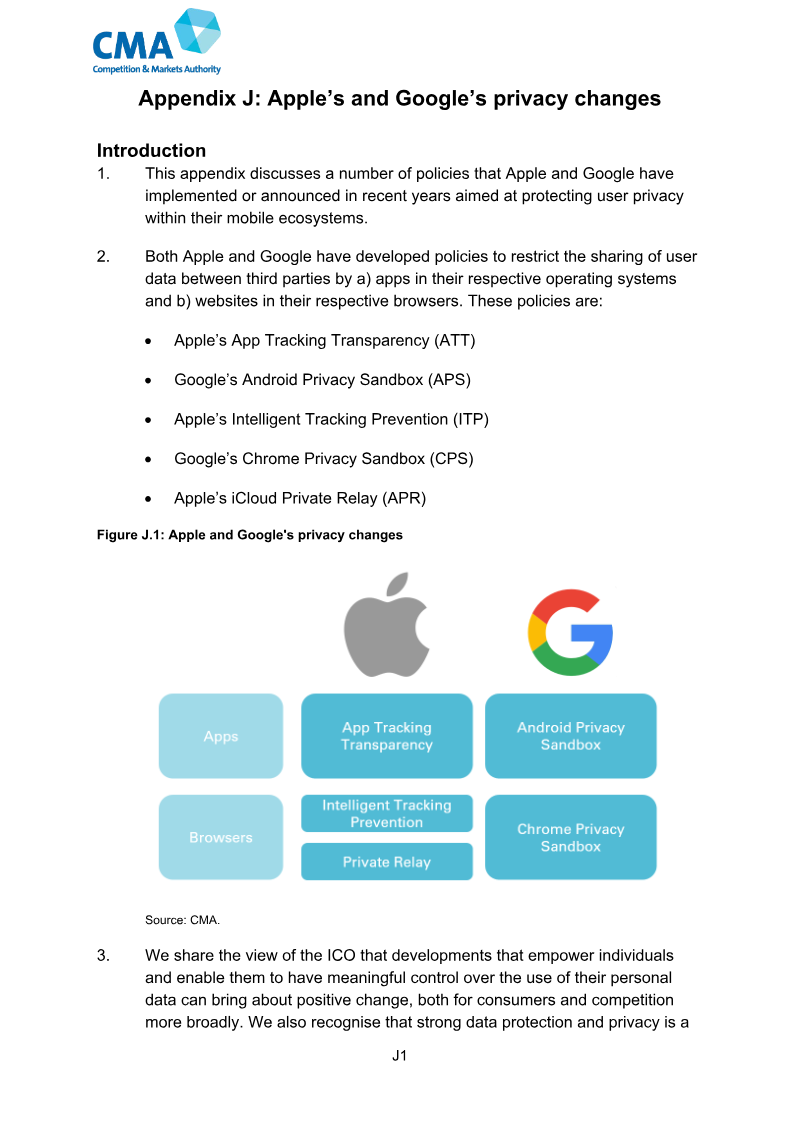
Competition · 2026

Almedia · 2026
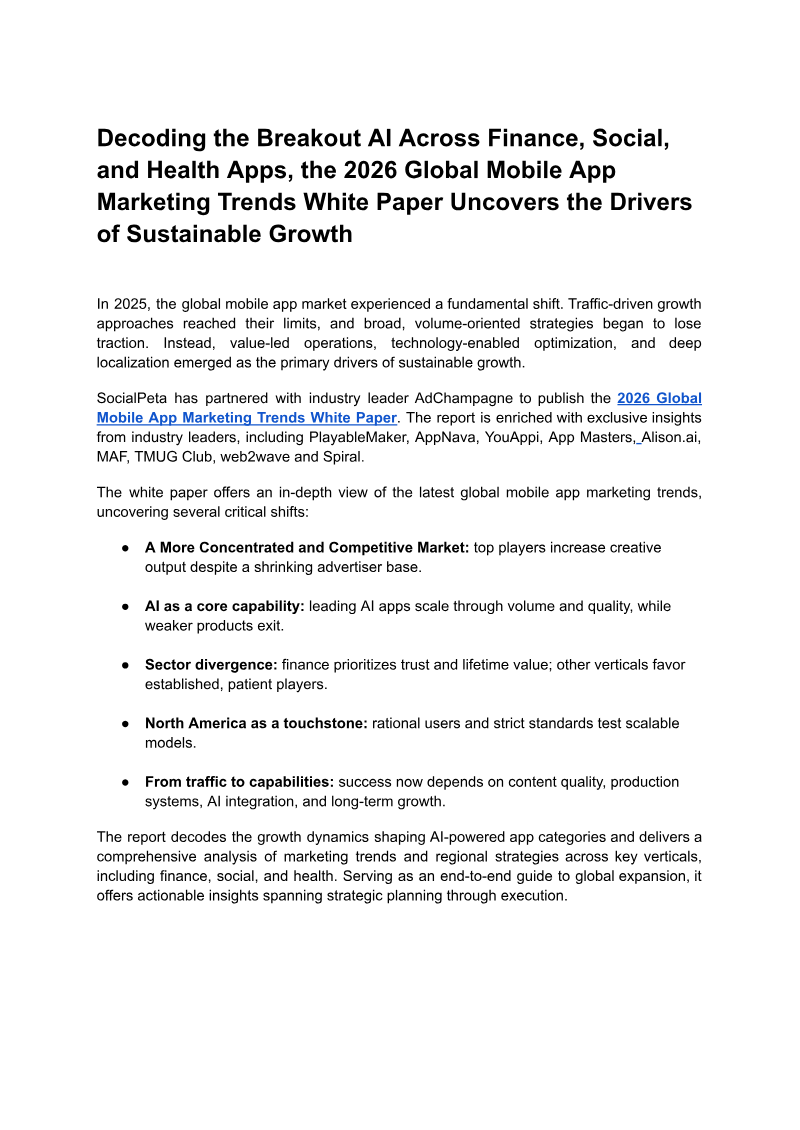
SocialPeta · 2026
BITKRAFT Ventures · 2026
Modern Times Group · 2026
InvestGame · 2026
InvestGame · 2026

SocialPeta · 2026

SocialPeta · 2025