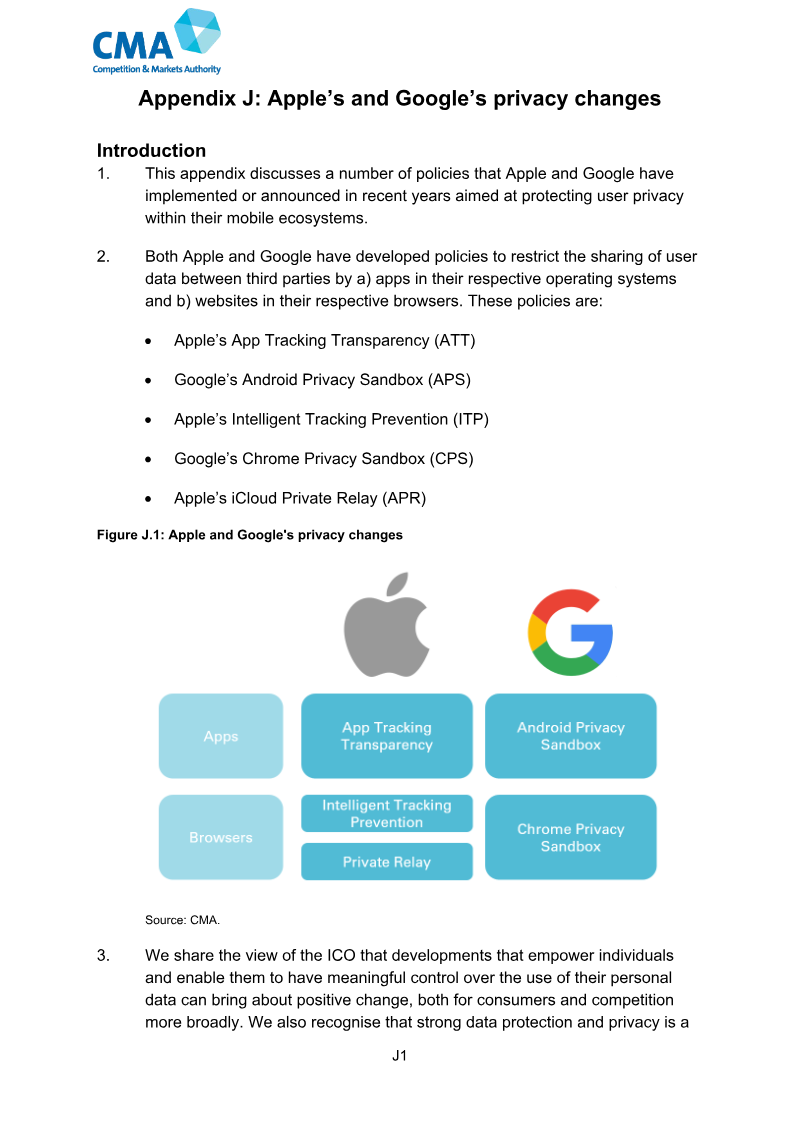
The platform known as Apple Ads is frequently criticized by industry professionals for its lack of granular reporting, limited transparency, and absence of Return on Ad Spend (ROAS) metrics. These limitations are not the result of technical incompetence or a lack of concern for user needs, but rather a direct consequence of Apple’s overarching commitment to user privacy. The same architectural principles that govern App Tracking Transparency and SKAdNetwork prevent the platform from providing the deep, user-level attribution required for traditional ROAS calculations.
Operating at the scale of Apple introduces significant structural friction that slows product iteration. Because the App Store is a highly scrutinized, global ecosystem, any new feature or reporting change must undergo rigorous privacy, legal, and regulatory reviews. This environment prevents the rapid, agile deployment of features common in smaller organizations. Consequently, the platform is designed to prioritize long-term ecosystem stability and privacy compliance over the immediate, granular data demands of advertisers.
To succeed within these constraints, advertisers must shift their strategy away from seeking missing data points and toward leveraging available signals like impression share, tap-through rates, and keyword-level conversion data. Success on the platform is best achieved by adopting a holistic approach that integrates paid performance with organic App Store Optimization (ASO) and utilizes direct API connections to analyze post-install data. While the platform may not offer the most transparent reporting in the market, its unique ability to reach users at the exact moment of high-intent search remains a significant structural advantage for those who adapt their strategies to work within its inherent limitations.

Neo Ads · 2026
Neo Ads · 2026

Neo Ads · 2026
Neo Ads · 2026
Neo Ads · 2026
Neo Ads · 2026

Neo Ads · 2026
Neo Ads · 2026
Neo Ads · 2026

Neo Ads · 2026
Neo Ads · 2026
Neo Ads · 2026

Sensor Tower · 2021

SocialPeta · 2021
Competition · 2026

SocialPeta · 2026
InvestGame · 2026

SocialPeta · 2026

SocialPeta · 2025

Sensor Tower · 2025

SocialPeta · 2024

SocialPeta · 2024

Liftoff · 2024

Liftoff · 2024