1 free read left. Create a free account for unlimited reading + AI research.
Create free accountArticle Eludamos: Journal for Computer Game Culture
1 free read left. Create a free account for unlimited reading + AI research.
Create free accountArticleEludamos: Journal for Computer Game Culture
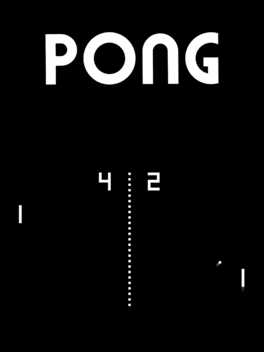
The Computerspiele Museum in Berlin developed from a youth-protection and educational initiative. Its curator describes it as Europe's largest collection of entertainment software and hardware.
The Museology of Computer Games, an interview published in Eludamos Vol. 4, No. 1 (2010), examines how computer games are collected, displayed, and preserved, with Berlin's Computerspiele Museum as its focal case. Curator Andreas Lange traces the museum's development from a youth-protection and educational initiative into what he describes as Europe's largest collection of entertainment software and hardware. Lacking a permanent collection, the institution relies on donations and project-based acquisitions, and it actively builds bridges between the commercial games industry and the art world, cooperating with other archives and running exhibitions such as "Pong Mythos" and "Public Play." Lange notes that the industry often lacks the staff and records needed to supply historical materials, while academic demand for legal access to games is growing.
The discussion also addresses the contested reception of Douglas Stanley's "Invaders" at the Leipzig games fair, which Stanley withdrew under corporate and online pressure. Lange regards that withdrawal as unnecessary, since the company likely lacked legal grounds for its objection. He situates the episode within Germany's distinctive regulatory landscape, including the USK rating system, strict rules on Nazi symbols, and public funding of games as culture. The interview further documents the divergence of East and West German computing, in which East German titles were often reprogrammed versions of Western arcade games, and it observes a small domestic developer base. Lange offers a tentative observation that women gravitate toward cooperative rather than competitive online games.
The concluding discussion centers on preservation. Games are presented as the most difficult digital form to archive because they must be kept in a playable, interactive state rather than as static artifacts. The museum's involvement in the EU-funded KEEP project, a three-million-euro initiative, reflects recognition of gamer-driven emulator development as a valuable preservation tool. Lange and archivist Winfried Bergmeyer argue that computer games, as the first digital mass product, have the longest record of preservation challenges, and they contend that the museum's small, flexible structure offers advantages over better-funded institutions such as ZKM.
Each row is a game or company this document names, each column a document, oldest first. A mark means that document names it. Select a row to see those documents.

Eludamos: Journal for Computer Game Culture · 2026

Eludamos: Journal for Computer Game Culture · 2026

Eludamos: Journal for Computer Game Culture · 2026

Eludamos: Journal for Computer Game Culture · 2026

Eludamos: Journal for Computer Game Culture · 2026

Eludamos: Journal for Computer Game Culture · 2026

Eludamos: Journal for Computer Game Culture · 2026

Eludamos: Journal for Computer Game Culture · 2025

Eludamos: Journal for Computer Game Culture · 2025

Eludamos: Journal for Computer Game Culture · 2025

Eludamos: Journal for Computer Game Culture · 2025

Eludamos: Journal for Computer Game Culture · 2025
European Conference on Games Based Learning (ECGBL) · 2022



GAMEHEARTS · 2026
European Conference on Games Based Learning (ECGBL) · 2026