1 free read left. Create a free account for unlimited reading + AI research.
Create free account
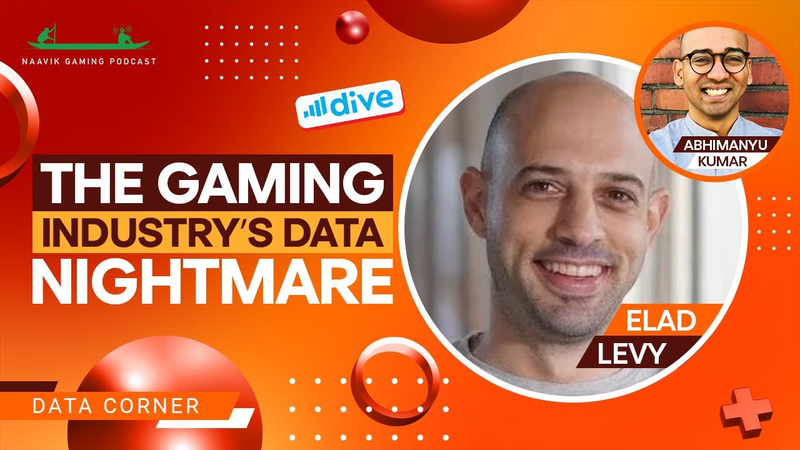
The Gaming Industry’s Data Nightmare
Key insights
6 takeaways- 01Modern gaming titles generate event-based telemetry at a volume and complexity that exceeds traditional e-commerce requirements, creating a significant data management and storage cost crisis.
- 02Small studios can achieve operational efficiency by utilizing specialized consulting and accessible business intelligence tools rather than maintaining expensive, large-scale in-house data departments.
- 03Studios must transition from aimless data mining to a hypothesis-driven methodology, where product managers define specific objectives before implementing new features.
- 04Integrating qualitative community feedback with quantitative technical data is essential for validating concepts early and ensuring resources are allocated to features that demonstrably improve player lifetime value.
- 05Rigorous A/B testing and continuous optimization are now mandatory requirements for scaling titles and maintaining long-term 'forever' intellectual properties.
- 06To remain competitive, developers must move beyond static designs toward personalized, segmented player experiences that utilize dynamic pricing and iterative content adjustments.
Ask AI about this video
Transcript
foreign [Music] gaming podcast where it is our mission to explore the business and future of video games we bring together the industry's brightest Builders investors and thinkers to keep a full sun current events dissect emerging Trends and games share Lessons Learned and have a great time this podcast is also part of novik's growing ecosystem which ranges from free and premium research to Consulting and advisory services for more information visit www.navic.com [Music] this episode is brought to you by Nexus building a support a Creator program is something all live service game developers should be doing but without the right engineering bandwidth or marketing expertise doing so can be a challenge nexus's Creator program in a box makes it easy for game devs to build and manage world-class Creator programs
driving significant growth and conversion arpu retention and LTV Nexus has partnered with Incredible live service Publishers like Capcom grinding gear games high-res ninja kiwi and more and would love to help you our novik gaming podcast listeners do the same if interested in learning more simply head to nexus.gg novik there you can learn more about the efficacy of support of Creator programs and discover how to easily build your own again that's nexus.gg novik or check out the link in the show notes and with at let's jump into the episode hey everyone before jumping into today's episode I wanted to share some quick context on what you're about to listen to together with dive one of our open gaming research initiative partners where exploring the topic of data and games through a limited podcast series called the data corner today's episode
is the first one that covers the topic of the data nightmare that the games industry faces in other words uh you know games in general generate tons of player data every day and within that data exists a ton of harvestable inside that can be used to drive better decision making to drive more revenue and eventually drive better game making but you know such large pools of data also require time money and people to analyze and harvest from it and that keeps many game developers from spending time in the data to help them make better games this tension is really at the heart of the data nightmare the gaming industry faces today and this conversation with ilag Levy founder and CEO of dive is focused on unpacking that tension a bit more it is a wide-ranging conversation that covers what the nightmare is all
about why the gaming industry is unique in facing it versus other Industries how game developers should navigate the problem and what they're leaving on the table if they don't navigate the problem and also much more so I hope you enjoy episode number one of the data corner and do send me your thoughts feedback and questions so that I can address it all as I continue to build this limited series out with that let's jump into the episode welcome everybody to the navic gaming podcast and today we're having a conversation with elad Levy founder and CEO of dive which is a cross-platform data analytics service provider for the games industry uh this is also elon's come back to the Pod after almost half a year where he's been focusing on scaling dive and I'm super happy happy to have you back a lot for this data Corner limited series so yeah I mean just to kick it off how how have you been however the past six months been
well it's it's going great we continue um scaling bit by bit it's a as you know the Professional Services in the games industry is a is a lot of grinding but that's yeah it's fun yep yep just taking taking every day at a time I guess exactly um and yeah maybe as a maybe as a quick refresher for our listeners could you briefly go over you know what dive does and you know how you guys help game developers make successful games of course so we provide professional data bi services to companies and we focus mainly on game studios and over time we realized that many of the tools out there are just not good enough so we ended up developing our own platform for data and live Ops and other really great tools that help maximize a
lifetime value of players think about it as Enterprise level data services for in game studios we are kind of trying to level the field between the huge companies that have insane internal bi data teams and the one that just start and are struggling out there so we are kind of like leveling the field in a way yeah companies of all sizes probably you know uh for a certain game have the same volume of data but not the same size of team so uh totally understand you know leveling the playing field and where that comes from um great awesome so um so with that you know I guess we can jump into today's uh topic of discussion which is the gaming Industries data nightmare it's a chili chili title chili title yes
slightly ambiguous but also you know uh Europe working to say the least and this is um this is a topic that you know elad kind of made me aware of while planning out this limited series and I'm like super curious to learn more uh you know about where what he means where he's coming from and how he kind of sees uh sees this problem in the market so uh to maybe like just set the stage uh maybe you could just start off with defining it so what is the data nightmare that the games industry is facing and why is it facing it well I'm calling it that it's it's been like that for years but um for me like the data and games is is a nightmare because there are no tools and it's complicated and in essence it comes it all starts with the fact that it's not a booking or a travel website or an e-commerce card that you just you know the flow there is very simple tracking is very simple on those
websites games have a ton of moving parts and they generate players users and games generate a ton of events and think about the fact that if you have just a few thousands of Dau for a game you get to tens of millions of events a month that pile up very very fast so that means storage that means CPU for like processing that data and it just drags a lot of Maintenance and the other Industries don't have that because you know dating apps are very straightforward e-commerce are you know you just add a few items to a shopping cart and check out but games are really insane I'm not talking about hyper casual or it's like those are Basics but if you take I don't know and also there's a huge difference if
you try to I don't know do a data analysis on Diablo versus um Candy Crush but the amount of data is just staggering and it becomes a nightmare very quick right so so I guess uh just to clarify I guess the nightmare is mostly faced by the you know the bi teams or the game developers themselves depending on the size of the company where it's just so much data to process and you know I guess they kind of know that there's a lot of value if they were to process it but it's also a function of time and resources that you know uh can they actually process it and gain that value so maybe maybe as the next question like how do you like how do you think like majority of the game developers are even aware that they are in this data Nightmare and like how when and how does one even know I think that the you know
in the beginning when a game starts and you do soft launch then everyone are looking at the same core kpis I call them the boring kpis it's right a little bit of retention engagement session length uh block that's like a black apis for me but right when you start adding content and again I'm focusing heavily on IAP games like in-app purchase games because this is where the lifetime value shines you have to feed that content Trend mail and you have to analyze sharing points and progression systems and there's a ton of data I mean that's where data starts getting complicated this is exactly the point that you go from I just look at session time
and retention to I need to analyze certain points game economy a progression systems and and start looking for correlation because everything affects everything out of the out of the target audience that I don't know and finished five achievements in the first week how many retained over time because everything affects everything you know so that type of correlation and that type of insight you need a really professional product manager on the other side to lead the whole thing or a game designer that knows what he's doing and someone to help you collect and extract that data which is you know either you build an in-house team you can hire us or you can I know there are different ways to do it but some of the some of our clients try building those team in-house and ended up calling us after years of frustration
because connecting product data inside is not that simple uh maybe maybe a follow-up so like you kind of said you know doing soft launch is mostly a focus on the on the basic slash boarding kpis you know retention and our towers and yeah basically trying to see if you know the CPI to LTV equation can work out at scale or not um but soft launch is also kind of the time where you know some of the biggest product changes are made um and um what I uh are you trying to say that um you know this um these correlations that can that that become pretty critical in terms of you know helping decide big product changes it's um not that important to look at during the soft launch period or or not possible to look at given the scale of data or um what do you mean over there I'll be honest if you have the luxury of having
that okay abilities from day one it will help because I can I I cannot it's a podcast so I cannot share my screen but I can show you games that we have on clients and that the classic boring D1 is 13 percent but if I look at the dashboard that we made where you check rolling retention and adding to that correlation of people that play a specific game mode or finish an achievement on the first day the the D1 retention spikes to over 90. it's insane because um that's the type of insight that you do if you have access to Raw data and a data analyst because you can start digging those kind of correlations and
it will also help soft launch the thing is that many game studios don't have this luxury so we have to they have to struggle with you know some free tools and getting by with what they have and a lot of guesswork exactly so it's a shame you know but that's why we try working with the I call them early stage VC backed game studios because they have some sort of funding so they they have a better probability of iterating their product and lunch launching a better game so right it's it that's it basically in essence right makes sense um I guess yeah that kind of like brings up the interesting difference between you know uh small teams medium-sized teams big teams with another Vector of you know well funded and not so well
funded and how what what would what how would you say like you know each of these kind these different styles of teams should kind of be managing this uh this nightmare I am a I'm a huge fan of of uh small teams and I think that you need to keep clean at least in the beginning so you can stretch the runway as much as you can instead of like building an in-house data team that can cost tens of thousands of dollars then that's exactly why we started dive to kind of give that for a Frac like give Enterprise bi for a fraction of the price but you can really do a lot with small teams you don't need you know with a handful of people five people ten people like You Can Do Magic you know you can really do magic uh brand new you must you know one of
the most important parts is a strong product manager game designer someone that that knows also beyond the product Vision beyond the game vision he needs to know what to ask because data Works in a very simple way like it's it's very similar to development you cannot hire a developer and tell them build a game you won't know how to build it so you start with some sort of a product manager or a game designer first and he basically write the spec of how the flow will look like and that same person should be the one asking the questions of whether the design that he made worked or not but you can do a lot of like freelance work you know you can hire naviq for you know a Consulting on game economy we can help with bi there are so many options
today that you don't really need full-time people like it's it's possible to stretch that period with rather lean budget rent right makes sense yeah um maybe just to like quickly go back to something you said about you know um your focus on IAP uh driven games and you know uh the decisions uh the decisions over there and the correlations to be made over there tend to get um quite complex uh the bigger the game is you know the I guess the longer it is in his in its life cycle and such um what about uh what about the other side of the spectrum like in terms of ads driven games um is how how uh do you see that space differently i i i i the whole hyper hyper casual
is a the model is very simple it reminds me of the if you remember the BuzzFeed kind of you know websites it's basically you know you buy for as cheap as possible you show as many ads as possible you recoup you recovered you know the money and maybe make some and it's a it's a question of volume but it's not those are not games that last over time you know those are not games that cater to a niche of flares that will go completely obsessed about them and you know will buy T-shirts of them and we'll build communities around them and run that's that's like uh you know it's a it's a different style of games
and I I'm a big fan of you know the long term game so um in an essence you know I played FIFA when it was you know in 1995 and my kids are playing FIFA today so you see that some games are you know they they are really like Eternal in a way you know I played Diablo one when it came out and now there's the other way mortal and I still play it on my phone so it's fun you know some games are just uh you know there are like IPS that are kind of like they they stick with you for a really long time right and I I really believe in this type of content right right and uh yeah so I guess what you're trying to say is like for you kind of solving the data nightmare is in service of being able to increase the chances of creating these you know
forever IPS uh in a way or so to say um is uh is is that kind of what you mean and that's what you're kind of getting dive also towards too I am yes we are looking for this type of type of clients because those that analyzing data on to be first of all most of these games do not really analyze data today like casualty they don't I don't think that blizzards are using Diablo and doing the analysis that King are doing on Candy Crush I don't know it's just my opinion maybe I'm wrong but I I have a feeling that they're not really getting into the and there's so much to analyze you know on like the weapons and the yeah the any type of enemies that you're attacking your interaction when you come to the village and you go to the portal and the whole heat map over
the character goes there's so much things that you can analyze in the game like that and obviously all those interaction points generate huge amounts of data so it's not something that can possibly be afforded by a small company we had a couple of clients in the past that did something similar and because of the amount of data that they were generating we had to take it back a little bit and to kind of ease their infrastructure so it won't get really expensive really fast the product manager is like there's a map there's a world you want to know where where you go in that world where are you going exactly what are you doing who are you interacting with yeah and all this movement generates a ton of data it's like tens of millions of millions of events yeah so I mean yeah doing my uh during
my time at Zynga that's also kind of where I you know um cut my PM teeth so to say and it's also where I you know uh truly learned how to you know manage and analyze and gain Insight uh from data and um I mean the kinds of excel sheets there you know we were building uh over there it was it was really really crazy but honestly it was also you know weirdly addictive in a way just being able to have access to all this you know user in uh user generated the data points that you know if you're asking the right questions uh you could really really gather a lot of information exactly if you make you know some some of the best product decisions or you know marketing related decisions um technical decisions you know um whatever and I guess I guess that comes to like you know like you said earlier it's so important to ask the right questions and yeah that's also
kind of the mindset that you know kind of Zinga hammered into me which is a hypothesis driven mindset first state your hypothesis and then dive into the data but it's a problem that I continue to see with PMS and you know um data analyst today where the hypothesis is not set but they dive into the data looking for the answer you know and it's kind of the opposite way to exact approach uh the problem and actually ends up wasting more time uh than actually you know uh making making the company more efficient uh really so yeah I mean to this to this point about you know asking the right questions what um how should like game developers uh think about that like what when they're trying to think about like the right hypotheses or the right kinds of questions to ask um how should they approach it you know um how does one formulate a great question that can result in great business results if the data is analyzed
in the right way and does it differ from like small companies to large companies and such yes I mean we have like so large companies we worked with in the past they have four product managers and we ended up building for them hundreds of dashboards because they keep asking questions all the time which is amazing all of them were x-zingula x x e a x Co please so they had a ton of experience of asking the right questions yes many game studios that don't have that luxury we work with them we do like weekly calls with them and we have a slack or a Discord Channel with every game studio and I'm also in the channel so from time to time I also jump on a call and like try to see if I can give my two cents but I think the best way is really um consulting or speaking with people that has experience you know because
sometimes one hour with someone from navic will give you a ton of questions about the product and I appreciate these plugs by the way yeah I know it's important man like people with experience can easily identify the right question like really fast yeah 30 minutes one hour sessions so you don't need to like a full-time employee sometimes I'm I'm a big fan of of like Consulting with ninjas so one hour of it or 30 minutes of one ninja is worth so much you know and then right I always try to follow a rule of thumb of every time you make a modification in the game or add a new feature make sure that you measure it because launching features without measuring them
is it's like suicide you know it's just like gambling you don't know what yeah you must know and you launch a new tournament system see who used it like as simple as that how many people actually click that button you know like simple stuff and it's not you know that that mindset can be acquired over time you know like after some time you start thinking this way you want to change a color of something usually maybe this you want to launch something you test the you know wait when we we encourage the product managers to actually add in the product spec the questions at the bottom of the spec they are launching an achievement system okay so what will be the questions how many people per day per session whatever finish that achievement how many achievements were finished how did that
affect the game economy did it generate too many coins is this causing inflation it's you know these are like use you you're not in your head because you know that from Zynga but you know many game studios are not going to be aware of that so you have to hold their hand and explain that to them right rain rain I guess that brings up an interesting point about maybe there being two two different types of questions because um the kinds of questions that you're talking about are kind of like the you know like the post post launch analysis questions to measure feature health and maybe you know um maybe come up with fixes or iterations to that to that existing feature so that it can you know iteratively kind of be improved but um there's also the second type of questions that I have kind of found in my career which is um it doesn't really have to do in with anything that's live in the game right
now but it's more about finding untapped potential you know uh it may not be related to a certain feature that's currently live but it's definitely hidden in player Behavior given the current state of the game um that's kind of like forced me to have like two more uh Tools in my you know question generating toolbox uh one of them is like just playing the game like incessant like you know incessantly playing the game being absolutely obsessive with it really uh because once I'm able to play the game and I have like you know I can basically you know um I don't know uh if someone wants to ask me in a dream while I'm sleeping like what does this feature actually do I can answer them I know the game that well then I'm able to um I'm also able to find out you know or at least hypothesize what could be like potential untapped areas of you know uh growth that maybe the team is talking about building products games whatever
services has two main channels from which you get feedback one is data obviously but data is like the untold story and then the other one is the community so I encourage game studios to start a community as fast as possible depending on the age obviously it can be Facebook fan page it can be a Discord Channel you will not you will not believe how many how much feedback people write in the store reviews they give you one star and they just pour their heart of life I wish there was this and I wish there was that and that wasn't it stole my coins and that's really valuable yeah and emails I I love I love when games put like an easy way to complain I call it so there's a contact us option from the game and you can complain and say hey I this doesn't work that's a shame you
have to kill this I love this game but blah blah blah blah blah and there are crazy reviews is as well right you know and best game ever one star you know there are like crazy things once in a while yeah yeah but definitely seen a few of those yeah yes I know and I guess that that's why I kind of have like both of these tools in my tool set because if I don't play the games myself then I um I will not have the capability of uh prioritizing which points of community feedback are maybe um more important than the others because I mean of course there's like you know we could measure it like how many people are you know uh creeping about this specific topic that could be measured but I think it should be a mix of both for you know PMS like exactly or you know game designers or whoever they should they should also know it themselves but let's double check it
with the data to also make sure that my hypothesis that this is a big problem is really a big problem you know I actually work with the I'm doing a lot of Investments Angel Investments and advisory work as well for companies and game studios and I I work now with the game Studio that actually incorporates the community in the game development and it's really fun ah okay it's like already they already created from beforehand yeah it's really fun right I think that oh how how does that how does that work you know they create like a Discord Channel and they have like constant communication with them and they publish their like what is coming up you know the characters the you know the features and they get feedback sometimes if you put like a video that's
enough or like an image that's enough to get feedback because the player can already imagine what is coming it's a great way by the way to test games test game Concepts before you even start developing them you just right launch a marketing campaign with the video without the game even done or like a playable ad or something like that yeah yeah so I guess like the um the more extremely response to something like that from the community um the more trust over the I guess it is maybe like lukewarm responses um I guess don't need to be acted on you could still maybe continue with production plans on a lukewarm response but if it's like very extremely negative or extremely positive then you can be pretty sure actually so many games that create the ads with the feature in the ad before it's developed in the game say
that again they create the ad for the future before the features develop exactly so they publish like a part of the game uh of a feature that is not done yet and see how it like if people like if it attacks you can be so creative today with a super low budget you know it's not what it used to be it's very easy to ramp up themes you can get developers from all over the world for a very lean budget great art amazing art and guys that can and Freelancers all over the world that do amazing things there it's much more easier to develop and iterate the game today than it used to be a while ago I guess Netflix a little more iterative and highly experimental mindset is even more important today you know and of course is this post idfa yes when everything is so uncertain and such
yeah and you can never know you can never know it's like if you would have asked me years ago we're going to launch this website called Facebook what do you think and then why response would have been but there's there's my space why would you need Facebook for you know you never know what will work and what will not work so you just have to try yeah baby test you have to it's the only way yeah I guess I guess we talked about like you know all the different um all the different torch lights you can probably shine on you know making the nightmare a little bit a little bit less nightmarish but um how about um you know like the big question also for a lot of developers is um especially for like small to medium ones you know um how much time should I really invest in this I'm a small team you know three to a very small team three to five people we play our game day in and day out we listen to our community all the time so what's the real benefit of you
know going deep into the data and looking at correlation and stuff I guess like developers might also be thinking like this but in your opinion like I guess the question kind of comes down to like how much um How much money how much player engagement how much you know pick your metric that's important to you a developer is kind of you know leaving on the table uh by not addressing this High uh this nightmare head-on I've actually met a profitable game studios small one that built an entire game out of community feedback with zero data interesting yes I mean I think that Community is the most important thing and data kind of fill in the blanks because if if you have a high crash rate you will not see it from some you know it's it will float more in the data and less in light
because most people don't complain they just uninstall it and that's it they did they delete the game and they never come back but data will float those kind of issues so small game studios um you know basic apis basic metrics enough to show some sort of traction or community enough to help you either get a publishing deal or maybe raise another round so that you can invest more in data and develop better progression systems in invest in a better game economy and building that content Trend mail because you you cannot make money of like a pilot or like half a season you know you have to like build more and more and more content so that you can maximize the lifetime value of the players higher LTD means you can buy higher on
the CPI means that you can afford more expensive players that's it in essence it's a very simple formula actually yep and the data or yeah making the nightmareless nightmarish and addressing data kind of helps you get there I guess exactly um that's also something that could learn that VCS or publisher will need it will be one of their first questions to kind of give you a even the basic API report but again yep a lot of the basic stuff the boring kpis can be achieved with you know free off-the-shelf tools or stuff like that we we're trying to also develop kind of an indie tier in dive now but um the drawback that we see is that
they stay in the forever because if they don't have money for marketing they will never scale so how how do you how do you go about um how do you go about like kind of convincing these more Indie clients to you know get deeper into the data quote unquote because that's kind of that's kind of the problem I'm also uh you know hitting at with the question it's um it could be a broader problem you know dive client or not um there are developers who you know they have access to their the basic kpis and they kind of uh it's like enough for the vitals of the game and as long as the vitals of the game are deeply uh understood then we should probably be good um so so how do you how do you like but you know there's of course like value in getting deeper into it finding those different correlations finding areas of like untapped potential uh iterating on existing features optimizing you know
various funnels Etc how do you um what is the conversation like with one of these more indeed clients for you where you're trying to like maybe convince them to go deeper uh how does that usually play out how do you handle it to be honest if they don't have the budget we try to move on to the next client and I try helping them as much as I can because I love the industry right but I mean you cannot bootstrap I mean you can I'm actually it's an interesting experiment can you bootstrap again the whole in the the whole in the um dream of me sitting in my garage and building the next crossy Road or something like that I think it's uh it's it's I mean I don't it's possible if the platform is new because you're still you still have a good chance of Discovery there is there is no
saturation so if you're the first guy on Roblox on making a game you'll probably get discovered rather quick and if it's uh I think that it's easier to get discovered on new platform but if you want to compete in a saturated industry like you know PC Mobile whatever you I mean you need the budget some sort of a budget even art you know is like Quality Art costs a lot of money you know it's not it it's not it's not that easy to get in a in a cheap price VFX you know right the amount of iterations that you need to do on VFX in a game is insane I know if you guys are doing a podcast on building game studios but you need some sort of a budget you can keep it very tight team like one developer one game designer
and and one artist but but these people will probably work at like 200 capacity and at some point they will need a little bit of help because there's a bottleneck at some you know you're a product manager you consult I need this I need to build a tournament system you know build it you know you spec everything up but one guy one developer will take in months to execute that and that's where it it gets that's like the bottleneck that you know and you can improvise with Government funding and small tickets and I see a lot of indie game studios doing that they have great programs in Canada and Australia all over the world really but it's inevitable okay cool it makes sense so yeah okay so bottom line deep data analysis requires uh requires some budget uh which uh
which also is functional to time so okay but that makes sense um so yeah hopefully like you know the Indie devs and the people who are maybe less convinced about getting deep into the data uh also kind of you know keep that in mind uh while they're kind of uh you know deciding to get deeper into it uh maybe something related to you know um what you said about you know someone is building a game on Roblox and also just related to Dives offering which is cross-platform do you see like our entire discussion has been you know more mobile for you to play focused until now but do you see like this data Nightmare and you know the handling of data by different teams to be voice is it like the same across the industry or is it only concentrated to you know mobile free to play is it differently console or everywhere it's everywhere we we work also we have a Roblox SDK and we support Roblox game
analytics we support Minecraft you you would be amazed there are so many great opportunities in Minecraft games and no one is basically doing any data analysis so there's like a really nice opportunity there and I'm a huge I'm a huge fan of PC Steam and AAA I think there is like a lot of money on the floor that you can probably pick up easily even big game studios they they focus they have hundreds of people doing the filming and the art and all the stuff that they have and two people in the back end and zero data people which is sad because they could have proudly made way more money than what they do today right yeah so it's it's um there is those opportunities exist on on every platform because you
you need a way to understand players or player Behavior or how the game works because the whole way of Designing a game and if we jump to like a game economy for example we take that as an example you you know it's a huge Excel with calculated on play time and you start making assumptions of people will play X amounts a day they will spend you know X minutes or one hour whatever a day that that means that they will get to level this and that after this and that weeks and maybe it's true for the average player but then The Crazy Ones the obsessed ones which are the best ones because that's the niche that's the the SE are your really huge fans they they will be the one that will buy skins or weapons in the game they will
invest they will be invested heavily in that game they consume the content super fast and that is way that is why we we also started developing Tools in our platform because you cannot give the same content to a new user and a like super engagedies they consume it in a different a different trait so you must yeah treat every segment in in a different way you can call it personalized you can call it the the sum the basic assumption is that people in early levels are not very skillful and the ones that are in higher levels are but it's not very accurate on this topic of personalization just as a small side track before we kind of also
wrap up but um like one of the hypotheses that I've had is um you know in this in this post idfa world now the the the amount that people that the amount that game developers can learn about their potential player base before they're acquired has gone down so you know targeted view abilities have kind of reduced so therefore a lot more of the learning needs to happen once they're actually in the game this is also you know um I think this is also why like you know you see genres like Forex and a lot of mid core genres like really kind of broadening the top of the funnel right now they're just like getting whoever that they can but then once they're in the game that's when they kind of you know get into segmenting them and maybe offering them you know different content tracks different experiences and such is it is you know this um or before my question at the same time personalization as a topic you know hasn't really become a thing it's always
been there in the mobile free to play space for the longest time I mean again going back to my days at Zynga uh you know almost 10 years back personalization was talked about even then but it never really became like a very widespread concept across mobile mobile free to play game developers do you see um do you see that kind of you know that kind of thinking in terms of you know offering segmented experiences personalized experiences becoming more and more important with the clients you work with today I think it's a must it's a must and I wish it I mean it's not leveraged properly forget mobile what about PC what about steam Triple A what about web 3 what about Roblox and Minecraft and Nintendo switches there are so many platforms out there and to be honest friend you know the they release a game but they don't they don't do the game as a service like
the follow-up of like maximizing the LTV and optimizing it and building segments and a b testing and and that is why right the way we built the company is that first of all it's platform agnostic it can run on anything on any platform you want and then we build those tools because we see that the next step is once you got this player whether it's a new player or a professional player or whatever you wanna start putting them into buckets segmenting them and saying okay this is you know identifying what type of flare is it and trying to cater to his style of play and he will need I mean different countries will need different pricing you cannot
you you cannot charge someone in Latin America the same like in a tier one USA London Canada whatever next stop would probably be content because you need to personalize their content as well according to their engagement level but there is so much work that is post launch and this is all uh that that is what makes like you know a game great and that that's those are the companies that really scale it to the next level and that's why in a way the games industry became unfair in a way you know because the huge companies already understand that they know how to leverage that they have the themes for that and then you guys are suffering so that's why I started the conversation right in a way we start we try to level the playing
field just a little bit right yeah and I guess everything that he said is also why the data nightmare exists and probably at different scales you know for different people and I don't want to even start opening the cost issue of like storage and compute and processing it's those the numbers just go completely insane okay make sense so as a final ending question um data driven or data informed those are like the two kind of schools of thought that go around a lot in the industry or does dive subscribe to a third school of thought uh what I say both but what I say both both are very it's a very different thing data informed is a another word for insight which is product manager needs to be data informed
UA manager user acquisition marketing guys they need to be data informed they launch the campaign they kind of created the custom link for an influencer with the with some sort of like promotion they want to see how it performed this is data informed and developers want to know crash reports these are all data informed decision a data driven is action which means using data to optimize I know pricing content game experience you can use if you know you can use data to you know if the player is getting frustrated a lot you can maybe give him a little boost in the middle of the level If he if he loves a specific type of content maybe you can leverage AI to generate that type of content
if it's a matter of pricing maybe you can optimize the pricing or give him lower price points so in the US you will have the coin store starting with five dollars but in Latin America maybe we'll do like a half a dollar or one dollar price point that you would have never used in a tier one country so it's it's different things it's really different things yep I have not many people who say both usually it's uh it's you know folks fall on the polar opposite end of these cools of thought but I think you make like a pretty good case for having like both mindsets you know and switching from one to the other whenever it's required in the team bigger companies fight over the half percent funnel and you know like really low numbers but and small game studios even with a little bit of a b testing they can open they can see huge differences that will Spike from just like I gave
you the example 13 yep they want to over 90. and just because you know the the fatoui is a little bit different or something like that yep yep makes sense cool so apply a mix of data driven and data inform mindsets definitely keep a budget aside for data analysis uh because you know you don't know what you're really leaving on the table until you actually dive into it and yeah listen to your players play the game uh incessantly and hopefully like a lot of this will help you know you listener uh make the data nightmare a little less nightmarish and of course yeah you could also reach out to dive directly and elat to help look at other Industries if you take e-commerce for example you have so many Tools in like the e-commerce world for analyzing shopping carts and
and the whole Google analytics platform is built for you know analyzing those type of apps and the websites games are kind of orphans you know they don't have they don't get that attention so that's why we started dive we kind of try to help more with Insight yeah before we get into how to reach out to you I just wanted to also mention you know there's this um old um yeah I guess I will maybe piece of wisdom or old adage that goes uh of all the types of programming game programming is the most difficult and maybe that same uh maybe that same uh you know piece of wisdom also applies to data analysis uh in the games industry uh and you're going to be at Gamescom so you know I guess people can meet you there uh directly um but yeah if let's just want to like reach out to you how should they where can they where can they contact well the
best best way is through my LinkedIn games that that's my property the easiest way is to contact me yeah um I I love I I like I have this ceremony I answer everyone on LinkedIn it's like a very important thing to me so I take my time to help as much as I can it's it's a personal thing that I love the industry and love helping awesome sounds great awesome then thanks again elab and uh yeah looking forward to having you or someone from dive back on for uh you know data Corner episode number two uh soon which will be another interesting topic which I won't reveal right now but coming coming up soon all right take care of course if you enjoyed today's episode whether on YouTube or your favorite podcast app
make sure to like subscribe comment or give a five star review and if you want to reach out or provide feedback shoot us a note at podcast navic dot Co or find us on Twitter and Linkedin plus if you want to learn more about what novik has to offer make sure to check out our website www.navik.com there you can sign up for the number one games industry newsletter navic digest or contact us to learn about our wide-ranging Consulting and advisory Services again that is www.navic.com thanks for listening and we'll catch you in the next episode
Summary
The gaming industry currently faces a significant data management crisis, as the sheer volume and complexity of event-based telemetry generated by modern titles far surpass the requirements of traditional sectors like e-commerce. While this data offers immense potential for refining game economies, progression systems, and player retention, many studios struggle to translate raw information into actionable insights. This failure often stems from the high costs of storage and processing, coupled with a lack of specialized analytical talent, leaving developers reliant on superficial key performance indicators that obscure deeper correlations between player behavior and long-term engagement.
To navigate this landscape, studios must shift toward a hypothesis-driven methodology, where product managers define specific objectives before feature implementation rather than engaging in aimless data mining. Small teams can achieve operational efficiency by leveraging specialized consulting and accessible business intelligence tools, avoiding the overhead of massive in-house departments. Integrating qualitative community feedback with quantitative technical data allows developers to validate concepts early, ensuring that resources are directed toward features that demonstrably improve player lifetime value.
Success in a saturated market requires moving beyond static, one-size-fits-all designs toward personalized, segmented player experiences. By adopting both data-informed monitoring and data-driven actions—such as dynamic pricing and iterative content adjustments—studios can effectively treat their games as long-term services. Rigorous A/B testing and continuous optimization are no longer optional luxuries but essential components for scaling titles and securing competitive advantages. Ultimately, the ability to synthesize complex behavioral data into meaningful design iterations is the primary determinant for sustaining "forever" intellectual properties in an increasingly data-centric environment.


















Comments