1 free read left. Create a free account for unlimited reading + AI research.
Create free accountReport ETC Press
1 free read left. Create a free account for unlimited reading + AI research.
Create free accountReportETC Press
Across 88 rumors in 2003, the Quartermann column averaged a truth rating of 3.03, meaning its predictions were roughly as likely to be false as true.
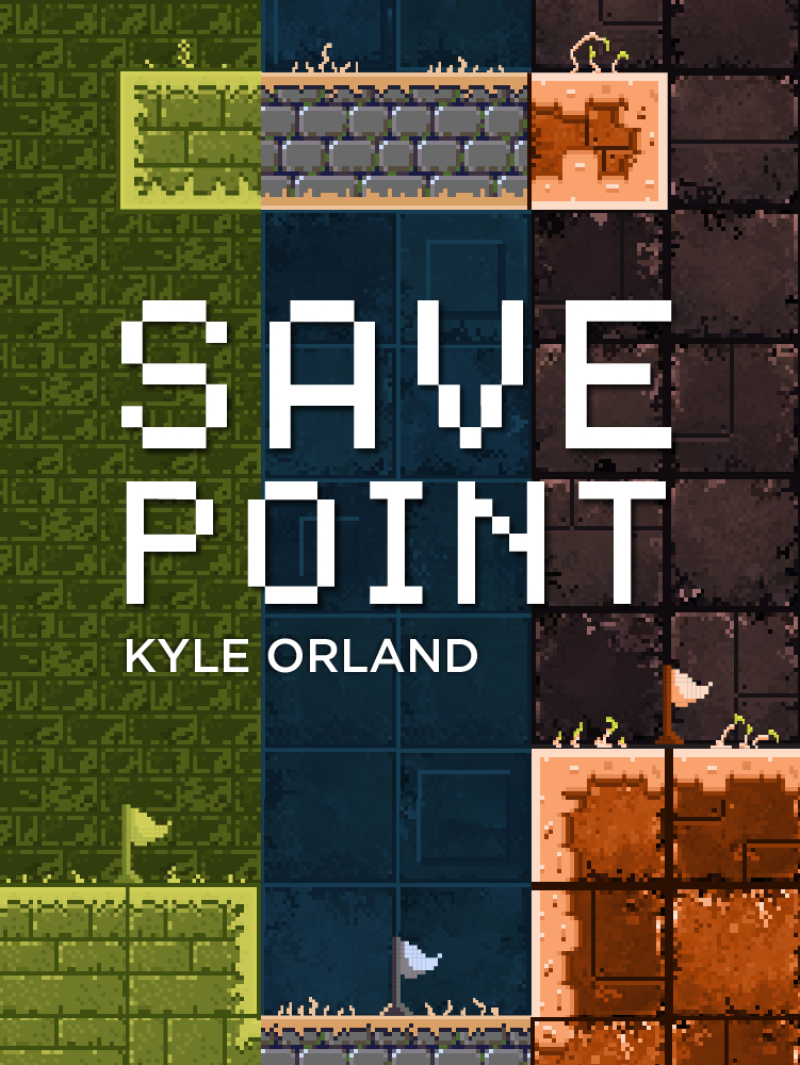
Kyle Orland's The Game Beat is a two-decade collection of his writing on video game journalism, tracing his path from blogger to staff writer while asking fundamental questions about how games should be reviewed, previewed, reported, and covered. The book is organized into analytical, personal, practical, and ethical sections, and it situates its essays against a dramatic transformation of the field: the move from roughly a dozen monthly print magazines in 2004 to a fragmented landscape shaped by YouTube, Twitch, and social platforms. Its arguments center on the need for skepticism toward publisher access and hype, verification of primary sources, and criticism that treats games as crafted works rather than as spec sheets or value propositions.
Among the book's most concrete findings is a case study of EGM's "Quartermann" rumor column, whose 2003 predictions averaged a truth rating of 3.03 on a five-point scale across 88 rumors, indicating that rumors were roughly as likely to be false as true. Coverage analyses reveal that 2007 "most anticipated" lists were dominated by sequels and licensed titles (64 percent), that 31 percent of those picks remained unreleased by early 2008, and that sports games, despite leading sales charts, received comparatively little serious critical attention. Other chapters document the press's record on preview bias, leaks of console hardware, and the influence of review scores and aggregate averages on sales and sequel decisions.
The ethical sections address pressures on journalists, including publisher blackballing, junkets, beta-key giveaways, review copy restrictions, and the Gerstmann firing controversy, which the author treats as the most credible accusation of advertiser influence to that point. Throughout, the book concludes that critics are disadvantaged by publisher control of access and marketing, that industry voices often disagree on whether reviews still drive purchases, and that the economic future of print and the independence of games journalism remain open questions.
Each row is a game or company this document names, each column a document, oldest first. A mark means that document names it. Select a row to see those documents.
ETC Press · 2023

ETC Press · 2022

ETC Press · 2022

ETC Press · 2021
ETC Press · 2021
ETC Press · 2021

ETC Press · 2020


ETC Press · 2020

ETC Press · 2020

ETC Press · 2020
ETC Press · 2020
ETC Press · 2020

Jason Schreier · 2026