1 free read left. Create a free account for unlimited reading + AI research.
Create free account
The Future of Blockchain Gaming
Key insights
7 takeaways- 01Success metrics are evolving to prioritize secondary marketplace activity as a primary driver of economic health, requiring a reevaluation of traditional lifetime value and average revenue per user calculations.
- 02Studios are increasingly acting as investor relations managers, treating players as stakeholders to foster deeper loyalty than traditional gaming models.
- 03Blockchain gaming is transitioning from publisher-controlled monetization to player-owned economies where digital assets provide genuine utility and liquidity.
- 04The convergence of fractionalization, staking, and decentralized finance is expected to establish player-owned digital economies as a permanent pillar of the global gaming market.
- 05Technical barriers to mass adoption, such as high transaction costs and complex user interfaces, are being addressed through mobile expansion and improved infrastructure.
- 06The integration of non-fungible tokens into high-profile intellectual properties is projected to generate over $1 billion in revenue within the next two years.
- 07The industry is shifting from speculative token-based models toward a 'play-and-earn' philosophy that prioritizes product quality, community engagement, and long-term retention.
Ask AI about this video
Transcript
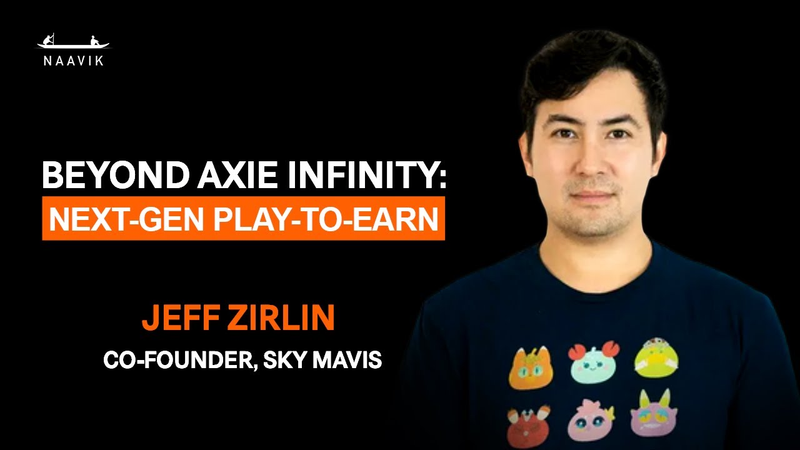
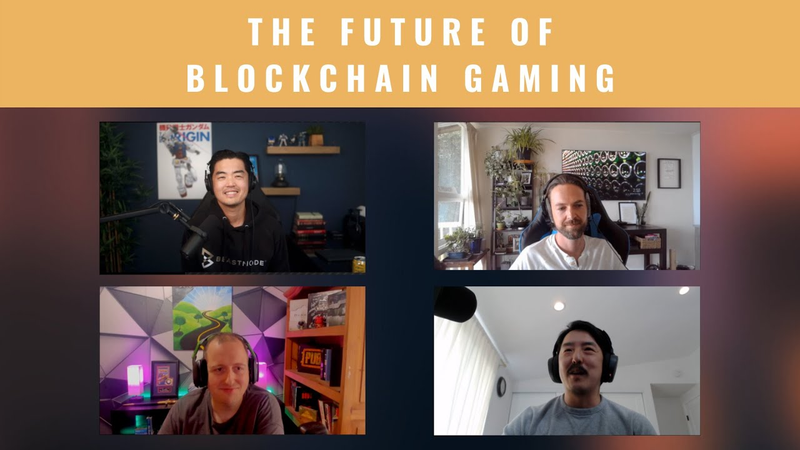
what's up everybody today we are going to be talking about blockchain and crypto applied to gaming so what is the future potential risk to existing free to play monetization success cases you need to be aware of future applications we haven't seen yet and key challenges that need to be overcome now speaking with us on this topic today we have three really great speakers the first is chung on vp of product at mythical games the makers of blanco's block party second brian peganoff who is former senior director of corp dev and strategy at glue mobile and finally mitch zamara lead designer at million on mars this is the game makers podcast we're going deep people so get ready for a really great conversation on the future of blockchain gaming starting right now all right welcome guys so the market for crypto and blockchain and gaming seems
to be getting pretty hot a lot of game industry folks including venture capitalists who think that this is similar to the early days of free to play and so want to get your take on how valid do you guys think that is or not but it does seem like the rumors seem to indicate major initiatives at most of the big gaming companies epic accepted and based upon what i'm hearing also it seems like a lot of the chinese game companies seem to be backing off of crypto not surprising given some of the news that kind of uh was announced last week but wondering if we could start with that in terms of your take in terms of one where are we with respect to the life cycle in terms of blockchain in gaming and what is your outlook and i know mitch you're you're kind of in the midst of this right you're kind of like launching stuff right now so maybe we can start with you mitch sure um to be honest like to me it feels like the pre-boom of social games and free-to-play games back in 2008 like
when mafia wars was just gaining traction you know in 2006 to 8 i worked in korean free-to-play mmos when those were first coming over to the west and and sort of changing the core business model towards live service games that were free back when world of warcraft was was really at the the peak when it was rising to the peak of his game um and then we saw the sort of transition of of social networks boom boom up in myspace and facebook and then all of a sudden those platforms became the new like most biggest opportunity in terms of where a whole new marketplace for market for players have been and we we saw the the rise of those games and how quickly they took over the space but at the same time were criticized were often called scams or a fad and a sort of a passing trend you know by a lot of critics that were were observing the industry and i feel in a lot of ways we're seeing the exact same things today and i have insane deja vu that deja vu is literally why i jumped into this space as fast as i
could because it just validated things i'm just like oh i've heard these things before i remember how wrong they were and i can't not be here now to prove them wrong myself and chung on you recently joined mythical maybe you could speak to you a little bit of about what what i don't know maybe the the mythical perspective or your own perspective or what caused you to get excited and join mythical because i know you just recently joined yeah yeah thanks um i have a lot of similarities i think what mitch is kind of you know bringing up i feel like they're it's there's a new platform there's a new technology and are there interesting applications that can be applied uh to the gaming vertical and you know what could that be and having been in you know free to play now similar right on social canvas to mobile to pc and everything in between i started seeing a lot of value add that can be provided to products leveraging blockchain nft
digital ownership and what that actually means from a player you know ecosystem and so that's really what attracted me to investigate learn more about the technologies the players that are in the space and then ultimately i decided to choose mythical as a company to be employed by because i really like their mission statement ultimately uh which is you know while they're uh while they are a platform blockchain technology company who who's their main customers ultimately they want to service game developers uh you know in leveraging the technology to their benefit and having been serial entrepreneurs game developers producers designers themselves they know the joys and pains of making software for you know millions of players and i think that lens is relatively unique compared to a lot of the other you know you know technology platform companies that are currently in the space right now and so you know if you kind of read in between the lines what does that mean it's uh
you know leveraging that expertise that you know mythical has developed over the years because they've been in it now for several years at this point you know really leading and understanding and failing in certain areas to kind of get to the acumen that they're at now and i think that's a really powerful position when you go speak to uh traditional developers even free-to-play ones that just they don't understand the space right and brian i know you've got an investment banking background but also corp strat most recently at glue in addition to kind of the first two questions i'm also wondering if you could provide a little bit of context in terms of how you think maybe some of the bigger companies should be thinking about this as well yeah that's a good question you know it's funny because when you think about that industry titan level that we're discussing when we're thinking about how these things roll out and those companies have you know anywhere between seven to eight billion dollars in annual revenues like every year and for them to get really excited and engaged about a big idea and put everything behind it they kind of need to see like a one billion dollar revenue opportunity in front of them and especially like if
that maintains like the complexity around involving one of their one of their ips right so like a good example this would be activision over the years with a bungie or a king or a cod mobile and i think you know what we saw in the space like just a couple weeks ago or maybe last week and actually crossing two billion dollars of sales and i think that was you know really important because it validates the use case and the demand case for gaming um and it's a good way to wedge into an early growth market by using ip and i think that's a logical next step for some of these big players but it also involves a lot of complexity for them around regulatory questions um but that being said like most of them are big public companies they have the institutional muscle and legal and accounting to get this kind of work done and i think they're going to be coming to the fruition that like yeah the only way to really set this place on fire is to get one of those big special ips that all of us have been playing for 20 30 plus years right and then maybe the next question i could ask is is really around like nfts in the play to earn model in terms of
you know how much of a risk do we think it poses relative like to the current type of monetization that we're seeing in games today the regular iap based monetization so i guess you know um the question would be you know how much of a risk is it and then there were like some pretty crazy predictions in terms of like how much from an rp perspective nft or play to earn based monetization could get to and just wondering if you guys have any thoughts on that maybe we could go around the same order so maybe starting with you mitch sure uh i can't certainly speculate i have no speculation on what the sort of art dow potential is in that kind of context it's really hard to to say especially in the with the fact that most blockchain and nft things are barely not even allowed on mobile right now i think that that's its own separate discussion about the upcoming platform wars that i think we're going to likely have but from a from a core perspective of like how do you adapt or how does the traditional business models of free to play games move into this new era of play to earn
and nfg and blockchain driven games to me it all feels like a natural extension of what we've already been doing for a really long time um you know i feel like we are marching towards an inevitable trend of the notion of ownership for all of your efforts and your virtual goods that you earn inside of your games i think that people will overall expect that they're going to own the items that they earn inside of their games and have the freedom to do with them as much as they can as possible and i think obviously in the shorter terms we'll we'll see a little bit more centralized or custodial type systems that keep things a little bit more protected and sort of isolated where where information is a little bit more controlled and everything is uh is is managed on the up and up in a way that like you know a company could feel comfortable offering those kind of uh assets and products to their customers and be okay with the necessary impending regulatory changes sort of in the way that like blancos has their own
custodial marketplace for for their their nfts as opposed to having items that you directly buy on openc i think that kind of a approach allows companies to uh sort of build their own little not necessarily say walled garden but their own sort of protected sphere i could very easily expect to see a blizzard nft marketplace or or ea or any of the major players doing the same kind of thing and a lot of existing titles have natural adaptations to what we're already seeing inside of this space um some of the more innovative things will certainly have a harder time for natural fits but we're already very much used to selling limited time driven content in a live service based model the only difference is adding scarcity to them to the mix and which we've also done these kind of things back in the old beginning of social games as well games like mafia wars had a limited number of items you could buy each week or that you could earn inside of their their weekly promotional events these same kind of like scarcity-based things can be applied into the adaptation of where free-to-play games are going
ca yeah so yeah lots of really good points to dive into i mean i think at a high level uh at least in my opinion you know free-to-play games as we understand it with the iap you know inflation-based economies um i largely don't see it going away anytime soon there's a massive massive business that's been you know iterated on and hardened over the last 10 years and do i see that business going away i don't right because you know even from a player's perspective if i'm you know a super engaged fan playing a particular product and have been so for many years you know the change cost of going into a particular product you know especially one that's at least at present filled with the kind of friction that you don't expect to see on a you know traditional free-to-play game it's like night and day right so uh i don't think that there's going to be like this massive tectonic shift that's going to occur but as with a lot of really you know engaged
game players you know who just love playing games for the sake of playing games and finding that fun you're gonna find a lot of you know curious you know players right and we're already starting to see that uh and there's this interplay and like you know venn diagram of users that are going to continue to play free-to-play games as they understand it because that's what they know but there's also going to be that subset that's going to start dipping their toe into crypto enabled games what blockchain means and as that friction layer starts going away i i can see them making the distinction kind of like what mitch was pointing out of hey if i can get the same experience over here you know in a blockchain enabled game where i own those assets and i can do things with them like speculate sell trade and so on and so forth why would i go back to playing a standard traditional free-to-play game that's completely inflationary and i don't really have the throughput that i can have here and i've obviously i'm simplifying all of that but i think that's going to happen but it's going to
be gradual as it relates to you know like the business metrics looking at arp dow and ar ppu and all that stuff what i think is really interesting about the blockchain nft space because of you know the primary store that you have in a game but also the secondary marketplace and not just one secondary marketplace right because eventually over time i can imagine you know nfts not just living on a place like open sea but i can see it living in just about any secondary marketplace economy out there well then you're as like if you're a pm well you're to have to start thinking about what does ar ppu actually mean across that entire spectrum it's not just in your primary game anymore right you also have to think about users that are coming from the other end maybe they're not even opening your game maybe they're just purely speculating on assets that are within your economy and your tokenomics but you have to count them as players too right they're just
playing it from a different angle and then you're gonna have the people that are in between that are doing both how do you calculate for that and ensure you know that quote-unquote ltv is going to be there when you look at the totality holistically of players in your ecosystem i think that is going to create a different lens and how you look at your business and the current crop of games that are super successful right now and we talk about life cycle management merchandising all that other stuff i mean you know the scales of the economy are just it's pretty it's pretty amazing to watch right um so i think that's something really interesting to take a look at and just anecdotally without giving away any like company trade secrets like i know for a fact internally as we started optimizing our product as you would do in standard free to play for retention engagement so on and so forth but also opening up our marketplace more and more because mitch is right like right now you know you can't really trade officially at blank ops on openc but we're looking you know
into avenues of doing things like that but even as we're like opening up our marketplace from like an alpha state to a beta state and inviting more players in we're seeing all types of emergent behavior that you can't get in standard free to play and it's increased all our metrics engagement monetization it's just across the board because now you're giving players a lot more fluidity and choice on what they get to do with their set assets and i think that's just gonna be that's just the tip of the iceberg right so yeah it to me it's also a long it it's not going to be a short-term you know life cycle but we're steadily marching towards i think the inevitable trend of total ownership and what does that mean for businesses in the overall ecosystem yeah that's that's tbd right brian any thoughts yeah i think one of the interesting aspects for me on this is that you know the notion that hardcore gamers have been funding games for you know almost well over a decade now it's really since
the advent of micro transactions and mitch had talked earlier about how uh you know maybe six seven years ago it's controversial that some publishers were including mtx in a you know live operations uh season pass oriented game and then whenever kind of fortnite came in and shook up the industry that stuff kind of became more natural over time people got more comfortable with their top tier ip there's a lot of free-to-play uh ip out there that five years ago you wouldn't think would be it would be free um but that you know the funding in that mechanism where hardcore gamers have been supporting games has been pretty inefficient because 30 percent goes to the app store there's public publisher economics and overhead and you know as a result like players have like a questionable way of returning investment long-term value and like right now we're starting to see that pendulum swing around and you know in this space like new tech is always pointed squarely at gaming first and it's been this way since semiconductors were invented and it's true with ar and vr tech even though it's like has bigger implications for other things but like
the more people i talk to about this space with crypto and nft it's such a logical use case for gaming and that opinion is shared really between developers and hardcore gamers which is like a special relationship that hasn't really gone that direction yet so those studios have a lot of options now and how they're funding and raising capital and approaching their investors and they can use that investment on their own or with the vc community and investor community as as such um but like i think the point that i was that the ca brought up here that was pretty interesting is like these studios almost need an investor relations function now or like uh but it's not like a traditional sense like a publisher with public markets investors like those those investors don't matter like if you have an admit right now or something like that there's a very selective part of the community that you need to get behind you and have invested in that studio and then it's really the onus is on the studio to keep those folks involved and feel like they matter and involved in the process and i think that's that's a mutually exclusive good outcome for both of them in the wrong room
yep i can speak to that personally i i am the investor relations for our players who are investing in what we're building not not necessarily at the corporate level but when the players are actually asking about what we're doing they're grilling me on our white paper they're asking about our tokenomics i have i'm the person that's literally dealing with questions at three in the morning from people all around the world but mr speaker okay guys can mitch just give 30 seconds on his project maybe just help everybody sure i'm happy to explain about it uh so i'm i'm leaning on a game called million on mars land rush and so we're developing a game that is purely built around being browser-based as widely accessible as possible to as many people centered largely around land development crafting resource management and an entirely player owned economy that they themselves are are completely participatory in we don't hold any of the token that we're making available inside of our game it is purely built around an economy of the players themselves that are that are contributing
right and maybe speaking about you know successful blockchain games could you guys like what are the games that the audience here should be aware of in terms of you know obviously everyone's sort of of axi but like other games that that you think that people should be aware of or that are the most successful buy traction or whatever uh i could go first if you want yeah yeah please i would first say that like it's challenging to look at things just under the lens of success because to me it's incredibly early and our actual adoption rates in this space are just at the absolute minute beginnings but to me like it's worthwhile to look at examples of what i think solve a lot of the fundamental use cases or are proving out some of the core pieces required for a game to really grow and succeed so i think that axi is a good example in the generalized sense of like showing a way in which a multiple perspective or sorry a multiple engaged audience can participate where you have these uh
breeders as well as these battlers that play the game and both of them co-exist when this within this ecosystem and i think that there's a lot that could be learned from from seeing how that game functions and as well as its white paper is written uh i'll throw out a couple more quick ones to sort of complement that on the engine marketplace or during the engine ecosystem rather there's a game called lost relics which is an action rpg sort of similar to diablo ii but with roguelike elements i think that game has a has still has a lot of promise it's made by a single developer who's been working on it for multiple years and continues to build and improve on the game and it's it's just incredibly fun and the community behind that game is really really supportive and then on the space side there's uh also an engine there's there's space misfits which is also a space dog fighting game that's that's starting to gain a lot of traction as well okay see or brian any other thoughts on games that we should be aware of yeah i mean um maybe not particular call outs per se but what i think is interesting is if
you take a look at a lot of the games that are in marketplace today whether it's by you know on-chain activity or however way you're measuring what success looks like right um what i think is fascinating is how many different chains are actually on right so like axes you know on their own now with ronin uh you got games like uh uh what is it the one that was on our list uh crypto blades right i think they're on binance finance smart chain yeah yeah right right they're on finance you got you know like the old school guys like upland i think they're on like eosio or something that's right so you're on wax right so what i think is fascinating is there's several products oh and then and then one of my favorites right now that i'm kind of like researching into is like zed run right like i don't know if you guys seen that it's like tron inspired horse racing yeah it's amazing yeah have you seen their twitch channel it's so captivating yeah there's some really fun stuff with those guys i think uh for me the tipping point was when i saw it
in a bar uh and people were streaming it like live streaming people racing in a bar uh and people were just literally there just watching like horse racing like you would with any other sport right um but they're also on um on poly on on on matic right so so many different chains so many different products how do you keep track of all i i mean if you guys have a good solution for that please please dm me after this after this but i think it's just fascinating that there are communities being built around these products and it's the communities that are really driving overall retention economy so on and so forth but it's not like what we're accustomed to in standard free-to-play games where you're expecting to see you know half a million million two million dau coming in through your product and hope hope hoping that a small percentage or sliver of your audience is doing like monetization or whatever it's like almost the inverse of that like you're seeing you know hundreds of thousands of dau right and they're able to generate that much
volume on both sides of the fence to me that's what's fascinating and um that's why it's hard for me to quantify like what's the best what's the most successful right because like you got to really dig deep and take multiple razors to it yeah and while we're talking about different chain technology uh mitch i know we had a conversation offline before about you know the different trade-offs but maybe for our audience could you explain like the the different things that developers need to be aware of or think about when they pick a specific technology whether it's transaction fees or whatever whatever yeah um so for me the the things that i look at and mind you i've i've got a long history of of working still in free-to-play games so i largely took my same original lens of of performance marketing based uh you know acquisition user acquisition and tried to think of like how does this sort of model work in a blockchain environment so to me it's still about the same kind of underlying principles of trying to cast the sort of widest net as possible uh segmenting and targeting your your
your users in a way in which you can uh you know get their attention get them to check out what you're building and then give them an experience in which they can actually play feel fulfilled and stick around for for a while now those things don't always work super well if you're trying to sell something upfront trying to release a token up front trying to do really anything before you actually have a game ready to go so if you're if that's sort of your your uh expected approach i can't necessarily say that everything that i'm going to suggest is going to work perfectly because the reality is is that like everyone should be focusing on having a product before they're trying to do those other things because you're just pumping and front running your your own uh product your own business and i think that it caught there's a lot of risk involved with doing that if your actual delivered uh experience at the end of the day doesn't line up with all the promises that you've made for a long time that said when looking at actual blockchains the things that i evaluate are the obvious things how many how many users actually exist on the entire network and how accessible is it for
someone new to actually get in there create an account create a wallet things like you know things like ethereum and other networks you might be one asking how much does it cost to actually transact and exist on those networks so every single transaction sometimes has a cost associated with it often referred to as gas costs and on ethereum their gas is called gray and an actual basic level of transaction can cost as much as 10 to 12 or as much as hundreds of dollars really depending on what's going on at any given time on the network um and these are on any kind of layer one which is sort of these primary network blockchain networks like ethereum or blockchain uh and such most of these layer one solutions have very high transactional costs just because that's the cost of doing business that's how big those networks are and you're competing to pay for priority against everyone else we're starting to now see interoperability and layer two solutions and other proof of other types of uh state-based blockchains that are beyond just proof of work that are proof of state or proof of authority that offer opportunities to
reduce all of those costs and all those frictions and make those things a lot more accessible for everyone so we on the ethereum side there's immutable there's uh and a whole bunch of other options which i'm just totally drawing a blank for uh you know there's other networks like solana wax has its own uh approach which is built around low friction and to me like the other final component of course is the marketplace and it's it's something that is incredibly critical and it's i think the one thing that many developers are not spending enough attention looking at which is the actual available place to buy and sell nfts that exist for those users on that chain assuming you're not building one yourself to me like if if you're looking to hit the ground running fast if you're looking to get out of the gate then you should ideally try to find a blockchain that has a mature marketplace with a lot of active customers that are looking to purchase things and that whatever price points you're looking to list and have your items at actually fit within the buying uh price ranges that that marketplace is accustomed to so selling 20 nfts on
openc is not practical because it's 50 to 60 for most transaction fees so you're going to be charging more fees than those items are even worth and it's it's not not a reliable fit even though making a metamask wallet is relatively okay once you get comfortable with the way that the design is working right and then brian just to follow up with you in terms of some of the companies that you think we should be aware of did you have any other blockchain gaming companies that you think we should know about yeah i think we you know we chatted with about cryptoblades and alienworlds and upland uh splinter lens of course axes the one that everyone's talking about right now um i really do like this segment where you have like a like land and mitch is talking about this right now but rarity of actual land and a physical escape for for the game so i think like the manas of the world and sandboxes are intriguing and you can see they're starting to pull in new users through partnerships with you know people like snoop dogg and things like that so that the space is definitely getting healthy around how you attract more users inorganically organically
however it may be you know the part that i'm most focused on right now is really the inception of how these studios are being formed and kind of where they come from and you know that diligence loop that i referred to earlier were you know gamers and collectors or nft investors or whatever doing their own diligence loops and you know it's like on one hand i definitely have the experience like the sophistication that that brings in like a banking context or like a publisher context and it's certainly not that but it is like quick and efficient and clean and it seems like it's it's uh the bar is definitely there um and i think folks are generally trying to be more cognizant about what kind of things they're investing in not just buying nfts really nearly this this notion of utility is creeping in like what does this get me besides a picture and uh you know it reminds me of just like the classic free-to-play model that uh you know mitch and chong were talking about all the first part of this this chat um it's a really interesting time in gaming and i think that this again studios just have a lot of options and i
think there's gonna be a lot of creativity coming out of this cycle right and maybe we can now kind of shift and talk a little bit more about applications in terms of gaming like how do you apply blockchain technology in specific ways to a game and so there's some notion of like having on-chain game items which can then be transacted on an open marketplace there's a notion of land sales i think that's what your you guys are doing on million on mars mitch uh there's you know the potential concept of using social tokens or having uh some form of dao but like could you guys talk about the other applications that we may not be aware of or that may be coming up or emerging that you expect to see in blockchain games in in the near future or the later future and maybe starting with you mitch sure yeah um so i think there's there's a lot of you know the the fundamentals we've largely already discussed and largely center around
um a higher level notion of like owning what you you earn and have inside of a game but i think that it's worth calling out a really important distinction which is that this notion of like ownership and property rights that we we just infer as like the inevitable sort of direction that we're moving towards is actually a right that's not available to about 80 percent of the world the actual rights to owning property and land your assets any of these things don't exist for billions of people around the world and to me blockchains and nfts and and play to earn games that to an extent as well actually represent the start of a real revolution that's going to be happening in the future in which we actually enable people to have ownership rights for these assets that those things can then be used as a fundamental underpinning for real financial institutions that need to be built inside of those countries so that people can take their nfts they can get collateralized loans they can have opportunities for things like fractionalization lending renting trading like all the things that are required for a actual thriving uh
capitalist type society and to allow these these people to move from traditional mercantilism into an actual like modern modern capitalist society and to me this this financial sort of opportunity is is going to transform the world and i feel that the the real sort of part of this this sort of emerging space that almost no one is talking about is that to me that is the blue ocean that's that's coming that is that is the biggest market opportunity that no one is paying attention to and i and i want like and to me like everyone should be going after it because like they are there's over there's probably easily billion people that no one is paying attention to about this market yeah i think that's a really interesting point mitch to which is like and you know i asked you guys a question before about what is the potential risk of blockchain to like monetization but i think this point that you're making mitch about actually the the notion of ownership that maybe for a large part of the world playing a game and owning an nft or some type of digital item is their stock
market right is is like this is kind of how they actually that's a super interesting point and so from that perspective it might be more the engagement model and the the point that you guys are underscoring the ownership issue which which is like the real big impact of blockchain and gaming but ca what do you think yeah i i largely agree with that sentiment um you know at the end of the day i think we've been all talking about it it's the ability to own a digital asset like it's mine you know and if your asset becomes of a certain value so if you're you know some of the lucky few that got into let's say crypto punks early on or you got a board aid you know look at the value of those assets and the collateralization that can occur i think that's super interesting right which is i think partly one of the reasons why like actually has taken off the way that it has but then um again like i you know just for the sake of the audience you know when we talk about things like fractionalization i think we're just at the start of doing that right so if you have an asset that you
can now digitally fractionalize and so you now split let's say said crypto punk into a hundred different pieces so that now a hundred people can own a piece or a chunk of that particular asset class that then also has some type of you know inherent value behind it that becomes really powerful right so then there's a variety of different i think modalities that will get created as this market becomes more mature um and you know and then that's not even talking about you know certain things that are already happening around staking uh you know your particular assets with various tokens and you know currencies that are out there creating liquidity pools you know having various yield strategies with apy like i know that i know this is kind of going more into like the banking financing side but the fact that you can do that with digital assets i think that's what's really fascinating and oh by the way uh this is a game and you should be having fun and to me like and this is just my own personal uh i guess uh
i don't know piccadilla or something but i don't like that you know term play to earn to be completely honest at least at least not the you know the angle that i'm coming from which i think you know the guys you guys will also agree with like to me it's play and earn right like you at least in my pov and i think what mythical is trying to do is like we're looking at it from like you have to have a fun game first and foremost full stop it has to be fun and then from there because of the inherent nature of having nfts and digital ownership you have that earned component but it's not the primary thing that's driving you which i don't think is always the case with some of the other products in marketplace but that's the topic for another time but all of those different things i think really lends itself to really interesting business cases that we're barely scratching the surface at and i think that's what's really powerful about it right one of the things that really shocked me over the past couple weeks that kind of flew under the radar was this uh twitter fully embracing bitcoin as like a
tipping mechanism and like in that it's just it seemed like it was kind of quiet for what it was and if you think about that twitter's like you know 300 million now it's like it's massive um and the more you guys talk about securitization of things i start to get like sweats about my old career in wall street when i moved into mobile gaming it already reminded me of the equities market in general how like the genres fluctuate in certain like growth industries erupt out of anywhere but now the further i get into this space with you know nfts and blockchain it's like each one of these games is their own separate economy and people care about the secondary market uh there's still like supply and demand vectors there's market making there's like rarities and things like that uh it's it's just it's surprising to me how sophisticated it has gotten in such a short period of time and perhaps it's a product of people having like nothing better to do in the past couple years but it seems like there's been a lot of acceleration on this stuff in gaming and it just makes you make a lot of logical sense now to answer your question directly uh i do
think there's some abilities for this to like expand further into gaming beyond just a content perspective think about like viewership on twitch and things like that um how people are sharing and creating gaming moments inside of games esports tournaments i think that those are also things where you know some of the bigger publishers can get involved with their tournaments and things like that um yeah that would be the ones that i think we're probably not thinking right away apart from content okay you know i had a conversation with a certain game company ceo one of the reasons why he was so excited about crypto in gaming is because he's like it's so hard like it's so difficult to set up a wallet do all this stuff and despite terrible ui despite like a terrible kind of user experience people are going whole hog in into into like nfts and things like that and so when when you guys think about like some of the remaining challenges for wider spread adoption by just more of the general public more people so that you know
crypto and gaming becomes much much wider spread what do you guys think are some of these key challenges that need to be addressed maybe starting with you again mitch sure uh there's where where to begin there they know the list literally never ends and like i talked about a few of these things in terms of like when evaluating a blockchain you might put your your product on from the the consumer side of things the friction is an even greater challenge than it is from a development perspective because you have like you have to not only uh implement a solution that is viable to some extent that maybe is legally compliant i don't really know depending on your on what you're doing but what's more challenging you have to also educate all of your players how to get completely involved into the ecosystem that you're attached to so and that's in many ways teaching them how to make a wallet on the platform you're on which is not your brand how to go set up and move tokens or specific currencies into that wallet which again is on an exchange that's not your brand in a currency or a token that's not yours as
well then to actually get and connect that to your account get it into the game like all these things are like hurdles and gaps that people fall off on uh and then on top of that it's all the other things like like wallet management seed phrasing gas fees transaction failures gas wars token matching where you've got differences between bep tokens erc20 tokens and and up 20 tokens and there's all the things like liquidity pooling and permanent loss like all this there's just it never ends and like that's why if you ask most people they've been in the blockchain or crypto scene for any amount of time how well they sleep they probably don't because there's just a never-ending amount of things that you have to keep learning every single day and as the phrase goes crypto never sleeps see yeah i mean i think i think mitch nailed a lot of the a lot of the friction points that's top of mind for people in the space right now right there's a lot there's a lot i think it's getting better to some degree i think there's a lot of really interesting you know technology
companies out there that are solving for these problems and so while the i mean to take a step back i mean i think it's what you said earlier you know there's there's all this friction but there's all these people diving in and learning and overcoming the hurdles to get into the thing right i think that in itself is a massive signal right if if you know early adopters are willing to go through landmines and crawling through barbed wire to essentially get to the promise of a particular you know game outcome what have you um i think those problems will largely get solved as they typically do within our space right so i'm not as concerned about that and so education if i were to bucket everything that mitch said education absolutely critical right which is why i think a lot of companies are also you know very transparent about the way that they you know talk about their projects writing white papers it's almost you know opposite of what you would see with the traditional game right where developers are busy in their studio making all these things and then
i don't know a year or two later they finally come out with the first look it's almost the opposite of that right so putting education aside as yes that's a thing that needs to happen the other kind of friction point i think is trust because there's so many different studios that are coming up and talking about this token that token this chain that chain you know on-ramp off-ramp whatever it really comes down to trust because ultimately at the end of the day when you do let's say an online transaction you're putting in your credit card information into a thing and expecting something to get delivered to your house most people probably can't even explain to you what the protocol for that actually is the technical implementation of how to get that done why because at the end of the day you trust something with you know i don't know whether it's a visa logo or the amazon brand or wherever you shop at there's a certain implicit trust that comes along with that and we're not quite there yet so in addition to the education piece i think it's absolutely critical that the companies that are currently at the forefront trying to solve for these problems they have to build up that level of trust and i think
transparency and education is one one of those vectors but i'm sure there's others that i'm missing as well but i think that's also a very critical pillar i think uh mitch and chung just nailed like almost everything that i could possibly think of the only two things i would add would be um the first would be shifting from um pc to everything else and it's just it's kind of an odd thing because the kind of revolution is happening on pc for a change uh in the notion that consumers don't really own the software layer of their phone so like apple and google have a have a big question in their minds right now about how big this market is and how much they want to spur that development on mobile but you know once it's mobile your your audience already gets four to five times larger overnight and the distribution is such also gets a lot easier right yeah i think that's a really good point right so i think it's just a matter of when uh there's there's no way that you know companies like apple and google are not looking at the space you know intently uh i mean you know you already have like
massive companies like the microsoft and amazons of the world that's already you know forked ethereum you know and created their own branch because they're testing they're iterating they're trying to have a pov yeah so i agree with brian you know there there's gonna come a point in time where it's going to be on every platform that we can think of especially mobile and then what does it do to the overall kind of like landscape yeah it's going to be pretty transformative right and you know it's been really great to see a lot of innovation in this space like different types of products and things coming but i was wondering if you guys could speculate in terms of what do you think is coming next in terms of new types of games or new kinds of experiences if you were to speculate on something else coming up you know what what do you guys think mitch i think i know i took a deep breath no uh i i think i think we i think we'll see i think we'll see a game played by a billion people
not i don't know how long it's going to take but i think that or or very very close to a billion people i think we're going to completely redefine the order of magnitude in which people participate and consume within games how long it takes us to get there i'm not entirely certain but i i feel i feel very very strongly that the the whole world is going to be participating in a lot of ways in this in these evolving experiences okay see yeah i mean i'm just trying to like chew on what mitch just said it's it's it's interesting um yeah i guess my perspective on it is um maybe i'm not as optimistic and or at least my pov isn't in that in that regard i almost see it as like the other way around where a lot of a lot of the time free to play products require a massive massive amounts of you know players to come through just because of the churn factor
right i almost feel like you know we're going to find ecosystems of players um that may get pretty large don't get me wrong like some games will get up to probably like you know a million two million dow at some point but i actually think it's gonna be sub million uh really engaged users but the game studios are gonna come out with various ways for those players to engage in so i think we we've seen a lot of that with uh you know games that have like say twitch integration right so you know what are they trying to cater to hey i'm a pro i'm really good at this game uh maybe you're not so good but you can aspire to be good by watching me play or you're just watching because like you're kind of like living through this particular pro but because of things like social tokens because of scarcity and because of other avenues to potentially be part of that ecosystem and not necessarily the person that's you know the really good twitch player i think new business lines are going to get created right i think there's going
to be different ways to engage with the game that we haven't necessarily thought through all of it yet because we're you know again at the very forefront of this trying to figure it out and i think similar to like the secondary marketplace versus a primary game player similar to that model where you're seeing various player archetypes coming in but never really engaging with the game and vice versa per se i think there's gonna be other lines of that play that we're gonna see almost like um like in hunger games like the movie where i maybe i support a person i'm able to literally airdrop you know like items two said players and i'm involved in that way maybe it's anonymous not well you actually have the ability to do that now right because air dropping is actually a technique right and so i don't want to ramble on but my point is i think there's going to be various ways that we're going to see new experiences coming up because of scarcity because of assets and so on and so forth and that's going to potentially widen the pool and maybe change the way
that we define what a gamer is right what a participant is you know within the economy yeah this is predictions i would say that you know i would expect one of the industry heavyweights to put nfts behind one of their larger ips and then i think we're going to have like a 6 to 12 month arms race on like pre-sale numbers and kind of likening back to the old days of how many units did this game do and how many units did this game do and i think that some of those numbers frankly for the right ip could get shocking like i think we'll get a 100 million dollar first and i think it'll be a billion dollars before 24 months is over i just want to use that one billion that mitch said in some other way yeah and maybe we could like expand upon that a little bit further in terms of the large publishers and what their potential next move could be and certainly you can imagine something like a hearthstone you know the natural fit of nfts and in
crypto to that kind of a game but like do you guys have any other ideas in terms of how the big publishers might leverage nft and crypto for whether it's specific ip or in in certain ways and maybe brian we could start with you since you you brought it up we'll go from the left uh this is actually kind of like talking mitch's book to some degree i think the biggest potential in the space right now has that kind of sandbox feel to it but it has like a traditional big ip attached to it like mmos mmorpgs uh the notion that you would own a house unless you say azeroth or whatever um and you know have a clan with with an economic base and like tithing and all this other stuff i think that that would just be massive uh but it has to be like a complex quality game uh a lot of the interpretations we're seeing now in the space whether the axi or whatever like hats off for those guys is like the extreme innovators on the financial side the tech side like everything that they've done has carved a path for so many other studios out there but i think someone's gonna knock it out of the park either at a publisher
or you know a developer that could actually like this is the kind of tech cycling gaming that can give birth to new ip that can be around for the next 30 years and yeah it's it's usually early in the cycle too okay uh ca yeah i mean i agree with everything that brian brian just said um you know i think the the power of the traditional publishers particularly ones that own really iconic ips it it has power right like you know it already has a formed community that has certain expectations but as players evolve with you know different core loops and meta games that occur you know they're also looking for you know different ways of playing the games and that brands that they love so could i see a aaa publisher you know let's say i'm just going to make this up but let's say you know like call of duty decides to do a nft blockchain enabled product and bring that to market is that going to create innovation to continue to cater to their massive fan base and just
keep it going along absolutely i think that's going to happen i think the question is who's going to be the first one to do it right right i think that's the biggest question and i think it's going to be interesting to see who does it and i guess the second part of that is as the bigger brands the bigger publishers the bigger ips come to market to what extent is it going to be a one-to-one to the current experience that players have now because back to mitch's point earlier around you know this does you know kind of feel like the the early days of social and free to play where you know games on facebook social campus i mean let's be honest those games were not you know aaa quality high fidelity products right but from a you know a systems design game design perspective they were pretty solid right like the complexity and depth of those products were there just you know from a client-facing perspective maybe it wasn't so maybe we'll see that renaissance as well where the complexity of the product because of the audience that's attracted to nfts right now it's
leaning more towards that making sure that there's depth and reach and then as with all you know technology and platform cycles you're going to see that graphical fidelity kind of catch up to more modern sensibilities especially as we smooth out some of the the the friction points that we had talked about earlier uh but at that point who knows it may be at that point it's super mature right similar to free to play so yeah i agree with a lot of what brian said mitch well i don't know what else to say you guys covered a lot of really good points um i guess uh the i guess the thing the thing that sort of stuck out to me um about this is i feel like we're it is it is still incredibly early on on all of the things that we're doing and it is it's a big there's a big unknown in terms of like how players will gravitate towards these experiences how much they will invest inside of these these experiences but there are some small observations that i've seen that are truly unique to this
this this uh entire space one of them that i would call out is i i feel that people that click into the notion of play to earn or block chain games like it flips a switch in their brain that doesn't go back i i would strongly encourage anyone that's making these games or talk with players that play them and ask them if they want to go back and play red dead redemption or any of those other games i've almost never rarely have ever talked to anyone who actually goes back and actively plays games once they start to get into this space to me that's the real like sign of a complete like turning point in this in this entire industry and the birth of a real new paradigm got it so you know those are all the questions that i have so maybe we could end with like if you guys could talk about how if anyone's interested how could they could get in touch with you and if you have one last message or word of advice for our audience and starting with you mitch sure i'm pretty easy to reach i'm on on all the major socials on linkedin
you can check out our website at milliononmars.io or you can go to milliononmars.com discord if you want to come chat with us directly we're working on a lot of really cool stuff okay yeah for me uh you can find me at chong at mythical.games feel free to shoot me an email happy to chat i'm also on all the major social media channels although to be completely honest i probably only check linkedin so you guys can find me there um i guess like one i guess one thing is you know like i know there's a lot of people talking about you know things in the space but if you're curious there's tons of literature go read it right like it's surprising again kind of going back to this idea around transparency there's so much literature out there go read that stuff first see if it resonates and then if you do there's tons of people that would walk you through it because i think um at least for one of the few times in my career it's very inclusive right like when i have questions because i i i will be the first one to raise my
hand and say i'm not an expert but i'm trying to become one and there's a lot of people that are willing to help so be curious go read reach out you know help help build a community and we can build something awesome together right right yeah if you need to get in touch lengthens easiest um and just to kind of close on with elaborating what changes said i think that this truly is a time when the middleman is caught out and if you are finding something that gets interesting in the nft space online i would just really encourage you to reach out the team behind it and get on a discord talk to everybody talk to people that are buying things and selling things and uh the diligence loop is early but uh you know the folks that are really gonna shine through are the ones that are hitting milestones the ones that are keeping in touch with their base and keeping them excited and also just launching a really cool product thanks for the thanks for the time joe yeah no thank you guys thanks for a great discussion and for our audience catch y'all next time bye everybody bye everybody
[Music] [Music] you
Summary
Blockchain gaming represents a fundamental paradigm shift in the digital entertainment landscape, mirroring the early developmental stages of the free-to-play and social gaming eras. By transitioning from traditional, publisher-controlled monetization to player-owned economies, the industry is evolving toward a model where digital assets provide genuine utility and fluidity. This shift necessitates a reevaluation of core performance metrics, such as lifetime value and average revenue per user, as secondary marketplace activity becomes a primary driver of economic health. While major publishers remain cautious due to regulatory uncertainty and the need for proven revenue models, the integration of blockchain technology is expected to redefine player archetypes and engagement strategies on a global scale.
The sector is currently moving away from speculative token-based models toward a "play-and-earn" philosophy that prioritizes product quality, community engagement, and long-term retention. This evolution addresses significant technical and user-experience hurdles, including high transaction costs and complex interfaces, which have historically limited mass adoption. As these friction points are resolved through mobile expansion and improved infrastructure, blockchain gaming is poised to offer property rights and financial inclusion to a broader demographic. By treating players as stakeholders in a digital economy, studios are effectively assuming the role of investor relations managers, fostering deeper loyalty than traditional gaming models allow.
Projections indicate that the integration of non-fungible tokens into high-profile intellectual properties will likely trigger a competitive surge, potentially generating over $1 billion in revenue within the next two years. This transition toward complex, player-owned economies—reminiscent of sophisticated MMORPG structures—suggests that once users experience the benefits of true digital ownership and financial agency, they are unlikely to return to traditional, non-blockchain gaming environments. As the industry matures, the convergence of fractionalization, staking, and decentralized finance will solidify these digital economies as a permanent and transformative pillar of the global gaming market.