
The 2025 growth landscape for mobile applications underwent a fundamental transition from isolated, tactical execution to a more cohesive, systemic approach. The primary thesis posits that successful organizations in 2025 achieved market leadership by aligning product development, brand positioning, distribution channels, and monetization strategies into a unified operational framework. This shift marks a departure from the previous reliance on singular growth hacks, emphasizing instead the integration of complex, multi-layered systems.
Key industry developments throughout 2025 highlight this evolution. AppLovin’s strategic pivot away from internal gaming studios toward a broader, data-driven advertising platform served as a major catalyst for growth, resulting in a 108% increase in stock value. Simultaneously, brand-to-game collaborations matured from one-off promotional events into long-term, integrated content engines. Furthermore, the industry saw a significant, under-reported rise in web-to-app and direct-to-consumer (D2C) strategies, with major gaming entities now generating 30% to 40% of their revenue through these channels, effectively bypassing traditional app store data visibility.
Technological advancements, particularly in artificial intelligence, have drastically increased the volume of creative production, with teams now routinely testing over 1,000 assets per month. However, the analysis notes that this surge in output often lacks the necessary alignment with custom product pages, leaving potential performance gains unrealized. While alternative distribution methods, such as the Epic Games Store and Apple’s dedicated games app, have begun to emerge, their impact remains foundational rather than transformative. Ultimately, the industry is moving toward a model where growth is defined by the ability to orchestrate interconnected systems, prioritizing strategic coherence over the optimization of individual channels.

Neo Ads · 2026

Neo Ads · 2026

Neo Ads · 2026
Neo Ads · 2026

Neo Ads · 2026

Neo Ads · 2026
Neo Ads · 2026

Neo Ads · 2026

Neo Ads · 2026
Neo Ads · 2026

Neo Ads · 2026

Neo Ads · 2026

Almedia · 2026

GamingReport · 2025
Liftoff · 2024
Tenjin · 2022

InvestGame

Gamesforum
Gamesight · 2026
Sensor Tower · 2026
Modern Times Group · 2026
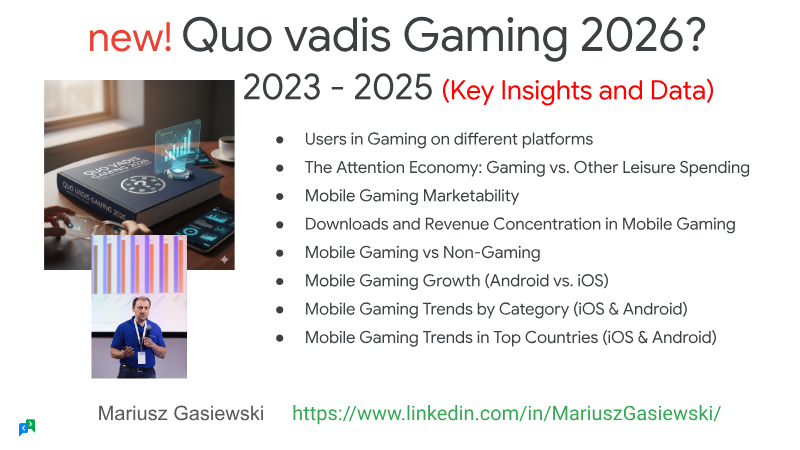
InvestGame · 2026
Unity · 2025

AppsFlyer · 2025