More from University of Alberta
View allArticle
Popular Pornographic Games on Steam
Södertörn University · 2026
Whitepaper
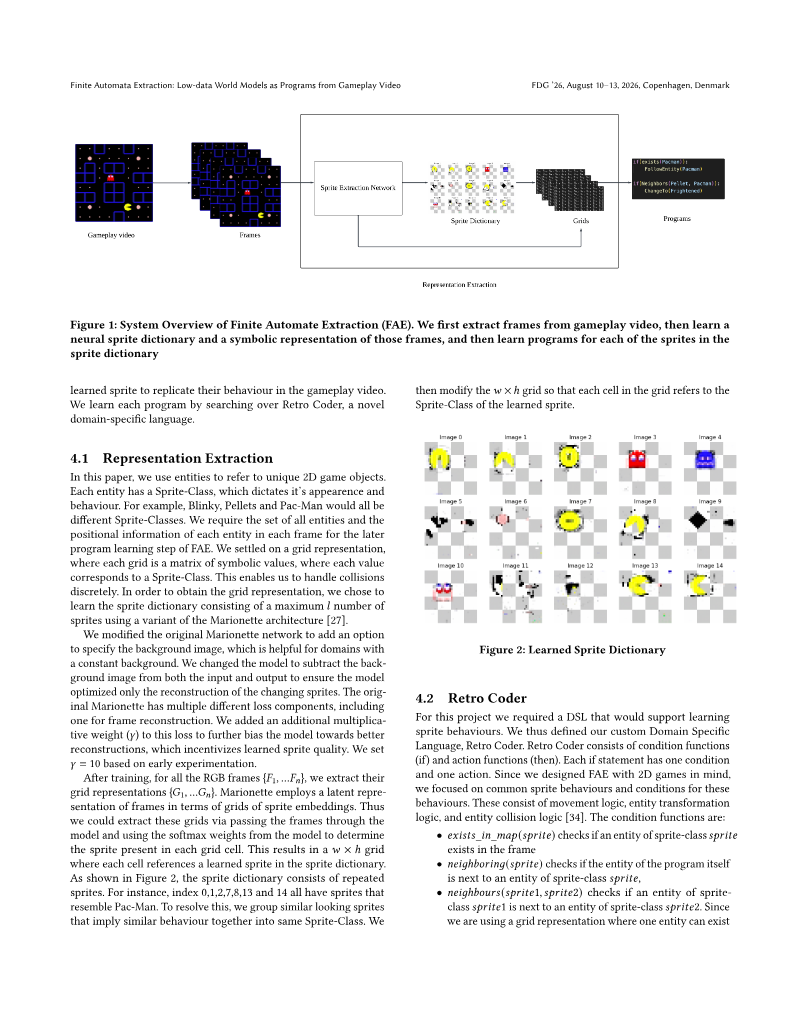
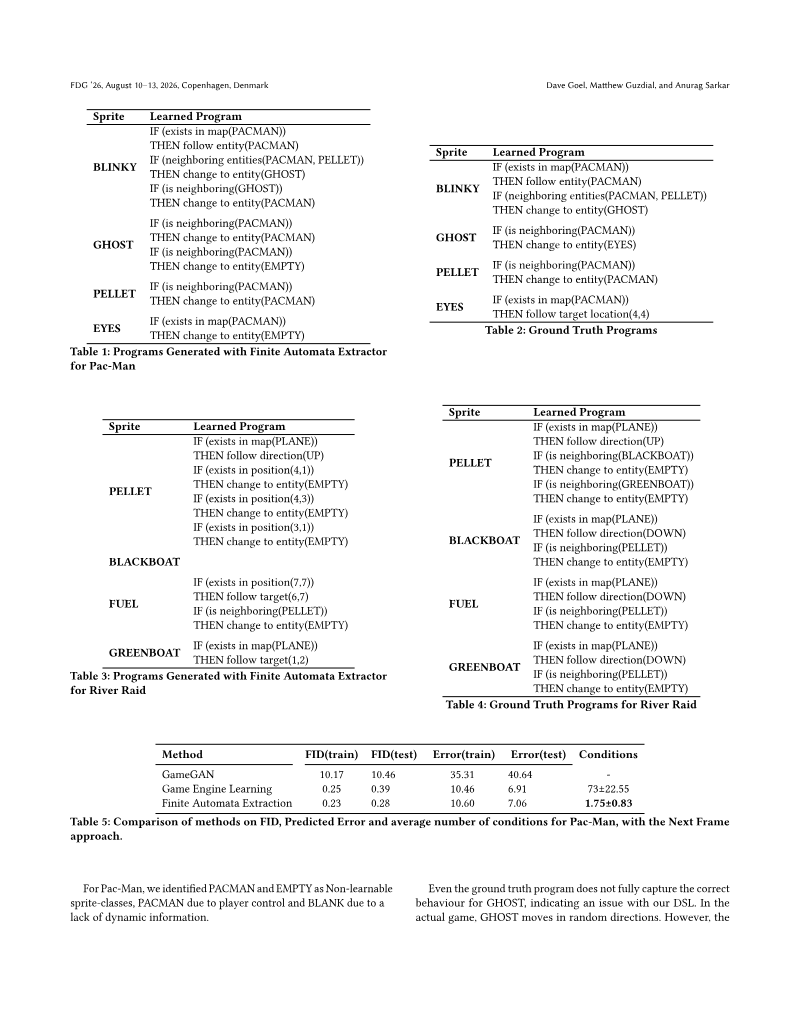
Finite Automata Extraction: Low-data World Models as Programs from Gameplay Video
Alberta Machine Intelligence Institute · 2026
Whitepaper
Playable Folklore: Digital Games and the Representation of Folklore and Cultural Heritage
University of Malta · 2026
Whitepaper
Environmental Storytelling and Active Spectatorship in Walking Simulators and Exploration Theatre
DiGRA · 2025
Whitepaper
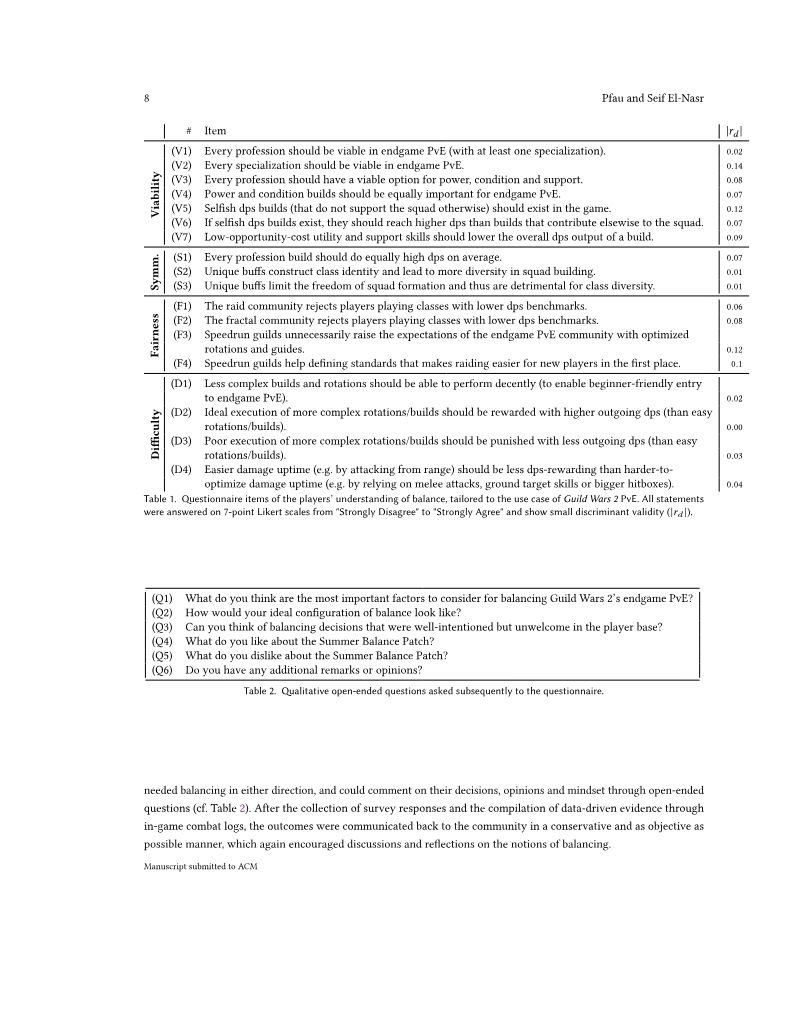
Designing Doable and Locally-adapted Action Cards for an Interactive Tabletop Game
University of California Santa Cruz · 2025
Whitepaper
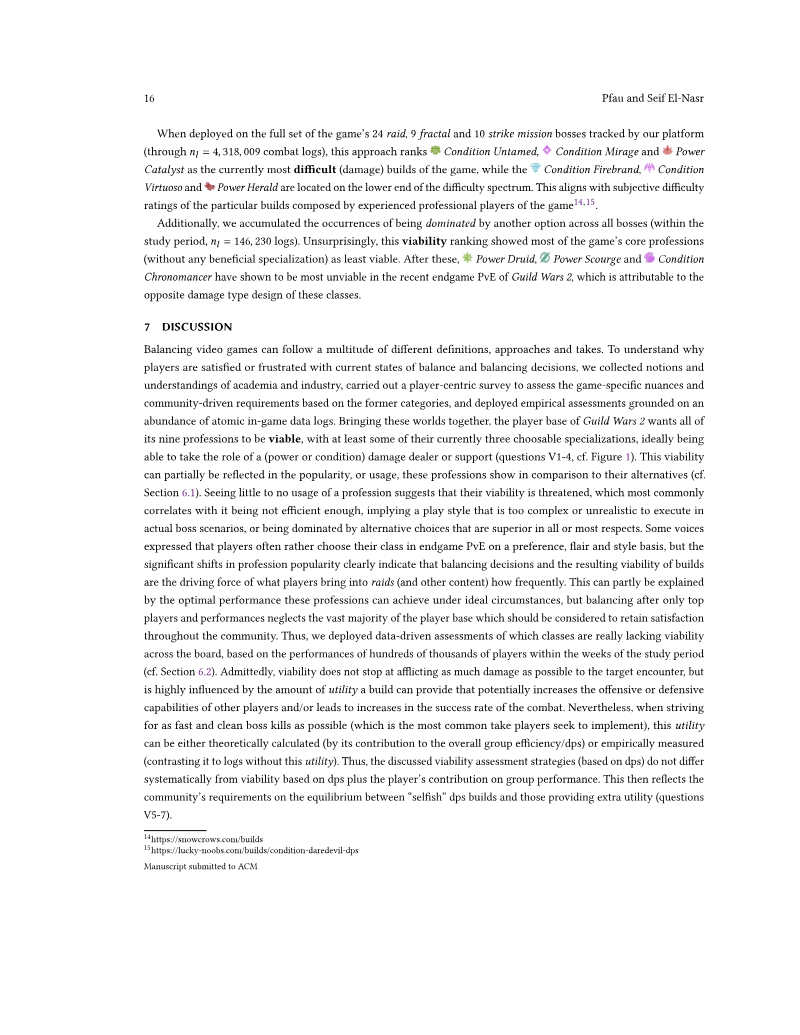
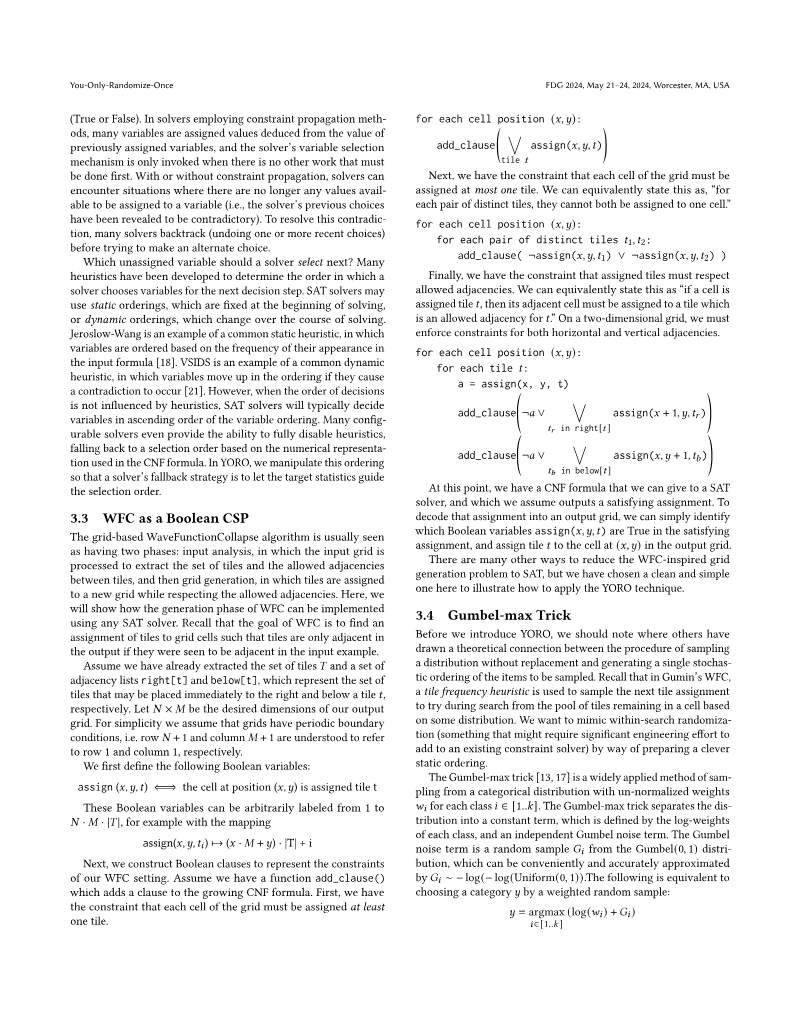
On Video Game Balancing: Joining Player- and Data-Driven Analytics
University of California Santa Cruz · 2024
Whitepaper
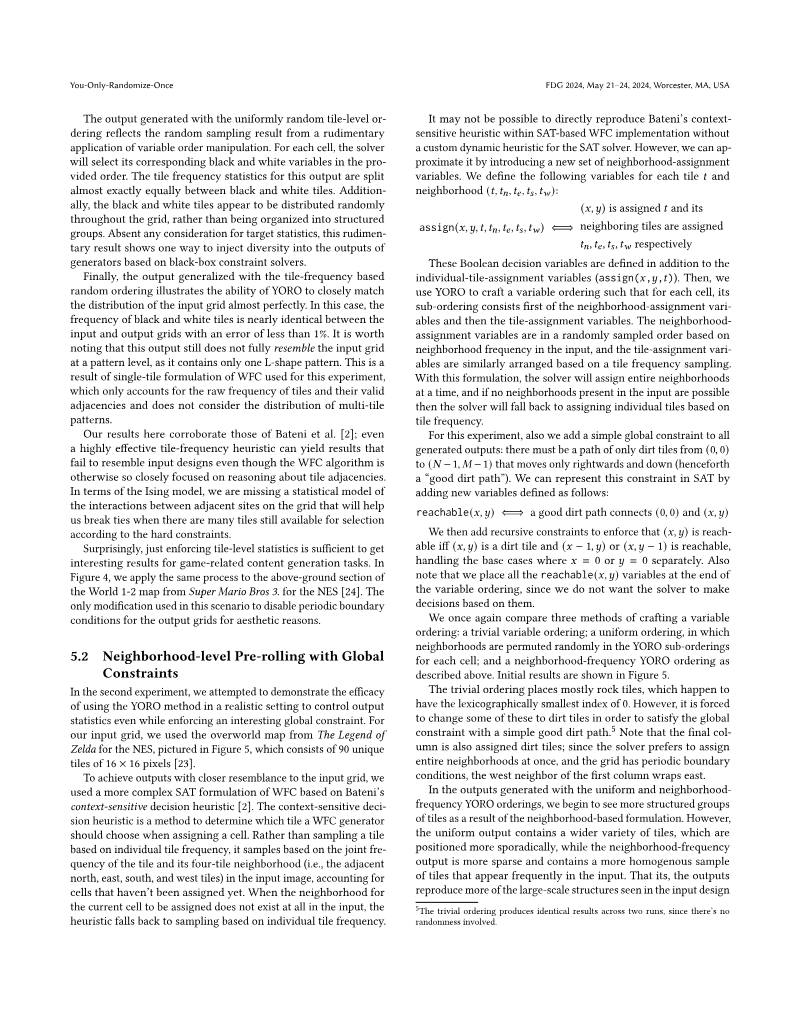
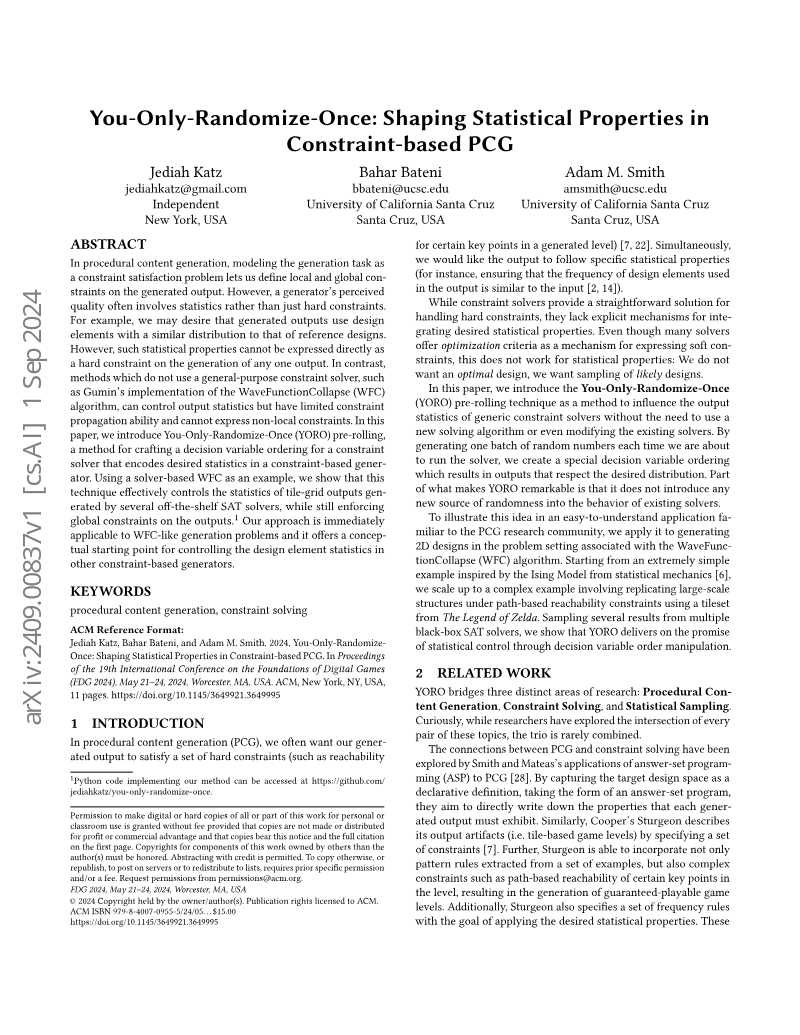
You Only Randomize Once: Shaping Statistical Properties in Constraint-based PCG
University of California Santa Cruz · 2024
Whitepaper
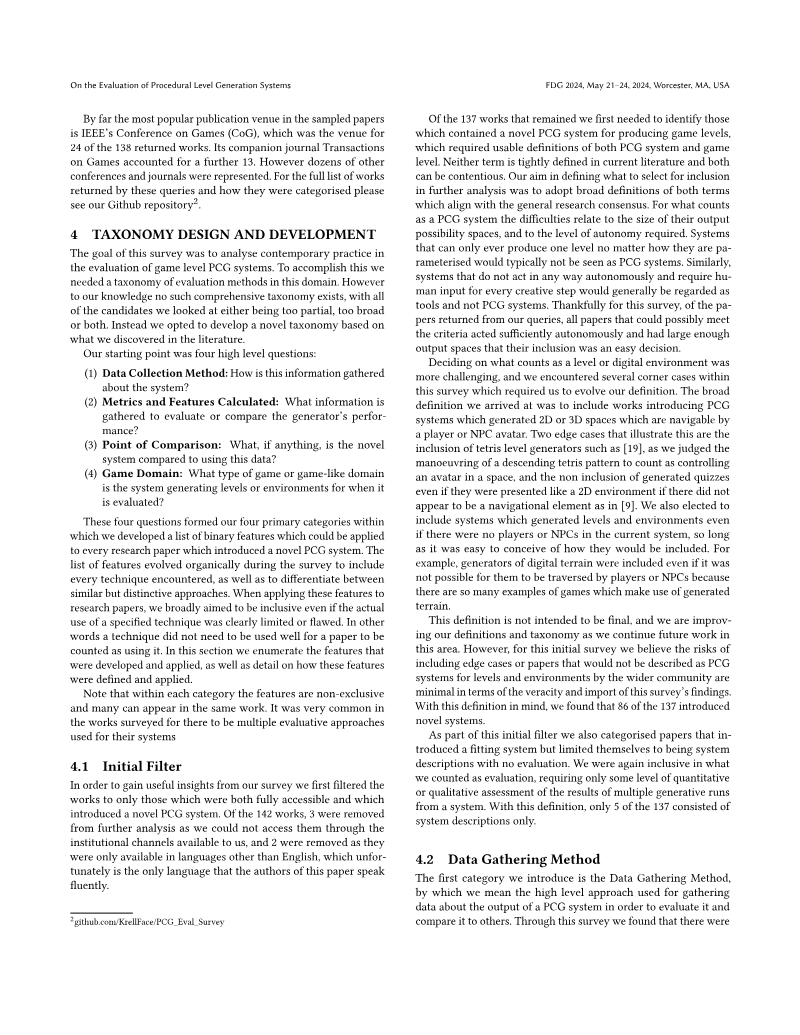
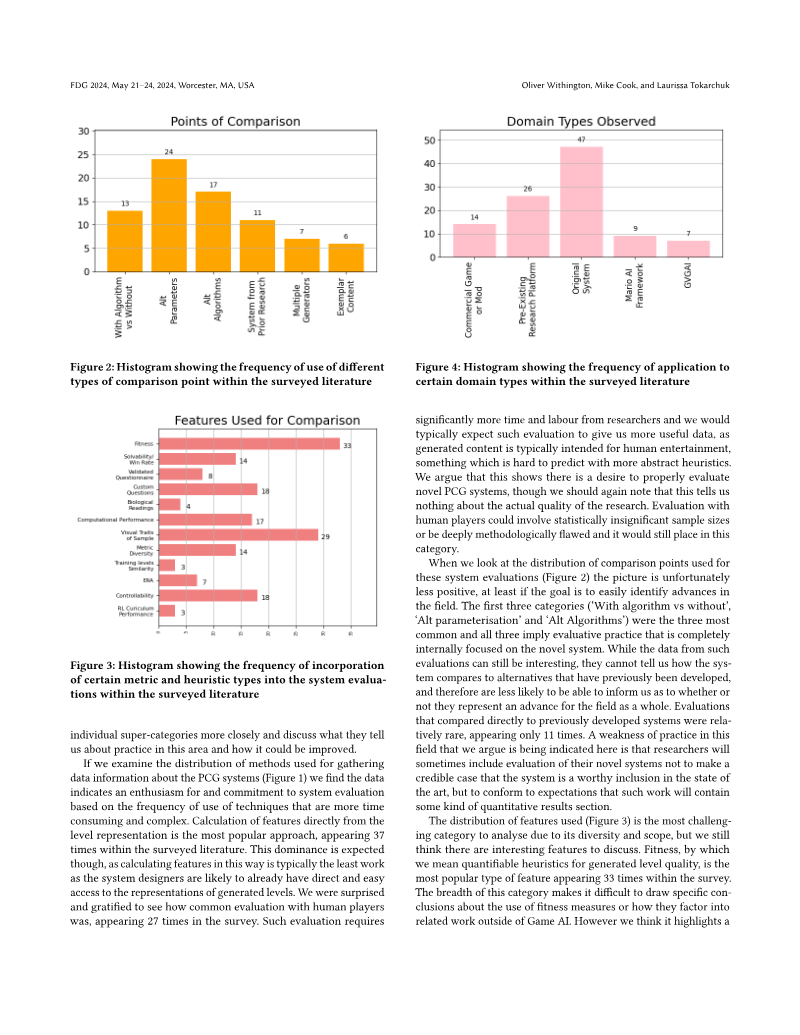
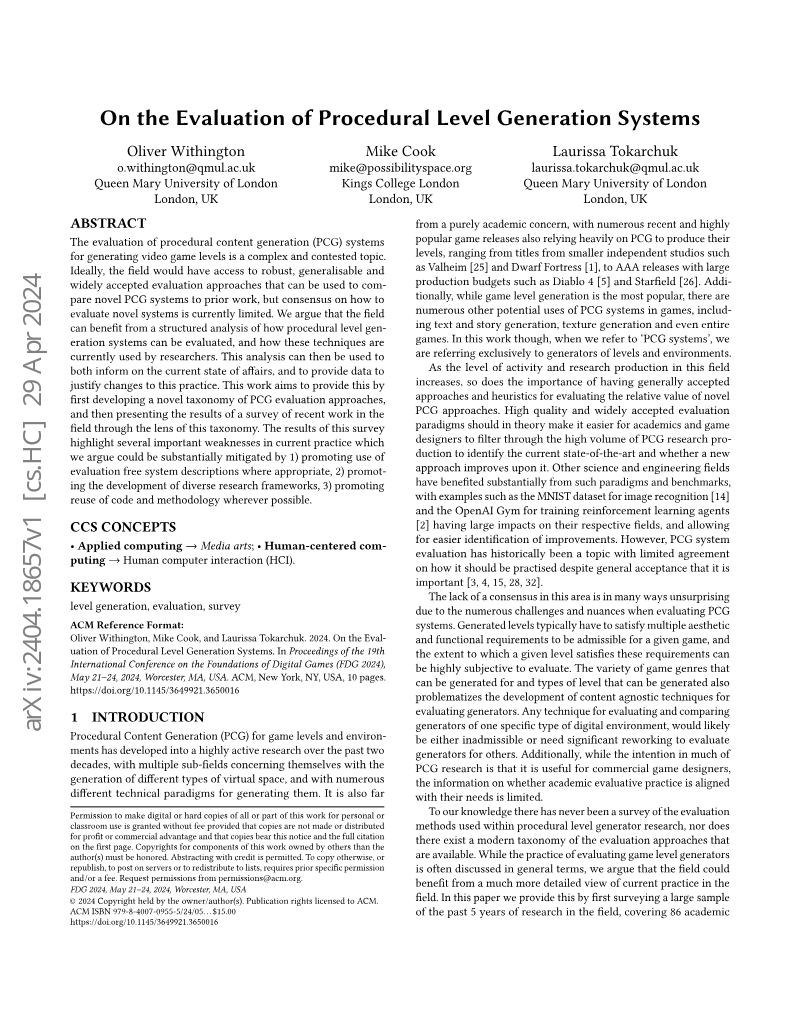
On the Evaluation of Procedural Level Generation Systems
Queen Mary University of London · 2024
Whitepaper
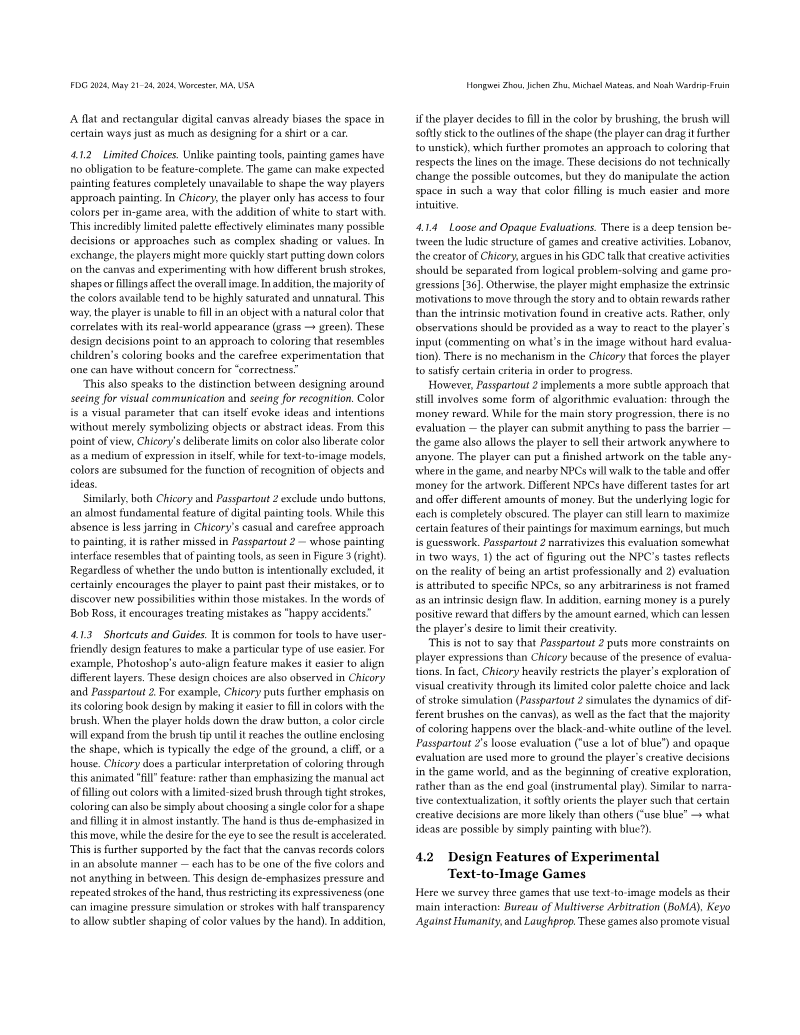
The Eyes, the Hands and the Brain: What can Text-to-Image Models Offer for Game Design and Visual Creativity?
University of California Santa Cruz · 2024
Whitepaper
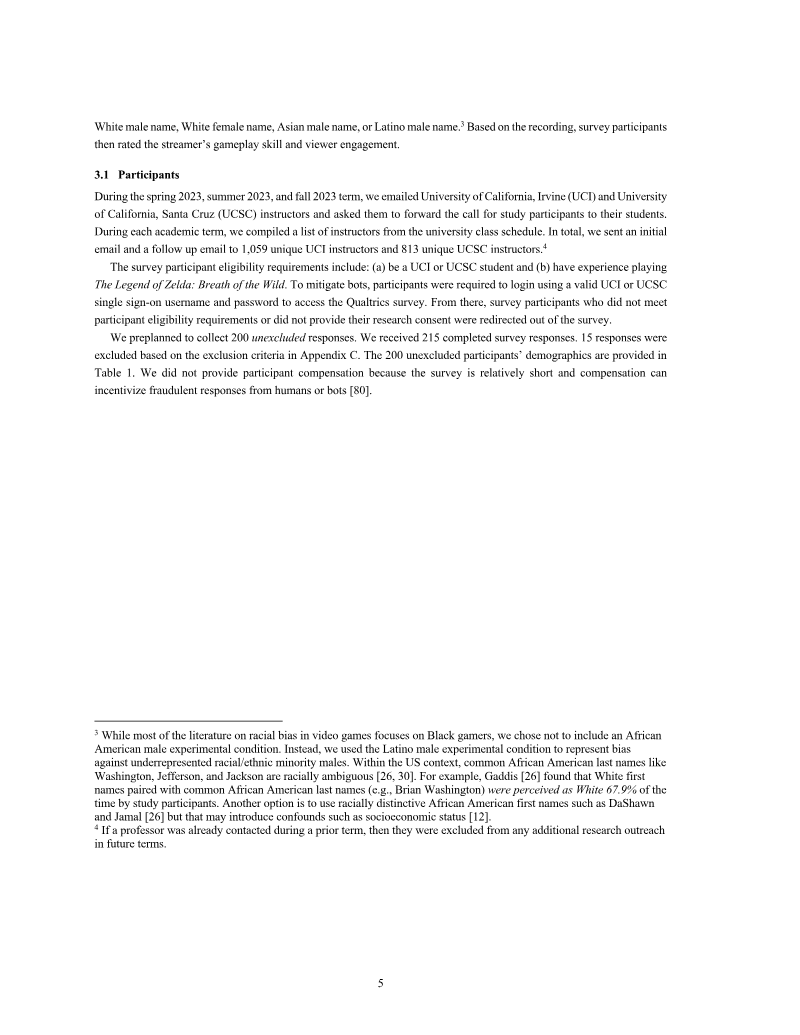
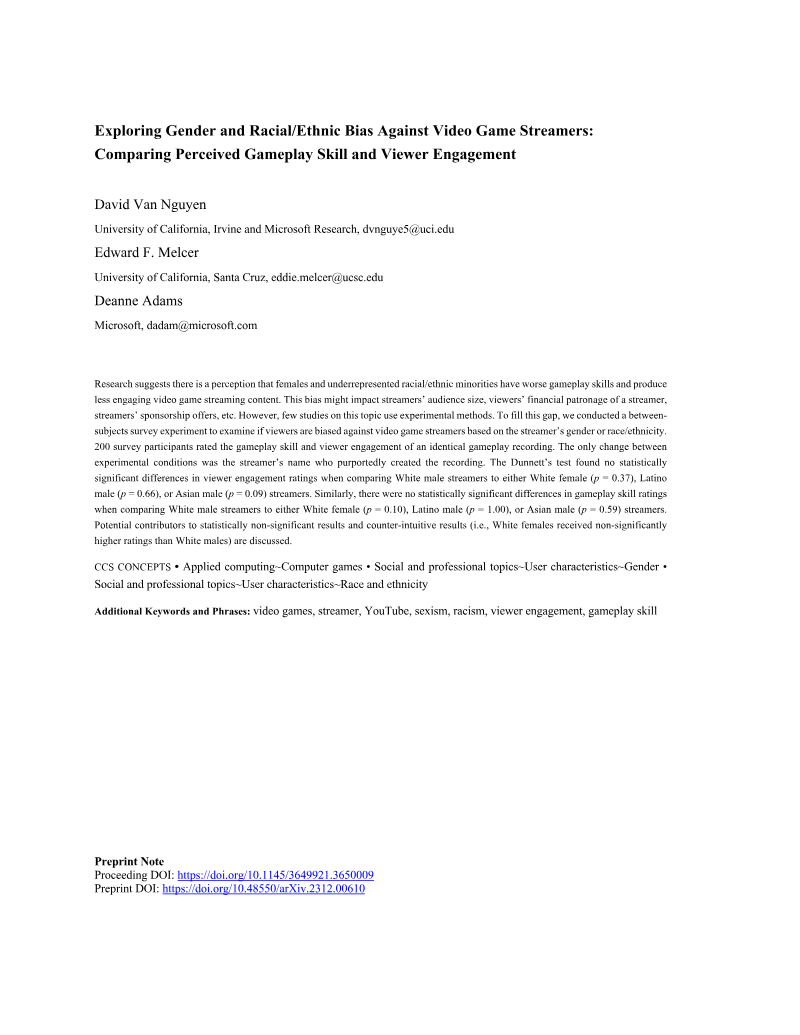
Exploring Gender and Racial/Ethnic Bias Against Video Game Streamers: Comparing Perceived Gameplay Skill and Viewer Engagement
University of California · 2024
Whitepaper
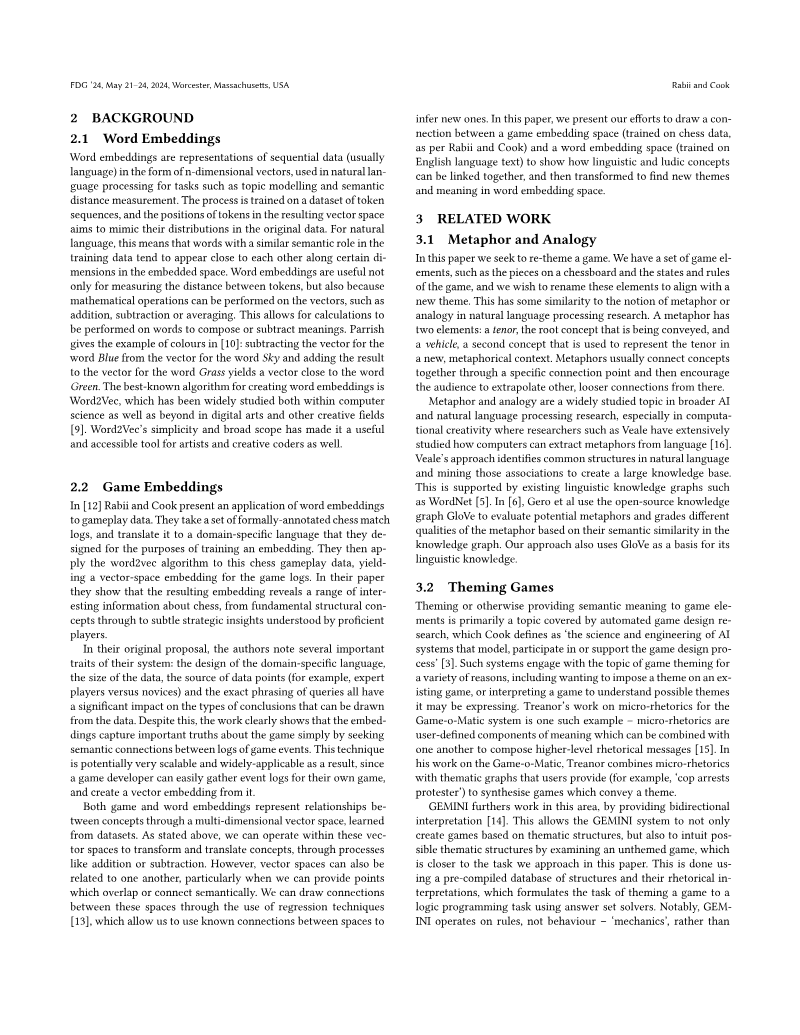
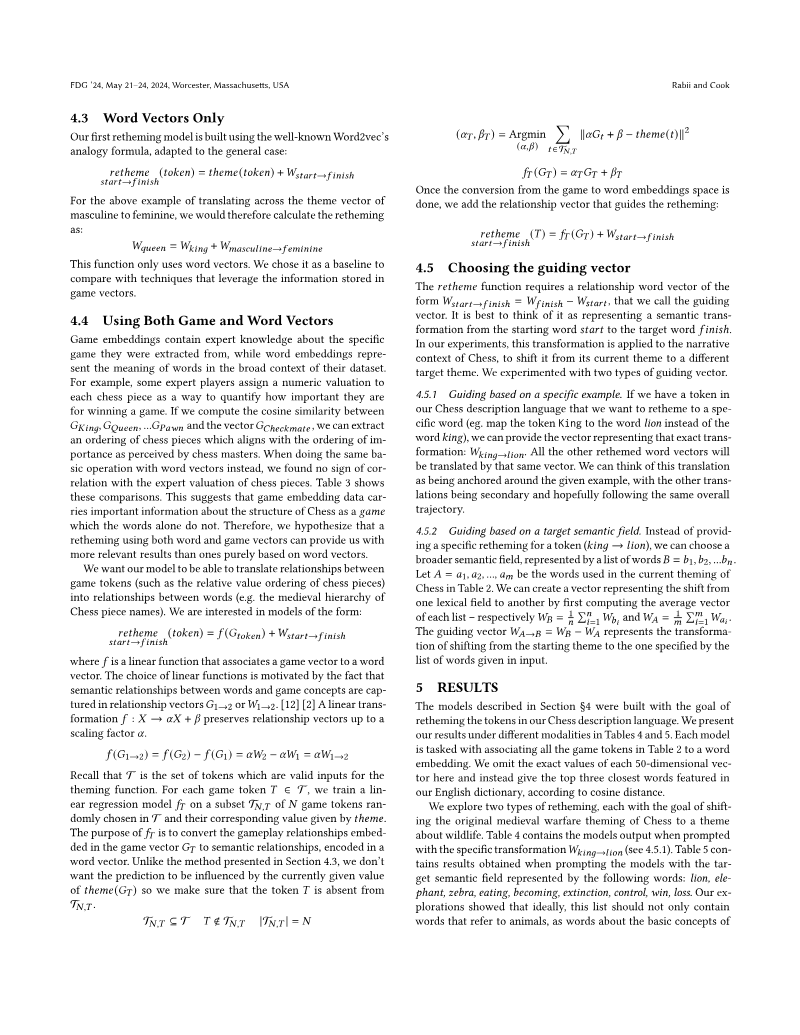
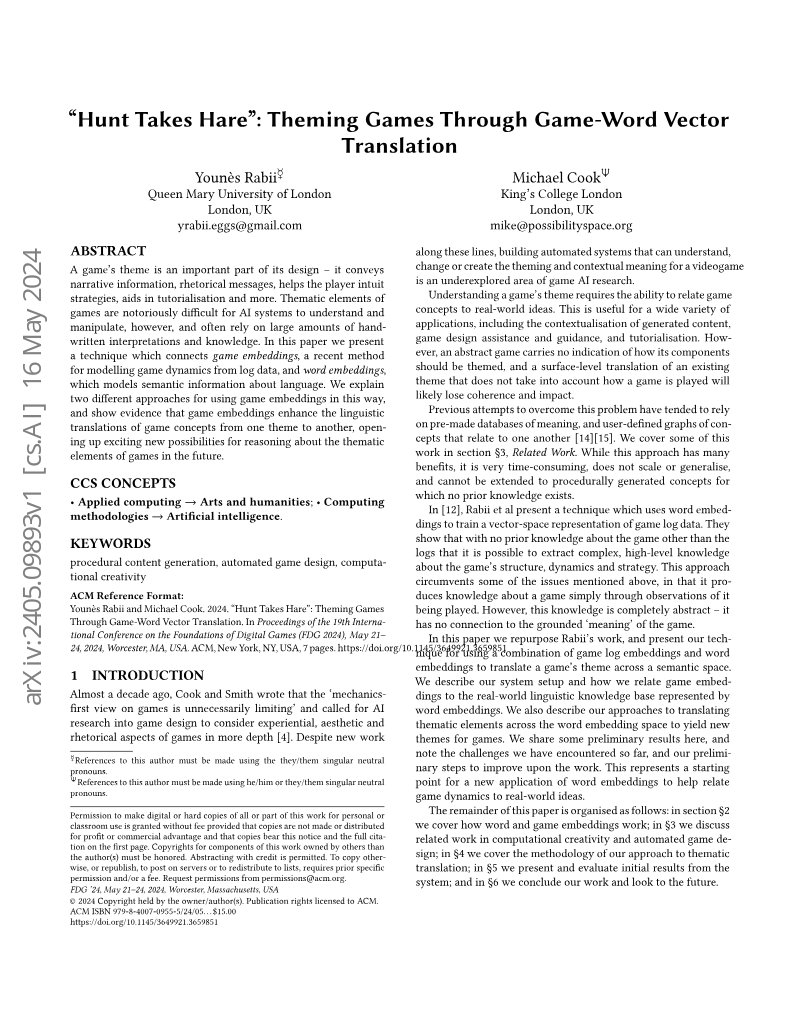
Hunt Takes Hare: Theming Games Through Game-Word Vector Translation
Queen Mary University of London · 2024
Whitepaper
Permalife of the Archive: Archaeogaming as Queergaming
Queen Mary University of London · 2024